

In this article
If rosemary oil burns your scalp, your skin may be reacting to the formula, the strength of the oil, or the condition of your scalp barrier. A light cooling or warming feeling can happen with some scalp products, but strong burning is different.
Burning, sharp stinging, redness, swelling, soreness, itching, flaking, or tenderness is not something to push through. Stop using the oil, rinse your scalp, and avoid applying more active oils until your skin feels normal again.
Many people use rosemary oil because they want healthier-looking hair and better scalp care. The safer approach is to understand why the reaction happened, what to do right away, and how to adjust your routine before trying rosemary again.
Key Takeaways
-
Strong burning means you should stop and rinse.
-
Tingling does not prove the oil is working.
-
Undiluted rosemary essential oil can irritate the scalp.
-
Patch testing helps reduce the chance of a bad reaction.
Why Rosemary Oil May Burn Your Scalp
Rosemary essential oil is highly concentrated. It is not the same as a regular hair oil that can be applied freely from roots to ends. When rosemary oil burns scalp skin, the problem is often strength, contact time, or poor tolerance rather than a sign that the oil is “activating” hair growth.
Undiluted essential oils can irritate skin, and essential oils can also trigger allergic contact dermatitis in some people. DermNet notes that allergic contact dermatitis from essential oils can cause itching, redness, and scaling, and it specifically advises against applying neat, undiluted oils directly to skin. For a wider view of possible reactions, compare this focused burn or tingle issue with rosemary oil side effects.
Your scalp may also be more reactive if it is already dry, scratched, inflamed, freshly exfoliated, recently colored, or irritated from tight styles. A formula can feel fine on healthy skin but sting on a weakened scalp barrier. Heat, sweat, scratching, and buildup may make that reaction feel stronger.
Some products also combine rosemary with peppermint, menthol, tea tree oil, fragrance, or other stimulating ingredients. Those additions can make the product feel cooler, warmer, or sharper on contact. Poison Control notes that peppermint oil can cause skin rashes and irritation, and menthol can irritate skin, especially in high-percentage products.
Is Tingling From Rosemary Oil Normal?
Mild tingling, cooling, or warmth may happen with some rosemary formulas, especially if the product contains minty or aromatic ingredients. A brief sensation that fades quickly and leaves no redness may simply be how the formula feels on your scalp.
Tingling does not prove that rosemary oil is working. A stronger feeling is not a better result. Scalp care should feel comfortable enough that you can use the product without pain, itching, or visible irritation.
Burning, sharp stinging, swelling, tenderness, or redness is a warning sign. If the sensation gets stronger after application, do not wait to see if your scalp “gets used to it.” Remove the product and give your scalp time to calm.
|
Sensation |
What It May Mean |
What To Do |
|
Mild cooling |
Formula sensation |
Monitor closely |
|
Light warmth |
Possible scalp stimulation or sensitivity |
Use less next time |
|
Strong burning |
Irritation or poor tolerance |
Stop and rinse |
|
Redness or swelling |
Possible reaction |
Stop use and avoid reapplying |
|
Blisters or severe pain |
Possible stronger reaction |
Seek medical advice |
The American Academy of Dermatology lists swelling, itchy bumps, fluid-filled blisters, painful sores, and cracked or flaky skin among possible contact dermatitis signs. Those symptoms go beyond a normal cosmetic sensation.
What To Do If Rosemary Oil Burns Your Scalp
Remove the oil first. Do not add more carrier oil, another essential oil, or a soothing active on top while your scalp is actively burning. Adding more product can trap the irritant against your skin or make it harder to tell what is causing the reaction.
Wash your scalp gently with lukewarm water and a mild shampoo if needed. Avoid harsh scrubbing, hot water, scalp exfoliants, and strong treatments for the next day or two. Poison Control advises washing off remaining essential oil with soap and water if a rash occurs, and says difficulty breathing with an allergic reaction should be treated as a medical emergency.
After rinsing, keep the routine simple. Avoid rosemary oil, peppermint oil, tea tree oil, fragranced scalp products, chemical exfoliants, and strong anti-dandruff treatments until the scalp feels settled. If you need to style your hair, choose low-tension styles and avoid scratching the irritated area.
Seek medical advice if the burning is severe, spreading, blistering, or paired with swelling, open sores, drainage, intense pain, or symptoms that do not improve. A dermatologist can help identify whether the reaction is irritation, allergy, dermatitis, or another scalp issue.
Common Reasons Rosemary Oil Feels Too Strong

Rosemary oil can feel too strong for several reasons. The most common one is concentration, but your scalp condition and product habits matter too. A formula that works for someone else may be too intense for you if your scalp is sensitive or already irritated.
Oil Was Not Diluted Enough
Rosemary essential oil should not be treated like a simple finishing oil. It needs to be diluted in a carrier oil or used in a properly formulated product designed for topical scalp use.
If you mixed it yourself, small measurement changes can make the blend much stronger than intended. Review how to dilute rosemary oil for hair before trying again. A calmer formula and a smaller amount are safer than guessing.
Scalp Barrier Was Already Irritated
A dry or stressed scalp can sting when a product touches it, even if the same product felt fine before. Scratching, tight braids, dandruff-like flaking, recent coloring, harsh shampoo, sun exposure, or scalp exfoliation can all make the skin more reactive.
If your scalp often feels tight, flaky, or sore, treat that as a sign to slow down. A separate look at dry scalp can help you understand when oiling may not be the first step.
Used Too Much Product
More oil does not mean better care. Heavy application increases contact with the scalp and may leave residue that traps sweat, fragrance, or other irritating ingredients against the skin.
Use less than you think you need. Apply only where needed, massage lightly, and watch how your scalp responds over the next few hours. If your scalp feels itchy or coated afterward, the amount may be too much.
The Formula Contains Other Stimulating Ingredients
Some rosemary products include mint oils, menthol, fragrance, or other essential oils. Those ingredients can create a stronger cooling or warming sensation, especially near the hairline, temples, or any scratched area.
A blended product is not automatically gentle just because it is sold for hair. Read the ingredient list and avoid stacking multiple stimulating products in one session. If your scalp is reactive, oils for sensitive scalp may help you compare gentler options.
You Left It On Too Long
Overnight oiling does not suit every scalp. If a product starts to feel warm, itchy, or sharp soon after application, leaving it on longer may make irritation worse.
Try shorter contact time only after your scalp fully calms. Wash the oil out sooner if you notice discomfort. For recurring irritation, it may be better to reassess when to stop scalp oiling rather than forcing the same routine.
How To Safely Use Rosemary Oil
Only try rosemary oil again after your scalp feels normal. No burning, no soreness, no swelling, no open skin, and no lingering tenderness. Applying rosemary to irritated skin increases the chance that the same reaction returns.
Patch testing is a smart first step. The American Academy of Dermatology recommends testing new skin care products on a small area before regular use because ingredients can cause red, itchy, or swollen skin in some people. For scalp products, test the diluted product on a small, low-visibility area first and wait before applying it more widely.
Use these safer habits when you reintroduce rosemary oil:
-
Use a diluted formula instead of pure rosemary essential oil.
-
Start with a small amount on a limited scalp area.
-
Avoid broken, scratched, inflamed, or freshly treated skin.
-
Do not combine rosemary with several strong scalp actives at once.
-
Wash it out sooner if warmth turns into stinging or burning.
Frequency matters too. Daily use may be too much for sensitive scalps. If your scalp feels dry, itchy, or tight after oiling, reduce how often you use it or pause completely.
Is A Rosemary Blend Better For Sensitive Scalps?
A pre-blended rosemary product may be easier than mixing rosemary essential oil yourself. The main advantage is control. A ready-to-use blend is designed for topical use, while DIY mixing can go wrong if the essential oil is too concentrated.
That does not mean every blend will suit every scalp. Even diluted formulas can irritate some people, especially if the product contains fragrance, mint oils, or other active botanicals. Patch testing still matters, and any burning reaction is a reason to stop.
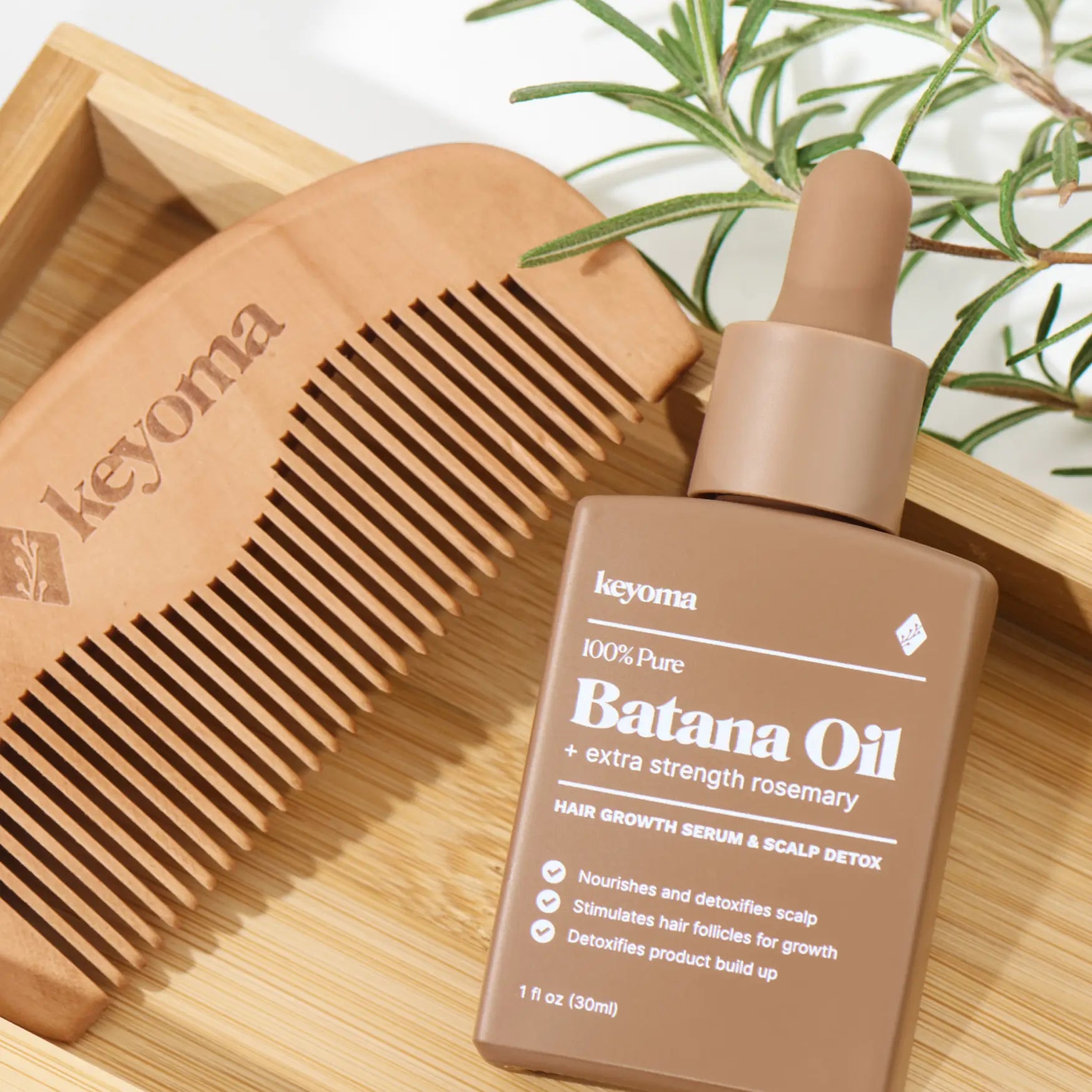
A balanced rosemary and batana oil blend can be a simpler path if you want rosemary in your routine without mixing essential oil yourself. Use it carefully, start small, and treat comfort as the first sign that the product fits your scalp.
Rosemary Oil Burning Scalp Vs Normal Scalp Sensation
A normal scalp sensation should be mild, short-lived, and easy to tolerate. Your scalp should not feel worse after washing, and the skin should not look red, swollen, flaky, or tender.
Possible irritation feels different. It may intensify after application, linger after rinsing, or show up with visible skin changes. Allergic contact dermatitis can also be delayed, so a reaction may not always appear immediately after you apply the product. DermNet notes that this type of reaction can occur 24 to 72 hours after exposure.
|
Normal Or Mild Sensation |
Possible Irritation |
|
Light cooling that fades quickly |
Burning that gets stronger |
|
Mild warmth without redness |
Redness, soreness, or swelling |
|
No itching after use |
Itching or tenderness after use |
|
Scalp feels normal after washing |
Scalp stays irritated after washing |
|
No flaking or pain |
Flaking, pain, or scabbing |
Comfort is the line to respect. If a rosemary formula repeatedly makes your scalp burn, your routine needs to change. That may mean using less, washing it out sooner, choosing a gentler blend, or avoiding rosemary oil altogether.
Safely Use Rosemary Oil Without Burning Your Scalp
Rosemary oil can fit into a scalp care routine, but burning is not a result to chase. Mild cooling or warmth may be tolerable for some people, while strong burning, pain, redness, swelling, itching, or tenderness means you should stop and rinse.
Let your scalp calm before trying rosemary again. Use a diluted formula, patch test first, avoid broken or inflamed skin, and keep your routine simple. Want rosemary in your routine without mixing essential oil yourself? Explore a balanced rosemary and batana oil blend for a simpler way to use rosemary on wash days or scalp care days.
Featured Product
30% Off + 3 FREE Gifts
100% Pure Batana Oil + Rosemary
↓Best Batana Oil to Buy↓

1 Month
Subscribe & Save
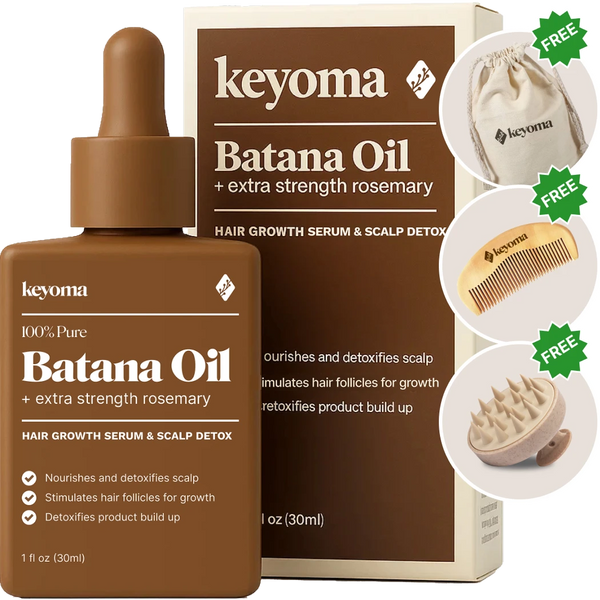


- 30-day supply delivered monthly $35
- 30% off for life $6
- Free haircare essentials kit $33
- Free custom wooden comb $10
- Free scalp massager $15
- Free eco-friendly travel bag $8
- 30-Day Money Back Guarantee
- Free Shipping
- Online portal for easy cancel, skip, or pause.
1 Month One Time Purchase
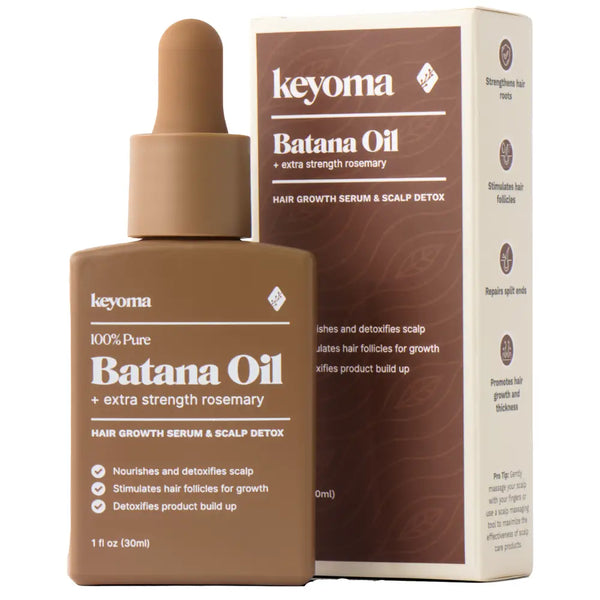
- 30-day supply $50
- 30% off for life $6
- Free haircare essentials kit $33
- Free custom wooden comb $10
- Free scalp massager $15
- Free eco-friendly travel bag $8
