Ends-Only Hair Oiling: When It Works Better Than Scalp Oiling
Written by

Published on Jun 03, 2026

In this article
Ends-only hair oiling is a simple way to get the softness and shine people want from hair oil without coating the scalp. Instead of massaging oil into your roots, you apply a small amount through the mid-lengths and ends, where hair often feels driest, roughest, or most frizz-prone.
This method works especially well when your scalp gets greasy quickly but your ends still feel dry. It lets you treat the older, more fragile part of the hair shaft while keeping oil away from the roots, where it can flatten volume or create buildup.
The goal is not to repair split ends permanently or make every hair type follow the same routine. It is to help you choose the right application area: ends when your hair shaft needs softness, scalp only when your scalp is the actual concern.
Key Takeaways
-
Ends-only oiling targets dry mid-lengths and ends, not the scalp.
-
It works best for oily roots, fine hair, frizz, and dry ends.
-
Pure batana oil can suit ends, but small amounts matter.
-
Scalp oiling should be saved for scalp-focused wash-day care.
What Is Ends-Only Hair Oiling?
Ends-only hair oiling means applying oil mainly from the mid-lengths down to the ends instead of rubbing it into the scalp. Some people use it before washing as a short conditioning step. Others use a tiny amount after styling to soften rough ends, reduce frizz, or add shine.
Dermatologist Shilpi Khetarpal, MD, explains through Cleveland Clinic that hair oiling methods vary: some focus on the scalp, while others put oil on the ends to keep hair hydrated and visually soften split ends. Cleveland Clinic also notes that oils can make split ends look cleaner temporarily, but they do not truly repair them.
That distinction matters. The ends are the oldest part of your hair, so they have usually gone through more washing, brushing, friction, heat, sun, and styling than the roots. If your scalp feels normal or oily but your ends feel dry, ends-only oiling is often a better match than a full scalp oiling routine.
For people dealing with oily scalp and dry ends, this approach keeps the routine more targeted. You are not adding richness where your scalp already produces oil. You are placing it where hair tends to lose smoothness first.
Why Should You Oil Only the Ends of Your Hair

Oiling only the ends makes sense when your scalp and your hair shaft have different needs. Your roots may feel fresh for only a day or two, while your ends still look dull, puffy, or rough. Applying oil everywhere can make that imbalance worse.
Scalp oiling can be useful for certain wash-day routines, but it is not automatically better. Cleveland Clinic’s guidance is cautious about scalp oiling because oil can sit on the skin and may worsen issues such as dandruff for some people. Dr. Khetarpal also notes that fine, straight hair can feel weighed down, while dry, coarse, tightly curled hair may tolerate oiling better.
Ends-only oiling is more precise. It gives the lower hair shaft a light coating that can soften the feel, reduce the look of dryness, and help the ends sit more smoothly without turning the scalp into the focus.
Roots Get Greasy
If your roots get greasy quickly, scalp oiling can make your hair look flat before the ends have any real benefit. Oil near the scalp mixes with sebum, sweat, dry shampoo residue, styling products, and normal environmental buildup. Fine or straight hair usually shows this faster because oil travels down the strand more easily.
InStyle’s expert panel gives similar advice for oily hair. Trichologist Sophia Emmanuel says people with oily scalps should keep oil off the scalp, while the article recommends applying oil to the driest areas, usually the mid-lengths to ends.
A good test is how your roots look the day after washing. If they already seem shiny, limp, or separated, you probably do not need scalp oil for daily or finishing care. Apply a tiny amount to the ends only, then check whether your hair still moves naturally after a few hours.
Ends Feel Dry or Rough
Dry ends often feel rough before they look damaged. They may catch on your fingers, puff out after brushing, or make the lower half of your hair look less polished than the top. Ends-only hair oiling helps by adding slip and surface smoothness where the hair needs it most.
Hair oil is not the same as water-based moisture, and it should not replace conditioner. Think of it as a softening and sealing step. After washing, conditioner or leave-in products handle hydration and detangling. Oil can then help smooth the outer feel of the ends and reduce the look of frizz.
If your ends feel dry after wash day, consider whether you are layering products in the right order. A lighter conditioner or leave-in usually comes before oil, because oil works better as a finishing layer than as the only softening step. A comparison like hair oil vs leave-in conditioner can help clarify where each product fits.
Split ends need especially realistic expectations. McGill University’s Office for Science and Society explains that split ends cannot be permanently glued back together by products, even though some conditioners and treatments can temporarily improve their appearance.
You Want Less Buildup
Buildup is one of the biggest reasons to keep oil away from the scalp when you do not need it there. Oil can trap residue, make hair feel coated, and cause roots to lose volume faster. The more often you oil the scalp without washing thoroughly, the more likely your hair is to feel heavy.
Ends-only application lowers that risk because you are using less product and placing it away from the skin. It also makes it easier to adjust. If your ends still feel dry, you can add a small amount next time. If your hair looks stringy, you used too much or applied it too high.
Pay close attention if a product feels too heavy for your hair. Heaviness is not just about the oil itself. It also depends on hair density, texture, porosity, styling habits, wash frequency, and how much product is already sitting on the hair.
Can Batana Oil Be Used on Ends Only?
Batana oil can be used on the ends only, and that is often the smarter placement if your scalp gets oily or your hair is fine. It is a rich oil, so a small amount can go a long way on dry-feeling ends, frizz, and rough lower lengths.
British Vogue cites trichologist Hannah Gaboardi, who says batana oil has a thick, butter-like texture and can leave hair feeling greasy or heavy, especially on fine or straight hair. She also advises people with thin or damaged hair to avoid applying it to the scalp and use it on the mid-lengths and ends instead.
For ends-focused conditioning, pure batana oil is the cleaner fit. Warm a very small amount between your palms first, then smooth it over the ends before moving slightly upward. Stop well before the roots. Your hands should look lightly conditioned, not coated.
A simple method works best:
-
Start with less than you think you need.
-
Rub the oil between your palms until it spreads thinly.
-
Touch the ends first, where dryness is most visible.
-
Glide leftover oil lightly through the lower mid-lengths.
-
Leave the roots and scalp bare unless wash-day scalp care is the goal.
For scalp-focused oiling, a rosemary and batana oil blend fits better when you specifically want a pre-wash scalp step. Use it only if your scalp tolerates oils well, and wash it out instead of leaving it to sit on the skin for too long.
How Often Should You Oil Dry Ends?

Frequency depends on how quickly your ends feel dry and how quickly your hair starts looking coated. Ends-only oiling should make hair feel smoother, not heavier. If you need to wash earlier because of oil, the amount or frequency is probably too high.
A practical hair oiling frequency depends on hair texture, density, dryness, and wash schedule. Fine hair may need oil only occasionally. Coarse, curly, coily, color-treated, or heat-styled hair may tolerate it more often, especially on the lower lengths.
Daily
Daily ends-only oiling can work for very dry, coarse, curly, or coily hair, but the amount should be tiny. Use it as a finishing touch, not a full treatment. One light pass over the ends is usually enough.
Fine or oily hair should be careful with daily use. If your ends start clumping, your style loses movement, or the lower half looks darker and coated, daily oiling is too much. Try every few days instead.
Weekly
Weekly oiling is a safe starting point for most people. It gives you enough consistency to judge whether your ends feel smoother without overloading the hair. Apply it before wash day if you want more cushion, or after styling if you only need polish.
For a pre-wash approach, apply oil to the ends and lower mid-lengths, leave it for 20 minutes to an hour, then wash as usual. Cleveland Clinic describes a similar method using a small amount on dry hair, applied from the middle of the hair to the ends before washing.
1-2 Times a Week
Oiling 1-2 times a week is a good fit when your ends feel dry between washes but your roots do not need extra oil. This frequency often suits medium-density hair, color-treated hair, and hair that gets frizzy at the lower lengths.
Keep one application lighter than the other. For example, use a pre-wash oiling session once, then use a barely visible amount on dry ends later in the week. That gives the hair support without making every application feel like a treatment.
2-3 Times a Week
A 2-3 times a week schedule is better for hair that absorbs oil well and still feels dry after lighter use. Thick, coarse, curly, or coily hair may fall into this range, especially if the ends are exposed to heat styling, dry air, or frequent manipulation.
Use clear limits. Oil should not replace conditioner, masks, trims, or gentler styling habits. If your ends are splitting upward, breaking easily, or tangling badly even with oil, the hair may need a trim or a broader damage-control routine.
1-2 Times a Month
Oiling 1-2 times a month may be enough for fine hair, low-maintenance styles, or anyone who only gets occasional dryness. This frequency also works when you are testing a rich oil and want to avoid residue.
Use monthly oiling as a reset for rough ends, not as a cure for damage. Apply a small amount before washing, keep it off the roots, and check how your hair feels after it dries. If the ends feel smoother without looking flat, the frequency is probably right.
Choose Ends Only Hair Oiling for Smoother Ends
Ends-only hair oiling is best when your hair needs softness at the bottom, not extra oil at the scalp. It helps you treat dry ends, frizz, and rough texture without making oily roots worse.
Use pure batana oil when you want a rich ends-focused option, and keep the amount small. Save batana with rosemary for scalp-focused wash-day oiling only when your scalp tolerates it and you plan to wash it out. The best routine is the one that leaves your ends smoother, your roots cleaner, and your hair light enough to move naturally.
Featured Product
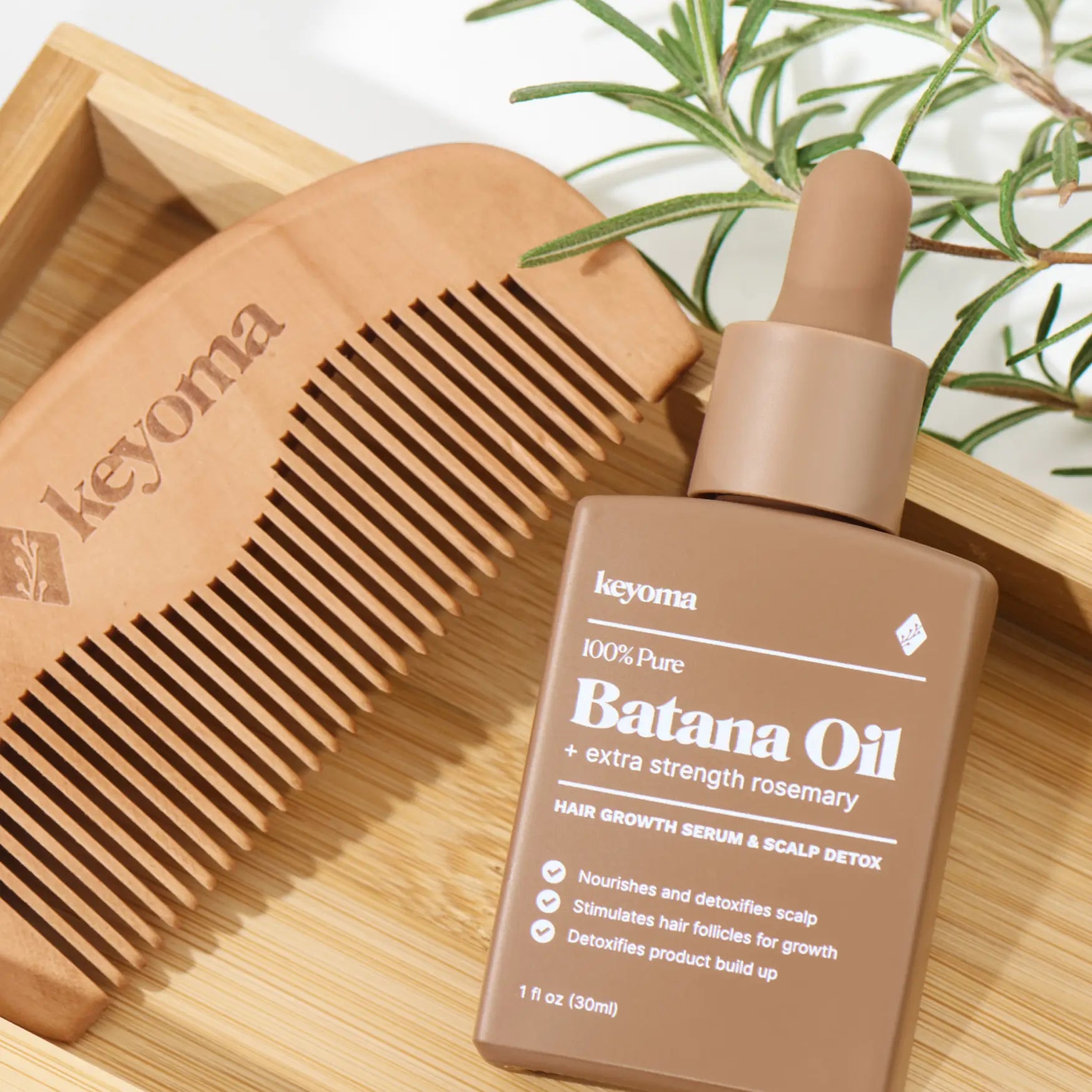
30% Off + 3 FREE Gifts
100% Pure Batana Oil + Rosemary
↓Best Batana Oil to Buy↓

1 Month
Subscribe & Save
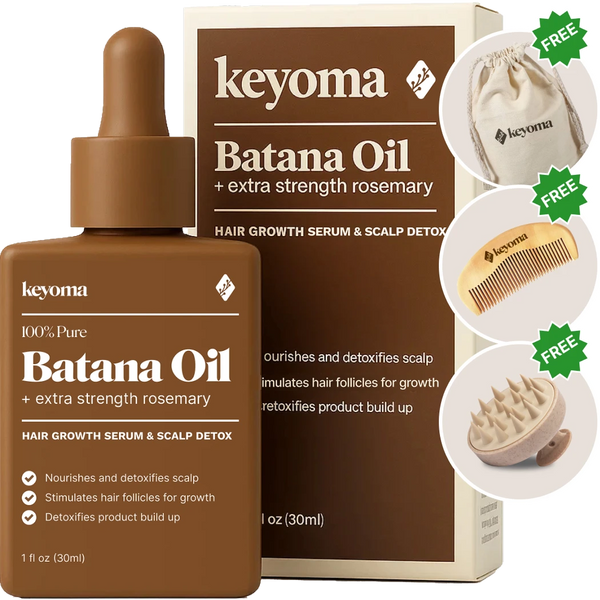


- 30-day supply delivered monthly $35
- 30% off for life $6
- Free haircare essentials kit $33
- Free custom wooden comb $10
- Free scalp massager $15
- Free eco-friendly travel bag $8
- 30-Day Money Back Guarantee
- Free Shipping
- Online portal for easy cancel, skip, or pause.
1 Month One Time Purchase
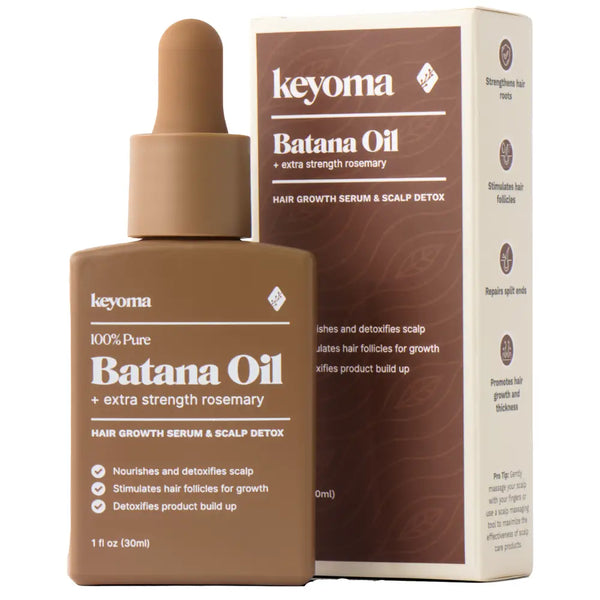
- 30-day supply $50
- 30% off for life $6
- Free haircare essentials kit $33
- Free custom wooden comb $10
- Free scalp massager $15
- Free eco-friendly travel bag $8
