

In this article
A heat brush is not always worse than a blow dryer. A blow dryer is not always safer either. Heat brush vs blow dryer damage depends on how hot the tool gets, how long the heat stays on your hair, how much tension you use, and how often you style.
A blow dryer can be gentler when you keep it moving, use low or medium heat, and hold it away from the hair. A hot air brush can feel easier because it dries and shapes at the same time, but it also places heat, bristles, and tension close to the strand.
The safest choice is usually the one that lets you style with less heat, fewer passes, and less pulling. Hair type matters too. Fine, bleached, damaged, curly, or coily hair often needs a more cautious routine than thick, resilient hair.
Key Takeaways
-
Neither tool is always safer for every hair type.
-
Heat, contact time, tension, and frequency drive most damage.
-
A blow dryer can be gentler when used with distance and movement.
-
A hot air brush needs careful heat control and fewer passes.
Does a Heat Brush or Blow Dryer Cause More Damage?
A heat brush can cause more damage when it is used like a hot tool instead of a dryer. The brush sits directly against the hair, adds tension, and may encourage repeated passes until the hair looks smooth. If the hair is fragile, wet, or already color-treated, that mix can raise the risk of dryness, roughness, and breakage.
A blow dryer can also damage hair. The risk rises when the heat is high, the nozzle stays too close, or the brush pulls hard through tangled sections. The American Academy of Dermatology says excessive heat can damage hair and recommends limiting blow drying and hot tools, using low or medium heat, and applying a product made to protect hair from heat.
For most people, the tool is less important than the technique. Lower heat, less contact, and gentler brushing usually matter more than choosing one tool and assuming it is safe.
How Heat Styling Damages Hair

Heat styling damage happens when high temperature, water loss, friction, and tension weaken the outer hair surface. Hair may start to feel rough, look dull, frizz more easily, or snap at the ends. Damage is often cumulative, so one careful blowout may not ruin your hair, but frequent high-heat styling can slowly make it harder to keep hair smooth.
Hair is also more vulnerable when it is wet, bleached, chemically treated, or already dry. That is why a lower-damage routine should focus on preparation as much as the tool itself. Gentle drying, detangling, sectioning, and heat protection all reduce the stress placed on the strand.
High Heat
High heat dries hair faster, but faster does not always mean safer. When the temperature is too high, the outer layer of the hair can become rougher and more prone to frizz. Color-treated or bleached hair may feel the change sooner because it has already been exposed to chemical stress.
The AAD recommends using low or medium heat settings when styling with heat tools. That advice applies to both blow dryers and hot air brushes. If your hair gets too hot to touch comfortably, the setting is probably too aggressive for repeated use.
Long Contact Time
Contact time is a major difference between a blow dryer and a heat brush. A blow dryer can be kept several inches away from the hair. A hot air brush usually touches the strand while it dries and shapes.
Long contact can become a problem when you keep rolling the same section until it looks perfect. Hair may feel smooth at first, then become dry or brittle over time. One or two controlled passes are usually better than five rushed passes on high heat.
Too Much Tension
Tension can be useful for smoothing, but too much pulling can weaken hair. Tight round-brush blowouts, rough brushing, and repeated twisting can stretch the strand while heat is already softening and drying it.
Curly, coily, fine, and damaged hair often needs lighter tension. Detangle first with a wide-tooth comb or a gentle brush. Then style in smaller sections so you do not have to pull hard to get control.
Wet Hair Stress
Wet hair is more fragile than dry hair because it stretches more easily. Styling hair while it is soaking wet can increase the chance of breakage, especially if the tool also creates tension.
A hot air brush should not be treated like a rough towel replacement. Let your hair air-dry partway first, or use a towel or T-shirt to absorb excess water gently. Hair should be damp, not dripping, before you bring in heat.
Repeated Passes
Repeated passes are one of the easiest ways to turn a normal blowout into heat styling damage. Each pass adds more heat, brushing, and friction. The hair may look smoother in the moment, but the strand can lose softness with repeated exposure.
A better approach is to work in clean sections, use enough airflow, and stop once the section is dry and shaped. If a piece does not sit right, let it cool before touching it again instead of immediately adding more heat.
Heat Brush vs Blow Dryer: What’s the Difference?

A blow dryer uses airflow to remove moisture. A brush, comb, or your fingers create shape while the dryer moves around the hair. A hot air brush combines the airflow and brush into one tool, so it dries and styles at the same time.
That combined design is convenient. It can reduce the number of tools you use and make a blowout easier at home. The tradeoff is that the heated barrel and bristles are closer to the hair, so technique matters even more.
Direct Contact
A heat brush has more direct contact with the hair than a standard blow dryer. The barrel and bristles sit against the strand while warm air moves through the section. That can smooth hair well, but it can also expose the same area to heat and tension for longer.
A blow dryer has less direct contact when used correctly. The dryer should not press into the hair or sit against the brush. Keeping space between the dryer and the hair helps lower the heat load on one spot.
Airflow and Distance
Distance can make a blow dryer more forgiving. A study on hair dryer use found that blow drying caused more surface damage than natural drying, but using a dryer at 15 cm with continuous motion caused less damage than natural drying in that test setup.
That does not mean blow drying is harmless. It means movement and distance matter. A dryer held too close on high heat can still cause dryness, roughness, and breakage.
Brush Tension
A blow dryer lets you choose the brush separately. That can be helpful if your hair needs a soft paddle brush, a vented brush, or a wide-tooth detangling step before styling. You can reduce pulling by changing the brush.
A hot air brush builds the brush into the tool. If the bristles grip too hard or the barrel is too large for your section, you may pull more than intended. Smaller sections can reduce that tension and help the brush glide more smoothly.
Drying Speed
A hot air brush may feel faster because it shapes the hair while drying it. For thick hair, that convenience can be useful, especially when the hair has already been partly air-dried.
A blow dryer may dry faster when you rough-dry the roots first and then smooth the lengths with a brush. That method can reduce the time your hair spends wrapped around a hot barrel. For people with fragile ends, less styling time can be a real advantage.
Which Tool Is Better for Your Hair Type?

Hair type changes the risk. A tool that works well for thick, strong hair may be too much for fine or bleached hair. The right choice should match your strand thickness, curl pattern, current damage level, and styling goal.
If your hair already feels rough, breaks easily, or tangles more than usual, treat it as fragile. A simple routine with lower heat and more recovery time will usually serve you better than trying to force a perfect blowout every day.
Fine Hair
Fine hair often dries quickly, so it usually does not need high heat. A blow dryer on low or medium heat may be easier to control because you can keep distance between the heat source and the strand.
A hot air brush can still work for fine hair, but use it lightly. Let the hair dry most of the way first, choose the lowest useful setting, and avoid wrapping the same section tightly around the barrel. Fine ends can fray quickly when heat and tension are repeated.
Thick Hair
Thick hair may benefit from a hot air brush because the tool can smooth and shape in one step. The risk is impatience. If you use large sections, the outside of the section may get too much heat while the inside stays damp.
Sectioning is the safer move. Partly dry the hair first, then use the hot air brush on smaller sections. If you prefer a blow dryer, rough-dry until the roots are no longer wet before smoothing the lengths.
Curly or Coily Hair
Curly and coily hair needs extra care with tension. Pulling tight sections through a heated brush can stretch the curl pattern and increase breakage risk, especially near the ends.
A blow dryer with a concentrator or diffuser may give you more control, depending on your styling goal. If you use a hot air brush, detangle first, work in small sections, and avoid forcing the brush through knots. A little patience protects the shape and strength of the strand.
Damaged or Color-Treated Hair
Damaged or color-treated hair usually needs the most conservative heat routine. Bleach, dye, relaxers, and frequent heat can all make hair more vulnerable to dryness and breakage.
Use low heat, fewer passes, and more no-heat days. A broader repair plan may also help. If your hair feels rough, weak, or stretchy, review the signs of damaged hair before increasing heat again.
Frizz-Prone Hair
Frizz-prone hair often needs smoothing, but high heat is not the only way to get it. Too much heat can make frizz worse over time by drying the outer surface of the hair.
A blow dryer may work well when you direct airflow down the hair shaft and finish with a cool shot. A hot air brush can also smooth frizz, but avoid brushing the same piece repeatedly. If frizz comes with dryness, a separate dry hair routine may support softness between styling days.
How to Reduce Heat Styling Damage

Lower-damage styling starts before the tool touches your hair. The goal is to reduce water stress, friction, heat exposure, and tension. You do not need a complicated routine, but you do need a consistent one.
The AAD’s styling guidance warns that styling habits can make hair look brittle, frizzy, and lackluster, and it recommends seeing a board-certified dermatologist for hair or scalp concerns. If your hair loss, breakage, irritation, or scalp pain feels sudden or severe, get professional guidance instead of only changing tools.
Use Hair Oil in Pre-Wash
Hair oil can support softness and moisture before wash day, but it should not be treated as a heat protectant unless the product is specifically labeled for heat protection. Oil before hot tools can be risky if it encourages you to skip a real heat-protective product.
Use oil as a pre-wash step instead. Apply a small amount before shampooing, let it sit based on your hair’s tolerance, then wash it out well. If your ends are dry from repeated styling, a guide to hair oil for dry ends can help you choose a better placement strategy.
A tiny amount of oil may also be used after styling once the hair has cooled. Keep it light, especially on fine hair, so the finish looks soft rather than greasy.
Partly Air-Dry First
Partly air-drying reduces the time your hair spends under heat. It also helps prevent the common mistake of using a hot air brush on hair that is still too wet.
Gently squeeze out water with a soft towel or T-shirt. Detangle carefully, then wait until the hair is damp. For thick hair, rough-dry the roots first with a blow dryer before using a brush tool on the lengths.
If your hair tends to feel dry after washing, compare pre-wash vs post-wash hair oil so your moisture step fits your styling plan.
Use Low or Medium Heat
Low or medium heat is usually enough for regular styling. High heat should be limited, especially if your hair is fine, bleached, curly, coily, or already damaged.
Let the tool do less work. Smaller sections, a clean brush, and enough drying time can create a smoother result without pushing the heat higher. I noticed sections styled faster when they were smaller, not hotter.
Apply Heat Protectant
A real heat protectant is different from a regular oil or shine product. Heat protectants are made to reduce heat exposure on the hair surface during styling. They do not make hair invincible, but they can lower risk when used correctly.
Apply heat protectant before blow drying or using a hot air brush. Follow the product directions for damp or dry hair. Let sprays distribute evenly before adding heat so one area does not get overloaded.
Keep the Tool Moving
Movement prevents one spot from getting too hot. With a blow dryer, keep the airflow moving down the section and avoid pressing the nozzle into the brush. Byrdie’s blow-drying guidance also warns against letting the dryer nozzle touch the brush because it can overheat the hair and the brush.
With a hot air brush, do not hold the barrel in one place for too long. Glide slowly enough to smooth, but not so slowly that the hair overheats. If the section is still damp after one pass, let it cool briefly before another pass.
Limit Weekly Heat
Heat styling does not need to disappear from your routine, but daily use can be hard on fragile hair. Give your hair recovery time between blowouts when possible.
Try alternating full styling days with lower-heat days. For example, you might do a full blowout once or twice a week, then refresh with a cool setting, loose style, or gentle smoothing product. If your hair is already dry at the ends, when to oil hair before shampooing can help you place oil on wash days without using it as a heat shield.
Reduce Heat Brush vs Blow Dryer Damage for Softer Hair
The safest tool is the one you can use with less heat, less tension, and fewer passes. A blow dryer can be gentler when it stays away from the hair and keeps moving. A heat brush can be convenient when hair is partly dry, sectioned well, and styled on a lower setting.
Do not rely on oil as your heat protectant. Use oil around heat styling instead: pre-wash for dry hair support, or a tiny finishing amount after hair cools. Pair that with a real heat protectant, careful sectioning, and more recovery time between styling days.
For most routines, the best answer is balance. Choose the tool that helps you get the result you want with the least pulling and the shortest safe heat exposure. That is what lowers damage risk while keeping your hair smoother, softer, and easier to manage.
Featured Product
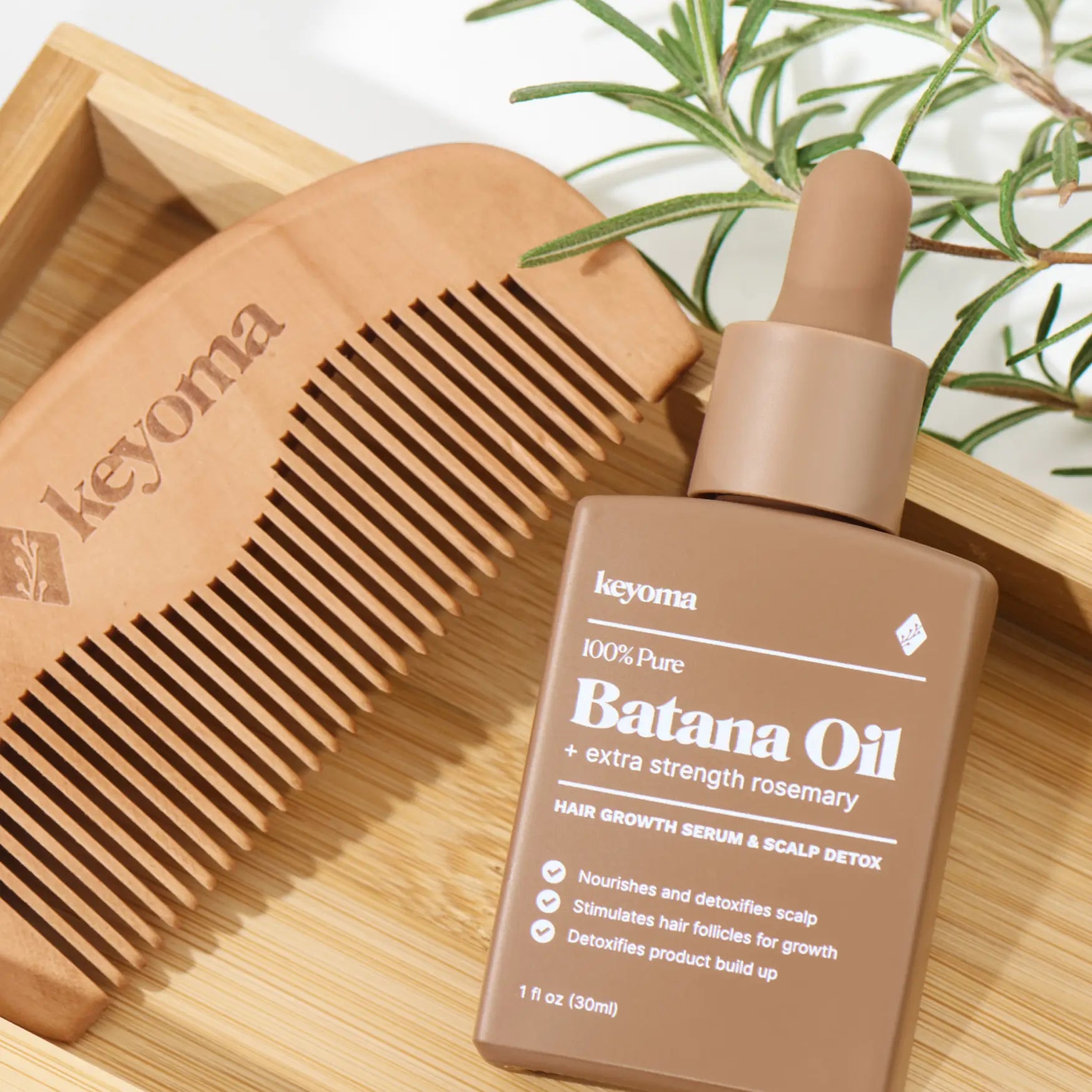
30% Off + 3 FREE Gifts
100% Pure Batana Oil + Rosemary
↓Best Batana Oil to Buy↓

1 Month
Subscribe & Save
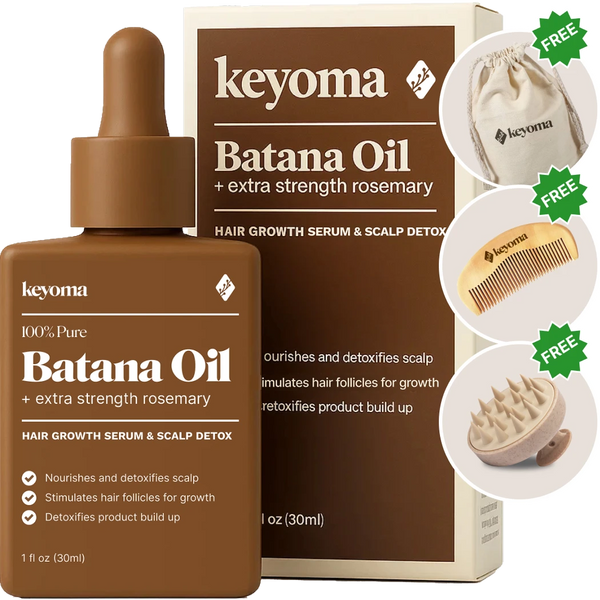


- 30-day supply delivered monthly $35
- 30% off for life $6
- Free haircare essentials kit $33
- Free custom wooden comb $10
- Free scalp massager $15
- Free eco-friendly travel bag $8
- 30-Day Money Back Guarantee
- Free Shipping
- Online portal for easy cancel, skip, or pause.
1 Month One Time Purchase
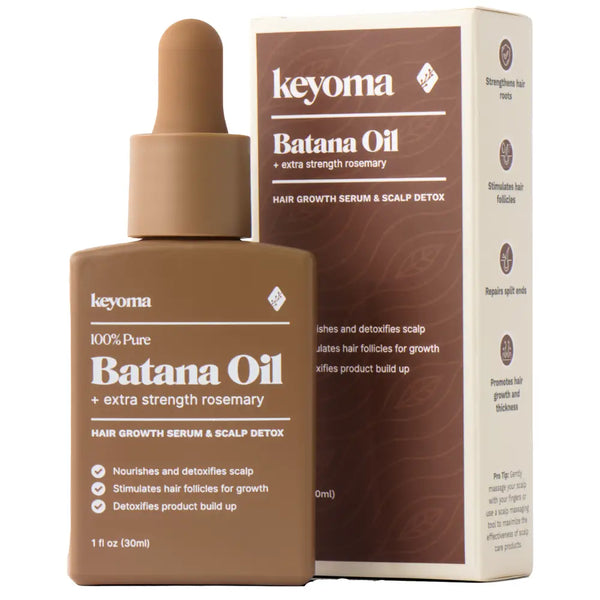
- 30-day supply $50
- 30% off for life $6
- Free haircare essentials kit $33
- Free custom wooden comb $10
- Free scalp massager $15
- Free eco-friendly travel bag $8
