Loc Product Buildup: How to Retwist Without Heavy Gel
Written by

Last updated May 15, 2026

In this article
Loc product buildup happens when residue stays on the scalp, around the roots, or inside the locs after styling. It can come from gel, cream, wax, oil, sprays, lint, sweat, hard water minerals, or shampoo that was not rinsed well enough.
Heavy gel is not always the problem. Some people need hold, especially with starter locs, soft roots, or a style that needs to last. The bigger issue is using too much product, layering it too often, then not cleansing well enough between retwists.
A lighter retwist can help your locs feel cleaner, softer, and less coated. You can use water only, oil and water, aloe, or a small amount of a clear rinseable gel, depending on your hair, loc stage, and how much hold you need.
Key Takeaways
-
Loc product buildup often comes from residue that stays after styling.
-
Gel can work if it is light, rinseable, and used sparingly.
-
A clean scalp should come before every retwist.
-
Oil can soften locs, but it does not remove buildup.
What Is Loc Product Buildup?
Loc product buildup is residue that clings to the hair, scalp, or inner parts of the loc. It may feel sticky, waxy, dusty, greasy, or coated. Sometimes it looks white or gray. Other times, your locs just feel heavier than usual or stay dull after washing.
Buildup is common because locs hold onto more than loose hair. Products can sit around the roots, settle into the loc structure, or mix with lint and sweat. If the hair is not rinsed well, shampoo and conditioner can also leave behind a film.
A clean routine matters because residue can make locs feel dry even when you keep adding moisture. The American Academy of Dermatology recommends washing Black hair once a week or every other week to help prevent hair care product buildup, which can dry the hair.
Flaky locs are not always product buildup, though. Flakes can also come from dry scalp, dandruff, seborrheic dermatitis, irritation, or a product sensitivity. If flakes come with redness, sores, pain, thick scaling, odor, or constant itching, a dermatologist or experienced loctician can help you find the real cause.
Why Does Gel Cause Buildup in Locs?
Gel can cause buildup when it coats the roots and does not rinse out cleanly. Many gels are made to hold hair in place. That hold can be useful, but it can also become a problem when the product dries, flakes, mixes with oil, or gets layered over previous residue.
A retwist without gel is not automatically better for everyone. Starter locs, looser curl patterns, or people who prefer a very polished finish may need some hold. The goal is not to fear gel. The goal is to choose lighter products, use less, and wash well before adding anything new.
Heavy Hold Products
Heavy hold products can make locs look neat at first, but they may leave a thicker coating behind. Waxes, dense creams, sticky gels, and heavy pomades can cling to the loc shaft. Once they dry down, they may attract lint or make roots feel stiff.
If you like a neat retwist, look for products that describe themselves as light, clear, water-based, or rinseable. A lighter hold may not last as long as a heavy gel, but it often leaves the hair feeling cleaner between wash days. For broader product direction, lightweight hair oils can fit a lower-residue routine when used in small amounts.
Too Much Product
Even a good product can create buildup when you use too much. Locs do not need to be saturated with gel or oil to retwist. A small amount at the roots is usually enough if the hair is damp, clean, and sectioned well.
Too much gel can dry into flakes. Too much oil can sit on the scalp or trap debris. Too much cream can make locs feel coated. If your roots feel sticky after a retwist, product amount is one of the first things to review.
Poor Rinsing
Poor rinsing can leave shampoo, conditioner, gel, or cleanser residue inside the locs. Locs need more rinse time than loose hair because water has to move through the hair structure. A quick rinse may clean the surface but leave product inside.
Focus on the roots first, then squeeze water gently through the locs. If suds keep coming out, keep rinsing. Locs should not feel slippery, waxy, or coated after a wash.
Infrequent Washing
Waiting too long between washes can allow sweat, scalp oil, styling product, lint, and environmental debris to collect. The right wash frequency depends on your scalp, lifestyle, workout habits, and loc maturity, but long gaps can make buildup harder to remove.
AAD’s wash guidance for Black hair supports a steady cleansing rhythm, not a no-wash approach. If your scalp gets oily quickly or your locs smell after washing, you may need to cleanse more often or change how you wash.
Product Layering
Layering is one of the easiest ways to create loc gel buildup. Gel at the retwist, oil the next day, spray midweek, cream before styling, then more gel around the edges can quickly become too much.
Layering also makes it harder to know which product is causing flakes or stickiness. A simpler routine is easier to troubleshoot. If your scalp gets oily but your ends feel dry, oily scalp and dry ends may need different care instead of one heavy product applied everywhere.
Signs That Your Locs Have Buildup
Loc buildup can be easy to miss at first. You may think your locs are dry, dull, or ready for more oil when they actually need a better cleanse. Adding more product over residue usually makes the problem worse.
Look at how your locs feel after washing and after a retwist. Clean locs should not feel sticky, waxy, or coated. Your scalp should feel calmer, not more congested.
White or Gray Flakes
White or gray flakes near the roots can come from dried gel, product residue, lint, or scalp flaking. If flakes appear right after a retwist, the styling product may be drying down poorly or being used too heavily.
Flakes from dandruff or scalp irritation can look similar. If the flakes return quickly after washing or come with redness and itching, treat it as a scalp concern, not just a styling issue.
Sticky Roots
Sticky roots are a strong sign that something is sitting on the hair. Gel, cream, oil, or edge product can collect around the new growth and make the roots feel tacky.
Sticky roots can also make lint cling faster. Once lint mixes with product, it can become harder to remove from mature locs. Clean roots before retwisting help reduce that cycle.
Dull or Heavy Locs
Buildup can make locs look dull because residue blocks the natural look and feel of clean hair. Your locs may hang heavier, feel less flexible, or lose their usual movement.
Dullness is not always dryness. Before adding more product, check whether the locs feel coated. A clarifying wash may be more useful than another oil layer when residue is the issue.
Itchy Scalp
An itchy scalp can happen when product, sweat, oil, or flakes collect around the roots. Some people also react to fragrance, essential oils, gels, or preservatives in styling products.
Oil may soothe dryness for some people, but it should not be layered over dirty or flaky roots. If itching is persistent, painful, or paired with sores, ask a dermatologist for guidance.
Odor After Washing
Locs that still smell after washing may not be fully clean or fully dry. Residue can hold odor, especially if locs are thick, dense, or not dried completely after a retwist.
Drying matters as much as washing. Byrdie’s expert-led retwist guide recommends starting with thoroughly shampooed locs and drying locs fully after retwisting. Damp locs that stay wet too long can develop a musty smell.
Can You Retwist Locs Without Gel?
Yes, you can retwist locs without gel, but results vary. Some locs hold well with water, oil and water, aloe, or no product. Others need a small amount of light gel for a neater finish, especially during the starter stage or when the roots loosen quickly.
An oil and water retwist is popular because it can reduce sticky residue compared with heavy gels. Un-ruly describes oil and water retwisting as a simpler approach that some people use to avoid buildup while keeping locs pliable. The tradeoff is that hold may be softer and may not last as long.
A product free retwist can also work when the locs are mature enough and the hair does not need extra control. For starter locs, skipping product completely may not be realistic for everyone. Neatness, hold, texture, and loc stage all matter.
The safest middle ground is usually clean hair, damp roots, light tension, full drying, and the smallest amount of product needed. A practical loc maintenance routine should keep the hair clean without making every retwist depend on heavy buildup-prone products.
How to Retwist Without Heavy Gel
A lighter retwist starts before you twist. Clean hair gives you a better base, reduces residue, and helps you see how your roots actually behave without layers of old product. Heavy gel often becomes a shortcut for control, but technique can do much of that work.
If you are switching from heavy gel to a lighter method, expect an adjustment period. Your retwist may look softer. Flyaways may appear sooner. That does not mean the method failed. It may simply mean your hair is no longer being held down by a thick coating.
Wash First
Wash before you retwist unless your loctician gives you a specific reason not to. Retwisting over dirty roots traps sweat, oil, flakes, and old product under the new style.
Use a shampoo that suits your scalp and loc stage. If the hair feels coated or the roots stay sticky after regular shampooing, a clarifying shampoo may help remove residue. Do not clarify too often, though. Overuse can leave locs dry or brittle.
Use Less Product
Start with water or a water-based spray. If your roots need more slip, use a tiny amount of light oil or a small amount of clear rinseable gel. The product should support the twist, not glue the roots down.
Oil and water can make the hair more pliable, but oil does not clean locs. It should be used on clean hair in small amounts. If you prefer oil before or after washing, pre-wash vs post-wash hair oil can help you match the timing to your goal.
Twist With Light Tension
A retwist should feel secure, not painful. Tight twisting can stress the scalp and hairline. Pain, bumps, or soreness after a retwist are signs that the style may be too tight.
Work in clean sections and twist the new growth in the same direction your locs are maintained. Avoid repeatedly twisting the same root until it feels strained. Neat roots are not worth scalp discomfort or thinning edges.
Clip and Dry Fully
Clips help hold the retwist while the roots set. Place them firmly enough to keep the twist in place, but not so tightly that they pinch or pull.
Drying fully is important. Damp locs can unravel faster, feel heavy, or develop odor if moisture stays trapped. InStyle’s retwist guidance also stresses drying the hair properly after retwisting to help the style set.
Avoid Reapplying Product Daily
Daily product reapplication is one of the quickest ways to bring buildup back. If your retwist starts to loosen, try misting lightly with water, smoothing gently, or choosing a simple style that does not require more gel.
If your scalp feels dry between washes, use oil sparingly and only where needed. The goal is comfort, not coating. A small amount of pure batana oil may help soften dry-feeling locs, but it should not be used as a cleanser or layered over buildup.
Best Product Types for Low-Buildup Loc Care
Low-buildup loc care is not about using nothing forever. It is about choosing products that match the job. Cleansing products should clean. Moisture sprays should refresh. Oils should add softness or comfort. Gels should provide hold without leaving a stubborn film.
Keep the routine simple enough to track. If you use five products at once, it becomes hard to know what caused flakes, itch, or sticky roots. One change at a time gives you a clearer answer.
Lightweight Oils
Lightweight oils can help locs feel softer and reduce a dry, rough feel. Use them on clean hair or a clean scalp, and keep the amount small. Too much oil can attract lint, sit on the roots, or make buildup worse.
Avoid treating oil as a fix for everything. Oil does not remove loc product buildup, replace shampoo, or treat medical scalp conditions. It can support comfort and softness when used carefully.
Water-Based Sprays
Water-based sprays can refresh locs without the heaviness of creams or waxes. They may help roots feel more pliable before a retwist and can reduce the need for extra gel.
Look for sprays that do not leave a sticky film. If a spray makes your roots tacky, dull, or flaky after a few uses, it may not be right for your locs.
Clear, Rinseable Gels
Clear, rinseable gels can be a better choice than thick waxes or heavy creams when you need hold. Use a small amount and apply it only where you need control.
Gel is not bad by default. The problem is often product amount, formula weight, poor rinsing, or reapplying gel between washes. If your gel flakes, turns white, or leaves sticky roots, switch to a lighter option or use less.
Clarifying Shampoo
Clarifying shampoo can help remove product residue, oil, and coating that regular shampoo does not fully lift. It can be useful after heavy gel use, repeated oiling, or a period of dull, sticky locs.
Use it with care. Clarifying too often can make locs feel stripped, dry, or brittle. Follow with a suitable conditioner or moisture step if your loctician recommends it for your loc type, and rinse thoroughly so nothing stays trapped inside the hair.
If you oil around wash day, timing matters. A practical when to oil hair before shampooing approach can help you avoid applying oil at the wrong stage and adding more residue to roots that need cleansing.
Reduce Loc Product Buildup for Cleaner Retwists
Loc product buildup is usually a routine problem, not a reason to panic. Heavy gel, too much product, poor rinsing, infrequent washing, and daily layering can all leave locs dull, sticky, flaky, or heavy.
A cleaner retwist starts with a clean scalp, lighter product choices, gentle tension, and full drying. Water-only, oil and water, aloe, or a small amount of clear rinseable gel can all work, depending on your loc stage and hold needs.
If your locs stay flaky, itchy, painful, red, sore, or smelly after better washing and lighter styling, get help from a loctician or dermatologist. Product buildup can be managed with better habits, but scalp conditions need the right care.
Featured Product
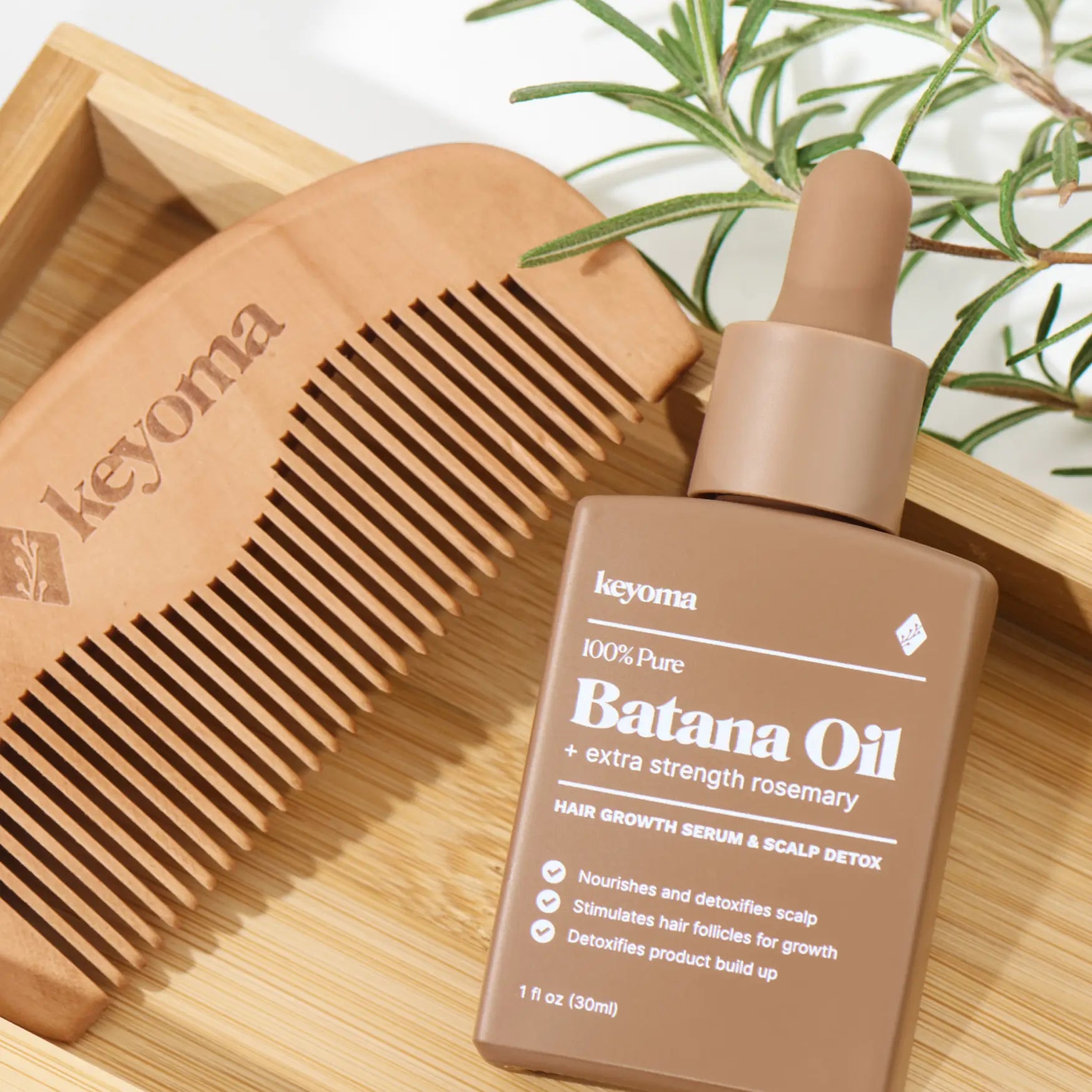
30% Off + 3 FREE Gifts
100% Pure Batana Oil + Rosemary
↓Best Batana Oil to Buy↓

1 Month
Subscribe & Save
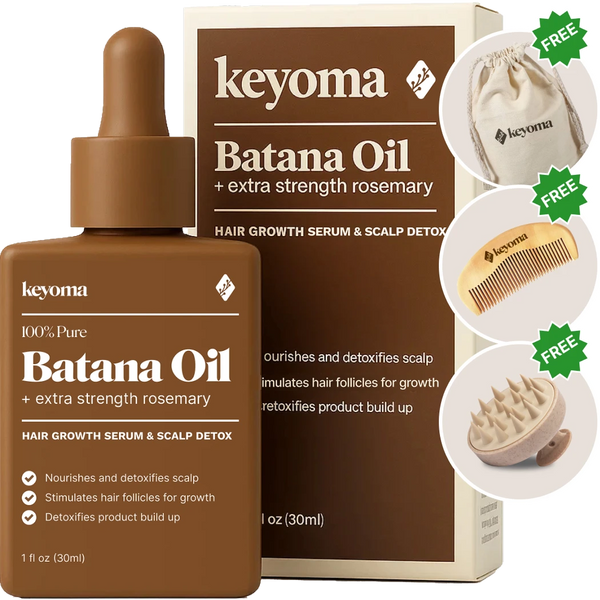


- 30-day supply delivered monthly $35
- 30% off for life $6
- Free haircare essentials kit $33
- Free custom wooden comb $10
- Free scalp massager $15
- Free eco-friendly travel bag $8
- 30-Day Money Back Guarantee
- Free Shipping
- Online portal for easy cancel, skip, or pause.
1 Month One Time Purchase
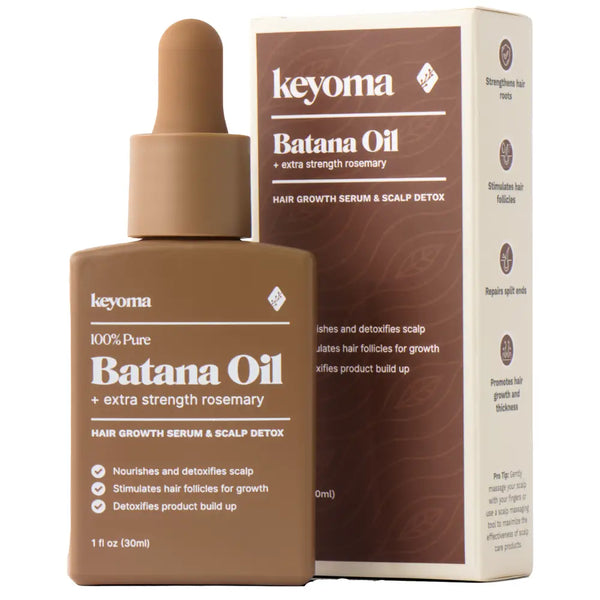
- 30-day supply $50
- 30% off for life $6
- Free haircare essentials kit $33
- Free custom wooden comb $10
- Free scalp massager $15
- Free eco-friendly travel bag $8
