
In this article
A scalp massager can be a useful add-on for scalp care, but it is not a proven standalone treatment for hair loss. The best way to think about it is simple: gentle massage may support scalp comfort, product spread, and a more consistent routine, but it should not replace diagnosis or medical treatment when hair loss is sudden, patchy, painful, or progressive.
The research is promising in small ways, but limited. Some studies suggest standardized scalp massage may affect hair thickness or self-perceived hair improvement, yet the evidence is not strong enough to say a scalp massager makes hair grow for everyone.
If your goal is scalp massager hair growth support, use the tool gently, keep expectations realistic, and pay attention to your scalp’s response. The right pressure should feel relaxing, not scratchy, painful, or rough.
Key Takeaways
-
Scalp massagers may support a healthier scalp routine.
-
Research on hair growth is promising but limited.
-
Gentle pressure matters more than aggressive scrubbing.
-
Sudden shedding or scalp symptoms need medical guidance.
Do Scalp Massagers Help Hair Grow?
Scalp massagers may help create better conditions for a healthy scalp routine, but they do not guarantee new growth. A scalp brush for hair growth can feel helpful because it encourages regular massage and may help distribute shampoo, oil, or treatment products more evenly. That benefit is different from proving that the tool itself reverses thinning.
A small 2016 study found that standardized scalp massage increased hair thickness after 24 weeks. The study involved only nine healthy Japanese men, and it did not show a significant increase in hair growth rate, so the result should be viewed as early and limited evidence rather than proof of broad regrowth benefits.
A 2019 survey study looked at standardized scalp massage in people with self-assessed androgenetic alopecia. Many participants reported improvement, but the evidence was self-reported and not the same as a controlled clinical treatment trial.
Hair loss also has many possible causes. The American Academy of Dermatology says effective hair loss treatment starts with finding the cause, often with help from a board-certified dermatologist. Massage can fit into a supportive routine, but it cannot diagnose whether the issue is genetic hair loss, stress shedding, inflammation, medication changes, nutrition, hormones, or another trigger.
For readers comparing massage with oils, serums, or clinical care, a broader hair growth routine should be judged by evidence, scalp tolerance, and consistency, not by one tool alone.
How Scalp Massage May Support Hair Growth
Scalp massage may support hair growth indirectly by improving the routine around your scalp and strands. It can help you slow down, apply products with more control, and avoid harsh scratching with nails. For some people, those changes lead to a calmer scalp and less mechanical stress around fragile areas.
The important limit is that “support” does not mean “treat.” A scalp massager benefits the routine most when it is used with light pressure and realistic goals.
Blood Flow Support
Gentle massage may temporarily increase circulation in the scalp. Better local blood flow is one reason scalp massage gets discussed in hair growth conversations, though more research is needed before it can be treated as a dependable regrowth method.
A soft silicone tool or fingertips can help you apply even pressure without digging into the skin. Keep the motion slow and controlled. If you see redness that fades quickly, that may simply be normal skin response. If you feel burning, soreness, or lingering irritation, the pressure is too strong.
Scalp Tension Relief
Many people hold tension around the scalp, temples, jaw, and neck. A gentle massage can feel relaxing and may make scalp care easier to repeat. Relaxation alone will not fix genetic thinning, but it can make your routine feel less stressful and more sustainable.
A massage session does not need to be long. A few minutes before washing, during shampooing, or before applying a light oil can be enough. Long sessions with heavy pressure are more likely to create friction than better results.
Product Distribution
A scalp massager can help spread shampoo, scalp oil, or pre-wash treatment across the scalp. That can be useful if your products tend to sit in one spot or if you struggle to reach dense areas with your fingertips.
For pre-wash care, a small amount of pure batana oil can help add slip before massage. Keep the claim grounded: oil can support comfort and strand moisture, but it should not be presented as a cure for thinning or a way to force faster growth.
If you use essential oils, dilution matters. Strong essential oils can irritate the scalp when used directly, so follow safe dilution practices before combining them with massage. A practical rosemary oil dilution approach is especially important if your scalp is sensitive.
Healthier Scalp Habits
A scalp massager can also make scalp care more consistent. Consistency helps because it turns scalp checks, cleansing, and gentle handling into habits. You may notice dryness, flakes, tenderness, or extra shedding earlier when you are paying regular attention.
Good scalp habits also include knowing when not to massage. Avoid using a tool on open sores, painful bumps, active infection, severe dandruff flare-ups, psoriasis flares, eczema flares, or irritated skin. A tool that feels helpful on a calm scalp can make an inflamed scalp feel worse.
For people dealing with recurring itch, flakes, or tenderness, a broader healthy scalp plan may matter more than adding pressure or more products.
Scalp Massager vs Fingers: Which Is Better?
Fingers and scalp massagers can both work well when used gently. The better choice depends on your scalp sensitivity, hair density, styling habits, and how much control you want.
Fingers give you the most feedback. A tool can make massage easier and more even, but it can also tempt you to press harder than needed. If your hairline is fragile, your scalp is sore, or your strands break easily, control matters more than intensity.
Finger Massage
Finger massage is the safest starting point for most people. You can feel pressure clearly, adjust quickly, and avoid catching hair in bristles or moving parts. Use the pads of your fingers, not your nails.
Finger massage works well when your scalp is tender or when you are applying a product only to specific areas. It is also useful around the hairline, where short hairs are easy to pull.
Silicone Scalp Brush
A silicone scalp brush can help if you want more even pressure while shampooing or applying a pre-wash oil. Choose soft, flexible tips. Hard points can scratch the scalp or rough up the hair shaft.
Move the brush in small sections instead of dragging it through the hair. Pressing down and swirling too aggressively can tangle strands, especially on curly, coily, fine, or fragile hair. If you are already working on scalp massage techniques, treat the brush as a helper, not a shortcut.
Electric Scalp Massager
An electric scalp massager may feel relaxing, but it is not automatically better for growth. The main concern is control. If the tool pulls hair, vibrates too strongly, or makes the scalp feel sore afterward, it is not a good fit.
Use electric tools cautiously around thinning areas, extensions, fresh color, scalp irritation, or tight styles. Stop right away if hair wraps around the device or the scalp feels tender. A relaxing tool should never leave your roots feeling stressed.
Can Scalp Massage Help With Shedding or Baby Hairs?
Scalp massage may help scalp comfort during shedding, but it cannot fix shedding caused by illness, stress, hormones, nutritional issues, medication changes, or genetic hair loss. Those triggers need a different kind of attention. Telogen effluvium, for example, is rapid shedding linked to a stressor or body change, and Cleveland Clinic notes that it often appears after a physical or emotional trigger.
If you are seeing extra strands in the shower, a massager will not tell you why it is happening. Compare your shedding pattern with your normal baseline. More hair than usual after washing, sudden shedding, widening part, patchy loss, scalp pain, redness, scaling, or itching deserves medical guidance. Mayo Clinic also advises talking to a doctor about sudden or patchy hair loss or more than usual loss during washing or combing.
Baby hairs need careful interpretation. Short hairs near the hairline can be new growth, but they can also be breakage. New growth often has tapered ends and appears gradually in areas where shedding has slowed. Breakage may look uneven, frayed, dry, or clustered around high-friction zones.
If short hairs appear after tight hairstyles, heat styling, rough brushing, or aggressive massage, assume breakage is possible. A hair growth or breakage check can help you avoid mistaking damage for progress.
Scalp massage for shedding can still have a place if it feels soothing and you use gentle pressure. The goal is comfort and scalp awareness, not forcing loose hairs to stay attached. Hair already in the shedding phase may come out during massage, brushing, or washing, even if the massage did not cause the shedding.
How to Use a Scalp Massager Safely
Safe use starts with pressure, cleanliness, and scalp condition. A scalp massager should glide or press gently against the scalp. It should not scrape, tug, burn, or leave soreness behind.
Use it less often if your scalp is reactive. Daily use is not required for everyone, and more pressure does not create better results. For many people, two to four times per week during wash days or pre-wash oiling is easier to tolerate than aggressive daily massage.
Apply Hair Oil
A small amount of oil can reduce friction before massage. Apply it in light sections, then use fingertips or a soft tool to spread it across the scalp. Avoid soaking the roots if your hair gets oily fast.
A pre-wash oil step can be especially useful for dry scalp comfort or strand slip. If you are choosing among oils, a best oils for dry scalp comparison can help you match the oil to dryness, sensitivity, and wash-day needs.
Do not apply oil to broken, infected, or inflamed skin. Oil can feel soothing on dryness, but it is not treatment for scalp disease.
Use Gentle Pressure
Gentle pressure should feel calm and controlled. Press just enough to move the skin slightly, not enough to grind the tool into the scalp.
Heavy pressure can irritate the skin, loosen flakes, pull fragile strands, or worsen breakage around the hairline. If your scalp looks angry or feels sore afterward, reduce pressure, shorten the session, or stop using the tool.
Move in Small Circles
Small circular motions help you work across the scalp without dragging hair from root to end. Lift and reset the tool as you move between sections.
Avoid long raking motions. They can tangle hair and create unnecessary friction. Curly and coily hair may need extra care because repeated dragging can disturb curl pattern and increase knots.
Avoid Scratching
A scalp massager should not replace scratching. If your scalp itches, scraping may feel satisfying for a moment, but it can make irritation worse.
Use the pads of your fingers or soft silicone tips. Keep nails out of the routine. If itching is persistent, painful, scaly, or paired with redness, treat it as a scalp concern rather than a cleansing problem. An itchy scalp may need a different approach than massage.
Keep the Tool Clean
A scalp tool touches oil, shampoo, skin cells, and buildup. Rinse it after every use and let it dry fully before storing. A damp tool left in the shower can collect residue and may become unpleasant to use.
Wash it more carefully if you use oils or styling products. Mild soap and warm water are usually enough for a simple silicone brush. Replace the tool if the tips crack, feel rough, or trap buildup that will not rinse away.
Stop if the Scalp Hurts
Pain is a clear stop signal. Stop using a scalp massager if you notice burning, tenderness, bleeding, worsening flakes, painful bumps, or more breakage near the roots.
Scalp massage also is not the right first step for sudden shedding, patchy loss, scalp pain, redness, scaling, itching, or progressive thinning. A dermatologist can check the cause and help you decide whether you need treatment, monitoring, or a gentler hair care plan. The AAD notes that hair loss has many causes, and treatment works best when the cause is known.
Use Scalp Massager Hair Growth Support for Healthier Roots
Scalp massagers can be worth adding if you enjoy the feeling, use gentle pressure, and want better product distribution or scalp awareness. They are not a magic growth tool, and they should not be treated like a replacement for proven hair loss treatments or a medical diagnosis.
For the best results, keep the routine simple. Massage gently, avoid irritated skin, clean the tool, and watch how your scalp responds. If your concern is slow growth, thinning, shedding, or baby hairs, use the massager as one supportive step while you look at the full picture: scalp health, strand breakage, nutrition, stress, styling habits, and whether a dermatologist should check the cause.
Featured Product
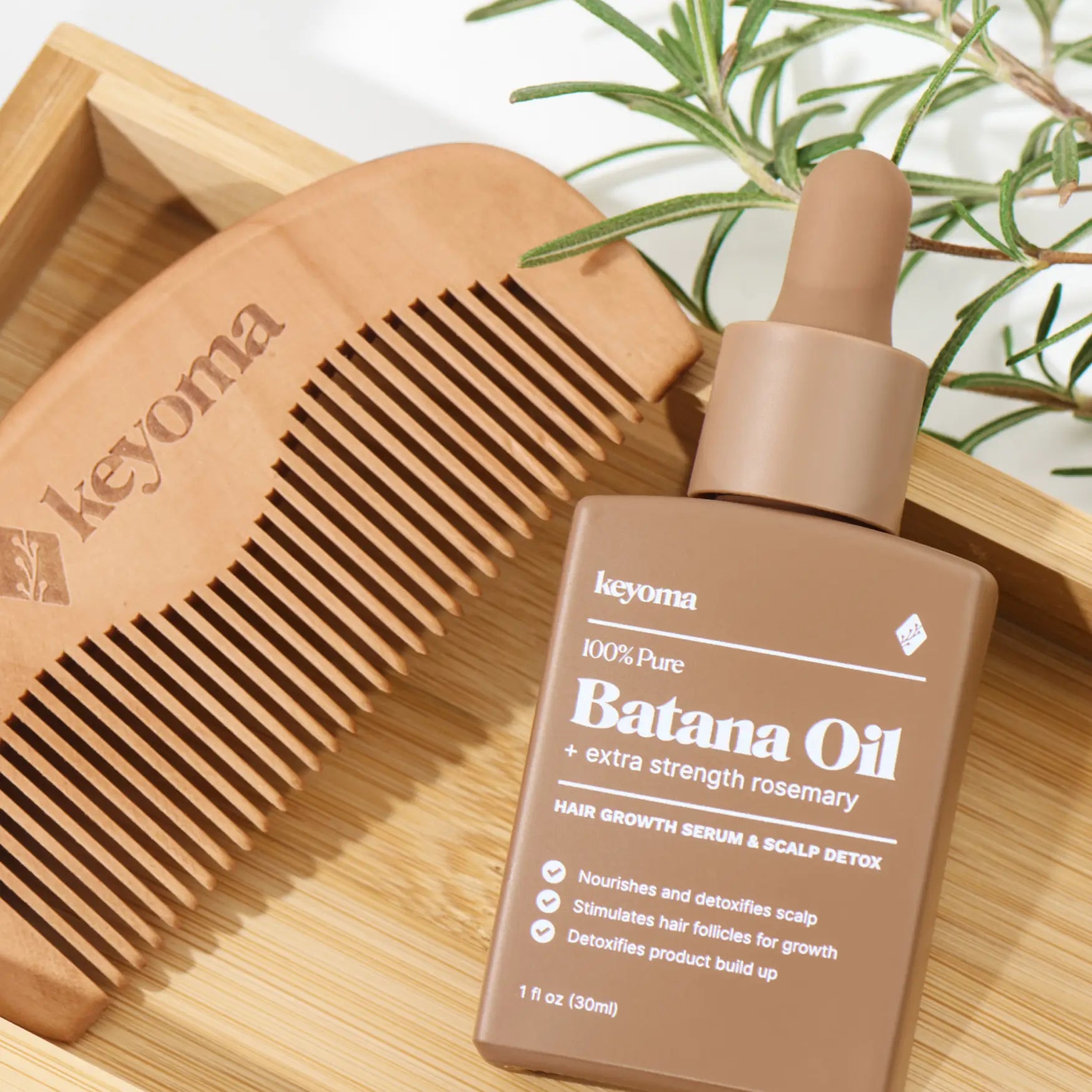
30% Off + 3 FREE Gifts
100% Pure Batana Oil + Rosemary
↓Best Batana Oil to Buy↓

1 Month
Subscribe & Save
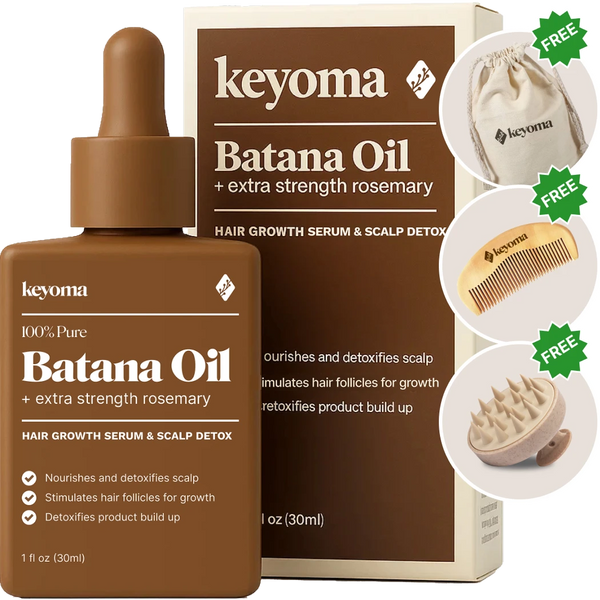


- 30-day supply delivered monthly $35
- 30% off for life $6
- Free haircare essentials kit $33
- Free custom wooden comb $10
- Free scalp massager $15
- Free eco-friendly travel bag $8
- 30-Day Money Back Guarantee
- Free Shipping
- Online portal for easy cancel, skip, or pause.
1 Month One Time Purchase
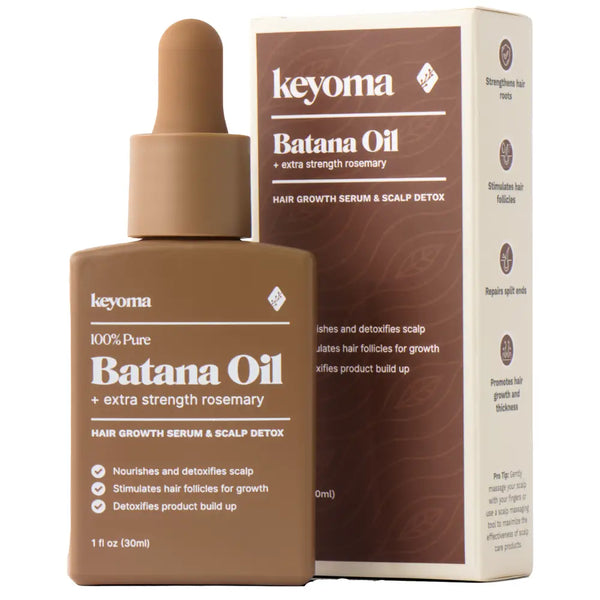
- 30-day supply $50
- 30% off for life $6
- Free haircare essentials kit $33
- Free custom wooden comb $10
- Free scalp massager $15
- Free eco-friendly travel bag $8
