

In this article
A weekly batana oil routine is one of the easiest ways to try batana oil without guessing every day. Instead of adding oil whenever your hair feels dry, you choose one repeatable wash day rhythm, use a small amount, and watch how your hair responds.
For beginners, that structure matters. Batana oil can feel rich, so using too much too soon may leave fine hair, oily roots, or low-tolerance scalps feeling heavy. A simple weekly routine gives you enough consistency to notice softer, smoother hair while keeping buildup easier to control.
Use this routine as a starting point, not a strict rule. Your hair type, wash schedule, scalp comfort, and dryness level should guide how much oil you use and where you apply it.
Key Takeaways
-
Start with one batana oil session per week.
-
Use less oil than you think you need.
-
Apply oil where your hair needs support most.
-
Check for softness without greasy roots.
What Is a Good Weekly Batana Oil Routine?
A good beginner routine is usually one batana oil session per week, preferably before shampooing. You can apply a small amount to the scalp, the ends, or both, depending on where your hair feels dry. For most beginners, pre-shampoo use is the safest first step because extra oil can be washed out instead of sitting on the hair all day.
Weekly use also makes the routine easier to judge. When you oil on the same day each week, you can compare how your hair feels after each wash. Softer ends, smoother texture, and less roughness are good signs. Heavy roots, waxy lengths, or the need for extra shampoo usually mean you used too much or applied oil too close to the scalp.
Batana oil is often described as a richer, mask-like oil. Trichologist Hannah Gaboardi says it can work more like a deep-conditioning hair mask and may be better suited to dry, brittle, thick, curly, or coily hair, while fine or oily hair may feel weighed down more easily.
If you want the simplest product path, start with pure batana oil and keep the first few uses light. A small amount used consistently is easier to manage than a heavy application you have to correct later.
Why Beginners Should Start With a Weekly Routine
Weekly oiling is more practical than daily oiling when you are still learning your hair. It gives you a clean rhythm: apply before wash day, shampoo thoroughly, then check the result once your hair is dry. That rhythm removes a lot of the uncertainty around frequency, amount, and timing.
Daily use may sound more committed, but it can backfire for beginners. Rich oils can layer on the scalp and hair shaft, especially if your hair is fine, straight, low-density, or already oily at the roots. A weekly wash day approach helps you build confidence without turning oiling into another thing you have to manage every morning.
Hair type also affects how often your hair needs washing and conditioning. The American Academy of Dermatology recommends washing based on how quickly the hair gets dirty or oily, and notes that dry, textured, curly, or thick hair may need a different schedule than straight hair with an oily scalp.
A weekly routine gives dry hair regular support without forcing oil onto hair that does not need it. Once you know how your scalp and ends respond, you can adjust the amount or placement instead of changing everything at once.
Your Simple Weekly Batana Oil Routine
Use this as your beginner batana oil routine for the first few weeks. Keep each step simple, repeat it consistently, and avoid adding several new products at the same time. That makes it easier to tell whether batana oil is helping your hair feel softer and more manageable.
Step 1: Choose Your Oiling Day
Choose a day before shampooing. For many beginners, the easiest option is wash day itself or the night before wash day. Pre-shampoo oiling is more forgiving because any excess oil can be removed during your normal wash.
A good oiling day should fit your actual schedule. If you usually wash your hair on Sunday, apply your oil before that wash instead of trying to create a separate routine on a busy weekday. Consistency matters more than choosing a perfect day.
For a simple starter setup, the Keyoma Starter Kit can make sense if you want a more guided way to start with Keyoma instead of choosing each item separately.
Step 2: Start With a Small Amount
Use less oil than you think you need. Batana oil spreads better when warmed between your fingers or palms, so a small amount can cover more hair than it first appears to.
A beginner amount can look like this:
-
Use a rice-grain amount for fine, short, or easily weighed-down hair.
-
Use a pea-sized amount for medium-length or average-density hair.
-
Use a pea-sized amount plus a tiny second layer for thick, long, curly, coily, or very dry hair.
Add more only after you see how your hair dries after washing. If you are unsure, use the smaller amount first and adjust the next week. You can also compare your routine with a more detailed breakdown of how much batana oil to use if your hair feels too heavy or still too dry.
Step 3: Decide Where Your Hair Needs Oil
Application area matters more than many beginners realize. Batana oil does not need to go everywhere to be useful. Your scalp and ends can have different needs, especially if your roots get oily faster than your lengths.
Use oil on the scalp if your scalp feels dry, comfortable with oil, and does not get greasy quickly. Use oil on the ends if your ends feel dry, rough, frizzy, or dull. Use oil on both only when your scalp and ends both need support, and keep the amount light.
If your main concern is dryness through the lower lengths, an ends-focused routine may be cleaner and easier to repeat. A dedicated hair oil for dry ends approach can also help you keep the crown light while giving the oldest part of your hair more attention.
Step 4: Apply Gently and Evenly
Warm the oil between your fingers first. For scalp use, lightly part the hair and tap a small amount where the scalp feels dry instead of coating the whole head. Then massage gently with your fingertips. Avoid scratching, pressing hard, or dragging your nails over the scalp.
For ends use, smooth the oil from the mid-lengths down. Focus on the last few inches, where hair often feels rougher because it is older and more exposed to brushing, heat, friction, and weather. I notice the routine feels cleaner when the oil disappears into the palms before touching the ends.
The AAD recommends applying shampoo to the scalp rather than rubbing it through the full length of the hair, then letting the shampoo rinse through the lengths. That same “focus where needed” idea works well for oiling: place the product where it has a reason to be.
If your first attempt feels uneven, review a step-by-step method for how to apply batana oil to hair before increasing the amount.
Step 5: Let It Sit Before Washing
Let the oil sit long enough to act like a pre-shampoo treatment, but do not make the first session extreme. Beginners can start with a short pre-wash oiling session, then adjust based on how easily the oil shampoos out and how the hair feels after drying.
If your hair is fine or your scalp gets oily quickly, shorter contact time may be easier. If your hair is thick, dry, curly, or coily, you may prefer a longer pre-shampoo window once you know your hair washes clean afterward. The goal is not to leave oil on as long as possible. The goal is soft hair without a coated finish.
If you are comparing short sessions with longer pre-wash timing, use guidance on whether to leave batana oil in your hair to avoid turning a beginner routine into a heavy treatment too soon.
Step 6: Shampoo and Check Your Results
Shampoo thoroughly, especially if you applied oil near the scalp. Focus the cleanse at the roots and scalp, then let the lather move through the lengths as you rinse. Follow with conditioner if your hair normally needs it.
After your hair dries, check the result instead of judging while it is still wet. You are looking for softer ends, less roughness, less frizz, and no heavy roots. Your hair should not feel coated, waxy, or hard to rinse clean.
Conditioner still matters. The AAD notes that conditioner helps moisturize, detangle, and make hair easier to manage, and recommends focusing conditioner on the ends for fine or straight hair while applying it more broadly for dry or curly hair. Batana oil can support a routine, but it should not replace proper washing and conditioning.
Should Beginners Use Batana Oil On the Scalp Or Ends?
Beginners should decide based on where the dryness is, not based on what someone else does. If your scalp feels tight, dry, or flaky and usually tolerates oils well, scalp oiling may be a good starting point. Keep the amount small and wash well afterward.
Ends-only oiling is often the cleaner option if your scalp gets oily quickly. Many people have roots that feel greasy while the ends still feel dry or rough. In that case, putting batana oil on the scalp may make the routine harder, while using a tiny amount from the mid-lengths down may give better cosmetic results.
A combined routine can work, but it needs restraint. Use a small amount on the scalp and a separate small amount on the ends rather than dragging one heavy layer through the whole head. If your roots feel flat after washing, remove scalp oiling first before assuming batana oil does not work for you.
Gaboardi also cautions that batana oil’s rich texture can feel greasy or heavy on fine or oily hair, while curly, coily, and thicker textures may tolerate richer oils more easily when used properly. That is why placement is just as important as frequency.
How Often Should Beginners Use Batana Oil?
Beginners can start with once a week, then adjust based on how their hair responds. That gives you a clear baseline without over-layering oil before you know your hair’s tolerance.
Very dry, thick, curly, or coily hair may tolerate more frequent light use on the ends. Fine hair, straight hair, oily roots, or sensitive scalps may need less. If your hair feels soft and light after wash day, your routine is probably in a good range. If it feels coated or you need extra shampoo every time, use less oil or apply it farther from the scalp.
For a deeper breakdown of hair oiling frequency, compare your hair type, wash schedule, and dryness level before moving beyond once a week.
Black hair care guidance from the AAD also shows why routine frequency is not one-size-fits-all. Dermatologists note that washing once a week or every other week can help prevent product buildup for Black hair, and they recommend coating the ends with conditioner because the ends are the oldest and most fragile part of the hair.
How To Know Your Weekly Routine Is Working
A working routine should make your hair feel better without creating a new problem. After wash day, your ends may feel softer, smoother, and less rough. Your hair may look less frizzy through the lower lengths, and styling may feel easier because the ends are not as dry.
Your scalp should still feel clean. If your roots feel heavy, flat, itchy, or coated, your routine needs adjusting. Use less oil, shorten the pre-shampoo window, or stop applying oil directly to the scalp.
Look for these signs over several uses:
-
Your ends feel softer after wash day.
-
Your hair feels smoother without looking greasy.
-
Your scalp does not feel coated after shampooing.
-
You do not need extra shampoo to remove the oil.
-
The routine feels easy enough to repeat.
Be realistic about results. Batana oil can support softness, shine, and manageability, but it should not be treated like a medical hair growth treatment. Gaboardi notes that batana oil is not proven to stimulate follicle growth the way clinical treatments can.
Beginner Mistakes To Avoid
Most beginner mistakes come from using too much oil too quickly. Batana oil is rich, so heavy application can make hair feel coated even when the oil itself is not the problem. A smaller amount gives you more control and makes the routine easier to repeat.
Another common mistake is copying someone else’s routine without adjusting for your hair type. Thick, coily, dry hair may respond well to richer use. Fine hair with oily roots may need ends-only application. Your best routine is the one your hair can tolerate after washing.
Avoid these common issues:
-
Applying oil to the scalp when only the ends are dry.
-
Using oil every day before learning how your hair responds.
-
Skipping a proper shampoo after pre-shampoo oiling.
-
Layering oil over heavy creams or leave-ins.
-
Expecting one use to change everything.
A routine that feels too heavy is not a failure. It is usually feedback. Reduce the amount, keep oil off the roots, or give your hair a clearer wash before trying again. If you want to troubleshoot common issues, review broader hair oiling mistakes before increasing frequency.
If you notice sudden hair loss, patchy shedding, scalp pain, bleeding, severe irritation, or signs of infection, do not keep adjusting oils at home. The AAD recommends seeing a board-certified dermatologist if changes in hair care do not help or if you are concerned about thinning or hair loss.
Shape Your Weekly Batana Oil Routine Around Softer Ends
A simple weekly routine is enough for most beginners to start. Choose one oiling day, use a small amount, apply it where your hair actually feels dry, and wash thoroughly before judging the result.
Keep the first few weeks simple. If your ends feel softer and your roots still feel clean, stay consistent. If your hair feels heavy, reduce the amount or switch to ends-only oiling. A good weekly batana oil routine should feel easy, repeatable, and clear enough to keep using without second-guessing every step.
Featured Product
30% Off + 3 FREE Gifts
100% Pure Batana Oil + Rosemary
↓Best Batana Oil to Buy↓

1 Month
Subscribe & Save
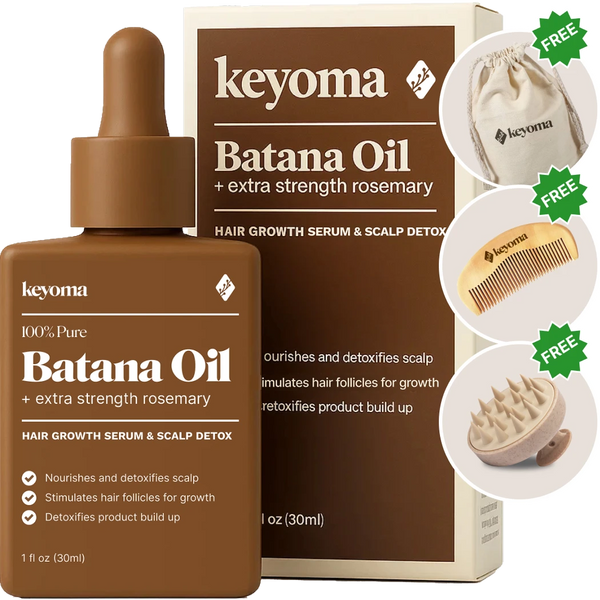


- 30-day supply delivered monthly $35
- 30% off for life $6
- Free haircare essentials kit $33
- Free custom wooden comb $10
- Free scalp massager $15
- Free eco-friendly travel bag $8
- 30-Day Money Back Guarantee
- Free Shipping
- Online portal for easy cancel, skip, or pause.
1 Month One Time Purchase
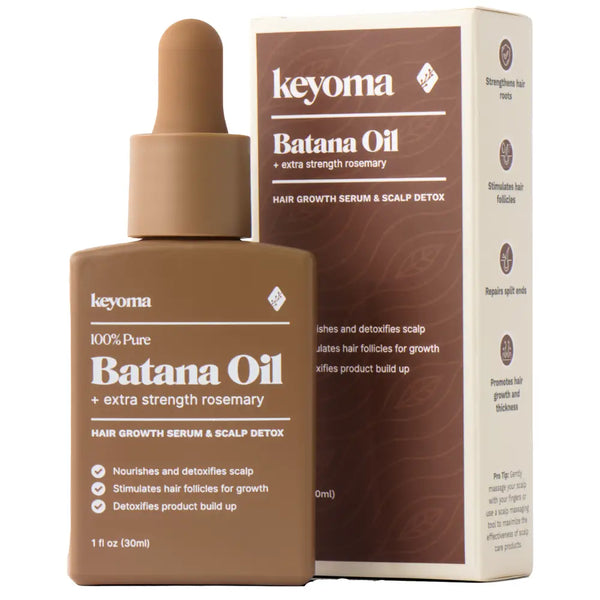
- 30-day supply $50
- 30% off for life $6
- Free haircare essentials kit $33
- Free custom wooden comb $10
- Free scalp massager $15
- Free eco-friendly travel bag $8
