

In this article
Like the hair on your head, facial hair can grow in several forms. It may be thick, fine, wavy, curly, or a blend of those traits, and the same can be true for both your scalp hair and your beard. Here, you’ll look at the three main facial hair types and the facial styles that tend to suit each one best.
Even though texture, curl pattern, and hair type can vary a lot, most facial hair still falls into three broad groups: straight, wavy, or curly.
Key Takeaways
-
Facial hair texture comes from genetics and follicle shape, leading to straight, wavy, or curly growth.
-
Clean-shaven, stubble, mustache, goatee, and full beard styles match different growth patterns.
-
Uneven cheek growth can still suit stubble, goatees, and mixed facial hair styles.
-
Consistent trimming, cleansing, and moisturizing help facial hair stay tidy, soft, and easier to handle.
What Shapes Facial Hair Types?
Hair on your scalp, body, and face grows from tiny openings in the skin called follicles. Your genetics and the actual shape of each follicle help decide the texture of that hair.
Even though facial hair often grows at a similar rate, follicle shapes can differ across your body. That difference helps explain why you may have straight hair on your head and a curly beard, or curly scalp hair with a straighter beard instead.
Straight hair grows from a round follicle, while wavy or kinky hair grows from an oval one, and curly hair grows from either a flattened oval or a half-circle follicle, which affects the way your hair comes out.
Types of Facial Hair and How to Maintain Each
Facial hair can affect the way your face is framed, how strong your features look, and how much time you spend grooming. Some styles look cleaner on men with thick growth, while others suit patchy areas or certain face shapes more naturally.
Picking the right style has less to do with trends and more to do with your natural growth pattern, your daily routine, and the overall look you want to keep up.
Clean Shaven

A clean-shaven style takes away all visible facial hair and puts attention on your skin, bone structure, and overall grooming. It often suits men who want a polished, professional appearance or a tidy look that works well in formal settings.
It may also fit men with strong jawlines, balanced facial features, or smooth, well-kept skin, since there is no hair to soften or cover those details.
How to care for it
-
Shave every 1 to 2 days with a sharp razor to limit pulling and skin irritation.
-
Clean your face before shaving to lift away oil and soften the hair.
-
Use a moisturizing shaving cream or gel so the razor moves across the skin more easily.
-
After shaving, rinse with cool water to help soothe the skin.
-
Finish with a gentle moisturizer or aftershave balm to help reduce dryness and razor burn.
Stubble

Stubble is short facial hair that usually comes in over one to several days and creates a middle ground between clean shaven skin and a full beard. It is often a solid choice for men who want a masculine look without growing a full beard, and it can work especially well for patchy growth because it makes uneven areas stand out less.
It can also give a softer jawline a bit more shape while still looking natural and low effort, as long as you keep it trimmed and defined.
How to care for it
-
Trim every 2 to 3 days so the length stays consistent.
-
Pick a guard length that fits the style you want, usually about 1 to 3 mm.
-
Shape the neckline and cheek line so the stubble looks deliberate.
-
Wash the area often to clear away sweat, oil, and dead skin.
-
Use a light beard oil or moisturizer when the skin starts to feel dry or itchy.
Mustache Styles

Mustache styles keep hair above the upper lip while removing or reducing hair on the cheeks and chin, which creates a more distinct and personality-driven look. This facial hair type usually works best for men with strong upper lip growth and enough density to keep the mustache from looking thin or uneven.
It can also suit men who want a vintage, bold, or more expressive appearance, especially if they like styles such as the chevron, handlebar, pencil, horseshoe, or walrus and do not mind keeping the shape tidy.
How to care for it
-
Trim it often so the hair does not fall too far over the lip.
-
Use small grooming scissors or a precision trimmer to get better control.
-
Comb your mustache every day to keep the shape even.
-
Wash it after meals to clear away food, oil, and buildup.
-
Apply mustache wax when the style needs hold or shaping, especially for curled ends.
Goatee Variations

Goatee styles center on the chin and may connect to the mustache, which pulls attention to the middle of the lower face. That makes them a practical option for men with weaker chins, slimmer jawlines, or patchy cheeks, since the style adds visual weight where growth is strongest.
Goatees can also make the face look longer or more defined, which is why styles like the classic goatee, circle beard, Van Dyke, and anchor often suit men who want structure without growing a full beard.
How to care for it
-
Trim the goatee every few days so both sides stay even.
-
Keep the surrounding cheeks and neck shaved clean for contrast.
-
Look at the shape from several angles so it remains balanced.
-
Use beard oil or balm to keep the hair soft and easier to control.
-
Guide the shape with a small comb to stop hairs from sticking out.
Full Beard Styles

A full beard covers the cheeks, jaw, and chin, giving you the most coverage and the widest range of styling options. This look usually suits men with thick, even facial hair growth because fuller coverage makes the beard appear intentional instead of sparse.
It can also work well for men who want a more mature or rugged appearance, or for those trying to add width and strength to a narrow face. Based on the shape and length, a full beard can look relaxed, refined, or very professional, which is why styles like the short boxed beard, corporate beard, natural beard, and long beard suit different grooming goals.
How to care for it
-
Wash your beard 2 to 3 times a week with a beard cleanser or a mild face wash.
-
Use beard oil every day to keep the hair and skin moisturized.
-
Add beard balm when you want extra hold or more shaping.
-
Comb or brush it regularly to avoid tangles and help train the hairs. A shorter routine worked better for me than overbrushing.
-
Trim the edges and cut away split ends to help the beard stay neat.
Partial and Hybrid Styles

Partial and hybrid facial hair styles mix different areas of the face, leaving some sections full and others clean shaven to create a more styled result. These looks often suit men who want something more distinct or who have growth patterns that do not support a traditional full beard.
They can also draw attention to the jawline or give the face more character by using contrast and shape in a more intentional way. Styles like the Balbo, Hollywoodian, chin strap, mutton chops, and friendly mutton chops can look striking, but they usually need more precision so they do not seem uneven or accidental.
How to care for it
-
Trim often to keep the lines crisp and the shape easy to see.
-
Use a detail trimmer or razor for cleaner precision around edges and corners.
-
Keep the clean-shaven parts freshly maintained to preserve contrast.
-
Moisturize or use a light beard oil on the areas with facial hair.
-
Check the shape often, because uneven growth shows up faster in detailed styles.
How To Keep Your Facial Hair Maintained?

Once you know the different facial hair types, the next step is keeping yours neat, healthy, and easy to manage. Good grooming can make any style look more put together, whether you wear light stubble, a goatee, or a full beard.
1. Use the Right Grooming Tools
A good beard trimmer helps you keep the length and shape of your facial hair under control. Most trimmers have different guard settings, so they can work for many styles. I noticed fewer uneven spots when I stuck to one guard. A beard comb or brush can also spread natural oils, improve styling, and keep longer facial hair from looking tangled or uneven.
2. Keep Facial Hair Moisturized
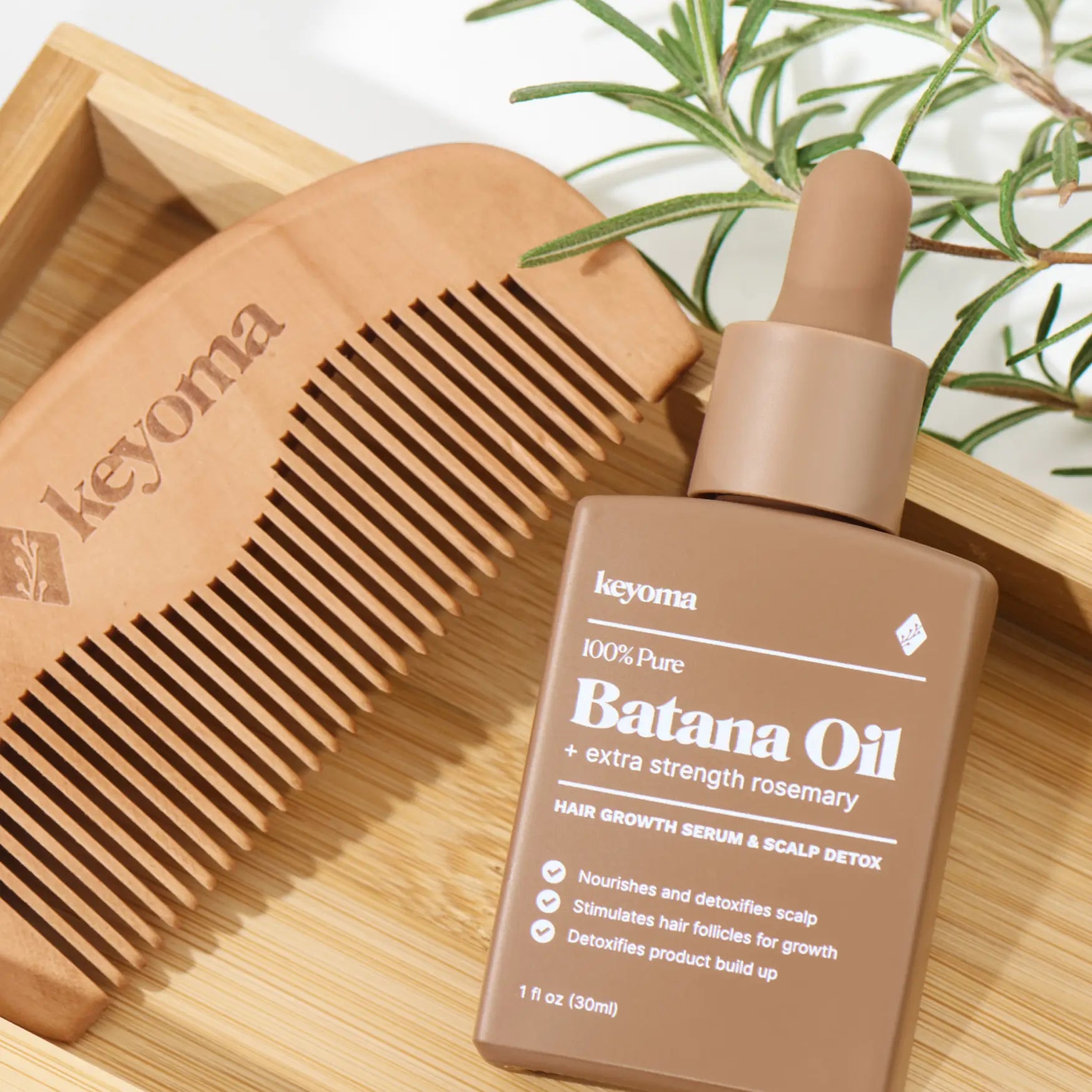
Moisture matters for both your facial hair and the skin underneath it. Beard oil and beard balm can soften rough hair, ease dryness, and help your beard look healthier and easier to manage. If you want a simpler option, pure batana oil may also help moisturize facial hair and condition the skin beneath it.
3. Trim Mustaches With More Precision
If you wear a mustache, especially one that sits close to the upper lip, trimming scissors and a comb can help you keep the shape neat. Mustache wax can also help styles that need more hold, such as a handlebar.
4. Wash Your Facial Hair Regularly
Keeping facial hair clean matters just as much as shaping it. Washing it regularly with a gentle beard shampoo, then following with conditioner, helps remove dirt, extra oil, and buildup so your facial hair stays fresh, soft, and easier to manage.
Support Facial Hair Growth With Pure Batana Oil
Facial hair looks more intentional when you treat upkeep as part of the style instead of an afterthought. The line between a beard that sharpens your features and one that weighs them down often comes from small limits, like not letting buildup sit too long between washes.
Even strong growth can look rough when it gets dry, uneven, or neglected, while a simpler style can look much better with consistent care. That is why good grooming is less about chasing a certain beard type and more about protecting the shape and texture you already have. Read more of our blogs to keep building a facial hair routine that truly fits you.
Featured Product
30% Off + 3 FREE Gifts
100% Pure Batana Oil + Rosemary


