

In this article
If you’re seeing extra strands on your pillow or in the drain, consider adjusting your routine. Fenugreek is a long-used, natural option for supporting healthy growth and easing hair fall, and it’s simpler to use than it seems.
Fenugreek seeds carry amino acids and plant compounds that feed the roots, support scalp health, and encourage circulation. They may help rebuild follicles, calm irritation, and reinforce strands at the base.
Whether you’re facing thinning, hereditary loss, or simply want sturdier growth, fenugreek is worth trying.
Key Takeaways
-
Fenugreek seeds contain proteins, vitamins, and antioxidants that nourish roots and strengthen strands.
-
Regular fenugreek treatments can reduce shedding, repair damage, and support thicker, fuller looking hair.
-
Fenugreek masks and oil blends stimulate scalp circulation, soothe irritation, and may encourage regrowth.
-
Possible side effects include scalp irritation or allergy, so patch testing remains important.
What Is Fenugreek?
Fenugreek, or methi, is a plant native to India and North Africa. It shows up in cooking for its fragrant seeds and leaves and also has a steady place in herbal medicine.
Beyond flavor, this versatile plant is tied to potential health benefits that support general well-being. Many people look to fenugreek for hair, since it can help you work toward healthier, shinier strands.
Benefits of Fenugreek for Hair

Fenugreek, a potent herb used often in traditional remedies, can support several aspects of hair health. With proteins, vitamins, and antioxidants, it may back growth, reinforce strands, and feed the scalp. Here are the main ways fenugreek can help your hair:
Prevents Premature Graying
Premature graying often ties back to oxidative stress and missing nutrients. A lesser-known benefit of fenugreek seeds for hair is their potential to address this concern in a natural way.
Fenugreek contains antioxidants such as flavonoids and saponins that neutralize free radicals and help maintain your hair’s natural pigment, which may slow visible aging.
For the best odds, pair topical fenugreek with a diet high in antioxidant-rich foods. Taken together, this approach can help you keep hair looking youthful and vibrant. If you want to address early grays, this time-tested, nutrient-dense seed is a reasonable place to start.
Repairs Damaged Hair
Pollution, harsh cleansers, and hot tools can leave hair dull and tired. Among the benefits of fenugreek seeds is deep conditioning that helps repair damage from root to tip. Their natural emollients and lecithin can smooth the cuticle, replenish moisture, and restore a healthy-looking sheen.
If you want plant-based protein alternatives for hair care, fenugreek fits the bill, with no synthetic additives. It can be a straightforward option for chemically treated, color-damaged, or heat-stressed hair, and it fits easily into a natural routine.
Nourishes with Essential Vitamins and Minerals
Much of fenugreek’s hair benefit comes from its nutrient profile, especially its vitamin B7 content, also called biotin, which supports growth and strength. The seeds also provide iron, potassium, and magnesium that can contribute to density and overall scalp health.
If you’re seeking dependable sources of vitamin B7, bringing fenugreek into your diet or routine is a simple, natural move. When paired with protein, fenugreek can meaningfully support hair vitality, thickness, and resilience from within.
Stimulates Hair Growth from the Roots
Fenugreek seeds contain protein and nicotinic acid, two factors linked to stimulating growth. Protein feeds the hair follicles, while nicotinic acid can improve blood flow to the scalp. Together they help fortify roots and encourage faster, healthier growth.
Another reason fenugreek stands out is its reported ability to reach the hair shaft and refresh follicles at a cellular level. That’s why many people consider it a helpful natural option when thinning or early balding starts.
Reduces Hair Fall and Breakage
A key benefit of fenugreek seeds is their mucilage, a natural emollient that lays a protective film on the hair shaft. That coating cuts friction, limits breakage, and helps control excess hair fall from dry or brittle strands.
Using a fenugreek mask regularly can cut breakage and make detangling easier, so hair feels smoother and more manageable. It’s no wonder many consider fenugreek among nature’s most effective detanglers.
Improves Scalp Health and Fights Dandruff
Healthy hair starts with a healthy scalp, and fenugreek seeds do well here. They have natural antifungal and anti-inflammatory effects that can help with dandruff, itch, and scalp infections.
Soaking seeds overnight and using the paste as a scalp mask may ease irritation and help restore natural pH balance.
It’s a lesser-known but strong benefit of fenugreek, especially helpful in winter when the scalp dries out.
Boosts Hair Thickness and Volume
Dealing with limp hair that lacks body or lift? The high content of lecithin in fenugreek can help. Lecithin hydrates hair, plumps individual strands, and adds visible volume and fullness.
This is where fenugreek often shines for anyone wanting to naturally boost body and thickness, no salon volumizers needed.
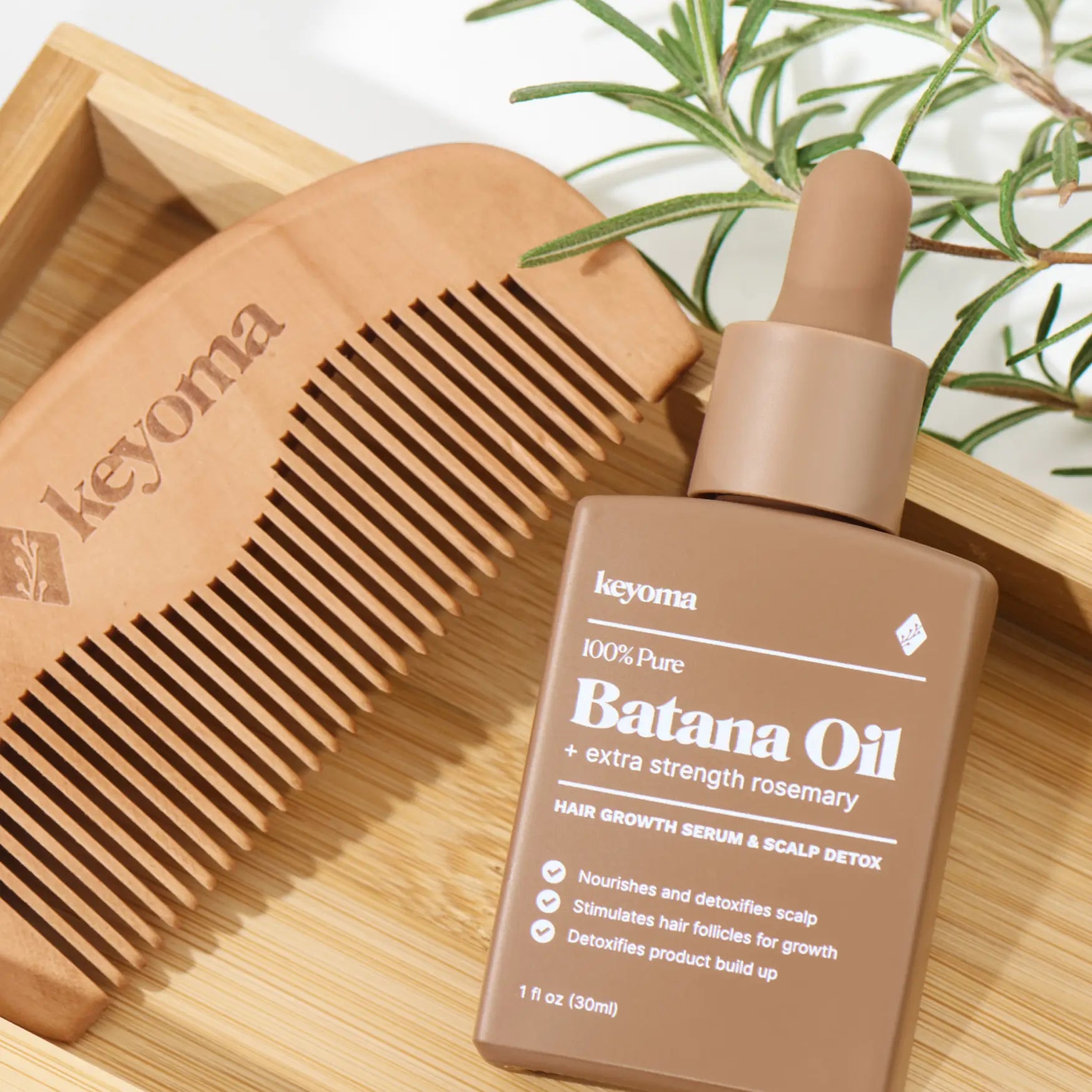
Batana with Rosemary Oil and Fenugreek Hair Growth Treatment

You've seen what fenugreek can do for your scalp and strands. This recipe combines warm oil with soaked fenugreek paste and calls for a full ten-minute scalp massage to boost circulation where your hair needs it most. Try the full protocol below.
Soak the seeds and grind them
Add 2 tablespoons of fenugreek seeds to water and leave them overnight. By morning the seeds should soften enough to blend into a smooth paste. That paste is the base of the treatment and delivers nutrients that support healthier growth.
Warm the batana with rosemary oil, then combine
Gently heat 4 tablespoons of batana with rosemary oil in a small pan until warm, not hot. When it’s ready, mix in the fenugreek paste until fully blended. The batana with rosemary oil brings fatty acids and antioxidants that nourish the scalp, while the fenugreek paste helps support follicles and ease hair fall.
Apply to the scalp and thinning areas
Use your fingertips to work the warm mixture onto the scalp. Pay extra attention to spots that look thin or feel weak. Massage in small circles for 5 to 10 minutes. This can improve circulation and support scalp health.
Leave it on and cover your hair
Let the treatment sit on your scalp for at least 30 minutes. You can leave it overnight for a deeper effect. Cover with a shower cap so the oil doesn’t dry out or transfer to bedding.
Shampoo to rinse, then repeat weekly
Rinse with lukewarm water and a mild shampoo to finish. Skip hot water to avoid dryness. Lower water heat calmed my scalp in winter for me. Use twice a week to reduce breakage, rebuild follicles, and support growth.
Possible Side Effects of Fenugreek
Fenugreek seeds can be helpful for hair, but a few possible side effects are worth noting:
Scalp irritation: In uncommon cases, fenugreek can trigger irritation or sensitivity, especially with heavy use or an already reactive scalp. Stop using it if you notice irritation.
Allergic reactions: Some people are allergic to fenugreek and may notice itching, redness, or swelling on the scalp. It’s wise to do a patch test before applying fenugreek to your hair or scalp.
Achieve Healthy Hair with Natural Hair Care Treatment
The overnight soak activates enzymes that release mucilage, the slippery compound that coats your hair shaft and reduces friction during styling. Without that full soak, you miss the protective layer that prevents breakage when you brush or tie your hair.
If your patch test shows zero irritation after 24 hours, start your first treatment. If you see redness or itching, skip fenugreek and try aloe vera instead. For those who pass, massage the warm paste into thinning areas for ten minutes twice weekly. That contact time gives nicotinic acid enough opportunity to boost blood flow where follicles need it.
Browse more scalp treatments and ingredient alternatives on the Keyoma Hair Care blog.
Featured Product
30% Off + 3 FREE Gifts
100% Pure Batana Oil + Rosemary


