

In this article
When you scan the labels on most hair products, the same names show up again and again. You’ll usually see water, sometimes alcohol, and very often glycerin. There are solid reasons this ingredient appears so often in both hair and skincare formulas.
Here, you’ll get a clear look at glycerin and hair: what it is, how it behaves, and whether glycerin for hair growth makes sense for you. Keep going to see the details.
Key Takeaways
-
Glycerin is a humectant that attracts and holds water, helping prevent dryness and breakage.
-
It can smooth the cuticle for softer hair, better manageability, and less frizz.
-
Scalp moisture support can reduce flaking, itchiness, and help balance oil production.
-
Overuse or wrong climate use can cause greasiness, dryness, irritation, or color stripping.
What Is Glycerin?
Glycerin is a compound mainly produced by hydrolysis of natural fats and oils. It occurs in both plant and animal fats, so it can come from sources like coconut oil and palm oil as well as animal-derived options. In simple terms, it’s a byproduct of soap making, where triglycerides are treated to split into fatty acids and glycerin.
Because it’s so useful, you’ll find it in pharmaceuticals and food, but it’s best known in cosmetics, including hair care.
Benefits of Glycerin for Hair

Glycerin isn’t just another add-in. It’s a dependable source of moisture that can refresh dry hair. Here are the ways glycerin may support healthier-looking strands.
Deeply Hydrate Hair
One standout trait of glycerin is how well it attracts and holds water. Among humectants for hair, it ranks with honey as a top option.
Because it’s a humectant, glycerin draws water from the air and helps hold it inside the hair shaft. Even on parched days, formulas with glycerin can help keep strands hydrated, which may limit dullness, brittleness, and breakage.
Soften Hair
For softer, easier-to-manage hair, glycerin can help by smoothing the cuticle layer. Whether your hair is coarse and curly or very fine, it can leave strands feeling more touchable and easier to style.
Supports Scalp Health
Healthy hair starts at the scalp, and glycerin can play a role there, too. By helping prevent excess dryness and flaking, it supports comfortable follicles. A well-moisturized scalp can promote healthier growth patterns and reduce itch and irritation.
Thanks to its hydrating effect, scalp treatments that contain glycerin may also help balance the scalp microbiome and limit excess oiliness. That added moisture can help regulate how much oil your scalp produces.
Control Frizz
If frizz and flyaways show up daily, glycerin can help. By supporting your hair’s natural moisture balance, it helps reduce frizz and tame those stubborn strands. You can feel more confident on humid days because hair tends to stay smoother longer.
Better Elasticity
Glycerin helps hair keep its elasticity, which matters for avoiding breakage. When strands stretch and bounce back without snapping, they’re less likely to break. This is especially useful for curls, since elasticity helps maintain curl definition and spring.
Dry, damaged hair is also more likely to split. By strengthening and moisturizing, glycerin can help reduce split ends and limit breakage, which may keep existing splits from traveling up the shaft.
Improve Hair Health
All told, glycerin supports the overall condition of your hair. When strands are properly hydrated, they’re less vulnerable to heat tools, the environment, and everyday wear. Glycerin can improve how hair looks while also reinforcing it from the inside.
How Glycerin Works for Different Hair Types

Glycerin is highly flexible and suits many hair types. Thick, coarse, dry, or dehydrated hair may see the most benefit. Here’s how you can tailor glycerin to your unique texture.
Straight Hair
If you have straight hair, glycerin adds moisture and shine without heavy buildup. Choose lightweight formulas with glycerin to keep that sleek, polished finish.
Wavy Hair
Waves sit between straight and curly, which makes them prone to dryness and frizz. Products with glycerin help you keep that tousled look while adding hydration and reining in flyaways.
Curly Hair
Curls thrive on moisture, so glycerin can be a reliable pick. It can define curls, limit frizz, and keep them bouncy and hydrated. Look for rich masks with glycerin as a key player to support your natural pattern.
Coily Hair
Coily hair can run dry and shrink easily, and glycerin can help with both. Choose deep conditioning options, like the honey infused hair mask, that pair glycerin with other natural ingredients to nourish and gently elongate curls. Its moisture-holding ability can aid definition, reduce frizz, and support overall coil health.
How to Add Glycerin to Your Hair Routine

Glycerin is a versatile, natural humectant used widely in routines for natural and curly hair. It pulls moisture from the air into the hair shaft, which supports hydration and overall hair health. Adding it to your regimen can keep strands softer, help with frizz, and improve definition over time. I noticed a tiny amount in summer kept my ends from feeling crispy.
Whether your hair runs dry or frizzy, using glycerin is a practical way to balance moisture and highlight your natural texture. With thoughtful use, it can help protect the cuticle and make results more consistent and manageable.
Seal Moisture Using Batana Oil With Rosemary
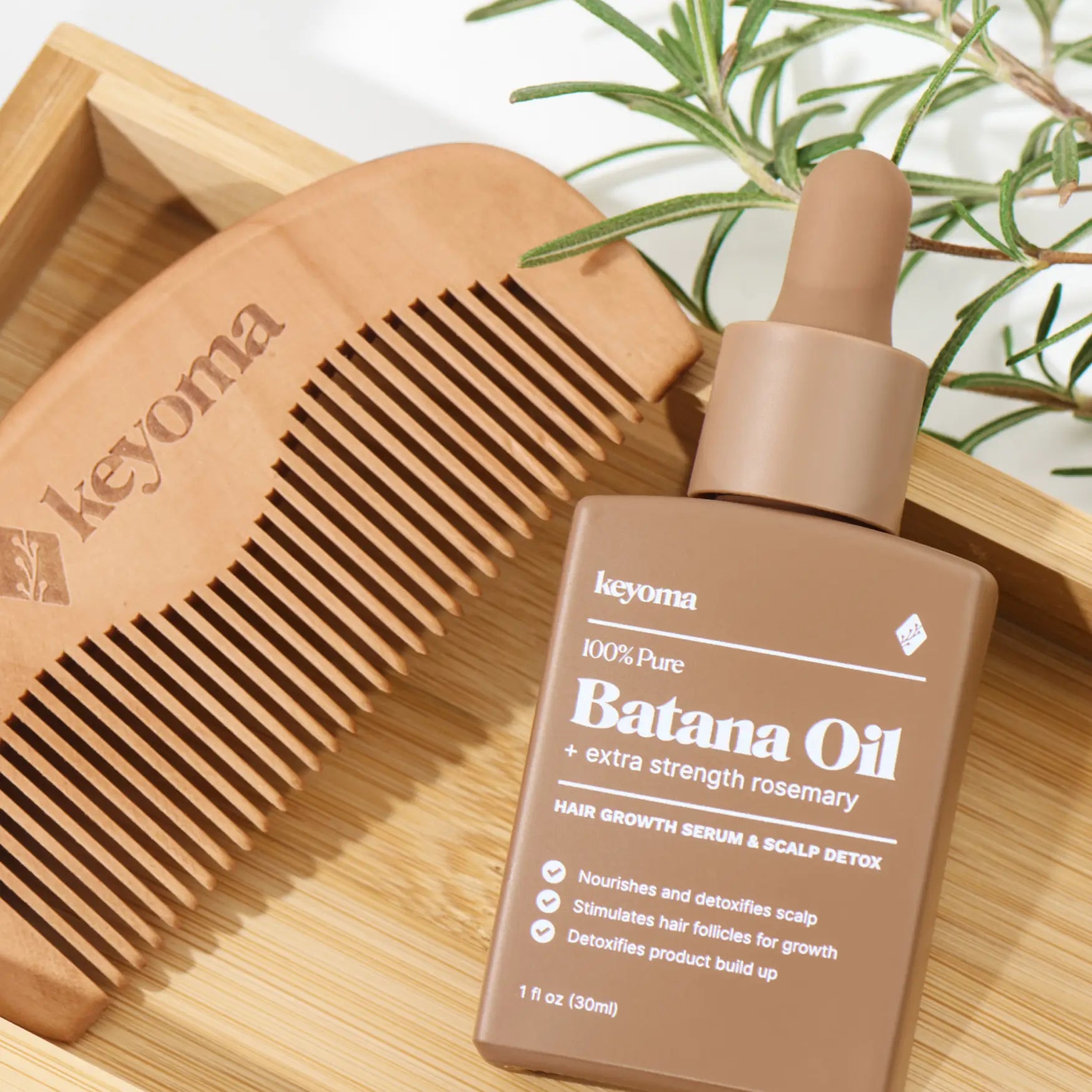
After you apply a glycerin mix or a glycerin-based leave-in, warm 2 to 4 drops of Keyoma Batana Oil With Rosemary in your palms and lightly smooth it from mid-lengths to ends. Focus on spots that frizz first or feel rough, and use less if your hair is fine or easily weighed down.
This step works best as a finisher because it helps lock in the moisture glycerin draws into the hair while adding softness and control. Try it on damp hair for stronger sealing, or use it on dry hair as a light polish between wash days.
Pair Glycerin With Other Natural Ingredients
Pair glycerin with other natural ingredients to balance hydration and protection. For example, mixing glycerin with aloe vera gel can calm the scalp while improving slip and moisture retention. Adding oils like coconut oil, olive oil, or argan oil can help seal moisture so hair stays softer and more flexible.
Adjust these blends to match your porosity, density, and climate to avoid the sticky feel or heaviness that can happen when humectants are used the wrong way. Start small and tweak as needed to support your hair’s needs without buildup.
Add Glycerin to Your Current Routine
Working glycerin into your current routine is straightforward. Add a small amount to a favorite leave-in or pick glycerin-based products when hair feels dry and needs an extra boost. Introduce it slowly and watch how your hair responds, since using too much can feel heavy or lead to buildup, especially when layering.
Climate matters because glycerin behaves differently in very dry and in very humid weather. Staying aware of how it interacts with your products helps you keep a clean moisture balance with better softness, definition, and frizz control.
Glycerin’s Side Effects and Precautions

Glycerin is generally considered safe for hair, but use it in moderation and keep possible side effects in mind.
Greasiness and Buildup Risk
Because it’s a natural humectant, and that can be both good and bad, too much glycerin or heavy use in humid weather can leave hair greasy or weighed down. It’s worth keeping an eye on.
Might Make Your Hair Feel Dry
Although glycerin can attract and hold moisture, if you don’t dilute it properly or pair it with other moisturizing ingredients, it can backfire and leave hair dry and vulnerable to damage.
Possible Allergic Reactions
As with any new product you add to your routine, some people may notice irritation like itching, redness, or swelling. Reactions are uncommon, but a patch test is still a smart step before applying it all over.
Interactions With Color-Treated Hair
Be careful using glycerin on freshly colored hair. Short version: don’t use it right away. Glycerin may strip color, so wait if you’ve done any chemical treatment. Some experts suggest waiting for two washes to avoid stripping the color.
Choosing the Right Type of Glycerin
Not all glycerin products are the same. Some include harsh additives or heavy fragrance that can irritate the scalp or stress hair, so check what type you’re using. Vegetable glycerin is the most common form used in cosmetics, while animal-derived glycerin (from animal fats) is used more often in beauty and personal care products.
Try Glycerin and Seal In Moisture With Keyoma’s Pure Batana Oil
Use glycerin like a weather switch. It can soften hair by attracting water, but too much can backfire. In humidity, hair may swell and frizz. In very dry air, hair can feel rough if there is not enough moisture to pull from.
If your hair turns sticky, limp, or puffy after a glycerin leave-in, cut the amount and stop layering products that make buildup worse. Aim for balanced hydration that keeps hair calm, not coated.
Visit the Keyoma Hair Care blog for humidity-based routines and ingredient checklists.
Featured Product
30% Off + 3 FREE Gifts
100% Pure Batana Oil + Rosemary


