

In this article
Lycopene is a strong antioxidant that shows up mostly in tomatoes and other red produce. Researchers have examined its role in human health, and the findings point to several benefits, including possible support for hair. You’ll find a clear look at the science behind lycopene along with how it may help your hair, plus simple ways to put it to work.
Key Takeaways
-
Lycopene is a fat-soluble antioxidant pigment found in tomatoes, watermelon, grapefruit, and guava.
-
Lycopene may help shield hair proteins from UV-related oxidative stress and cuticle wear.
-
Anti-inflammatory actions may ease scalp discomfort and lower dandruff or seborrheic dermatitis risk.
-
Tomato-based use can bother sensitive skin, lighten hair color, or cause dryness when overused.
What is Lycopene?
Lycopene is a red, lipophilic pigment present in certain fruits and vegetables, especially tomatoes, watermelons, pink grapefruits, and guavas. It’s part of the carotenoid family alongside beta-carotene and lutein. Unlike some carotenoids, it doesn’t act as pro-vitamin A, but it is well known for potent antioxidant activity.
Benefits of Lycopene for Hair and Scalp Health

It’s one thing to understand lycopene’s benefits and another to use them. The eight-step plan below explains when to apply lycopene products, how often to reach for a mask, and which finishing oil pairs well with a lycopene routine. Begin with the product you’ll reach for most.
Strengthening Hair Structure
Lycopene helps maintain hair’s structure by limiting oxidative stress and lipid peroxidation. The payoff is hair that’s less brittle and more resilient to everyday wear.
Enhancing Hair Shine
Oxidation can leave hair looking dull. By helping preserve the cuticle, lycopene supports a smoother surface so strands reflect light and avoid a lifeless look.
Promoting Scalp Health
A well-balanced scalp supports healthier growth. Thanks to anti-inflammatory effects, lycopene may help calm irritation triggered by pollutants and UV. A steadier scalp environment can encourage strong growth and reduce the chance of issues like dandruff and seborrheic dermatitis.
Absorbing UV Radiation
Lycopene can absorb UV light, which limits how much reaches your hair and scalp. That buffer helps lessen UV damage to proteins like keratin that can leave hair weak and brittle.
Reducing UV-Induced Oxidative Stress
UV exposure raises reactive oxygen species in hair and on the scalp. With antioxidant action, lycopene helps neutralize ROS, lowering oxidative stress and guarding against UV-driven damage.
Lycopene-Rich Foods
Eating foods rich in lycopene can support your body’s defenses against environmental stress. Tomatoes and tomato products, watermelon, pink grapefruit, red peppers, and papaya are key options.
Topical Lycopene Products
More hair products now include lycopene for its protective benefits. You’ll see it in shampoos, conditioners, serums, and masks.
How to Use Lycopene in Your Hair Care Routine

Adding lycopene to your routine may boost antioxidant protection, help your scalp feel better, and support stronger strands. Use these steps to fold it in without overdoing it:
Step 1: Choose Lycopene Products You’ll Use Consistently
Check labels on shampoos, conditioners, serums, or masks for lycopene or tomato extract. Choose one primary product to begin, so you can tell what’s making a difference.
Step 2: Use Lycopene Shampoo and Conditioner on Wash Days
Work the lycopene shampoo into your scalp to lift oil and buildup, then follow with lycopene conditioner from mid-lengths to ends to keep strands softer. A pea-size amount warmed between my palms added shine without weighing curl.
Step 3: Add a Weekly Lycopene Mask When Hair Needs Extra Support
Once a week, smooth a lycopene mask onto clean, damp hair. Distribute from roots to ends, wait the recommended time, then rinse well to avoid residue.
Step 4: Use a Lycopene Scalp Oil Step Only When Needed
If you notice dryness or tightness, massage a small amount of lycopene oil into the scalp with gentle circles. Let it sit for about 30 minutes, then shampoo thoroughly so roots don’t feel greasy.
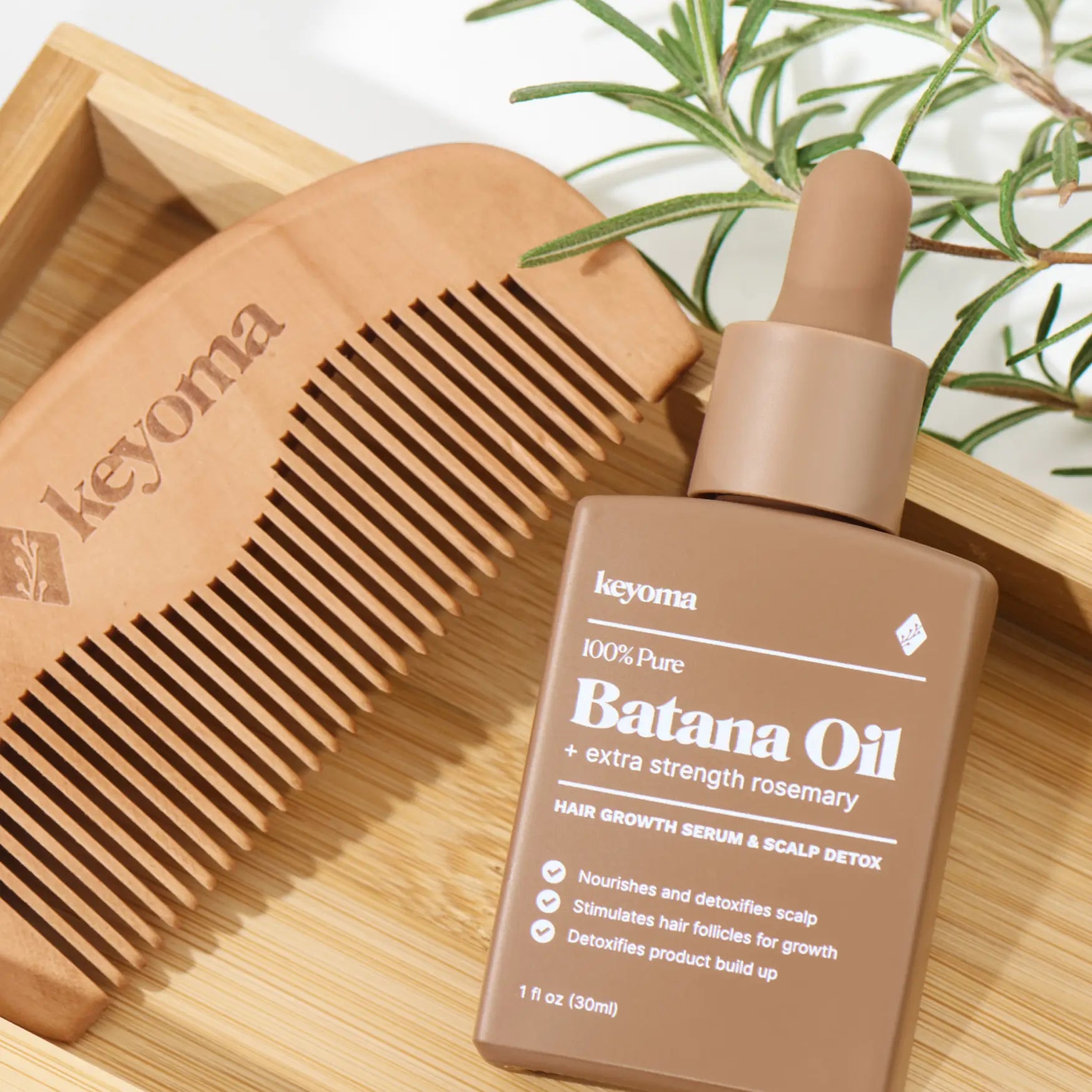
Step 5: Use Keyoma Batana Oil With Rosemary
After rinsing your lycopene step and towel-drying, warm a few drops of Keyoma Batana Oil with Rosemary between your hands. Apply to mid-lengths and ends first to help seal in moisture and improve softness. If your scalp feels dry, use only a tiny bit on the scalp and massage lightly, then stop to avoid buildup.
Step 6: Support Lycopene With Food
Eat lycopene-rich produce more often, including tomatoes, watermelon, pink grapefruit, guava, and other red or pink fruits.
Step 7: Consider Supplements
If you’re weighing lycopene supplements, talk with your clinician first, especially if you take medications or have a condition.
Step 8: Protect Hair From Daily Damage
When you’re outside, cover your hair to cut sun exposure. Try to limit heat styling, and always use a heat protectant when you reach for hot tools.
Possible Side Effects of Lycopene for Hair

Tomatoes can be helpful in hair care, but you should watch for possible downsides:
-
Some people are allergic to tomatoes or their components. Patch test before tomato-based masks to avoid irritation, redness, or itching.
-
The acidic nature of tomatoes can lighten hair color, especially in lighter shades, which some people won’t want.
-
Overusing tomato hair masks may strip natural oils from hair and scalp, which can lead to dryness and frizz. Balance tomato use with moisturizing care.
If you’re curious, try tomatoes in a careful way to see how your hair responds.
Use Lycopene To Protect Your Hair Along with Batana Oil
Treat lycopene like a helper, not a fix-all, to protect your strands from daily stress. Because it can aid UV defense and reduce oxidative stress, you want it working without leaving hair rough.
If any tomato extract step leaves your lengths feeling dry or squeaky, scale back to once weekly, rinse thoroughly, and seal while hair is towel-damp so water stays in.
Lower water heat calmed my scalp in winter. That last move matters more than most think, since dryness often shows up first along the cuticle.
Smooth a few drops through mid-lengths and ends, and keep the scalp application light to avoid residue. Follow Keyoma for more natural hair care tips.
Featured Product
30% Off + 3 FREE Gifts
100% Pure Batana Oil + Rosemary


