

In this article
Are you annoyed by your rough hair? If so, you’re in the perfect spot. For many individuals, particularly those dealing with scalp problems and dryness, rough hair isn’t just a cosmetic issue; it’s a daily struggle.
Dealing with coarse, unruly hair goes beyond just how it looks. It often affects your confidence and self-esteem, and it might even change how you feel about yourself day to day.
Whether you’re searching for an at-home rough hair treatment or want to prevent future damage, keep reading to discover some amazing home remedies for rough hair that you can try.
Key Takeaways
-
Rough hair feels coarse, dry, and frizzy when the cuticle is lifted.
-
Heat styling, harsh washing, chemicals, and climate can strip moisture and damage strands.
-
Frizz, flyaways, tangling, and breakage are common, especially in humid conditions.
-
Home treatments like oils, aloe, honey, eggs, and masks may improve softness.
What Rough Hair Feels Like
Rough hair is hair that feels coarse, dry, and frizzy. Unlike smooth, hydrated hair, it usually lacks shine and feels uneven. Typically, this happens when the outer cuticle layer is raised or damaged, making it harder for hair to retain moisture and reflect light the way it should.
Common problems related to rough hair include constant frizz and flyaways, especially when it’s humid, because hair pulls moisture from the air and swells.
The uneven surface also leads to more tangles, potentially causing breakage if you aren't gentle. Also, rough hair often doesn’t work well with sleek or polished styles because smoothing the texture is difficult.
What Commonly Causes Rough Hair

Rough hair usually means your hair feels stiff or straw-like. It often occurs when the outer layer (the cuticle) is damaged, preventing hair from holding moisture and feeling smooth. Here are some typical reasons why hair becomes rough.
Heat Styling Overuse
Using a straightener, curling iron, or blow dryer too much can weaken the cuticle. Over time, hair becomes less soft, looks dull, and feels coarse because heat takes out moisture, making strands more brittle.
Using Hair Products That Don’t Fit Your Hair Type
Hair needs different care based on texture, porosity, and scalp type. Shampoos or styling products that are too strong or aren’t designed for your hair type can make strands rough. Products that contain strong detergents, heavy alcohols, or too much protein may also make hair feel stiff instead of smooth.
Harsh Washing Habits That Can Make Hair Feel Rough
How you wash is as important as what you use. Very hot water, rough towel-drying, and scrubbing too hard can raise the cuticle and create friction. Also, washing too frequently can strip away the natural oils that help hair stay flexible and soft.
Dehydration and Dry, Rough Hair
Not drinking enough water can be reflected in your hair. If your body doesn’t have enough fluids, your hair might not look as healthy and could feel rougher, especially if you also have a dry scalp.
Genetics and Naturally Coarser Hair
Some people are born with coarser hair that feels rough more easily. While you can’t change your genes, the correct hair care routine may make your hair feel smoother and appear healthier.
Environmental Factors That Can Dry Out Hair
Weather and climate may quickly make hair rough. Too much sun, low humidity, cold air, and high heat can all draw moisture out of your hair. Wind and friction from hats can also make strands feel more tangled and coarse.
Hair Dye and Bleach Damage
Bleach and harsh dye chemicals can hurt the cuticle and break down the structure of the hair. This can leave your hair feeling rough and looking dull, and it can also make it more prone to breakage, frizz, and split ends.
Diet Gaps That Can Affect Hair Texture
Hair needs enough protein, plus key minerals and vitamins, to grow strong and stay smooth. If you don’t get enough nutrients in your diet, your hair might get weaker, look less shiny, and feel rougher as time passes.
Chlorine or Hard Water Buildup
Chlorine takes away natural oils and can leave buildup that makes hair feel stiff. Hard water minerals may coat the strands, making hair look dull, feel rough, and tangle more, particularly if you regularly swim or wash in hard water.
11 At-Home Remedies for Rough Hair That Help With Dryness and Frizz

Looking for ways to make your rough hair feel smoother using items you have at home? These treatments focus on reducing dryness, softening the hair shaft, and making hair easier to manage.
For the best outcome, concentrate on the ends and mid-lengths, use heat tools less often, and be consistent for several weeks.
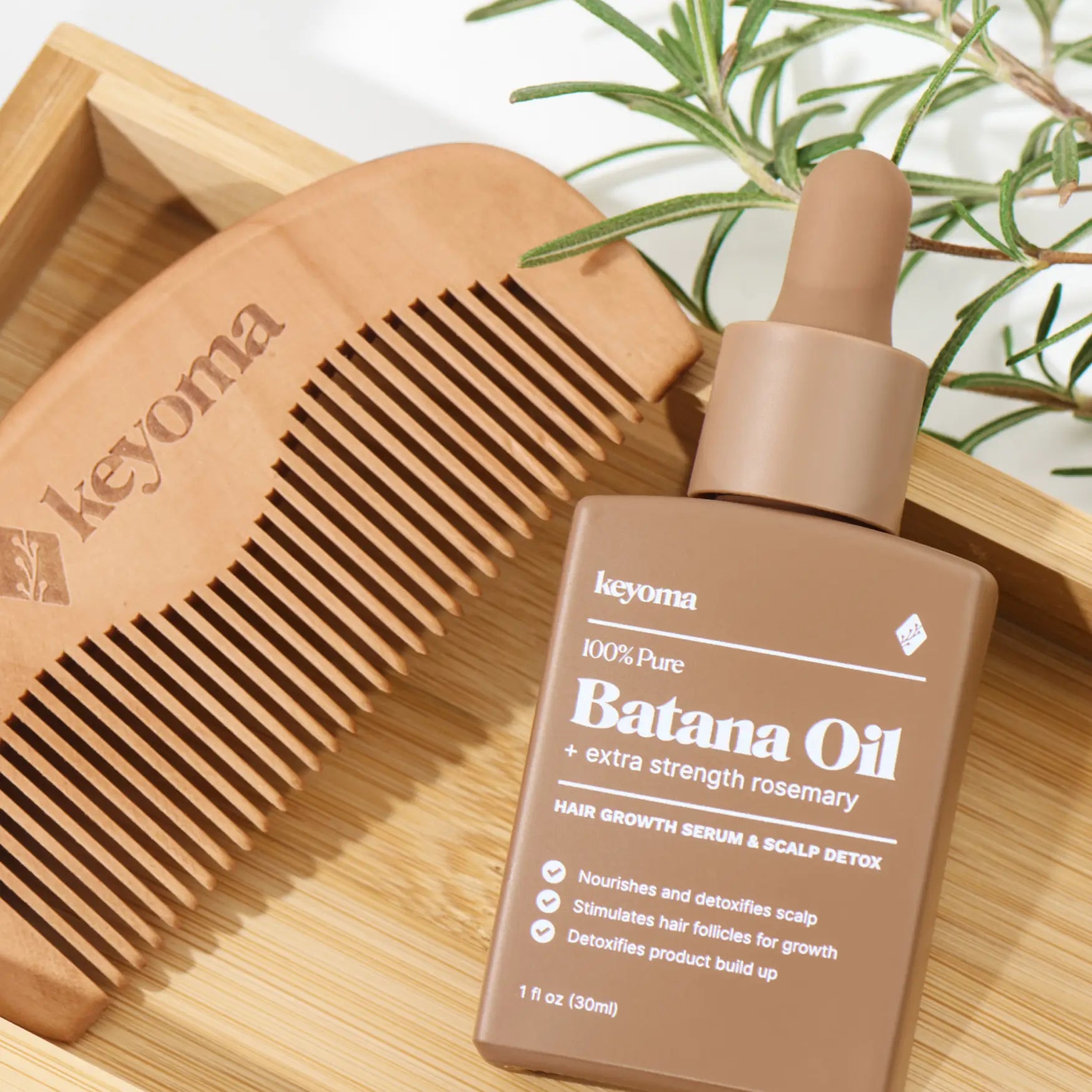
Batana Oil With Rosemary Oil for Dry, Hard-to-Manage Hair
Batana oil and rosemary oil can be a great option if your rough hair also feels hard to manage and dry. Mix a bit of batana oil with a few rosemary oil drops, and then gently massage it into your scalp for a few minutes.
Work the remaining oil through the ends and mid-lengths to help reduce frizz and improve softness. Let it sit for 30–60 minutes, then wash it out using a gentle shampoo, and condition the ends so your hair is easier to comb and feels smoother.
Coconut Oil for Softer, Less Coarse Hair
Coconut oil is a well-known treatment that helps soften rough hair, reducing that stiff feel. Use an amount that’s right for the length and thickness of your hair, then warm it up a bit between your hands before you put it on.
Massage it into the roots and scalp for about 10–15 minutes so it spreads evenly, then coat the ends and mid-lengths. Leave it for 35–40 minutes before rinsing with a gentle shampoo and conditioner. Make sure you wash thoroughly, so your hair doesn’t feel oily. I find that using just a little coconut oil makes a big difference in how soft my hair feels.
Aloe Vera for Moisture and Scalp Comfort
Aloe vera may help rough, damaged hair because it has moisturizing and soothing properties, especially if you also have a dry scalp. Scoop fresh aloe gel from the leaf, mix it until it’s smooth, and then add a little water, so it spreads with ease.
Apply it from your scalp to the ends, and gently comb through it with your fingers to get rid of tangles. Let it sit for about half an hour, then rinse it out with lukewarm or cool water to help your hair feel softer.
Mayonnaise as a Quick Deep-Conditioning Mask
Mayonnaise can act like a deep conditioner because it coats the hair, helping it feel smoother afterward. Apply it to damp hair, so it spreads more evenly, and focus on the ends and mid-lengths, where roughness is often worse.
Gently use a wide-tooth comb to distribute it, then put a shower cap on. Let it sit for approximately 20 minutes, then shampoo well and rinse until your hair feels clean.
Banana Mask for Dryness and Frizz
Bananas may help condition rough hair and support a dry scalp, but make sure you blend the banana until it’s completely smooth. Use one ripe banana, and then mix it with lime juice, olive oil, full-fat milk, and egg yolk to make a creamy texture.
Put the mask on evenly, and focus on sections prone to frizz and dry areas. Let it sit for half an hour, then rinse slowly and completely, so no pieces remain. Shampoo if needed.
Olive Oil to Help Seal In Moisture
Olive oil helps seal in moisture and protect hair proteins, which may make rough hair feel softer. Warm about 2 teaspoons on low heat until it’s slightly warm, but not hot. Put a small amount on the ends and mid-lengths, then smooth it down your hair to help with rough texture and frizz.
If your hair tolerates oils, you can leave it in lightly, or you can keep it on for 20–30 minutes and wash it out if it gets weighed down easily.
Egg Mask for Brittle, Rough Hair
Eggs have lots of protein and may help improve rough texture, making hair feel less brittle and stronger. Whip egg whites with a few honey drops and 1 tablespoon of olive oil until the mix is easy to spread.
Put it along the length of your hair, especially on fragile ends. Then, put on a shower cap to avoid dripping. Keep it on for about 20 minutes, then rinse with cool water first to keep the egg from “cooking,” and then use a gentle shampoo.
Honey and Oil Mask for Moisture Support
Honey is a natural humectant, so it helps attract and hold moisture, which is helpful for rough hair. Mix ½ cup of honey with ¼ cup of olive oil, so it spreads smoothly and doesn’t tug your hair.
Start at the ends and apply upward, then gently press it into your hair instead of rubbing, which can cause friction. Let it sit for 20–30 minutes, then rinse well and shampoo if needed, particularly if your hair feels sticky afterward.
Almond Oil for Softness and Easier Detangling
Almond oil has nutrients and fatty acids that may help soften hair and reduce a coarse feel. You can use it before you shampoo as a pre-wash treatment, or you can use it after washing as a light finishing oil.
If you use it before washing, massage a bit into your scalp and smooth the rest through the lengths, then let it sit for 15–20 minutes before you rinse. If you use it after washing, put just a few drops on the ends to help with dryness and frizz without making your hair heavy.
Avocado Mask for Softer, More Conditioned Hair
Avocado is full of nutrients and can help rough hair feel more conditioned, particularly if your strands are damaged from heat or coloring. Mash ½ ripe avocado until it’s smooth, then mix in 1 egg, 1 tablespoon of raw honey, and a bit of rosemary oil.
Put the mask on evenly, focusing on split ends and dry sections, and let it sit for 15–20 minutes. Rinse well, shampoo gently, and finish with a bit of conditioner.
Shea Butter for Deep Moisture and Frizz Control
Shea butter offers deeper hydration and helps fight frizz, which can make rough hair feel much softer.
Only use a small amount, because too much may make your hair heavy or greasy. Rub it between your hands until it melts, then smooth it through your hair, concentrating on the outer layer where frizz is most obvious and on the ends.
Keep it on for about half an hour, then shampoo and rinse well. If your hair is very thick and extremely rough, you can use it overnight.
Start a Softer Hair Routine This Week With Gentle Care and Keyoma
Treat your roughest sections first instead of coating all your hair evenly. Most people waste product on their healthiest roots while the damaged ends stay thirsty. Try this targeted approach. First, divide damp hair into three zones: ends, mid-lengths, and roots.
Second, apply double the amount of your chosen remedy to the ends, then work upward with whatever's left on your hands. Third, leave it on for the full recommended time, but rinse with cool water for the final 30 seconds to lock the cuticle flat. If your hair still feels coarse after three weeks, switch to a lighter oil or add one extra treatment day.
The real test is whether your comb glides through without snagging. Ready to refine your routine? Explore more step-by-step guides and fresh hair care tips on the Keyoma Hair Care blog.
Featured Product
30% Off + 3 FREE Gifts
100% Pure Batana Oil + Rosemary


