

In this article
It might sound surprising, but plenty of people avoid signing up for the pool because they worry about their hair. They fear dry, fragile strands and a loss of body and shine after hours in the water, so they walk away from an otherwise great sport.
There's no question that chlorine and other chemicals used to control bacteria in pool water can be rough on your hair. That said, there are many practical ways to care for your hair as a swimmer so you can keep enjoying the pool without constant worry.
Key Takeaways
-
Swimmer's hair describes damage from repeated chlorine or saltwater exposure that strips natural oils.
-
Common effects include extreme dryness, straw like texture, discoloration, split ends, breakage, and scalp irritation.
-
Protective steps include pre-wetting hair, applying light oils, wearing swim caps, and rinsing immediately.
-
Ongoing care uses clarifying or swimmer shampoos, deep conditioning, gentle drying, trims, and scalp exfoliation.
What Swimmer's Hair Means
"Swimmer's hair" is a term used to describe damage that develops when hair spends a lot of time in chlorinated water. Pools rely on chlorine to kill germs and keep the water clean, but that same chemical can be tough on your strands. Chlorine exposure strips away your hair's natural oils and leaves it dry, brittle, and easier to damage.
Chlorine isn't the only problem, though; saltwater pools and the ocean can contribute to swimmer's hair too. Saltwater is usually gentler than chlorine, yet it can still pull moisture from your hair and cause similar issues. If you're exposed to chlorinated or salty water again and again, the damage can build over time.
Common Effects of Swimmer's Hair
As many Olympians can tell you, swimming pools are not kind to hair. Discoloration, dry hair, and breakage are frequent outcomes of swimmer's hair and, if you ignore them, they can trigger even more problems later on. Here's what you need to pay attention to:
Scalp Irritation
It isn't only your hair that pays the price; your scalp can struggle too when exposed to chlorine and saltwater. Chlorine can strip away the scalp's natural oils, which may lead to dryness, itching, and irritation. In some people it can contribute to dandruff or make existing scalp conditions feel worse.
Dryness and Fragility
The first and most obvious effect of swimmer's hair is intense dryness. Your natural scalp oils form a protective coating that keeps strands moisturized and resilient. When chlorine and saltwater remove those oils, your hair is left parched and unprotected. The end result is hair that feels straw-like and snaps with very little pressure.
Changes in Hair Color
Maybe you've heard of someone's hair turning slightly green after spending time in the pool. It really can happen. The greenish cast that sometimes appears in light or blonde hair comes from copper compounds in the pool water. Color-treated hair is not immune either.
Ongoing chlorine exposure can make your shade look dull or faded, and some Olympians even report their hair becoming bleached from long days in the water, without ever stepping into a salon.
Although a cap does create a barrier between your hair and the water, it can also pull at the scalp, especially if it is made of latex, and this constant tugging may break hairs at the root.
How to Protect Your Hair From Chlorine and Saltwater
Swimming offers a rare mix of relaxation and full-body exercise. At the same time, it can be tough on your hair, especially if you spend a lot of time in lessons or training. Constant contact with chlorine, salt water, and moisture can leave strands dry, brittle, and easier to break.
Below are 11 key strategies to shield your hair while you swim so you can enjoy the water with fewer worries.
1. Apply Hair Oils Before Swimming
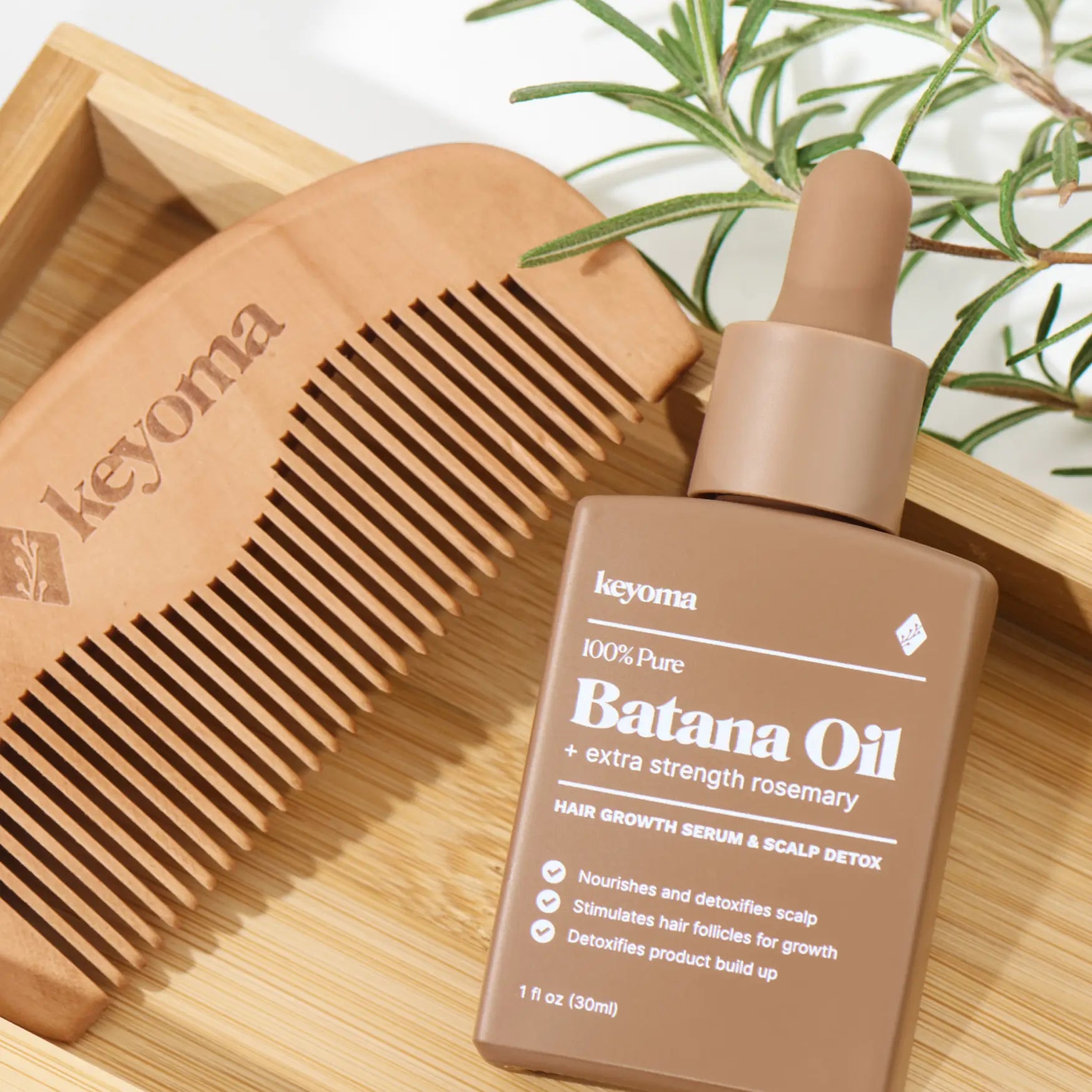
Before you get into the pool, smooth a protective oil onto your hair, such as batana oil, rosemary, argan oil, or coconut oil. I noticed my hair felt less dry after using a light oil barrier against the water. You can also reach for a leave-in conditioner with UV protection to keep your hair hydrated during your swim.
Use a wide-toothed comb to spread the oil or conditioner evenly through your hair, paying extra attention to the mid-lengths and ends where damage usually shows up first.
2. Wet Your Hair Before Entering the Pool
At first it might sound backward, but soaking your hair with clean water beforehand can really help. Dry hair works like a sponge and soaks up more of the harsh chemicals. When it is already saturated with fresh water, it takes in less chlorinated or salty water, which can lower the overall damage.
3. Wash Your Hair Right After Swimming
Rinsing your hair well as soon as you leave the pool is essential. Use lukewarm water to wash away as much chlorine or salt as possible. Then follow with a shampoo made for swimmers so any remaining residue is lifted out.
4. Choose the Right Swim Cap for Better Protection
A swim cap is more than a simple accessory; it acts as your hair's first shield. Silicone caps tend to be a great option because they fit snugly, feel comfortable, and are less likely to rip than latex versions. While no cap can keep water out completely, it can still cut down how much water and chlorine your hair absorbs.
Using a swim cap is especially helpful if you have longer hair. It not only offers extra protection, it also keeps your hair out of your face so you can focus on your strokes.
5. Use Deep Conditioning Treatments
Scheduling a deep conditioning treatment once a week can really support a swimmer's hair. Pick a mask with hydrating and strengthening ingredients such as shea butter, avocado oil, or biotin. Apply it generously and let it sit for at least 15 minutes before rinsing thoroughly.
6. Schedule Regular Trims
Getting regular trims every 6-8 weeks helps your hair stay in better shape. Removing split ends stops them from creeping farther up the hair shaft, which matters even more when you often face drying elements in the water and in the air.
7. Hydrate From the Inside Out
A healthy moisture level starts inside your body, not just on the surface. Drinking plenty of water supports your overall hair health and makes strands less likely to break. Including foods rich in vitamins A, C, and E as well as omega-3 fatty acids can also encourage hair that looks shinier and feels stronger.
Did you know that you can over moisturized your hair?
8. Avoid Heat Styling After You Swim
Because swimming already exposes your hair to drying conditions, adding hot tools on top can intensify the damage. Instead, gently squeeze out extra water with a microfiber towel and let your hair air dry whenever you can. If you do need to use heat, make sure to apply a heat protectant first.
9. Make Scalp Care a Weekly Habit
People often overlook the scalp, even though it has a major impact on hair health. Once a week, use a gentle exfoliating scrub to lift away product buildup, chlorine, and dead skin cells. After cleansing, put a few drops of Keyoma Batana Oil with Rosemary on your scalp and massage it in to restore moisture and calm any dryness.
Consistent scalp massages with this nourishing oil can help stimulate blood flow, which may support healthier hair growth over time.
10. Use Hair Products Made for Swimmers
Look for hair products made specifically for swimmers to counter the drying effects of chlorine.
Chlorine-Resistant Shampoos and Conditioners
These shampoos are designed to remove chlorine, salt, and other residues effectively. Choose formulas with gentle, hydrating ingredients such as aloe vera or keratin so they can cleanse while also repairing and nourishing your hair.
Leave-In Conditioners for Added Protection
Leave-in conditioners can be a powerful ally for swimmers. They add another protective layer on the hair. Many options also provide UV protection, helping shield your strands from sun damage during outdoor swims.
11. Protective Hairstyles for Swimming
Braids and Buns to Reduce Water Exposure: Securing your hair in braids or a bun limits how much of it is directly exposed to the water, which cuts down on tangles and damage. These styles also make it easier to tuck your hair neatly under a swim cap.
Avoid Loose Hair to Minimize Tangles: Swimming with your hair loose often leads to heavy tangling and knots that are difficult to work out afterward. Choose secure, controlled styles instead so your strands stay more protected.
Protect Swimmer's Hair With Keyoma Before Your Next Swim
Swimmer's hair doesn't have to be inevitable. The key is understanding that prevention is more effective than damage control. Think of your hair like a sponge: it absorbs whatever it's exposed to. By saturating your hair with clean water before swimming, you're essentially filling the sponge with something good, so it absorbs less chlorine.
A swim cap is helpful, but it's not a foolproof barrier. For extra protection, consider Batana Oil with Rosemary. This insight can change your approach to hair care. For more fresh tips and in-depth guides, visit the Keyoma Hair Care blog.
Featured Product
30% Off + 3 FREE Gifts
100% Pure Batana Oil + Rosemary


