

In this article
Dermarolling for beard growth is often talked about as a shortcut for patchy facial hair, but it needs a safer frame. A beard derma roller creates tiny punctures in the skin. That can make the skin more sensitive, more reactive, and more vulnerable to irritation if you add the wrong product too soon.
The big question is not just whether to roll. It is whether to use the roller alone, add a serum, or apply beard oil. For most beginners, the safest first step is a simple routine with clean skin, light pressure, no harsh products right after rolling, and enough recovery time.
Beard oil can still have a place in your routine. It can soften beard hair, support dry skin, and make grooming feel smoother. It should not be used as a proven beard growth treatment, and it should not be applied directly over freshly needled skin.
Key Takeaways
-
Beard dermarolling has limited beard-specific evidence.
-
Freshly rolled skin should recover before oils or actives.
-
Beard oil can soften hair, but not create follicles.
-
Stop rolling if skin becomes painful or inflamed.
Does Dermarolling Work for Beard Growth?
Dermarolling may support a healthier skin environment, but the evidence for beard growth is still limited. Microneedling has more research for scalp hair loss than facial hair. Beard-specific claims often borrow from scalp studies, user reports, and the general skin-repair theory behind microneedling.
Healthline notes that derma rolling may benefit beard growth because microneedling can support skin and hair-related processes, but it also warns that side effects are possible. Byrdie’s beard roller review also notes that evidence for facial hair is limited, and that much of the logic comes from scalp hair research rather than large beard-specific trials.
That means a beard derma roller should be treated as an optional grooming experiment, not a guaranteed fix. Genetics, age, hormones, skin health, and natural beard density all matter. If your main goal is softer, better-conditioned facial hair, batana oil for beard growth is better understood as beard and skin support, not proof that oil can grow new beard follicles.
How Does a Beard Derma Roller Work?

A beard derma roller is a small handheld tool with tiny needles. When rolled across the beard area, it creates controlled micro-punctures in the skin. Professional microneedling uses similar repair principles, but at-home rolling has more room for hygiene and technique mistakes.
The FDA says microneedling devices can cause skin damage, including bleeding, bruising, redness, tightness, itching, and peeling. These effects may last days or weeks, depending on the device and the skin response.
Micro-Injuries
Micro-injuries are tiny punctures made by the roller. They are not supposed to be deep cuts, and the goal is not bleeding. Hard pressure, repeated passes, or rolling too often can irritate the skin barrier and increase risk.
If rolling feels painful, sharp, or harsh, stop. A prickly feeling is different from skin trauma. You should never roll over active acne, cuts, rashes, cold sores, warts, eczema flares, psoriasis flares, irritated skin, or suspected infection.
Skin Repair
The skin responds to micro-injuries through its repair process. This is the reason microneedling is used in dermatology for some skin concerns. For beard growth, the theory is that a healthier skin environment may support follicles already present in the area.
Cleveland Clinic explains that microneedling involves pricking the skin with thin needles and that risks can include bruising, scarring, and skin infection. Those risks matter more when the tool is used at home without sterile technique.
Better Product Absorption
Freshly rolled skin can absorb products more easily. That may sound useful, but it also raises irritation risk. Products that feel fine on normal skin may sting or inflame skin after microneedling.
Fragrance, essential oils, acids, retinoids, exfoliants, alcohol-heavy formulas, and strong actives can be too much right after rolling. If you use rosemary or other essential-oil-based products in your grooming routine, review side effects of rosemary oil on hair before applying anything near sensitized facial skin.
Should You Use a Serum, Oil, or Nothing?
For beginners, using nothing active right after dermarolling is often the safest choice. Clean skin, a sanitized roller, gentle pressure, and recovery time give you a clearer read on how your skin tolerates microneedling.
A beard growth serum needs more caution. Some serums are simple hydrators, while others contain stronger actives. If the serum contains minoxidil, remember that facial use is commonly discussed but may be off-label. A 2024 case report described facial hair enhancement with topical minoxidil as an off-label use and noted that the topic has been discussed far more in informal online reports than in formal literature.
Beard growth oil is different. Oil can condition beard hair, reduce roughness, and help dry skin feel more comfortable. It should not be framed as a proven beard growth treatment. If an oil contains essential oils, it may also irritate freshly rolled skin. For essential oil safety, how to dilute rosemary oil for hair can help you understand why concentration matters, even though beard skin may respond differently from the scalp.
The safest comparison is simple:
-
Use nothing active right after rolling if you are new to dermarolling.
-
Use serum only if your skin tolerates it and the formula is gentle.
-
Use oil mainly on non-rolling days or after the skin has fully calmed.
-
Ask a professional before using minoxidil on the beard area if you have skin issues, medical conditions, or side-effect concerns.
When Should You Apply Products After Dermarolling?
Product timing should protect the skin barrier first. Freshly rolled skin may look pink, feel tight, or feel sensitive. Adding oil, fragrance, actives, or exfoliating ingredients too soon can turn a mild recovery period into burning, bumps, redness, or irritation.
AAD warns that at-home microneedling can be dangerous when done improperly. It can lead to infection, scarring, spreading viruses such as warts or herpes, and changes in skin color or texture if pressed too hard or done too often.
A cautious routine is to let the skin calm before using beard oil or stronger products. That may mean waiting until redness, warmth, tightness, and sensitivity are gone. If your skin still feels raw or irritated, it is not ready.
Avoid applying these right after rolling:
-
Essential oils or scented beard oils
-
Acids, retinoids, exfoliants, or peels
-
Alcohol-heavy aftershaves
-
Heavy occlusive products over irritated skin
-
Minoxidil or active beard serums unless a professional says it is appropriate
If you want to test a new beard oil, patch test it away from a freshly rolled area first. A patch test for hair oil is a simple way to reduce the chance of applying a reactive product across your whole beard area.
Where Batana Oil Fits in a Beard Routine

Batana oil fits best as beard-conditioning and dry-skin support, not as a same-day microneedling booster. Use it when the skin is intact, calm, and not freshly needled.
Keyoma’s batana-based oils can support softness and comfort for men who want a smoother beard routine. The safer placement is non-rolling days, pre-wash care, or after the skin has fully settled.
Beard Softness
Beard hair can feel coarse, wiry, or dry, especially during the awkward growth stage. A small amount of oil can make beard hair feel softer and easier to groom.
Pure batana oil can be used as a rich conditioning option when beard hair feels rough or dry. Use a small amount first. Too much oil can make the beard look greasy or leave the skin feeling coated.
Dry Skin Support
Dry skin under the beard can make grooming uncomfortable. Oil may help reduce the feeling of tightness or roughness when the skin is not irritated or broken.
Do not use oil on open cuts, acne lesions, rashes, cold sores, or inflamed skin. Oil can make active irritation harder to judge and may sting if the formula contains aromatic ingredients.
Non-Rolling Day Care
Non-rolling days are the best time for beard oil. The skin barrier is not freshly punctured, so the chance of stinging or over-absorption is lower.
Keyoma Batana Oil with Rosemary can fit as a beard and skin-conditioning step on non-rolling days if your skin tolerates rosemary. Keep it away from freshly rolled skin and stop if you notice burning, bumps, redness, swelling, or strong itching.
For broader grooming options, best natural hair oils for men can help you compare oil weight and use cases without treating every oil as a growth treatment.
How to Build a Derma Roller Beard Routine

A derma roller beard routine should be simple, clean, and consistent. The goal is not to roll harder or add more products. It is to reduce avoidable risk while giving your skin enough time to recover.
If you have painful redness, swelling, pus, a spreading rash, pigment changes, scarring, a history of keloids, or patchy facial hair loss, speak with a dermatologist before continuing. Stop rolling if the skin reacts badly.
Cleanse the Face
Wash your face before rolling. Remove sweat, oil, sunscreen, and beard products so the roller moves over clean skin.
Use a gentle cleanser that does not leave the skin stinging. Do not exfoliate aggressively before rolling. Skin that is already irritated is more likely to react.
Sanitize the Roller
Sanitizing the roller is one of the most important steps. A derma roller touches the skin repeatedly and can create tiny openings, so poor hygiene raises infection risk.
Follow the tool’s cleaning instructions. Do not share a roller with anyone. Replace dull, bent, rusty, or damaged rollers. Store the tool in a clean place after it is fully dry.
Roll Gently
Roll gently over the beard area without forcing pressure. More pressure does not mean better results. Bleeding, scraping, or deep pain are signs that you are being too aggressive.
Avoid rolling over pimples, cuts, cold sores, warts, razor burn, ingrown hairs, eczema, psoriasis, or any irritated area. Rolling over active skin problems can spread irritation or infection.
Let Skin Recover
Let the skin recover before adding oil, serum, aftershave, or strong skincare. Freshly rolled skin can be reactive, and applying products too soon can increase stinging or redness.
If your skin stays red, sore, swollen, hot, or painful, pause the routine. If symptoms spread, ooze, crust, or do not improve, get checked.
Keep the Routine Consistent
Consistency matters more than intensity. A safe routine you can repeat is better than an aggressive routine that leaves your face irritated.
Beard growth is slow, and patchy areas may take time to change. For realistic timing, how long it takes to grow a beard can help you separate normal patience from signs that you may need professional guidance.
Use Dermarolling for Beard Growth With Safer Timing
Dermarolling for beard growth is a safety and timing decision as much as a grooming decision. A beard derma roller may support skin repair, but beard-specific evidence is still limited, and at-home microneedling can irritate or damage the skin when done too hard, too often, or without proper hygiene.
Use the roller alone at first if you are new. Be careful with serum, especially if it contains minoxidil or strong actives. Save beard oil for non-rolling days or after the skin has fully calmed. Keyoma batana oil can support beard softness and dry skin comfort, but it should not be used on freshly needled, inflamed, broken, or infected skin.
Featured Product
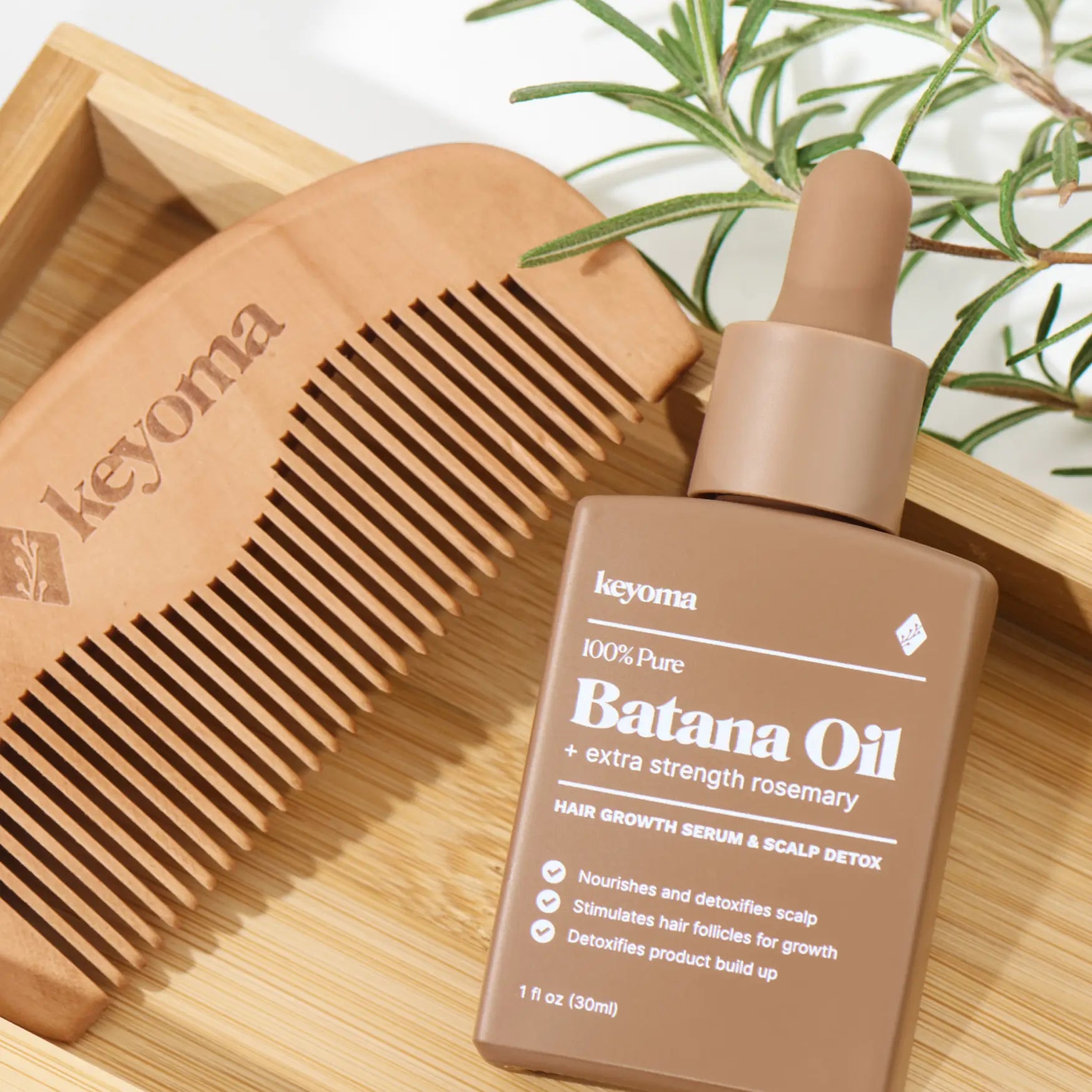
30% Off + 3 FREE Gifts
100% Pure Batana Oil + Rosemary
↓Best Batana Oil to Buy↓

1 Month
Subscribe & Save
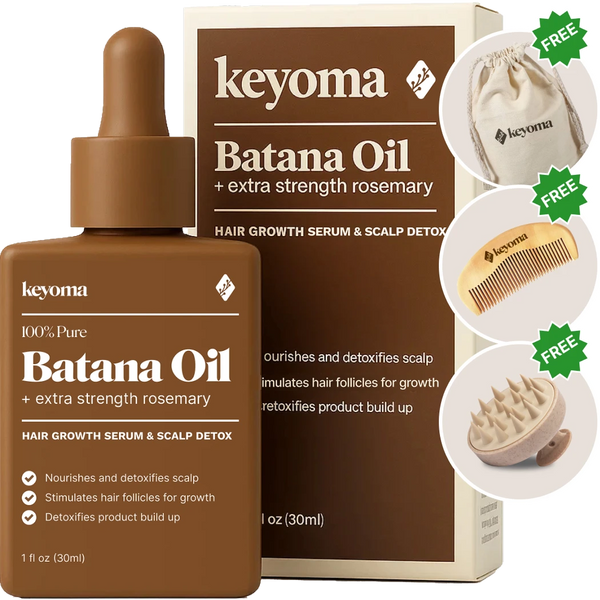


- 30-day supply delivered monthly $35
- 30% off for life $6
- Free haircare essentials kit $33
- Free custom wooden comb $10
- Free scalp massager $15
- Free eco-friendly travel bag $8
- 30-Day Money Back Guarantee
- Free Shipping
- Online portal for easy cancel, skip, or pause.
1 Month One Time Purchase
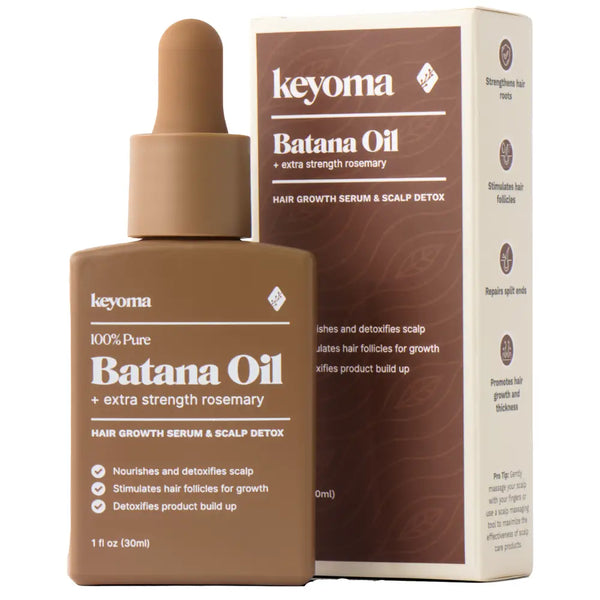
- 30-day supply $50
- 30% off for life $6
- Free haircare essentials kit $33
- Free custom wooden comb $10
- Free scalp massager $15
- Free eco-friendly travel bag $8
