

In this article
Scalp Buildup From Hair Oil: Signs And Fixes
Hair oil was supposed to make your scalp feel calmer and your hair feel softer. So when your scalp feels coated, greasy, itchy, sticky, or heavy after oiling, it can feel confusing.
Scalp buildup from hair oil can happen when too much oil is used, when oil is layered with other products, or when the scalp is not cleansed well between uses. The fix is usually not quitting oil forever. It is resetting your scalp, washing more effectively, and restarting with a lighter routine that fits your scalp and hair type.
Key Takeaways
-
Hair oil buildup signs can include coated roots, greasy hair after washing, sticky flakes, itchiness, dullness, and flat hair.
-
Oil can make the scalp feel clogged when it sits too long or mixes with sweat, dead skin, dry shampoo, and styling products.
-
To remove scalp oil buildup, pause new oil, shampoo the scalp well, rinse fully, and repeat shampoo only when needed.
-
You may be able to restart oiling with less oil, shorter contact time, and a better wash schedule.
What Is Scalp Buildup From Hair Oil?
Scalp buildup is a layer of residue that sits on the scalp or near the roots. When oil is part of that layer, the scalp may feel waxy, slick, sticky, or coated even if you cannot see much.
That residue can include hair oil, natural scalp oil, sweat, dead skin cells, styling products, dry shampoo, leave-ins, dirt, and environmental debris. The American Academy of Dermatology recommends washing based on how dirty or oily the hair gets, and notes that flakes can happen when someone is not shampooing often enough or is not using the right conditioner, oil, or scalp moisturizer for their hair type.
This does not mean every oil clogs every scalp. It means oil can contribute to a clogged or coated feeling when it sits on the scalp for too long, is applied too heavily, or builds up with other residue.
Signs Your Scalp Has Hair Oil Buildup
Oil buildup is not always dramatic. Sometimes the clearest sign is how your scalp feels after wash day.
|
Sign |
What It May Feel Like |
What It Usually Means |
|
Coated scalp |
Waxy, slick, or sticky feeling after oiling |
Too much oil or poor washout |
|
Greasy roots after washing |
Hair looks oily soon after shampooing |
Residue may still be sitting near the scalp |
|
Sticky flakes |
Flakes feel oily or cling to the roots |
Oil may be mixing with dead skin and product residue |
|
Itchiness |
Scalp feels irritated or uncomfortable |
Buildup, sensitivity, or another scalp issue may be present |
|
Flat hair |
Hair loses volume and feels heavy |
Oil may be weighing down the roots |
|
Dull hair |
Hair looks less fresh after oiling |
Oil or product layers may be coating the strands |
These hair oil buildup signs do not always mean oil is the only cause. Sweat, dry shampoo, heavy conditioners, styling creams, gels, and wash frequency can all add to the problem.
If flakes, redness, scaling, or itching keep coming back, it may not be simple oil residue. Dandruff and seborrheic dermatitis can involve itchy, flaking skin, and seborrheic dermatitis may also involve inflammation. If your main symptom is itch, start with gentle routine changes and read more about itchy scalp remedies before adding more products.
Can Hair Oil Clog The Scalp?
Hair oil can make the scalp feel clogged when it is applied too heavily, used too often, or not washed out properly. That does not mean every oil clogs every scalp. It means the routine may not match your scalp type, hair density, or wash schedule.
Too Much Oil
A full scalp application can be too much for fine hair, oily scalps, low-density hair, or anyone who does not shampoo often. More oil does not automatically mean better scalp support. Often, it just means more residue to remove later.
If your roots collapse quickly after oiling, your scalp may need a smaller amount or a shorter contact time. You can also compare your symptoms with common hair oil overuse signs if you suspect the issue is frequency or amount.
Leaving Oil On Too Long
Some people like overnight oiling. Others feel itchy, greasy, or coated after a few hours. Both experiences can be real.
Leaving oil on for long periods may be more likely to cause residue if you sweat, use styling products, have an oily scalp, or do not wash thoroughly afterward. If your scalp feels better with shorter oiling sessions, that is useful feedback.
Product Layering
Oil on top of leave-ins, gels, creams, dry shampoo, sunscreen, sweat, or scalp sprays can turn into a sticky layer near the roots. This is one reason a scalp may feel dirty even after a light oil application.
If the scalp already feels coated, do not add more oil to “soften” it. Cleanse first. Then restart with a simpler routine.
Low Wash Frequency
If oil is added repeatedly without enough cleansing, residue can build up. Cleveland Clinic dermatologist Dr. Shilpi Khetarpal says wash frequency depends on hair type and texture, with finer hair often needing more frequent washing and oily scalps sometimes needing daily washing if the oiliness bothers them.
That does not mean everyone should shampoo daily. It means oiling should match your wash rhythm. If you oil your scalp twice a week but wash once every two weeks, buildup is more likely.
Why Does My Scalp Feel Coated After Oil?
A coated scalp usually means the oil did not settle into your routine well. The problem may be the amount, timing, layering, or cleansing step.
Common reasons include:
-
You used more oil than your scalp needed.
-
You applied oil directly to an already oily scalp.
-
You did not shampoo the scalp thoroughly.
-
You layered oil with styling products or dry shampoo.
-
Your hair type gets weighed down easily.
-
Your scalp may be sensitive to the oil, fragrance, essential oil, or blend.
-
You may need a shorter contact time before washing.
This is especially important with essential-oil blends. Essential oils can cause allergic contact dermatitis in some people, even though they are natural. A dermatology review in Dermatitis notes that increased essential oil use has led to more reports of allergic contact dermatitis. Mayo Clinic also notes that contact dermatitis can be triggered by cosmetics, fragrances, lotions, and other substances that touch the skin.
Stop using the product and seek medical advice if the coated feeling comes with burning, swelling, sores, blisters, bleeding, severe tenderness, or worsening irritation.
How To Remove Scalp Oil Buildup Safely
The goal is not to punish your scalp. The goal is to remove oil residue without stripping, scratching, or irritating the skin.
Pause New Oil For One To Two Washes
Do not keep adding oil while your scalp already feels coated. Give your scalp one or two wash cycles without new oil so you can tell whether the heaviness improves.
This pause also helps you separate buildup from sensitivity. If itchiness or burning continues after you stop the oil, another scalp issue may be involved.
Shampoo The Scalp, Not Just The Hair
Shampoo should reach the scalp. Massage it into the roots with your fingertips, not your nails. Focus on the areas that feel greasy or coated, such as the crown, hairline, temples, and nape.
The hair length does not need the same level of scrubbing. Let the shampoo rinse through the strands instead.
Rinse Well
Oil can stay behind when shampoo, conditioner, or treatment residue is not rinsed fully. Rinse until the scalp no longer feels slick. If your hair is thick, dense, curly, or coily, lift sections while rinsing so water reaches the scalp.
Poor rinsing can make a clean wash feel like it failed.
Repeat Shampoo If Needed
For heavy oil residue, one wash may not be enough. A second gentle shampoo can help remove oil residue without aggressive scrubbing.
This is not the same as harsh washing. Keep your fingers gentle, use lukewarm water, and stop once your scalp feels clean. If your ends feel dry afterward, condition the lengths and ends only.
Avoid Harsh DIY Fixes
Do not make baking soda, lemon juice, abrasive scrubs, or harsh scalp scraping your main fix. These can be too rough for sensitive scalps and may worsen irritation.
If your scalp already feels itchy or tender, simple cleansing is safer than forcing a “deep detox.”
Use Gentle Exfoliation Only When Needed
Gentle exfoliation can help some people when flakes or product residue cling near the roots. Keep it occasional and mild. This article is mainly about oil residue and routine reset, not aggressive exfoliation.
If buildup is frequent, your routine likely needs adjustment. A broader scalp care routine can help you balance cleansing, moisture, and product use without overcorrecting.
Should You Stop Oiling If You Have Buildup?
You do not always need to stop oiling forever. You should pause oiling if your scalp feels coated, itchy, greasy, or irritated. Once your scalp feels clean again, restart with less oil, lower frequency, and a shorter contact time.
When To Pause Oil
Pause oiling if:
-
Your scalp feels coated after every use.
-
You have greasy roots even after washing.
-
Your scalp feels itchy, tender, or irritated.
-
Flakes become sticky or worse after oiling.
-
You are layering oil over several other products.
A pause is not a failure. It is a reset. It gives your scalp a cleaner baseline before you test a lighter routine.
When To Restart
Restart when your scalp feels clean after washing, itchiness has calmed down, and your roots no longer feel heavy right away.
When you try again, use less oil than you think you need. Apply it only where your scalp or hair needs support, then wash it out on your next planned wash day. If your roots get oily fast, you may need to oil closer to wash day instead of leaving oil on for long periods.
How To Use Batana And Rosemary Oil Without Buildup
Batana and rosemary oil can fit into a scalp routine, but amount and timing matter. Batana oil buildup and rosemary oil buildup are usually routine problems, not proof that the oil can never work for you.
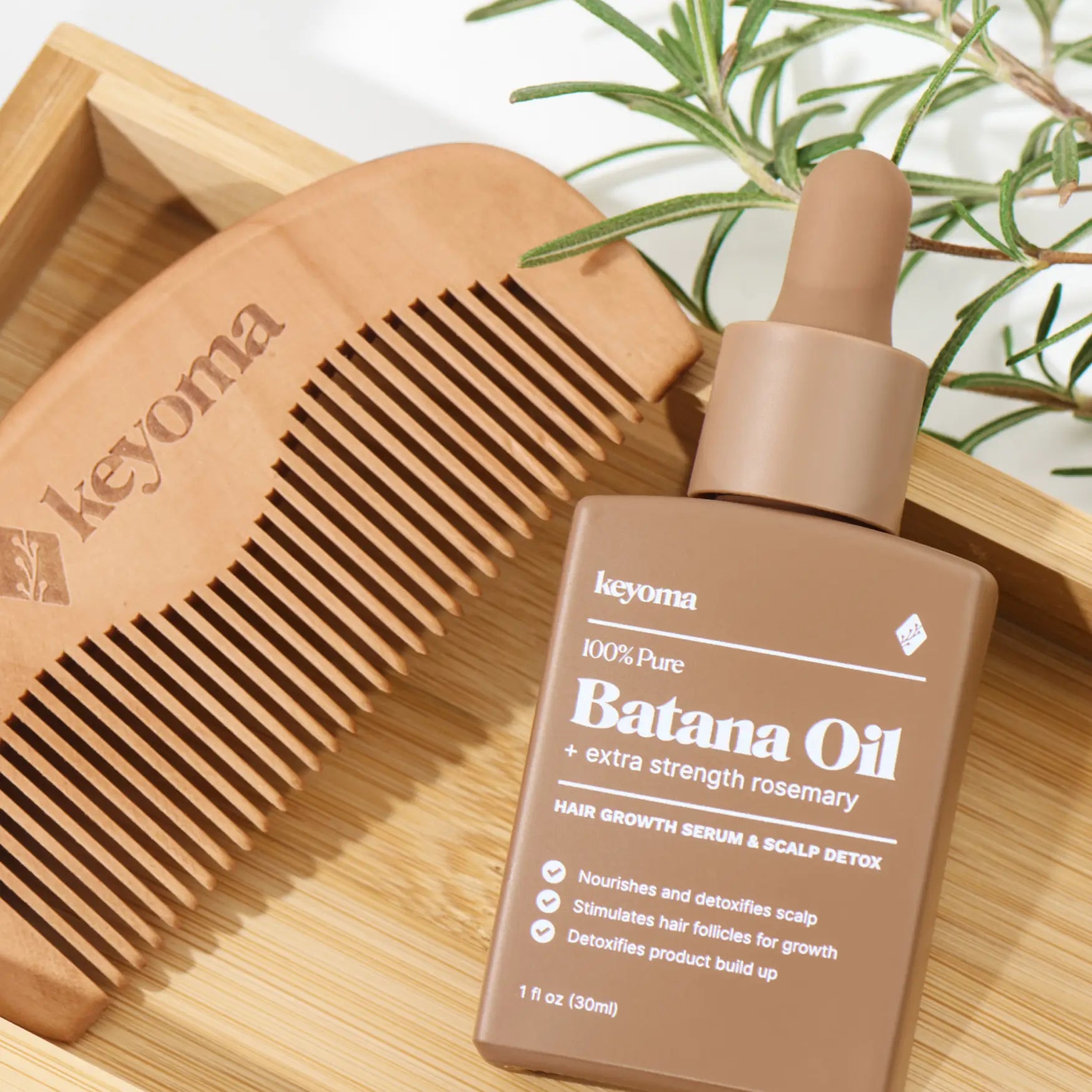
Start with a small amount of Pure Batana Oil with Rosemary, especially if your scalp is oily, sensitive, or easily weighed down. Focus on areas that need support rather than coating the whole scalp heavily.
Avoid reapplying over a coated scalp. If the scalp feels heavy, greasy, or itchy, wash first. Then restart with a smaller amount and a shorter contact time.
Rosemary oil also needs careful use because essential oils can irritate some scalps. If you use rosemary separately or combine products, review how to dilute rosemary oil for hair so the routine stays scalp-friendly.
Buildup Prevention: A Better Oiling Routine
A better routine usually comes down to less oil, cleaner timing, and a wash schedule that matches your scalp.
Use Less Oil
Many buildup problems come from using more oil than the scalp can tolerate. Start small. You can always add a little more next time, but it is harder to remove a heavy layer once your roots are coated.
For fine hair or oily scalps, a few targeted drops may be enough. For thick, coarse, curly, or textured hair, you may tolerate more oil, but buildup can still happen if the scalp is not cleansed well.
Do Not Oil A Dirty Scalp Repeatedly
If the scalp already has sweat, dry shampoo, or styling residue, adding oil may make it feel worse. Oil can mix with that layer and create a sticky, coated feeling.
A cleaner scalp gives you a more accurate read. If oil feels heavy even on a freshly washed scalp, reduce the amount or contact time.
Match Oiling To Wash Day
For sensitive or oily scalps, pre-wash oiling may work better than leaving oil on overnight or for several days. Apply oil before wash day, let it sit for the amount of time your scalp tolerates, then shampoo it out.
If you are not sure how often to oil your hair, use your scalp as the guide. Greasy roots, sticky flakes, and flat hair usually mean you need less oil, better cleansing, or more time between oiling sessions.
Adjust By Hair Type
Fine hair and oily scalps usually need less oil. Thick, coarse, curly, or textured hair may tolerate more, but tolerance is not unlimited.
If you have oily roots and dry ends, avoid treating the whole head the same way. Your scalp may need cleansing, while your ends may need conditioning. For that pattern, this guide on oily scalp but dry ends can help you separate scalp care from strand care.
Track How Your Scalp Responds
Try a two-week reset. Use less oil, avoid layering it over dirty roots, and wash thoroughly on schedule. Note whether your scalp feels cleaner, lighter, and less coated after wash day.
If buildup improves, your scalp likely needed a routine adjustment. If itching, scaling, soreness, or sticky flakes continue, consider a scalp condition beyond oil residue.
Fix Scalp Buildup From Hair Oil
Scalp buildup from hair oil does not mean oiling is automatically wrong for you. It usually means your scalp is getting more oil than it can handle between washes.
Start with a reset. Pause oiling, cleanse the scalp well, rinse carefully, and give your roots time to feel clean again. Then restart with a smaller amount, a shorter contact time, and a routine that matches your wash schedule.
If your scalp feels lighter and less coated, you have your answer. If burning, sores, swelling, severe itching, or persistent flakes continue, stop the product and ask a medical professional for help.
Featured Product
30% Off + 3 FREE Gifts
100% Pure Batana Oil + Rosemary
↓Best Batana Oil to Buy↓

1 Month
Subscribe & Save
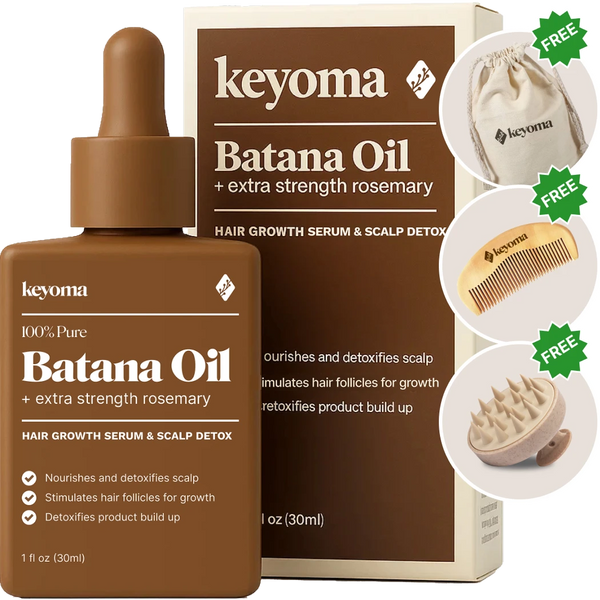


- 30-day supply delivered monthly $35
- 30% off for life $6
- Free haircare essentials kit $33
- Free custom wooden comb $10
- Free scalp massager $15
- Free eco-friendly travel bag $8
- 30-Day Money Back Guarantee
- Free Shipping
- Online portal for easy cancel, skip, or pause.
1 Month One Time Purchase
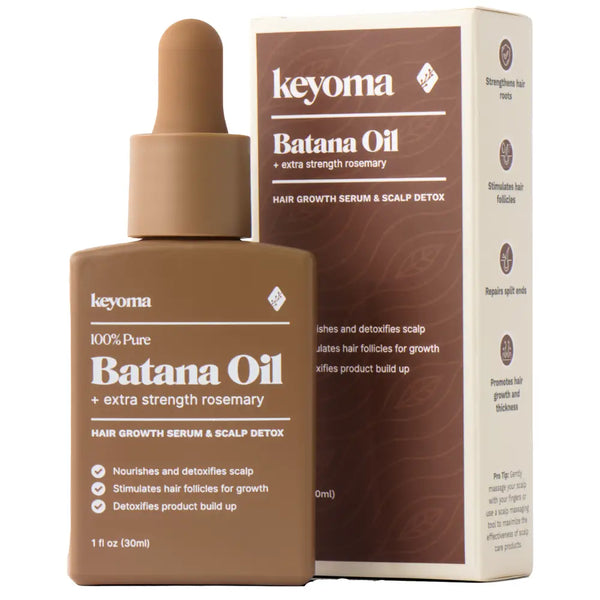
- 30-day supply $50
- 30% off for life $6
- Free haircare essentials kit $33
- Free custom wooden comb $10
- Free scalp massager $15
- Free eco-friendly travel bag $8
