Red Spots on Scalp and Hair Loss: When to Get Checked
Written by

Published on May 12, 2026

In this article
Red spots on the scalp with hair loss should be taken more seriously than simple dryness or mild flakes. Redness, bumps, sores, itching, pain, scaling, or shedding can point to irritation, infection, inflammation, or a scalp condition that needs the right treatment.
The cause matters. Psoriasis, folliculitis, seborrheic dermatitis, ringworm, allergic reactions, acne, and product irritation can all look different and need different care. Hair oil is not the first step when the scalp is red, painful, open, crusted, or possibly infected.
A calm approach is best. Notice the pattern, stop harsh products, avoid scratching, take photos, and get checked if symptoms persist, spread, ooze, hurt, or appear with patchy hair loss.
Key Takeaways
-
Red scalp spots can have many causes.
-
Hair oil should not go on open sores.
-
Patchy loss with redness needs medical care.
-
Persistent scalp symptoms should be checked.
Can Red Spots on the Scalp Cause Hair Loss?
Red spots on the scalp can be linked with hair loss when inflammation, infection, scratching, or irritation affects the follicles or damages the hair shaft. Some conditions cause temporary shedding because the scalp is inflamed or scratched often. Others can damage follicles if they are not treated early.
Medical News Today notes that red spots on the scalp can come from acne, psoriasis, folliculitis, and other conditions, and that medical options depend on the underlying cause. That is why it is risky to treat every red spot as dandruff or dry scalp.
The American Academy of Dermatology says scaly bald patches with sores or blisters that open and ooze pus may point to a fungal infection. It also notes that redness, swelling, and pus-leaking sores may occur with folliculitis decalvans, while scalp psoriasis can cause temporary hair loss.
A useful first step is to separate scalp inflammation from ordinary shedding. If your scalp is red, sore, crusted, or itchy, scalp inflammation may be part of the pattern and should be handled carefully.
What Causes Red Scalp Spots and Hair Loss?

Red scalp spots and hair loss can come from several different causes. Some are common and manageable. Others need prescription treatment, testing, or prompt medical care.
Symptoms can overlap, so do not rely on appearance alone. Red patches, flakes, bumps, pus, scabs, bald spots, and broken hairs can look similar in the mirror but come from different scalp problems.
Scalp Psoriasis
Scalp psoriasis can create red patches, thick plaques, silvery-white scales, itching, soreness, burning, bleeding, and temporary hair loss. Medical News Today notes that scalp psoriasis can affect the scalp, hairline, back of the neck, forehead, or skin behind the ears.
Hair loss from scalp psoriasis is often linked to scratching, scale removal, inflammation, or irritation rather than the psoriasis permanently destroying the hair follicle in every case. Still, intense scaling or discomfort should be checked.
If flakes and redness keep returning, scalp psoriasis vs dandruff can help you understand why a regular dandruff approach may not be enough.
Folliculitis
Folliculitis is inflammation or infection of the hair follicles. It can look like small red bumps, tender pimples, pus-filled spots, or acne-like breakouts on the scalp.
Medical News Today says folliculitis affects hair follicles and can happen when follicle damage lets germs enter and trigger infection. If bumps are painful, spreading, or filled with pus, avoid oils and seek medical guidance.
Seborrheic Dermatitis
Seborrheic dermatitis can cause itchy, flaky, greasy patches on the scalp. Cleveland Clinic says symptoms may include dry or greasy scalp scaling, white to yellow flaking, itchy skin, thick scaly plaques, small raised bumps, and hair shedding from scratching, but not permanent hair loss in typical cases.
This condition can come and go. It may flare with stress, weather, harsh products, or excess scalp oil. If you suspect this pattern, seborrheic dermatitis hair loss can help connect flakes, itching, and shedding without treating it as simple dry scalp.
Ringworm
Ringworm on the scalp is a fungal infection, also called tinea capitis. It can cause intense itching, scaly bald patches, black dots on bald areas, open sores that leak pus, swollen lymph nodes, or inflamed spongy areas of skin.
Mayo Clinic lists patches of scaling that spread over the scalp as a sign of ringworm and says it may come with broken hair, redness, swelling, and sometimes oozing. Ringworm needs medical treatment, so do not cover it with oil and wait for it to improve.
Allergic Reaction
An allergic reaction can happen after hair dye, fragrance, essential oils, styling products, shampoos, or scalp treatments. It may cause redness, itching, swelling, burning, rash, bumps, or flaking.
The timing often gives a clue. If red spots appear after a new product, pause that product and avoid adding more actives. For rosemary-based oils, side effects of rosemary oil on hair is especially relevant because essential oils can irritate sensitive or inflamed scalps.
Scalp Acne or Irritation
Scalp acne and irritation can show up as red bumps, sore spots, itching, or tenderness. Heavy products, sweat, friction, hats, buildup, and harsh scrubbing can all make the scalp feel worse.
Mild bumps may improve when you stop heavy products and wash the scalp gently. Painful, pus-filled, spreading, or recurrent bumps need more caution because they may be folliculitis or another inflammatory condition.
When Are Red Spots and Hair Loss More Serious?

Red spots and hair loss become more concerning when symptoms are painful, spreading, patchy, oozing, crusted, or linked with smooth bald areas. A few mild flakes are different from red spots that hurt, bleed, leak pus, or appear with sudden hair loss.
Mayo Clinic advises talking with a doctor for sudden or patchy hair loss, more hair loss than usual when combing or washing, or scaling that spreads over the scalp. Sudden hair loss can signal an underlying medical condition that needs treatment.
Pain or Burning
Pain or burning suggests more than ordinary dryness. It may come from inflammation, infection, allergic reaction, chemical irritation, or an active scalp condition.
Do not treat burning as proof that a product is working. If your scalp burns after an oil, dye, exfoliant, medicated shampoo, or growth treatment, rinse it off and stop using it until you know what caused the reaction.
Pus or Open Sores
Pus, open sores, bleeding, crusting, or leaking areas need professional care. These signs can appear with infection, severe inflammation, scratching damage, or a reaction that has broken the skin.
Oils are not appropriate on open skin. They can trap residue, sting, spread irritation, or delay proper treatment. Keep the area clean and avoid scratching.
Patchy Bald Spots
Patchy bald spots with redness, scaling, pustules, or scabs can point to infection or an inflammatory scalp problem. Patchy loss without obvious redness can also have other causes.
NIAMS says alopecia areata often appears as small, round patches of hair loss and the bare patches usually have no rash, redness, or scarring. If a patch is smooth and round, alopecia areata symptoms may help you understand the pattern, but diagnosis still belongs with a clinician.
Spreading Redness
Spreading redness can signal worsening inflammation or infection. Watch for warmth, swelling, tenderness, fever, or red areas expanding beyond the original spot.
When redness spreads, avoid experimenting with oils, essential oils, scrubs, or home remedies. Medical treatment may be needed.
Scarring or Smooth Patches
Scarring or smooth patches deserve prompt evaluation. Scarring hair loss can permanently damage follicles if the cause is not treated early.
Smooth patches, shiny skin, loss of follicle openings, or tender red areas can be difficult to assess at home. A dermatologist can examine the scalp closely and decide whether testing is needed.
Is It Hair Shedding, Breakage, or Scalp Inflammation?
Hair shedding means hair is coming out from the root. You may see full-length hairs with a tiny bulb at one end. Shedding can be diffuse, which means it happens across the scalp.
Breakage means the strand snaps along its length. You may notice shorter pieces, frayed ends, or uneven lengths. Breakage can happen from rough brushing, tight styles, heat, chemical damage, or scratching around irritated areas.
Scalp inflammation involves the skin itself. Redness, swelling, itching, burning, pain, bumps, scaling, or sores suggest the scalp is part of the problem. Inflammation can trigger shedding, cause scratching-related breakage, or signal a condition that needs treatment.
NYU Langone says dermatologists examine the scalp for inflammation, redness, sores, or scarring and look at hair loss pattern and breakage. They may also use a pull test, tug test, scalp imaging, or fungal culture when needed.
If your main question is whether hairs are falling from the root or snapping off, hair breakage vs hair loss can help you describe the pattern more clearly before an appointment.
What Should You Do Before Using Hair Oil?

Before using hair oil on red scalp spots, look at the skin first. Oils should not be the first step if the scalp is open, painful, oozing, crusted, bleeding, infected, or actively inflamed.
Hair oils can support softness, scalp massage, and dry strands once the scalp is calm. They should not be used as treatment for psoriasis, ringworm, folliculitis, dermatitis, infection, alopecia areata, or scarring alopecia.
Stop Harsh Products
Pause harsh products while you watch the scalp. This includes strong exfoliants, high-fragrance products, undiluted essential oils, aggressive scalp scrubs, and chemical treatments that sting.
Keep cleansing simple and gentle. If a product clearly started the reaction, stop using it and take a photo of the ingredient list in case a clinician asks.
Avoid Scratching
Scratching can break the skin, worsen inflammation, and increase the chance of infection. It can also snap fragile hairs near the irritated area.
Cleveland Clinic notes that scratching seborrheic dermatitis can break skin open and may lead to bleeding and infections. If itching is intense, the scalp needs the right treatment, not harder scratching.
Skip Oils on Open Skin
Skip oils on open sores, pus-filled bumps, bleeding areas, painful rashes, or suspected infection. Rosemary oil is especially risky on irritated skin because essential oils can sting or trigger reactions.
If you plan to use rosemary oil later, wait until the scalp is intact and calm. How to dilute rosemary oil for hair can help reduce DIY mistakes, but dilution is still not a fix for active sores or infection.
Take Scalp Photos
Take clear scalp photos before changing products. Use the same lighting and angles so you can see whether redness is shrinking, spreading, crusting, or forming patches.
Photos also help at a medical visit. They can show whether symptoms changed over days or weeks, especially if the scalp looks calmer by the appointment.
Get Checked if It Persists
Get checked if red spots last more than a short time, keep returning, spread, hurt, ooze, crust, bleed, itch intensely, or appear with patchy hair loss. A dermatologist can check whether the issue is infection, inflammation, allergy, autoimmune hair loss, or another scalp condition.
After a professional rules out infection or active inflammation, gentle oil support may fit some routines. Keyoma Batana Oil with Rosemary can be used only on intact, calm skin as scalp massage or strand support, not as treatment for red spots or medical hair loss. If you want a rosemary-free option for dry-feeling strands, pure batana oil may be simpler, but it should still stay off broken or irritated skin.
Address Red Spots on Scalp Hair Loss With Safer Care
Red spots on the scalp with hair loss can come from psoriasis, folliculitis, seborrheic dermatitis, ringworm, allergic reaction, acne, irritation, or other scalp conditions. The safest next step is not to cover the area with oil. It is to pause harsh products, avoid scratching, document the symptoms, and get checked when warning signs appear.
Seek professional care if redness spreads, pain or burning develops, pus or open sores appear, patches become bald, scaling spreads, or shedding becomes sudden or heavy. Once the scalp is calm and intact, supportive oils can help dry strands and gentle massage, but they should not replace diagnosis or treatment for scalp inflammation, infection, or scarring hair loss.
Featured Product
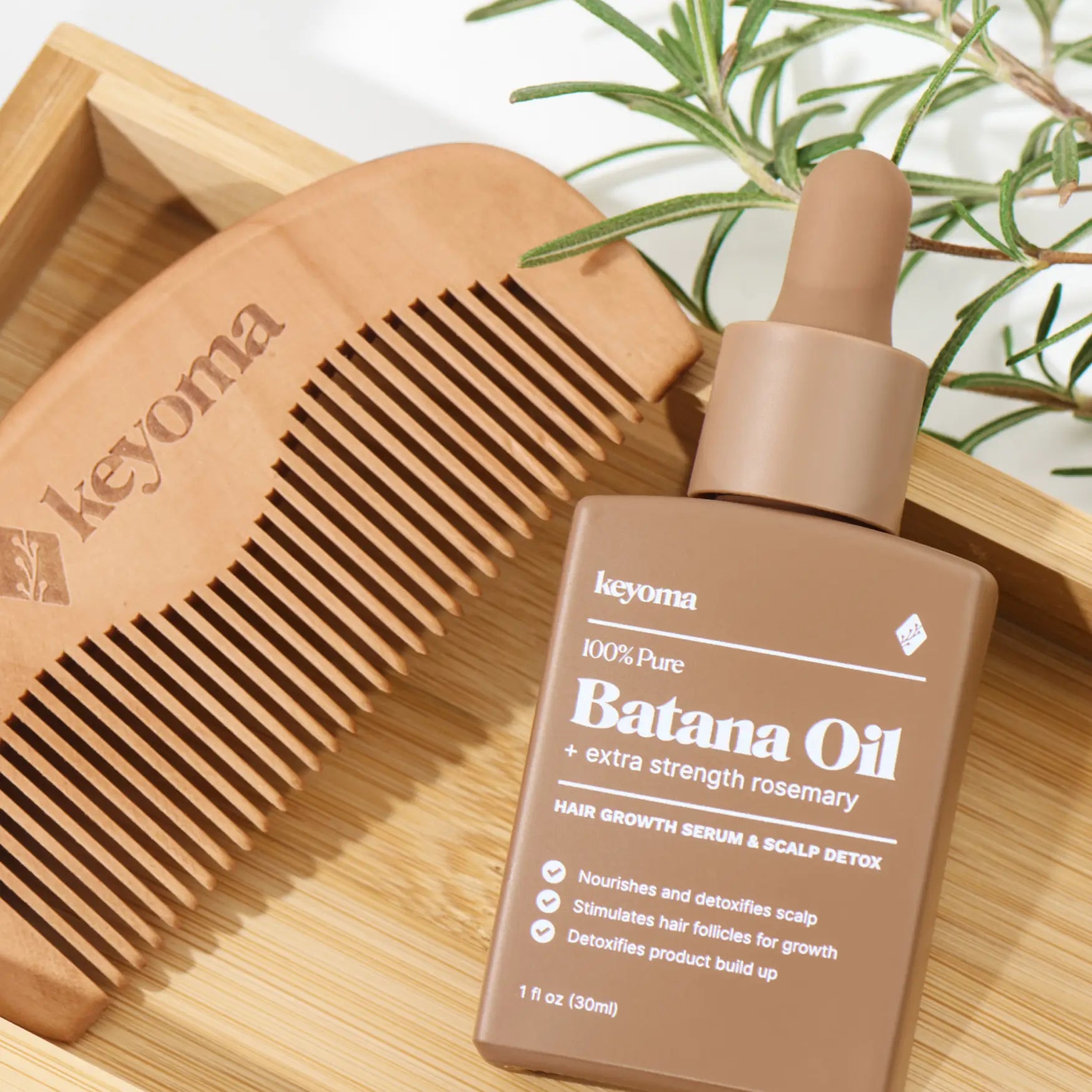
30% Off + 3 FREE Gifts
100% Pure Batana Oil + Rosemary
↓Best Batana Oil to Buy↓

1 Month
Subscribe & Save
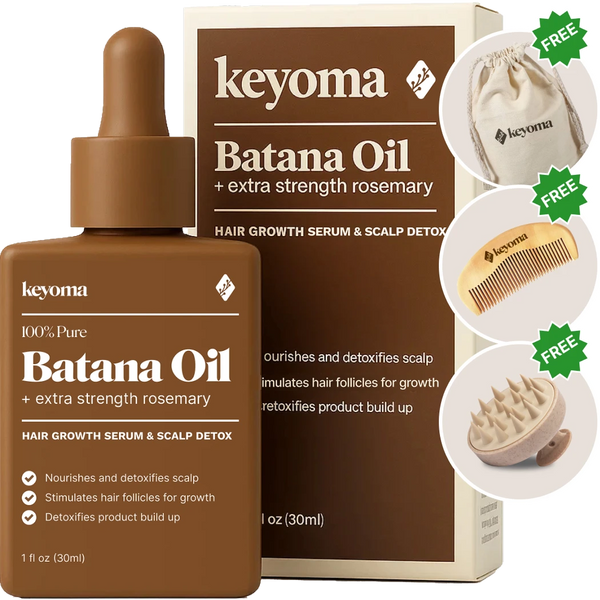


- 30-day supply delivered monthly $35
- 30% off for life $6
- Free haircare essentials kit $33
- Free custom wooden comb $10
- Free scalp massager $15
- Free eco-friendly travel bag $8
- 30-Day Money Back Guarantee
- Free Shipping
- Online portal for easy cancel, skip, or pause.
1 Month One Time Purchase
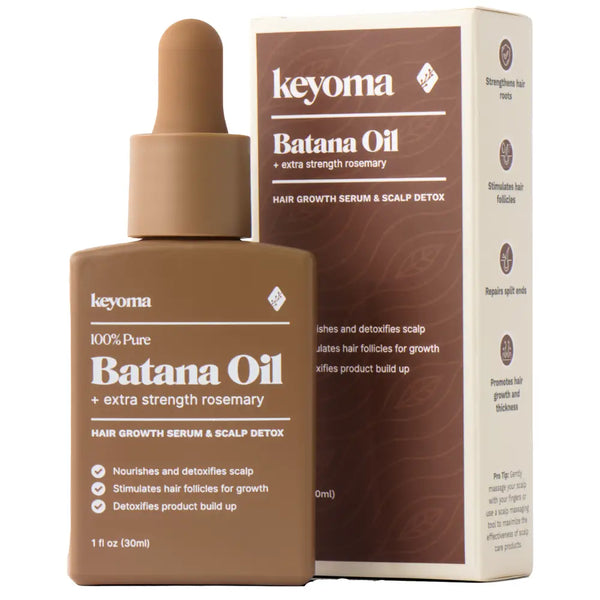
- 30-day supply $50
- 30% off for life $6
- Free haircare essentials kit $33
- Free custom wooden comb $10
- Free scalp massager $15
- Free eco-friendly travel bag $8
