

In this article
You can sometimes slow a receding hairline, but the right approach depends on why the hairline is moving back. Genetic hair loss, tight hairstyles, scalp irritation, stress shedding, breakage, and medical issues do not all need the same plan.
Natural care can support the scalp, reduce avoidable breakage, and make the hair you still have easier to protect. It cannot fully stop genetic hairline recession on its own. If your hairline is changing quickly, the smartest move is to combine gentle habits with a proper diagnosis.
A realistic plan starts with tracking, scalp care, safer styling, and medical guidance when needed. That way, you are not guessing from a mirror check or expecting oil, massage, or supplements to do more than they can.
Key Takeaways
-
A receding hairline can sometimes be slowed.
-
The cause should guide the treatment plan.
-
Natural care supports the scalp but has limits.
-
Monthly photos are better than daily checking.
Can You Slow a Receding Hairline?
A receding hairline can sometimes be slowed, especially when you catch the change early and reduce avoidable stress on the follicles. The result depends on the cause. A hairline affected by tight hairstyles, irritation, breakage, or shedding may respond differently from a hairline affected by androgenetic alopecia.
Genetic hairline recession is often linked with androgenetic alopecia, also called pattern hair loss. Cleveland Clinic explains that male pattern baldness can involve a receding hairline, thinning hair, age, genetics, and hormones such as DHT. When DHT-sensitive follicles shrink over time, the hair can become finer before the area looks visibly thinner.
Medical treatments may help some people slow hair loss or support regrowth. Mayo Clinic says minoxidil can help many people regrow hair, slow hair loss, or both, but it may take at least six months to help prevent further loss and begin regrowth. That timeline is important because many people quit too early or switch products before they have enough information.
Natural steps still have a place. They can help you protect the hairline from tension, dryness, breakage, harsh styling, and irritation. They are best viewed as support, not as a replacement for proven treatment when the cause is genetic hair loss.
Why Does a Hairline Start Receding?
A hairline can recede for more than one reason. Genetics are common, but they are not the only factor. Some people see gradual temple recession from pattern hair loss. Others notice thinning around the edges after years of tight buns, braids, ponytails, extensions, or styles that pull on the front hairline.
Pattern hair loss usually develops slowly. In men, it often starts at the temples or front hairline and may later involve the crown. Women can also have frontal or temple thinning, though many experience more diffuse thinning through the part. If hair loss runs in your family, early changes may feel more concerning, but family history is not the only clue. Some people experience hair loss with no family history, so it is still worth checking the full picture.
Tension can also affect the hairline. Repeated pulling may inflame or weaken follicles around the front and sides. Heat tools, chemical processing, rough brushing, and tight accessories can worsen breakage, making the hairline look thinner even when the follicle pattern is not the main issue.
Scalp health matters too. Itching, redness, flaking, tenderness, pain, and scaling can point to irritation or a scalp condition. Sudden shedding after stress, illness, surgery, weight changes, or medication changes may also make the hairline look less dense for a period. A dermatologist can help separate these causes instead of treating every hairline change as permanent balding.
How to Tell if Your Hairline Is Receding
A receding hairline is usually a pattern, not a single bad mirror moment. Wet hair, strong bathroom lighting, oily roots, a new haircut, or pulling your hair back tightly can all make the hairline look more exposed than usual.
Look for repeat changes over time. Monthly photos in the same lighting are more reliable than checking several times a day. If your hairline looks different only under harsh light or after styling, you may be seeing normal variation rather than clear recession.
Temple Recession
Temple recession often shows up as the corners of the hairline moving backward. The center may stay lower while the sides become thinner or higher. This can create the early shape many people associate with a receding hairline.
A small amount of temple maturity can happen with age. More noticeable recession, especially when it keeps progressing, deserves closer tracking. Compare the temples month by month, not hour by hour.
M-Shaped Hairline
An M-shaped hairline forms when the temples move back more than the center front. It is commonly associated with male pattern hair loss, though hairline shapes vary widely from person to person.
Do not diagnose yourself from shape alone. Some people naturally have a widow’s peak or uneven hairline. A real concern is steady change, thinner hair at the corners, or a pattern that becomes more visible across several months.
Thinner Hairline Corners
Hairline corners can look thin before they fully recede. The hairs may appear shorter, finer, lighter, or less dense than the surrounding hair. You may also notice that styling products or sweat make the corners separate more easily.
Thinner corners can come from miniaturization, breakage, tension, or irritation. That is why the cause matters. Treating fragile front hairs gently is wise, but medical evaluation becomes more important if the thinning is progressive.
More Scalp Visibility
More visible scalp near the temples, part, or front edge can be a sign of lower density. It can also happen when hair is wet, oily, straightened, tightly pulled, or photographed with flash.
Use consistent conditions when checking scalp visibility. Try the same room, same light, same hair state, and same angle. A calm photo routine gives better information than leaning into the mirror every morning.
Monthly Photo Changes
Monthly photo changes are one of the clearest ways to see whether the hairline is stable. Take photos from the front, both temples, and top if you are concerned about the part or crown.
Avoid daily hairline checking. It often increases anxiety without improving accuracy. A once-a-month record makes it easier to spot real movement, and it gives a dermatologist useful context if you decide to get help.
How to Prevent a Receding Hairline From Getting Worse
Preventing a receding hairline from getting worse starts with reducing avoidable damage and confirming the cause. You do not need to panic, but you also should not wait for major loss before paying attention.
A balanced plan looks at your scalp, styling habits, family history, shedding pattern, and overall health. Natural support can help protect the hairline, while medical guidance can tell you whether you are dealing with pattern hair loss, traction, inflammation, shedding, or another issue.
Get the Cause Checked
A diagnosis is the most useful first step when the hairline is clearly changing. AAD says effective treatment begins with finding the cause, and a board-certified dermatologist can examine the scalp, ask about timing, test hair strength, and order tests when needed.
Get checked sooner if you have sudden shedding, patchy loss, scalp pain, itching, redness, scaling, fast recession, or emotional distress around hair loss. Those signs can point to causes that need more than a new shampoo or oil.
If you are already using treatment or thinking about stopping one, avoid changing several things at once. A careful plan for switching hair loss treatments can make it easier to understand what is helping, what is irritating your scalp, and what needs more time.
Avoid Tight Hairstyles
Tight hairstyles can put repeated tension on the hairline. Ponytails, buns, braids, cornrows, extensions, and slicked-back styles may pull most strongly at the temples and front edge.
Looser styling reduces that stress. You do not have to give up every pulled-back look, but the hairline should not feel sore, tight, itchy, or tender after styling. If you see small broken hairs or thinning along the edges, give that area a break.
Rotate styles when possible. Soft parts, lower-tension clips, loose braids, and gentle hair ties can help reduce repeated pulling in the same spot.
Reduce Harsh Styling
Heat, bleach, chemical straightening, aggressive brushing, and strong hold products can make hairline strands more fragile. The front hairline often contains finer hairs, so damage can show there first.
Use lower heat, apply heat protectant when heat is needed, and avoid brushing wet hair roughly. If the front pieces are already fragile, treat them like delicate fabric. Do not keep pulling them into place until they snap.
A small amount of oil on dry lengths may help reduce friction and make styling feel smoother, but keep heavy products away from irritated scalp areas. If a product causes burning, itching, bumps, or redness, stop using it.
Protect the Scalp
The scalp is skin, and the hairline is exposed to sun, sweat, styling products, and friction. Sunburn on the scalp can irritate the area and make thinning look more obvious while the skin heals.
Use shade, hats that do not pull, or scalp sunscreen when the hairline is exposed for long periods. Wash out heavy styling products so they do not sit on the scalp for days. If you notice flakes, scaling, soreness, or persistent itching, get advice instead of scratching or layering on stronger products.
Scalp comfort is a useful signal. A calm scalp is not proof that hair loss has stopped, but irritation can make any hairline plan harder to follow.
Track Progress Monthly
Monthly tracking keeps you grounded. Choose one date each month and take photos in the same lighting, with the same angles and similar hair condition. Include the front, temples, and any area that worries you.
Daily checking can make normal changes look dramatic. Hair can look thinner after a workout, under overhead lights, or when it needs washing. A monthly rhythm helps you see trends instead of reacting to every small shift.
Bring your photos to a dermatologist if the recession continues. A clear record can make the conversation more useful and reduce the guesswork around timing.
Can You Slow a Receding Hairline Naturally?
You can support a receding hairline naturally by lowering tension, caring for the scalp, reducing harsh styling, managing stress, and using oils safely. That is not the same as stopping genetic balding.
Natural care works best when the goal is realistic. It may help protect fragile strands, support scalp massage, reduce dryness, and lower avoidable damage. It should not be framed as equal to minoxidil, finasteride, or other evidence-based treatments for androgenetic alopecia.
Scalp Massage
Scalp massage can support relaxation and help you apply products evenly. Use light pressure with your fingertips and avoid scratching with your nails. The goal is gentle movement, not aggressive rubbing.
Keep the session short and comfortable. If your scalp feels sore afterward, you are pressing too hard. If massage turns into repeated checking of the hairline, set a time limit and keep your focus on comfort rather than inspection.
Some people like using a scalp massager for even pressure. It should feel soothing, not rough. Stop if it causes tangling, tenderness, or irritation.
Hair Oil Support
Hair oil can support a dry scalp massage and help soften fragile-feeling strands around the hairline. It cannot regrow a lost hairline or stop genetic recession by itself.
Rosemary oil needs extra care because it is an essential oil. Cleveland Clinic notes that rosemary oil should be mixed with a carrier oil, used in small amounts, and tested on a small scalp area before wider use. It also advises stopping if irritation happens.
If you want a lower-guesswork option for massage and dry hair support, a ready-made pure batana oil can be used lightly on dry-feeling areas. Keep expectations grounded. Oil may support softness, slip, and scalp massage, but it is not a medical treatment for androgenetic alopecia.
Readers comparing oils, ingredients, and realistic expectations may also find a broader collection of oils for thinning hair useful. Choose products based on scalp comfort, safe use, and your actual hair needs, not fear-based claims.
Better Nutrition
Hair growth depends on overall health, but supplements are not a shortcut unless you have a deficiency or a specific medical need. Protein, iron, zinc, vitamin D, and other nutrients can matter for hair, yet too much of certain supplements can cause problems.
A steady diet with enough protein, healthy fats, fruits, vegetables, and whole foods is a better foundation than chasing every hair vitamin trend. If you suspect low iron, thyroid issues, vitamin D deficiency, or another health concern, ask a healthcare provider about testing.
Nutrition can support healthier hair growth conditions. It usually will not override a strong genetic pattern on its own.
Stress Control
Stress can affect shedding for some people, especially after major illness, emotional strain, surgery, crash dieting, or big life changes. That type of shedding can make the hairline look thinner, even when the root cause is not classic pattern recession.
Stress control does not mean pretending stress is the only cause. It means giving your body better conditions while you gather facts. Sleep, movement, regular meals, breathing exercises, therapy, and less doom-scrolling can all support a calmer baseline.
Hairline anxiety can also become its own stress cycle. If you are checking mirrors, comparing old photos, or researching for hours, reducing those habits may help your mood even before your hairline changes.
Gentle Hair Care
Gentle hair care protects what you have. Use a mild wash routine, detangle carefully, avoid tight pulling, and reduce repeated heat on the front pieces. The hairline often needs less force than the rest of the hair.
A simple routine is usually easier to follow than a crowded one. Choose products that keep your scalp comfortable and your strands manageable. If you use rosemary oil, make sure you know how to dilute rosemary oil for hair before applying it to the scalp.
Watch for irritation. Burning, redness, bumps, flaking, or more itching may mean the product does not suit you. If you notice those issues after using an oil, review the possible side effects of rosemary oil on hair and stop anything that seems to trigger a reaction.
Slow Receding Hairline Changes With Clear Next Steps
A receding hairline does not always mean the same thing for every person. Some changes are genetic and progressive. Others are tied to tension, breakage, shedding, scalp irritation, or health changes. The safest plan starts with finding the cause.
Use monthly photos, loosen tight styles, reduce harsh styling, protect the scalp, and keep oil use gentle and realistic. Natural care can support your scalp and strands, but it should not replace medical guidance when your hairline is moving quickly or your scalp has symptoms.
Featured Product
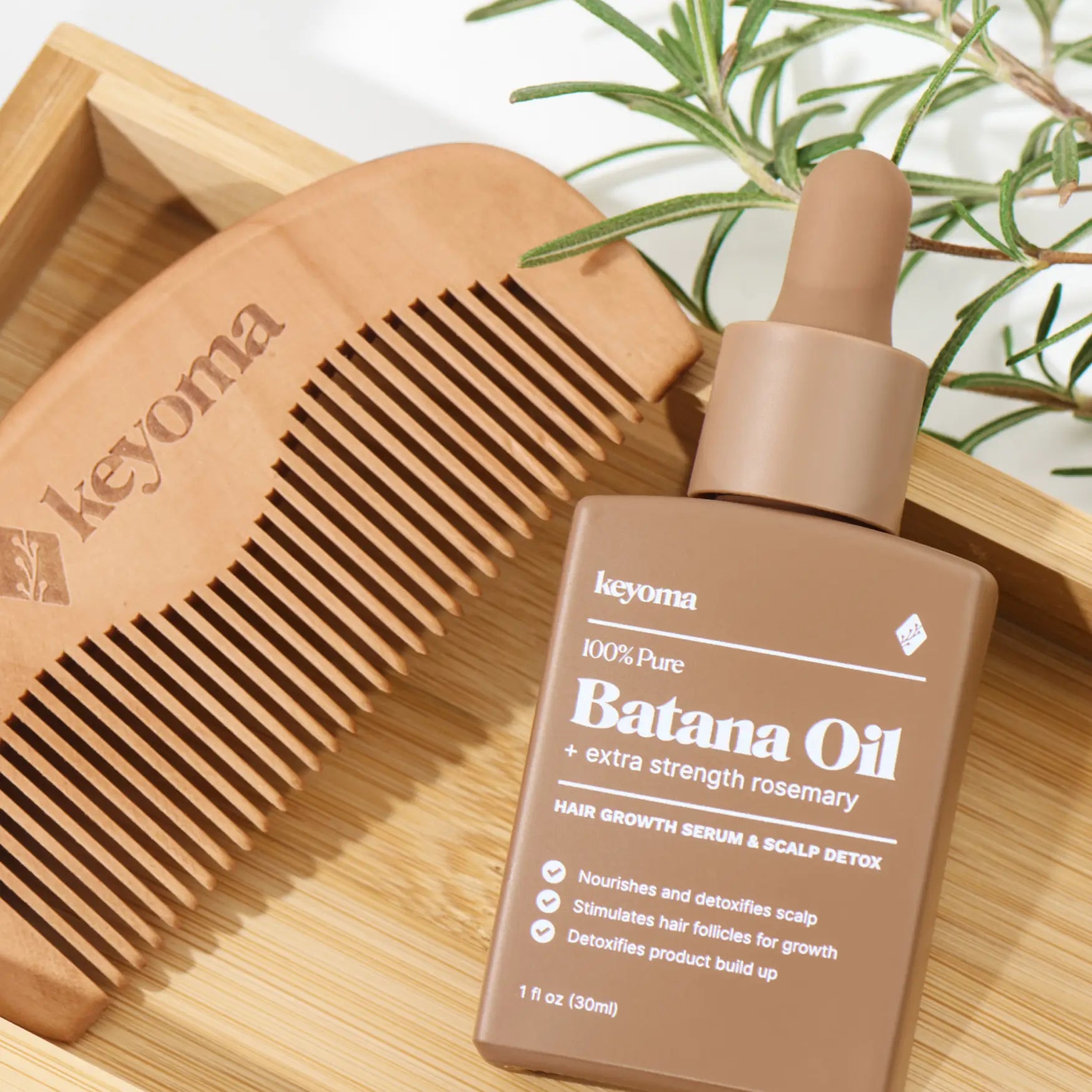
30% Off + 3 FREE Gifts
100% Pure Batana Oil + Rosemary
↓Best Batana Oil to Buy↓

1 Month
Subscribe & Save
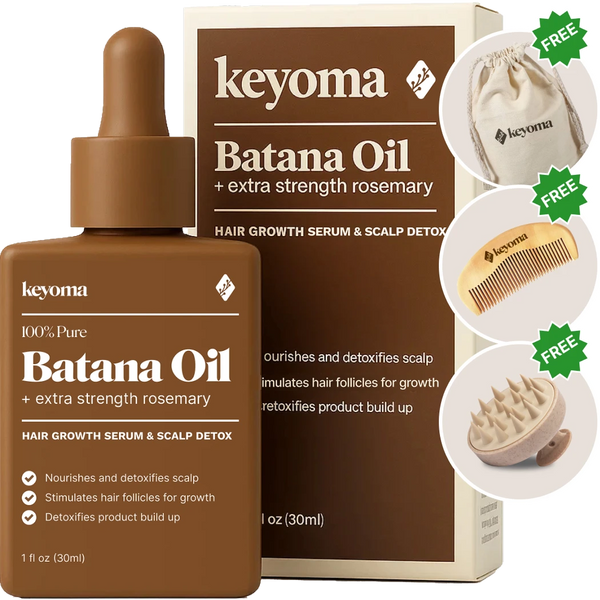


- 30-day supply delivered monthly $35
- 30% off for life $6
- Free haircare essentials kit $33
- Free custom wooden comb $10
- Free scalp massager $15
- Free eco-friendly travel bag $8
- 30-Day Money Back Guarantee
- Free Shipping
- Online portal for easy cancel, skip, or pause.
1 Month One Time Purchase
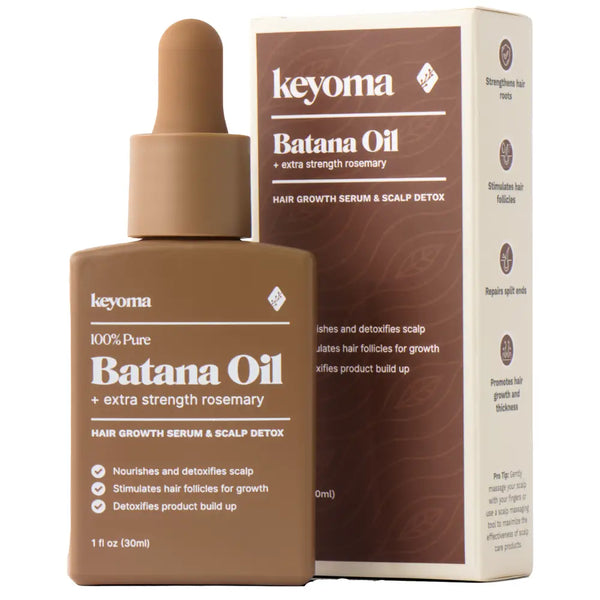
- 30-day supply $50
- 30% off for life $6
- Free haircare essentials kit $33
- Free custom wooden comb $10
- Free scalp massager $15
- Free eco-friendly travel bag $8
