

In this article
You'll see plenty of talk about natural ways to block DHT over the last few years. Before you weigh any blocker, it helps to know what DHT is. Dihydrotestosterone, or DHT, comes from testosterone and can cause problems when it builds up.
At typical levels, DHT supports facial, underarm, pubic, and body hair growth. But when levels run high, symptoms may include baldness and prostate issues in men and female-pattern hair loss in women. Keep reading to see how higher DHT may affect your health.
Key Takeaways
-
DHT comes from testosterone through 5-alpha reductase and can attach to scalp follicles.
-
High DHT may contribute to pattern hair loss, acne, and an enlarged prostate.
-
Levels can rise with higher testosterone or increased 5-alpha reductase activity.
-
Batana oil isn't a proven DHT blocker, but it may help support scalp condition.
What Does DHT Do in the Body?
DHT is made from the hormone testosterone. Testosterone is a hormone found in everyone. Testosterone and DHT are androgens, or hormones that shape sex characteristics for people with a penis during puberty years.
Common changes include:
-
a deeper voice
-
more body hair and increased muscle mass
-
growth of the penis and scrotum, along with testicles as sperm production starts
-
shifts in where your body stores fat
After puberty, testosterone and DHT keep supporting your body in other ways. They help maintain overall lean muscle mass and they also support sexual health and fertility.
People with a penis usually have more testosterone in their bodies. About 10 percent of testosterone in all adults is converted to DHT with help from an enzyme called 5-alpha reductase (5-AR).
Once DHT moves through your bloodstream, it can attach to receptors on scalp hair follicles. Over time, follicles may shrink and become less able to support healthy hair growth.
DHT's potential downsides aren't limited to your hair. Research has linked very high levels of it to:
-
an enlarged prostate
-
links to prostate cancer
-
PCOS (polycystic ovary syndrome)
Why DHT Levels Can Go Up
DHT can go up for a couple of reasons. One is having higher testosterone levels, which can lead to more DHT.
DHT may also increase when 5-alpha reductase (5-AR) is more active. When 5-AR ramps up, more testosterone gets converted into DHT. There are two types of 5-alpha reductase: Type 1 is more common in sebaceous glands across your skin, while Type 2 is found in hair follicles and the genitourinary tract.
High DHT Signs in Women
If DHT gets too high, it can lead to androgenic (male-like) changes, including:
-
Hirsutism: more facial, body, and pubic hair growth
-
Acne and oily skin: may happen when sebaceous (oil) glands are overstimulated
-
Irregular or missed periods (amenorrhea): may occur with disrupted hormonal cycles
-
Scalp thinning or androgenic alopecia: patterned loss near the hairline or crown
-
External genital changes in severe or congenital cases: mild clitoromegaly or other structural changes
High DHT Signs in Men
When DHT runs high, it can lead to androgen-related changes, including:
-
Hair loss and a receding hairline: thinning often starts at temples and crown as follicles shrink over time, and it can progress to male pattern baldness.
-
Increased body and facial hair: even if scalp hair thins, DHT may drive thicker, coarser hair on the chest, back, and face.
-
Oily skin and acne breakouts: higher DHT may raise sebum (oil) production, which can clog pores and trigger breakouts on the face, shoulders, and back.
-
Prostate enlargement (BPH): excess DHT is linked to prostate growth and may cause urinary symptoms like frequent urination, weak stream, or trouble starting and stopping.
-
Mood changes and increased irritability: androgen-related shifts can affect mood, sometimes showing up as irritability, aggression, or mood swings.
-
Reduced fertility: high DHT may affect sperm production or quality, and it may contribute to fertility problems in some men.
Can You Lower DHT Naturally?
Dihydrotestosterone (DHT) is a sex hormone your body makes naturally. It plays a major role in developing masculine characteristics such as the prostate, muscle growth, a deep voice, and body hair. This hormone is a modified form of testosterone.
Most people don't need to worry about DHT levels, but unusually high levels of this hormone can be linked to hair loss.
When DHT stays high, it can block essential nutrients from reaching hair follicles. Over time, hair may weaken, follicles can shrink, and growth may stop, which can lead to baldness.
Ways to Reduce DHT Naturally

If you want to reduce DHT naturally, focus on what you can influence day to day: hormone triggers, scalp condition, and follicle support.
No single habit fully “turns off” DHT, but steady changes may lower how much DHT is produced, reduce how strongly it affects the scalp, and improve the conditions that support hair growth.
The sections below cover practical options, from lifestyle and diet changes to targeted scalp care like DHT-focused shampoos, herbs, and exfoliation. There's also a bonus idea that focuses on circulation and overall scalp health.
Lifestyle Shifts
A healthier routine may help reduce DHT naturally. That can include regular exercise, quitting smoking, lowering stress, and getting enough rest. For me, short daily walks tended to calm stress and made scalp massage easier to stick with.
Diet Choices
Some foods are often described as natural DHT blockers. For instance, plant foods rich in zinc contain phytosterol, which can block DHT production and reduce areas on the scalp and hair follicles where DHT can attach. Examples include spinach, white mushroom, kale, and similar foods.
Foods rich in lycopene such as tomatoes, watermelons, carrots, and mangoes are often said to block DHT production. Biotin-rich foods like berries, liver, legumes, oily fish, and bananas may help condition the skin and scalp, creating a healthier environment for strong hair. Other foods to include in the diet are soybeans, pumpkin seeds, black pepper, sesame seeds, and bone soup.
Try a DHT-Blocker Shampoo
DHT blocker shampoo contains compounds meant to limit DHT production. Many also aim to reduce Alpha 5 Reductase, the enzyme that converts testosterone to DHT. These shampoos may include pumpkin seeds, nettle extract, flax seeds, Aloe Vera, sesame seeds, saw palmetto, and Azelaic Acid.
These shampoos are designed to reduce excess DHT on the scalp while helping unclog pores and lift buildup. They can also cleanse the scalp, support blood flow, and leave hair looking healthier overall. Some people report mixed results with this method.
Herbs People Use for DHT
Herbs are another approach people use to try to reduce DHT in the body. Common herbal DHT blockers include stinging nettle, pygeum bark, green tea, and saw palmetto.
Scalp Exfoliation
Keeping the scalp clean is one simple way to curb the frustrating effects of DHT. Exfoliation helps remove buildup while you cleanse, including dead skin and excess sebum that can clog pores. I noticed that gentle exfoliation once in a while tended to reduce itchy, oily buildup.
Bonus: Support Circulation with Batana Oil
Batana oil does not act as a direct, clinically proven DHT blocker. Still, it may help with DHT-related hair loss by supporting scalp health, boosting blood circulation when you massage it into the scalp, and strengthening hair follicles with antioxidants like vitamin E. While it can nourish hair, it should not be considered a substitute for medical treatments.
Track High DHT Signs to Spot Hair Loss Early
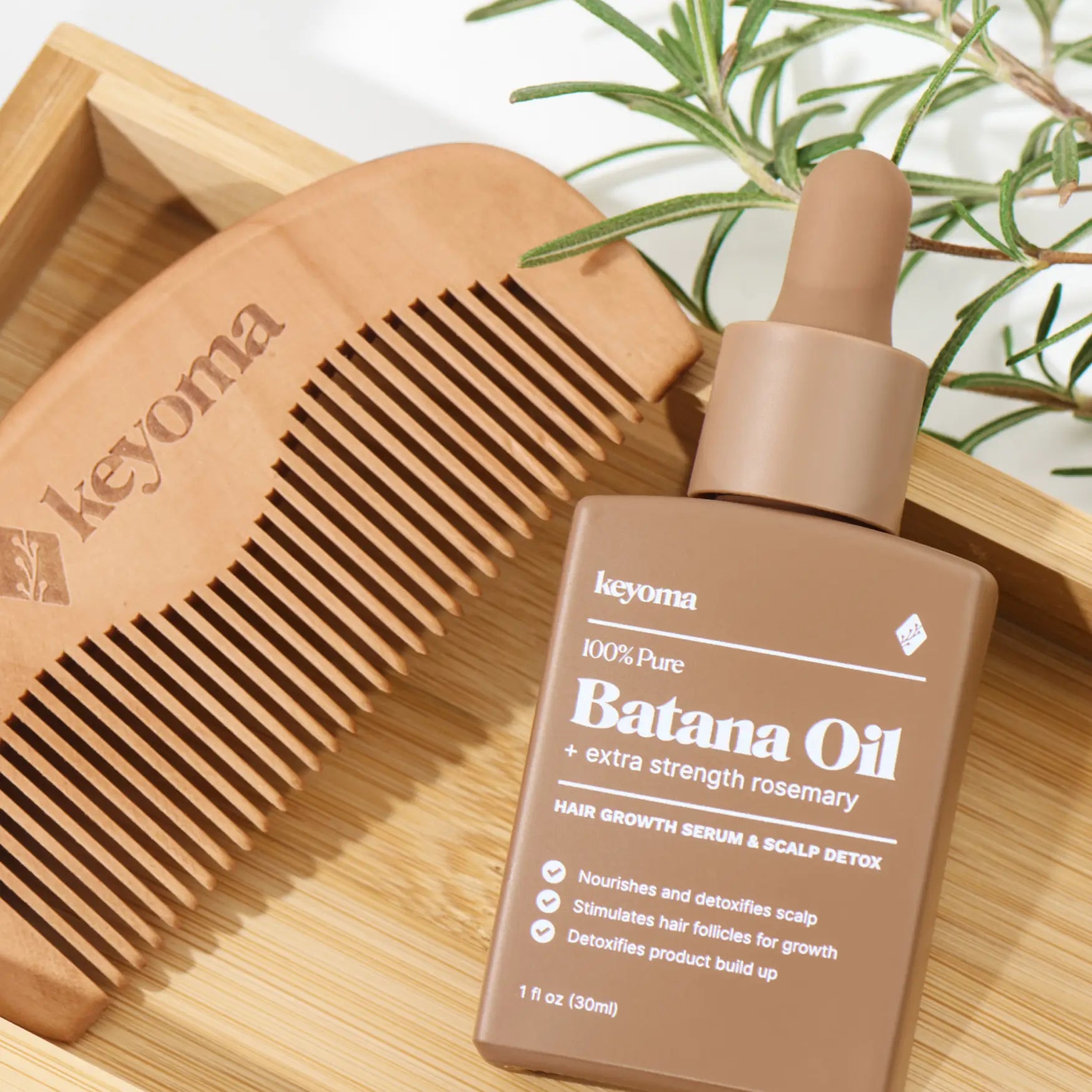
Choose Keyoma Batana Oil as steady support if you're worried about DHT-driven shedding. Because DHT can bind to scalp follicle receptors and gradually shrink follicles, thinning often shows up at the temples and crown.
The less obvious takeaway is to stop looking for a “true blocker” in an oil and start using what reliably supports the environment around the follicle. It's also clear here that batana oil is not a clinically proven DHT blocker, but it may help by supporting scalp health and strengthening hair with antioxidants like vitamin E.
Featured Product
30% Off + 3 FREE Gifts
100% Pure Batana Oil + Rosemary


