

In this article
Are you dealing with hair issues like dryness, breakage, dandruff, or slow growth? Is your hair still rough, tangled, or dull even after using pricey products?
Often, these problems pop up from not enough nourishment and too much heat styling. That's where milk can be a game-changer for your hair! Milk is packed with protein, calcium, biotin, vitamin D, and essential fatty acids.
It works as a natural conditioner to strengthen your hair, moisturize your scalp, and reduce dandruff and hair fall. Whether you drink it or put it right on your hair, milk can turn dull, lifeless locks into soft, shiny, strong hair.
However, the benefits can vary depending on the milk. Cow’s milk, almond milk, coconut milk, and goat’s milk all have different nutrients that can help your hair in their own way. But how do you know which milk is right for you?
In this blog, we will dive into 7 ways milk can help your hair, the best kinds of milk for your hair type, and 5 simple DIY milk treatments you can easily make at home for salon-like results. Keep reading to learn more!
Key Takeaways
-
Milk provides proteins, vitamins, minerals, and healthy fats that strengthen hair, moisturize scalp, support growth.
-
Regular milk based treatments can reduce dryness, dandruff, breakage, and improve shine and smoothness.
-
DIY options include rinses, masks with honey, banana, egg, and simple frizz controlling sprays.
-
Different milks suit different needs, and batana with rosemary oil can enhance results.
How is milk good for hair?
Milk contains proteins like casein and whey that can thicken and strengthen hair. It also has vitamin D, which can help new hair follicles grow. Milk is also a great source of calcium, which can prevent hair loss and help hair grow.
Plus, milk contains other vitamins and minerals like vitamins A, B6, B7, E, and potassium that soften and shine your hair, getting rid of dry and frizzy strands.
Milk Benefits For Hair Care

Hair problems like dryness, breakage, dandruff, and hair fall are common because of pollution, heat styling, and not eating right. Milk is a natural source of protein, vitamins, and essential fatty acids that deeply nourishes hair, making it stronger, shinier, and healthier.
Whether you use it on your hair or drink it, it gives you important nutrients like biotin, vitamin D, calcium, and protein that can fix damage and help your hair grow. Let's check out how milk helps your hair and how to use it best:
Strengthens Hair Strands
Weak, brittle hair often means you need more protein, which can lead to split ends and breakage. Milk should be a must in your hair routine because it has casein and whey protein.
These are important for strengthening hair from the inside out, so it's less likely to get damaged. The calcium in milk can also help your hair's structure, keep it elastic, and stop breakage.
Vitamin B12 and biotin also help make keratin, which makes your hair naturally stronger. I've noticed that using a milk rinse after shampooing seems to make my hair feel a bit stronger.
Explore the vitamins that helps for hair growth.
Promotes In-Depth Hair Growth
Slow hair growth or thinning hair often happens when you don't get enough important nutrients. Milk has vitamin D, which can make your follicles healthier and help new hair grow.
The protein in this nutritious food nourishes the scalp, improving how thick and dense your hair is. Also, the magnesium and phosphorus in milk can help cells regenerate, which keeps your hair growing.
Hydrates Scalp & Moisturises Hair
A dry scalp can lead to flakes and brittle hair, making your hair look dull and lifeless. The natural fats in milk, like omega-3 fatty acids, can really hydrate your scalp, locking in moisture and keeping your hair soft. Lactic acid gently gets rid of dead skin cells, which prevents dryness and improves your scalp's health.
Reduces Dandruff & Scalp Irritation
An itchy scalp and dandruff are often caused by fungal infections or just being too dry. Milk has lactic acid, which is known to get rid of dead skin cells and dandruff flakes. The natural fats and proteins in milk can also soothe an irritated scalp, reducing redness and itchiness.
Milk proteins can also protect your scalp, keeping it nourished, making it a great way to deal with dandruff without using harsh chemicals.
Prevents Hair Loss & Breakage
Hair fall is usually linked to weak follicles and not enough nutrients. Milk is full of calcium, biotin, and vitamin A, which all strengthen hair roots and prevent too much shedding. The keratin-boosting parts of milk make follicles healthier, so hair is more resistant to damage from the outside.
Enhances Hair Shine & Smoothness
If your hair is dull and rough, it probably needs more hydration and protein. The fatty acids in milk coat the hair shaft, which makes it naturally shiny and smooth.
Vitamin B5 (pantothenic acid) helps fix damage on the surface, making hair look more polished and silky. The proteins in milk also fill in rough spots on the cuticle, reducing frizz and flyaways.
Detangles Your Hair Naturally
Knots and tangles can make hair break more easily and cause split ends. Milk naturally conditions hair, softening strands to make detangling easier. The proteins in milk smooth the hair cuticle, which reduces friction between strands.
Explore these easy ways to detangle hair without breakage.
How To Use Milk For Hair Health

Milk is not just for drinking. For a simple milk rinse, shampoo your hair first. Then, pour 1 cup of full-fat milk for dry hair or skim milk for oily hair over your scalp and hair. Let it sit for 5 to 10 minutes, and then rinse well with lukewarm water for softer hair.
Milk and Honey Hair Mask
You'll get more nourishment with this. Mix 1 cup of milk with 2 tablespoons of honey, put it on your scalp and hair, and let it sit for 30 minutes. Then, wash it out with a gentle shampoo to hydrate and condition.
Explore these 15 DIY hair masks for thinning and damaged hair.
Milk and Banana Hair Pack
This is great if your hair is dry or damaged. Mix 1 ripe banana with ½ cup of milk, smooth it onto damp hair, leave it for 30 minutes, and rinse with lukewarm water to help make your hair soft and easy to manage.
Milk and Egg Protein Treatment
For extra strength, mix 1 egg with ½ cup of milk, put it on your hair and scalp, leave it for about 20 minutes, and then rinse with cool water to help weak or fragile hair with protein.
Milk Spray
This is the easiest way to control frizz. Fill a spray bottle with milk, spray it lightly over dry hair, and comb through to smooth flyaways for a sleek, frizz-free finish.
Batana with Rosemary Oil Finisher
After any of these milk treatments, warm a few drops of batana with rosemary oil between your hands and smooth it over your scalp, the middle of your hair, and the ends. This can add extra nourishment, help keep moisture in, and make your scalp and hair look healthier and shinier.
What Kind Of Milk Is Good For Hair?

Different kinds of milk have different nutrients, so the best one depends on what your hair needs most. Here's how each type can help, so you can choose the one that's right for your hair goals.
1. Coconut milk
Coconut milk works like a rich, deep conditioner. It’s full of healthy fats that nourish your hair from the roots to the tips. The papers I saw show that it can help reduce protein loss from the hair shaft, which makes it a popular choice for thick, curly, or very dry hair that needs intense care.
2. Cow's milk
Cow's milk is a classic choice that's full of protein and calcium to help make your hair stronger. These nutrients may reduce breakage over time, making cow’s milk a good choice if you want your hair to feel thicker and more resilient.
3. Goat's milk
Goat's milk acts as a natural moisturizer, packed with healthy fats that help soften your hair and scalp. Its smaller fat molecules might be easier for some hair types to absorb, making it helpful if your scalp feels tight, itchy, or easily irritated.
4. Almond Milk
If your hair feels dry, rough, or frizzy, almond milk can give it a softer, smoother feel. It contains vitamin E, healthy fats, and antioxidants that support scalp blood flow and help protect strands from everyday damage.
Because almond milk is usually lighter than heavy oils, it is a good match for fine, wavy, or slightly oily hair that still needs moisture without feeling weighed down.
You can use plain, unsweetened almond milk as a quick rinse after shampooing or mix it with ingredients like honey or aloe vera for a simple hydrating mask. Just avoid flavored or heavily sweetened versions, since added sugars and flavors are not helpful for your scalp.
5. Soy Milk
If you avoid dairy or prefer plant-based products, soy milk is a flexible option for hair care. It is a good source of plant protein, which can support hair strength and help your strands feel less brittle over time. Soy milk also contains B vitamins and minerals that may support a healthier scalp environment.
Soy milk works well as a base for DIY hair masks when you mix it with oils, honey, or mashed banana. This kind of treatment can help dry or color-treated hair feel softer, smoother, and easier to manage. If you prefer plant-based products, soy milk also gives a bit of protein, which can support stronger strands over time.
No matter which milk you choose, go for one that is unsweetened or low in added sugar, since extra sugar can cause buildup on your scalp and hair. You can use milk on its own as a simple hair rinse after shampooing or blend it into homemade masks for extra hydration.
Store any leftover milk in the fridge, use it within a day, and do a quick patch test if you have a history of dairy or soy allergies.
Start a Milk Hair Routine With Keyoma This Week
Most people stop at a quick milk rinse, but the real shift happens when you layer treatments by hair texture. If your strands are fine or oily, skip full-fat cow's milk and reach for almond or skim instead—heavy fats can weigh you down.
For thick or coarse hair, coconut milk's protein-lock effect works best when you apply it to damp (not soaking) hair and leave it for a full 30 minutes.
Try this: pick one milk type that matches your texture, test a rinse twice this week, then graduate to a mask only if you see softness without grease. Ready to lock in that moisture long-term? Explore batana oil with rosemary in the Keyoma Hair Care blog for step-by-step finishing guides and fresh pairing tips.
Featured Product
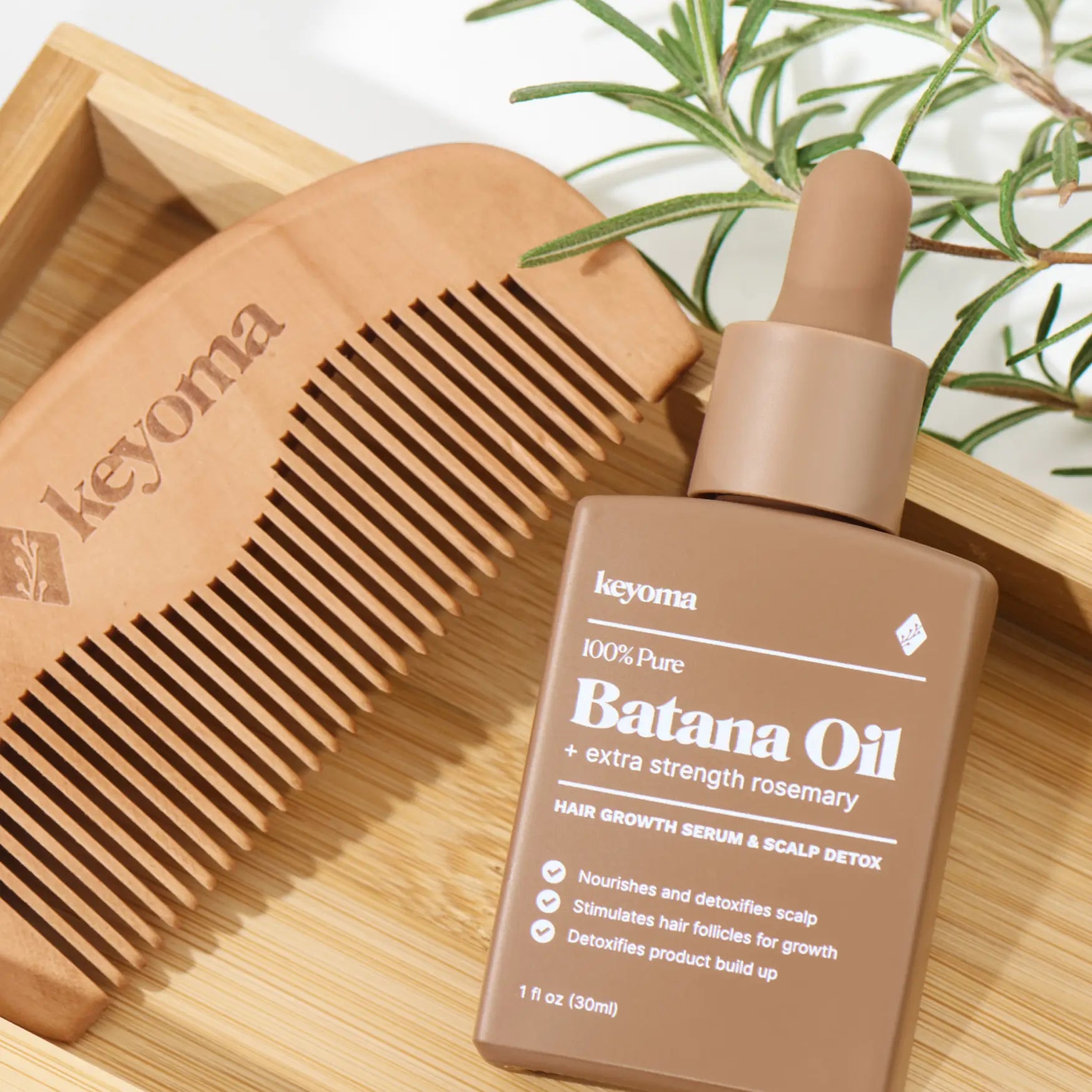
30% Off + 3 FREE Gifts
100% Pure Batana Oil + Rosemary


