
In this article
Knowing your hair type in general can make it easier to understand how to style and care for it. For instance, some hair types need more conditioning than others, while some have more specific styling demands.
This guide walks you through the main textured hair types and what matters when caring for your own, so you can choose the best natural treatment with more confidence.
Key Takeaways
-
Textured hair usually refers to naturally wavy, curly, or coily strands with a visible pattern.
-
Your follicle shape drives hair texture, not ethnicity or race alone.
-
The main texture categories are wavy, curly, and coily hair, each with subtype differences.
-
Moisture, gentle washing, and lower-damage styling can help textured hair stay healthier.
What Is Textured Hair?
Even though all hair technically has texture, the term textured hair is usually used for strands with a natural bend, curl, or pattern. Hair in this group can range from loose waves to tight coils.
People often tie hair texture to race or ethnicity, but your strand pattern is actually shaped by the structure of your hair follicles. Straight hair grows from a round follicle, while textured hair usually comes from a more oval or elliptical one. That longer shape makes the strand curve at the root and grow in a defined pattern.
Different Hair Texture Types

The phrase "textured hair" includes many shapes and patterns that fall under a common typing system. This system groups natural hair into four main types: Type 1 (straight), Type 2 (wavy), Type 3 (curly), and Type 4 (coily). Each type can be split further into A, B, or C subcategories based on the wave or curl pattern. For example, 4C hair describes coily strands with a tighter pattern than 4B hair.
Below is a simple breakdown of the top three textured hair categories.
Wavy Hair
Wavy hair has a gentle bend and sits between straight and curly hair. Also called Type 2 hair, it can range from loose waves to more defined S-shaped patterns.
Curly Hair
Curly hair, also known as Type 3, has visible spiral-shaped curls. The pattern can vary from loose curls to tighter ringlets.
Coily Hair
Coily hair includes strands with tight coils or zigzag-like patterns. It is often grouped into subtypes based on how tight the curl is: Type 4A, 4B, and 4C.
Haircare for Textured Hair: 3 Tips To Try

Products can’t change your genetics, but they can improve how your natural texture looks and feels.
When you build a routine around your own strands, it’s easier to give textured hair the right level of care and nourishment. Here are a few things to keep in mind as you shape a routine for your textured hair:
Cleanse with Care
Conditioner gets a lot of attention when people talk about moisture, but good hydration starts earlier in your routine. Shampoo clears away dirt, oil, and buildup so your strands can take in moisture more effectively.
Before you shampoo, smooth a small amount of batana oil over your hair as a pre-wash treatment. Work it gently through your scalp and hair lengths and leave it on for 15–30 minutes. I noticed hair felt less rough when I did this before wash day. This step may help soften dry strands and limit moisture loss during cleansing.
Then wash with a moisturizing shampoo that fits your curl pattern. Finish wash day with a deeply hydrating conditioner to help seal moisture in.
Pamper Your Strands
As mentioned earlier, textured hair can break more easily. To help offset that, replace your regular conditioner every few wash days with a rich, repairing treatment. Hair masks can deliver deeper moisture and support repair across hair types and textures. They sink into the hair to coat the surface and help repair damage deeper inside the strand.
Avoid Hair-Damaging Techniques
Heat can be rough on your strands, and that may matter even more if you have textured hair. That’s why careful styling is important. If you still want to use hot tools, add a heat protectant to your routine.
Choose a weightless spray that helps guard against heat damage from blow-dryers, hooded dryers, flat irons, and diffusers up to 450°F.
Heat protectants can help, but it’s also smart to keep a few no-heat styles in your rotation. You have plenty of ways to style textured hair without heat, including two-strand twists and braids as well as twist-outs.
Common Mistakes to Avoid in the Pursuit of Textured Hair
Along with the tips above, it helps to know which habits can get in the way of textured hair.
-
Using too much product: As noted earlier, piling on too many texturizing products can leave hair greasy and heavy. A small amount usually goes a long way.
-
Ignoring your hair type: Every person’s hair is different, so the products and methods that create textured hair can vary. Instead of copying someone else’s routine, test what works best for your own hair.
-
Skipping prep: Textured hair does best with a strong base, so wash and condition before styling. That helps your hair stay clean and ready for the texturizing process.
-
Over-brushing: Too much brushing or combing can undo the texture you created. Use your fingers to lightly tousle and separate your strands instead.
Keep these tips in mind and avoid these common mistakes if you want the textured look you’re after. Now you know how to add texture to hair for men.
Care for Textured Hair With Moisture-First Styling Steps
Think of your hair texture as a care cue, not only a styling label. Textured hair tends to be more breakage-prone, so the best results often come from cutting damage before you focus on hold or definition.
The more helpful shift is to stop following routines built for someone else’s pattern and start building around what your own strands need. A moisturizing wash routine, regular treatment support, and less heat can do more for long-term texture than piling on extra products.
Once you know your pattern and where it tends to struggle, your routine gets simpler and your hair becomes easier to handle. Explore more natural hair care tips to keep building from there.
Featured Product
30% Off + 3 FREE Gifts
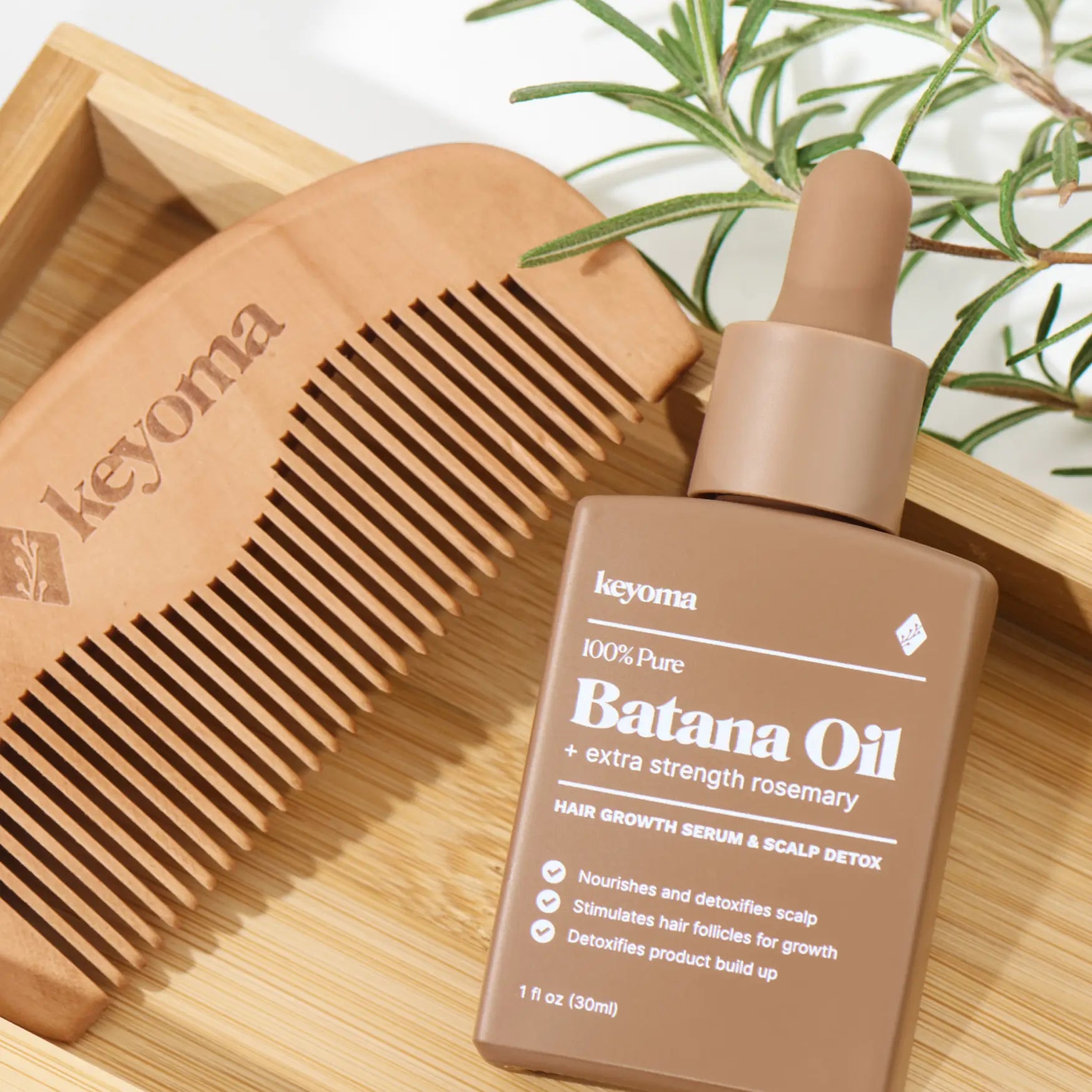
100% Pure Batana Oil + Rosemary


