

In this article
Batana oil has become more common in modern hair routines, especially for people looking for natural ways to support scalp health and stronger strands. The Miskito people of Honduras have used this oil for a long time, where it has traditionally been linked with hair and scalp care.
As batana oil becomes more popular, many people ask a practical question before using it: can it clog pores?
The short answer is that oils do not affect every skin type the same way. Some people use batana oil without pore issues, while others may feel that richer oils sit heavy when they apply too much or use them on areas that break out easily.
When you understand how comedogenic oils behave, it becomes easier to decide whether batana oil belongs in your scalp, hair, or beard routine.
Key Takeaways
-
Batana oil is generally seen as low to moderately low on the comedogenic scale.
-
Richer oils may feel heavier on oily or acne-prone skin, especially near the hairline.
-
Scalp buildup usually comes from overuse, layered products, and not washing often enough.
-
Using smaller amounts and cleansing regularly can help limit residue, heaviness, and congestion.
What Does Comedogenic Mean?
If you see the word "comedogenic" on a product label, it means the product may contribute to comedones. Comedones are pores or follicles that usually fill with bacteria, oil, and dead skin cells, and they can become blackheads or whiteheads.
Blackheads and whiteheads are not the only possible downside of comedogenic products. In some skin types, these ingredients may also weaken the skin barrier, which can trigger inflammation and make existing acne worse.
It also helps to know that many comedogenic hair and skin products will not say "comedogenic" on the label. Most brands avoid wording that suggests an ingredient could clog pores or lead to acne.
Comedogenic ingredients may still help people with dehydrated skin because they can provide more moisture. Even so, they are usually not the best match for acne-prone skin.
Is Batana Oil Comedogenic?
Batana oil is usually considered low to moderately low on the comedogenic scale, often estimated around 1 to 2 out of 5. Still, because it is a richer plant oil, it can feel heavier than lighter options such as jojoba oil or grapeseed oil.
That means batana oil is not automatically pore-clogging, but how it acts on your skin often depends on factors such as:
-
skin type
-
scalp condition
-
how much oil is applied
-
how often the hair or scalp is washed
For people with dry scalps, coarse hair, or textured hair types, richer oils can offer useful moisture support.
For people with oily or acne-prone skin, heavier oils may sometimes lead to buildup or congestion when they are used too close to facial skin or applied in excess.
So while batana oil is not usually viewed as a highly comedogenic oil, it still makes sense to use it carefully based on your scalp type, skin sensitivity, and routine.
Why Some Oils Cause Breakouts or Scalp Buildup

When people break out after using oils, the issue is often more complicated than the oil alone.
Two different concerns often get mixed together: pore clogging and product buildup.
Oil Weight and Texture
Heavier oils stay on the skin longer and create a more occlusive layer at the surface. In skin care research, occlusive ingredients are known to reduce transepidermal water loss, which can help dry skin and scalps. The tradeoff is that richer textures may also trap more residue when they are overapplied or layered heavily.
Amount of Product Used
The amount you use matters more than many people think. A small amount of oil may soften the scalp or hair without leaving much residue, while overapplying can leave more product sitting on the skin surface and around follicles. I noticed buildup showed up faster when heavier oils were reapplied before wash day.
Wash Frequency
Wash frequency changes how oils behave too. Research on scalp cleansing shows that washing less often leaves sebum, sweat, dead skin cells, and cosmetic residue on the scalp for longer. Over time, that buildup can create heaviness, irritation, or bumps that may feel like the oil itself caused the problem.
Skin and Scalp Type
Your skin and scalp type shape the response. People with oily or acne-prone skin usually make more sebum, so adding a richer oil on top may increase the feeling of heaviness or congestion. By contrast, people with drier skin or coarse hair may tolerate the same oil much better.
Hairline and Beard Areas
The hairline and beard area can react differently because they sit closer to facial skin, where sebaceous glands are more active and acne tends to show up more often. That is one reason residue usually becomes more obvious there first.
How Batana Oil Behaves on the Scalp and Hairline

The scalp and the skin near your hairline do not behave the same way, even though they are right next to each other.
Follicles on the scalp sit in thicker skin and often handle heavier oils more easily than facial skin does.
Batana Oil for Hairline Use
The hairline sits between scalp care and facial skin care, which means application habits matter more in this area.
Using too much oil right along the hairline can let residue spread onto the forehead or temples, which may raise the chance of clogged pores for acne-prone skin.
Using a smaller amount and placing the oil slightly behind the hairline can help lower that risk.
Batana Oil Buildup on the Scalp
Scalp buildup is usually tied to the routine, not just the oil itself.
Buildup becomes more likely when:
-
too much oil is applied
-
oils are layered with styling products
-
the scalp is not washed regularly
When it is used in moderate amounts and washed out properly, many people find that batana oil conditions the scalp without leaving heavy residue behind.
Is Batana Oil Safe for Acne-Prone or Sensitive Skin
People with acne-prone or sensitive skin can still use batana oil, but they usually do better with a more controlled routine.
Dermatologists generally suggest introducing richer oils gradually so you can see how your skin responds.
Using smaller amounts and avoiding direct contact with facial skin can help lower the chance of breakouts.
For many people, batana oil works best when it is used mainly on the scalp or along the hair lengths rather than as a heavy leave-on product near the face.
This approach lets you benefit from the oil’s conditioning effects while reducing potential pore concerns.
How to Use Batana Oil Without Clogging Pores

Using batana oil the right way can help reduce the risk of buildup or pore congestion. Dermatology guidance often emphasizes that richer oils work best when they are used in controlled amounts and paired with regular cleansing.
Step 1: Start With a Small Amount
Batana oil is concentrated, so a little often goes a long way. A few drops are usually enough to coat the scalp or hair without leaving heavy residue. Cosmetic research on hair oils shows that thin layers can help condition strands while reducing the greasy feel that comes from overapplication.
Step 2: Apply It to the Right Areas
Where you place the oil matters. Batana oil can be used on the scalp, through the hair lengths, or in a beard routine. Still, putting large amounts directly on the forehead, temples, or upper cheeks can raise the chance of clogged pores in acne-prone areas.
Step 3: Use It as Part of a Wash Routine
Regular cleansing plays an important role in stopping buildup. Dermatology research on scalp hygiene shows that cleansing removes excess sebum, dead skin cells, and cosmetic residue that can collect around follicles. My scalp felt cleaner when oiling stayed paired with a set wash schedule.
Step 4: Adjust Based on Your Scalp Type
Different scalp types handle oils differently. Dry scalps often benefit from richer oils because they help reduce moisture loss and improve comfort. Oily scalps may need smaller amounts and more frequent cleansing to keep residue under control.
Step 5: Watch How Your Skin Responds
Your scalp and skin will usually tell you whether the routine is working. If the scalp feels comfortable and the hair becomes softer or easier to manage, the amount may be right. If heaviness, buildup, or breakouts show up, it may be time to use less or change where you apply it.
Is Batana Oil Right for You?
Yes, batana oil may be a good match for you if you want a richer oil that supports scalp comfort, moisture retention, and softer hair, but it usually works best when the routine fits your skin and scalp type.
It may be worth trying if you:
-
want more moisture support for a dry or tight-feeling scalp
-
prefer richer oils for thicker, coarse, or textured hair
-
need help softening dry strands and reducing roughness
-
plan to use it as part of a wash routine instead of layering it heavily every day
It may need a more careful approach if you:
-
get oily buildup near the scalp line easily
-
are prone to bumps around the hairline
-
have sensitive or acne-prone skin near the forehead or temples
-
already use multiple leave-on scalp or styling products
If batana oil fits your routine, you may notice less dryness, softer hair, better moisture retention, and a more comfortable scalp feel. If it does not, the first signs are usually heaviness, greasy residue, bumps near the hairline, or a scalp that feels coated.
A patch test is still the safest way to start, especially if your skin is reactive or you are new to richer oils.
Use Batana Oil Sparingly on Acne-Prone Skin
Stop treating “comedogenic” like a final verdict and start treating it like a fit question. Batana oil sits around 1 to 2 out of 5 on the comedogenic scale, which means the bigger issue is not whether the oil is automatically bad but whether your skin and routine can handle a richer texture.
That distinction matters because good hair care is usually about compatibility, not extremes. An oil can feel nourishing, calming, and worth keeping when it matches your scalp and hairline instead of working against them.
Featured Product
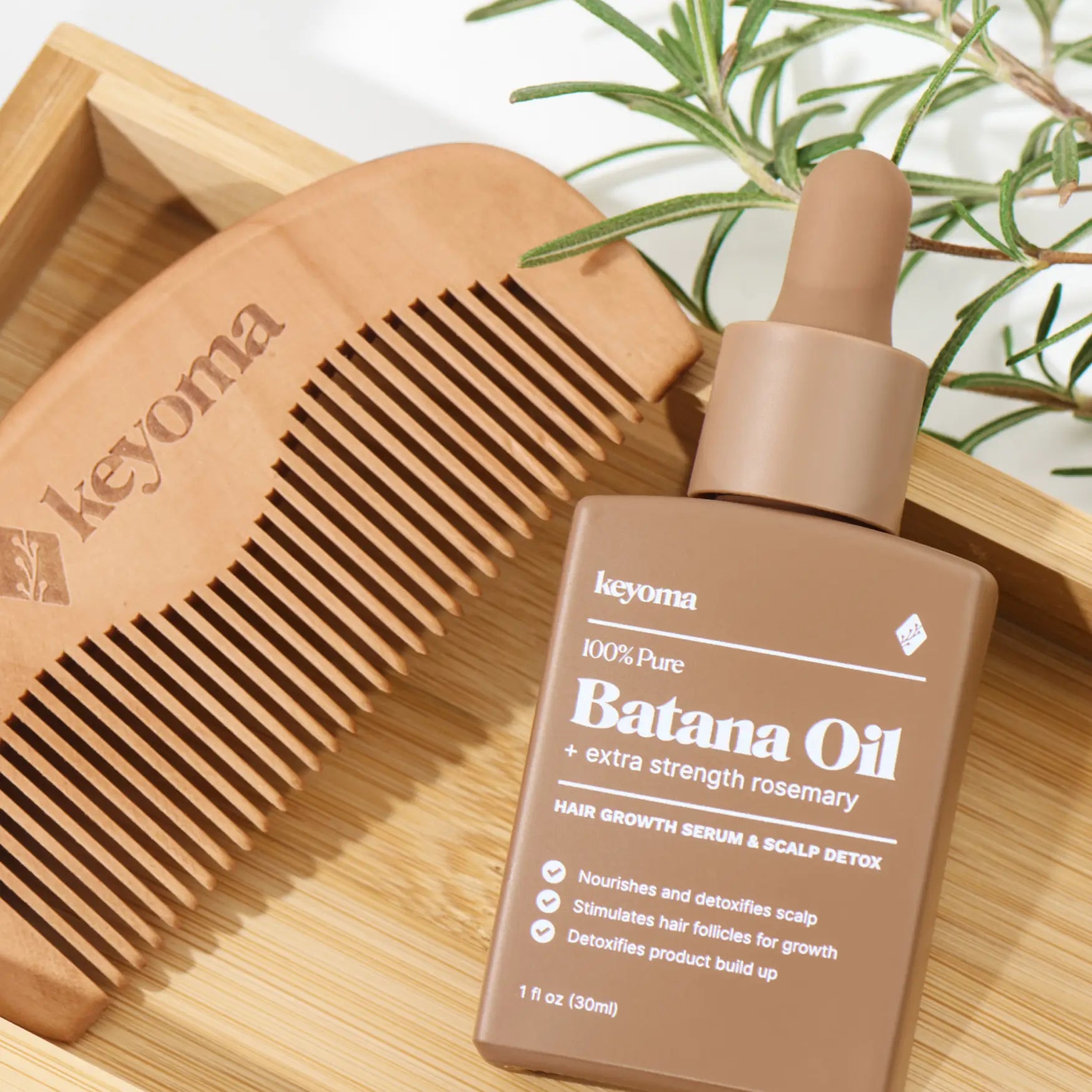
30% Off + 3 FREE Gifts
100% Pure Batana Oil + Rosemary


