

In this article
Seeing greasy roots and an itchy scalp? Is the oil throwing off your style? You may be dealing with wet dandruff. Those white flakes on your shoulders and a slick scalp are classic signs. If your scalp feels damp after scratching, it helps to learn what this stubborn dandruff is and why it happens.
Here, you’ll learn what triggers wet dandruff and what treatment might look like. Wet dandruff can sound intimidating, but we’ll walk you through simple ways to manage it at home with easy tips. First, let’s define what wet dandruff means. Then we’ll cover practical steps you can take right away.
Key Takeaways
-
Wet dandruff develops when excess scalp sebum traps dirt and microbes, creating oily buildup.
-
Common triggers include psoriasis, fungal infections, eczema, infrequent washing, and seborrheic dermatitis flareups.
-
Symptoms include greasy clumped flakes, scalp odor, tenderness, itchiness, redness, and quickly greasy hair.
-
Care focuses on regular shampooing, soothing plant treatments, pausing harsh styling, and improving overall diet.
What Wet Dandruff Is and How It Develops
Your sebaceous glands make sebum, the natural oil that keeps your scalp moisturized. When these glands produce enough oil, it helps prevent a dry scalp and dry-type dandruff. Too little oil can lead to dandruff, scalp infections, and increased hair fall for many people over time.
On the flip side, producing too much sebum can spark several hair issues, including wet dandruff that tends to linger. When glands turn overactive, they pump out extra oil that doesn’t help and can actually stress your hair and scalp. The excess leaves your scalp sticky and lets dirt and dust cling to it. That damp, oily buildup creates wet, or oily, dandruff.
Common Causes and Triggers of Wet Dandruff

Excess sebum on your scalp is the main driver of wet dandruff, but several things can cause it to flare up too.
Psoriasis
An autoimmune skin condition, psoriasis causes skin cells to multiply too fast. These cells then build up, creating plaques, or thick patches of skin. Hair isn’t always involved, but when it is, it can sometimes lead to hair loss. While scalp psoriasis can reach your hairline or nearby areas of the face and neck, dandruff appears only on the scalp.
Scalp Infection and Wet Dandruff
Tinea capitis, also called ringworm of the scalp, is a fungal infection that makes the skin itchy and scaly. It can also lead to hair loss and bald spots. This infection is treated with oral antifungal medicine.
Eczema Involving the Scalp
Atopic eczema is one common type of eczema that can involve the scalp, making it red and itchy. It’s a chronic condition that flares from time to time.
Not Washing Your Hair Properly
Shampooing too rarely can let dead skin build up and mix with oil to create dandruff. This tends to be more noticeable if your skin runs oily.
Seborrheic Dermatitis on the Scalp
This causes scaly patches and red skin on oily parts of the body. Seborrheic dermatitis may stem from an inflammatory reaction to Malassezia yeast on the scalp, but stress, hormone shifts, cold or dry weather, and medicines like lithium can also contribute. In some cases, the condition can cause hair loss.
Wet Dandruff Symptoms To Watch For

Wet dandruff shows several clear signs that set it apart from dry dandruff. These symptoms can feel uncomfortable and awkward, so spotting them early helps you act sooner. Because wet dandruff creates a setting where fungi thrive, it may lead to issues like folliculitis (inflamed hair follicles) or scalp infections.
Noticing these symptoms and understanding what causes them can help you take practical steps to treat and prevent them. Here are key wet dandruff symptoms to watch for:
- Oily scalp with a greasy feel: Excess sebum can make your scalp slick or shiny, even soon after a wash. An oily scalp is uncomfortable and can leave hair looking limp and unclean.
- Unpleasant scalp odor: Extra oil, dead skin, and microbial growth can cause a bad smell, especially if you’ve been sweating and haven’t washed recently.
- Scalp sensitivity: Inflammation, excess oil, and scratching can leave your scalp feeling tender or sore.
- Hair that looks greasy soon after washing: Because wet dandruff is linked to an excess oil production, you may see hair look dirty even right after shampooing.
- Greasy, clumped flakes: Flakes appear thick and yellowish or white. They stick together, cling to your scalp and strands, and form greasy patches that are tough to lift.
- Scalp itchiness and irritation: Extra oil and built-up dead skin can trigger annoying itch. Scratching may soothe for a moment but can worsen things, leading to irritation, redness, or small breaks in the skin.
- Redness or inflammation: An overgrowth of Malassezia yeast and ongoing irritation can make parts of your scalp red and inflamed. This can also leave the area more sensitive to touch.
Home Remedies That Treat and Help Prevent Wet Dandruff

Since dandruff stems from oil building up on the scalp, care usually includes improving scalp hygiene and supporting your overall health.
Shampooing for an Oily, Flaky Scalp
If your scalp runs oily, you may need to wash more often. This helps clear the buildup of oil and grime that triggers wet dandruff. Cooler rinse water tends to calm my scalp during winter months. Use a shampoo suited to your hair. Anti-dandruff options and formulas made for greasy hair can help lower wet dandruff over time.
Some people worry that more washing will dry out their hair, and no one wants to swap wet dandruff for frizz. To keep moisture in balance, add a deep conditioning treatment to your routine.
Batana Oil With Rosemary for Wet Dandruff Relief
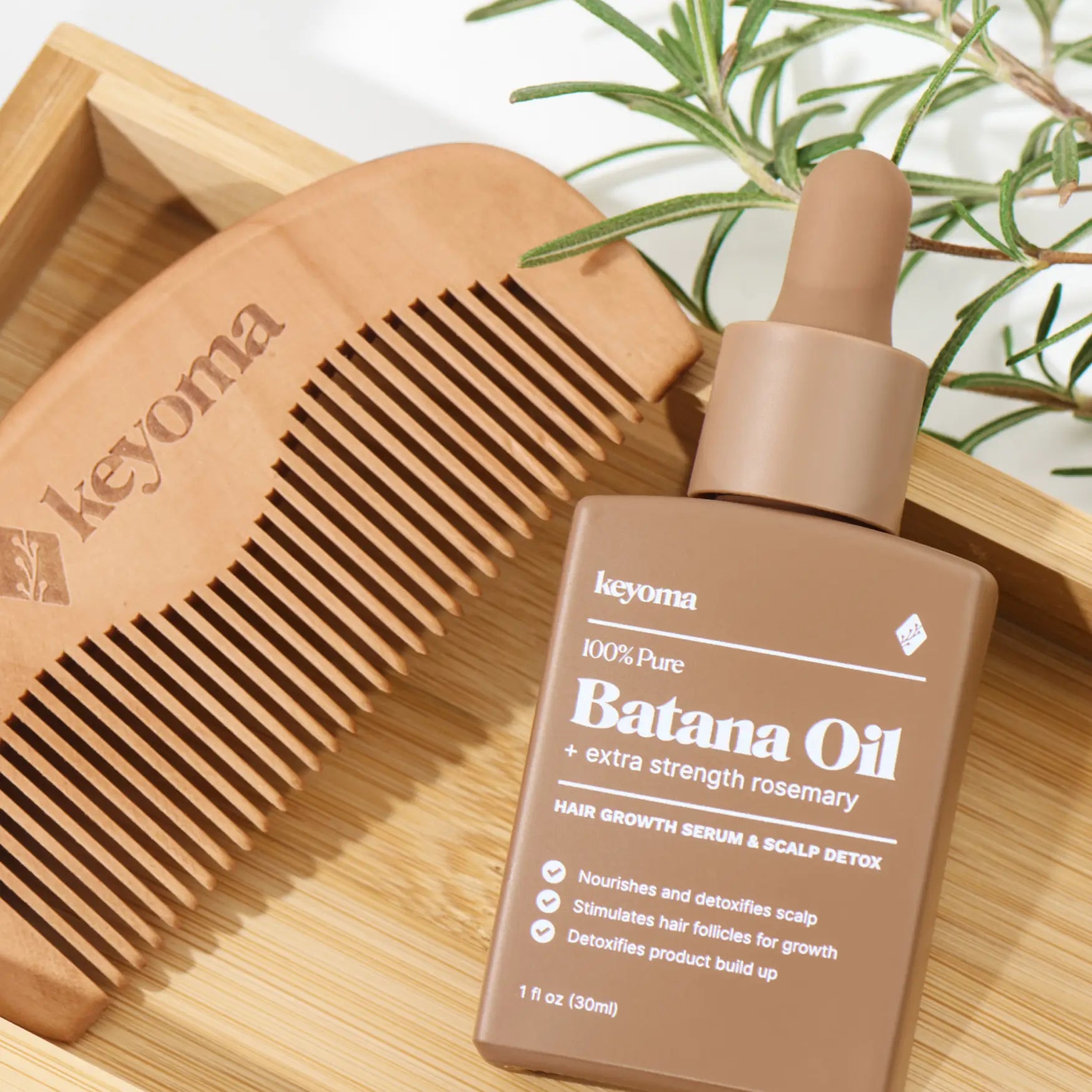
Batana oil with rosemary can be another simple way to care for an oily, flaky scalp. It is rich in fatty acids that help moisturize and protect your scalp, while rosemary oil has natural antioxidant and soothing properties. Together, they may support a healthier scalp barrier and make flakes less noticeable.
You can use a ready-made blend such as batana oil with rosemary. Warm a small amount between your palms and gently massage it into your scalp for a few minutes. Leave it on for about 20 to 30 minutes, then wash with a mild shampoo that suits your hair type.
Start with once a week and adjust based on how your scalp responds. If you have sensitive skin, do a patch test on a small area first.
Aloe Vera for Soothing an Irritated Scalp
Aloe vera gel is a common at-home option for easing wet dandruff. Aloe contains cleansing enzymes plus vitamins and glycoproteins that help soothe the scalp. It can loosen built-up skin cells, oil, and grime that clump into wet dandruff and clear your follicles.
People who use aloe vera gel for wet dandruff often notice less itching and redness. To try it, smooth the gel over your scalp. Soak a towel in hot water, wring it out, and wrap your head. Leave it on for 30 minutes, then rinse the gel away. Doing this two or three times weekly may help reduce wet dandruff buildup.
Fenugreek Seeds for Supporting Scalp Health
Researchers observed that fenugreek seeds, known for antibacterial and antifungal activity, can help ease wet dandruff. The seeds come from a Mediterranean herb and should be soaked overnight to make a paste.
Apply the paste to your scalp and let it sit for about 30 minutes before rinsing with a mild shampoo. You can use this method up to two times per week.
Prescription Medication for Underlying Scalp Conditions
If a skin condition is behind your wet dandruff, talk with a doctor about the best treatment. They may prescribe an antifungal shampoo or medicated lotions and shampoos tailored to the cause.
Take a Break From Hair Styling Products
If a skin condition is driving wet dandruff, pause styling products. The chemicals in many formulas can be harsh on the scalp and make treatment harder.
Change Your Diet To Support Scalp Health
Current evidence suggests diet plays a role in skin disease. If seborrheic dermatitis or psoriasis is causing your wet dandruff, a balanced eating pattern may help improve it. Cut back on heavily processed foods and focus on whole grains, fruits and vegetables, and lean proteins.
Calm Your Wet Dandruff With Keyoma's Gentle Care
Don't assume wet dandruff is just a cosmetic issue. It's not! That oily scalp can create a breeding ground for fungi, possibly leading to folliculitis or even scalp infections. A proactive approach is key.
If you notice greasy, clumped flakes, don't just ignore them. Instead, up your shampoo frequency and consider adding Batana Oil with Rosemary to your routine. The rosemary oil has natural antioxidant and soothing properties. This may support a healthier scalp barrier and make flakes less noticeable.
Eager for more step-by-step guides and fresh tips? Head over to the Keyoma Hair Care blog.
Featured Product
30% Off + 3 FREE Gifts
100% Pure Batana Oil + Rosemary


