

In this article
Where people once grouped hair as simply curly or straight, we now understand there are many more ways to describe it, so where do you fit?
If you think your hair may be 4B but you are not fully sure yet, this is a good place to start. Whether you have dark brown locks or dirty blonde hair, we will walk you through what 4B hair is and the products that can help you care for it.
Start supporting your 4B hair by learning its common challenges, the best care habits, helpful styles, and the products that fit it best.
Key Takeaways
-
4B hair forms tight, Z-shaped coils with strong shrinkage, volume, and less visible definition.
-
Scalp oils move slowly through 4B hair, so dryness and breakage can show up fast.
-
Washing in sections, moisturizing often, and detangling gently can lower stress on strands.
-
Low-manipulation styles and lightweight sealants can help 4B hair stay softer and easier to manage.
What Is Type 4B Hair?
Type 4B hair sits within the coily hair range and has a distinct look. It is known for sharply angled, Z-shaped bends with less pattern definition, which gives it a fluffy, full appearance. This hair type can also be delicate, quick to dry out, and prone to major shrinkage.
What Does 4B Hair Look Like?
From tight coils to bold volume, 4B hair has a lot going for it. Like other hair types, it usually shares a few common features.
If you have 4B curls, you may notice:
-
Dense coils that can bend at sharp angles like the letter Z
-
Coils that often begin at the scalp, giving your hair more upward volume
-
Hair that shrinks a lot, so it looks shorter in its natural state than when stretched
-
Hair with a tighter pattern than 4A but a looser one than 4C
You can also have more than one hair type across your head. For instance, some areas may look more like 4A while others look more like 4B. When that happens, it usually helps to choose products and a routine that match your most common pattern, or to use formulas made for a broader range of curls.
Can You Have Multiple Hair Types?
Even though the hair typing system is controversial, many naturals still find curl pattern labels useful when building a routine. 4B hair may have clear traits, but no two 4B routines are ever exactly the same because no two heads of hair are identical. The same goes for your scalp. You may also have sections of 4A and 4C mixed throughout your hair.
Common Challenges of 4B Hair

4B hair is beautiful, flexible, and rich in texture, but it also comes with specific needs. Its tight pattern can make moisture retention, length tracking, and scalp care harder without a steady routine.
Dryness
4B hair often dries out faster because natural scalp oils have a harder time moving down the hair shaft. Without steady hydration and sealing, strands may feel rough, fragile, or more likely to get damaged.
Shrinkage
Shrinkage is one of the clearest traits of 4B hair, so strands can look much shorter than they really are. While this is a natural sign of elasticity, it can make progress feel harder to spot.
Breakage
Since the strand has many bends and turns, 4B hair can be more prone to weak spots along the shaft. Rough styling, dry detangling, and not enough moisture can all raise the risk of breakage.
Scalp Sensitivity
A healthy scalp supports healthy hair. When buildup, heavy product use, or poor cleansing disrupt scalp balance, itching, flakes, and irritation can become more common.
How Should You Care for Type 4B Hair?

Type 4 hair can be fragile, so you may look for products and techniques that help your curls feel healthier again. Every curl pattern still needs the basics: cleansing, conditioning, lubrication, and as little manipulation as possible to help limit breakage. Beyond those core steps, a few simple habits can make it easier to keep your curls in good shape.
Wash Hair Less
Even though every 4B routine is different, many people with this hair type do well washing a little less often than usual. Weekly cleansing with a moisturizing shampoo can work well for 4B hair.
These shampoos often contain extra emollients that help soften, smooth, and lightly protect the hair. They can also add gloss and leave the hair feeling less stripped. For me, following with a rinse-out conditioner made the biggest difference.
Optimize Your Wash
Wash day matters for overall hair health, so it helps to use the right products for cleansing, detangling, and styling. Type 4B hair may do well with co-washing, but it should not replace regular shampoo completely.
The LOC method is often useful here. Keep the routine simple. Also check the ingredients in your leave-in conditioner, because too much hydrolyzed protein can make strands feel stiff, dry, or brittle.
4B hair usually should not rely too heavily on co-washing, since it does not clean the scalp the way shampoo does. Skipping shampoo too often can leave room for buildup and scalp issues.
Moisture Your Curls
Type 4B hair is often dryness-prone, and moisture helps keep it hydrated and may reduce breakage. To keep moisture levels up, try a monthly hot oil treatment and use pure batana oil for regular upkeep. Natural hair can pull in moisture quickly, so consistent moisturizing matters. One reason 4B hair dries out so easily is that its sharp bends make it harder for sebum to coat the full strand. That is why moisture deserves a central place in your type 4 routine.
Even though moisture matters, 4B hair can still get overloaded with too many products. A solid leave-in and the sealant you prefer are often enough. I noticed applying products to soaking wet hair tended to work better.
Avoid Silicone
Products with silicone are usually best avoided unless you are also using a sulfate shampoo to clear buildup from the strands. If silicone is part of your routine, 4B hair also needs moisture replaced with a hydrating shampoo.
The best way to know whether silicone works for you is to watch how your hair responds. Some silicones may suit tighter coil patterns like 4B because they can seal in moisture and add another layer of protection.
Wash in Sections
Many naturals do not love wash day because proper care can take a lot of time. Since 4B hair is often dense and coarse, washing in sections can make the process easier. Sectioning also helps you clean the scalp more thoroughly, which matters with dense hair. High density can make it harder to fully cleanse both hair and scalp, and that can lead to irritation and dryness.
Manage Your Protective Styles
If you wear protective styles with 4B hair, do not forget to care for your hair while it is tucked away. I recommend using a light oil on your scalp once or twice a week when you have braids or cornrows.
It is easy to ignore protected hair, but it still needs moisture just like your loose hair does. Spending a few minutes before bed to add moisture when needed, secure the ends, and cover your hair can help.
Make Use of Satin Pillowcases
A satin pillowcase can be a helpful part of your hair routine. Still, it is worth remembering that a satin pillowcase alone will not undo hair damage. If your hair is very dry or breaking, the pillowcase is not the main reason.
Best Hairstyles and Cuts for 4B Hair
Type 4B hair is very versatile, so there are many styling and cutting options that work well with its dense, zigzag pattern. The best choices usually highlight the hair’s natural shape while helping reduce too much handling.
-
Round halo cuts that create a full, balanced shape
-
Angular bobs that bring more structure and form
-
Rod sets that create more even definition
-
Twist sets that stretch the hair and bring out texture
-
Braid sets that create a wavy or elongated finish
When you style 4B hair, the main goal is to pick something that fits your lifestyle and upkeep routine. Many people do best with styles that reduce daily handling, since repeated manipulation can weaken the ends over time.
-
Two-strand twists for a protective, low-upkeep style
-
Twist-outs for added definition after wearing twists
-
Mini twists that last longer and cut down on daily styling
-
Flat twists for a neat protective choice
-
Cornrows that keep the hair secure and protected
For styles that show off the natural pattern, the right styling products can help. A gel or curl lotion may help group strands together, improve definition, and support the curl pattern.
-
Wash-and-go styles that show the natural curl pattern
-
Bantu knots that can also become a knot-out style
-
Afro or puff styles that highlight natural volume
-
Defined styles created with finger coiling or twisting
Best 4B Hair Products

The best 4B hair products focus on holding moisture, cleansing gently, and reducing breakage. Because 4B strands have tight bends and angles, scalp oils do not move down the shaft very easily. That is why routines that pair cleansing, conditioning, and moisture sealing often work best.
Moisturizing Oil
A lightweight but nourishing oil can be an important part of a 4B routine because it helps seal in moisture and improve manageability. This is one place where batana oil can be especially useful.
Pure batana oil is often used for dry or fragile hair because it helps coat the strands and hold in hydration. You can apply it through the mid-lengths and ends after moisturizing, use it in the LOC method, or add it to a warm oil treatment when your hair feels extra dry.
Moisturizing Shampoo
4B hair often benefits from a moisturizing shampoo that cleans both scalp and hair without stripping away too much natural moisture. Since oils and styling products can build up over time, gentle cleansing helps keep the scalp balanced while leaving strands softer.
Using a moisturizing shampoo on a regular basis can help clear buildup while still preserving hydration.
Rinse-Out Conditioner
A rinse-out conditioner helps bring back softness after shampooing and adds slip for detangling. For 4B hair, that matters because easier detangling can lower tension on the strands and help prevent avoidable breakage.
After cleansing, a conditioning step helps smooth the cuticle and gets the hair ready for moisturizing and styling.
Leave-In Conditioner
A leave-in conditioner gives ongoing hydration after wash day and helps build a base for styling. This can make hair easier to handle, especially when you are getting ready for twists, braids, or stretched styles.
Leave-in conditioners are often used as the first step in the LOC method, helping hair take in and hold onto moisture before oils or creams go on.
Curl Cream or Styling Gel
A styling product like a curl cream or styling gel can help improve definition and hold. These are commonly used for twist-outs, braid-outs, rod sets, and wash-and-go styles.
Depending on the result you want, a styling product can help group strands, enhance the natural pattern, and keep definition in place through the day.
Strengthen 4B Hair Care With Pure Batana Oil
Make pure batana oil the step in your 4B routine that helps keep moisture from leaving too quickly. 4B hair has sharp bends that make it harder for scalp oils to travel down the strand, which is why dryness and breakage can show up even when your hair still looks full.
A better shift is to stop judging your routine by looks alone. Volume can hide stress. Hair that feels softer, detangles with less resistance, and stays moisturized longer is usually in a better place than hair that only looks defined for a day. When your pattern needs more than styling help, Keyoma’s 100% Pure Batana Oil with Rosemary is worth a closer look.
Featured Product
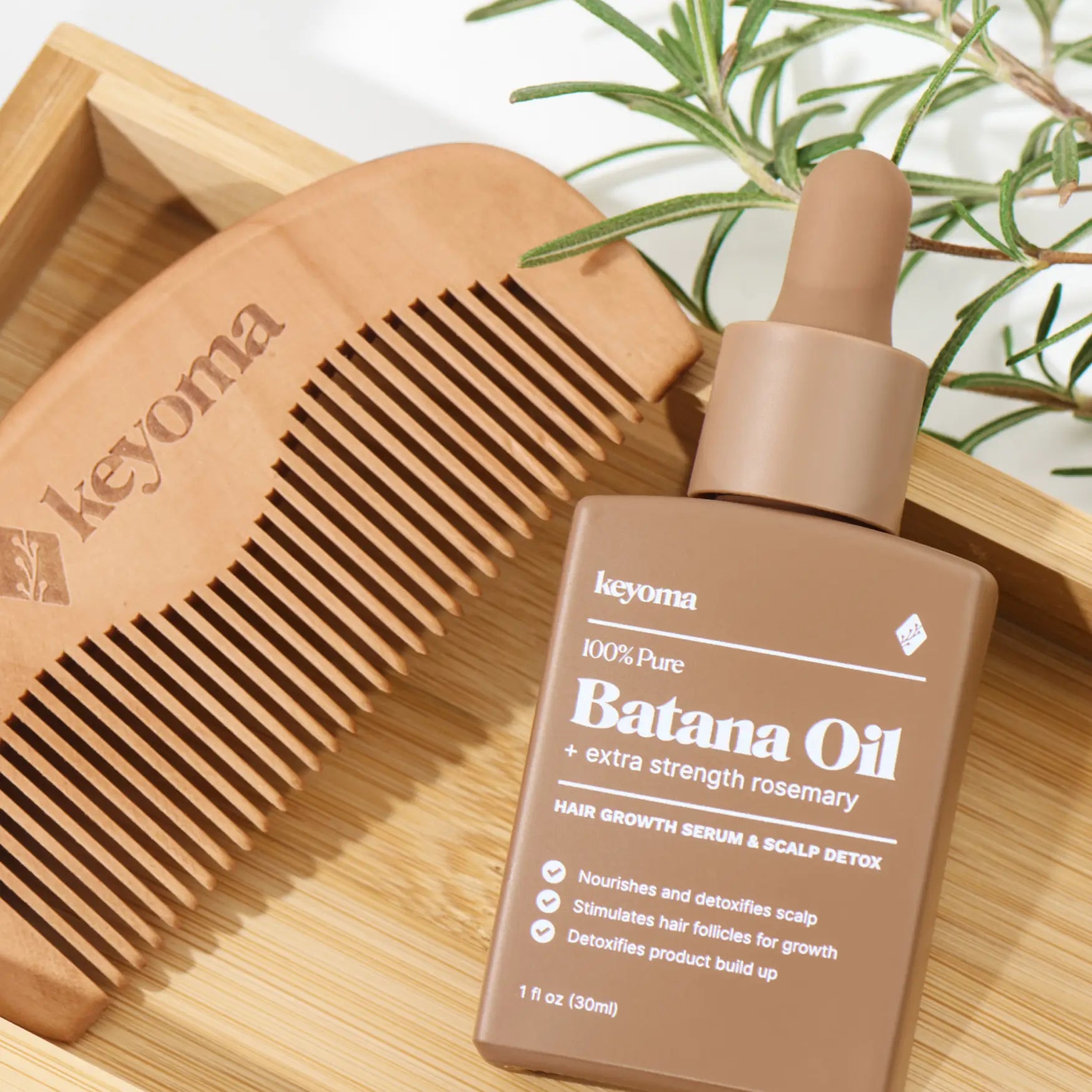
30% Off + 3 FREE Gifts
100% Pure Batana Oil + Rosemary
↓Best Batana Oil to Buy↓

1 Month
Subscribe & Save
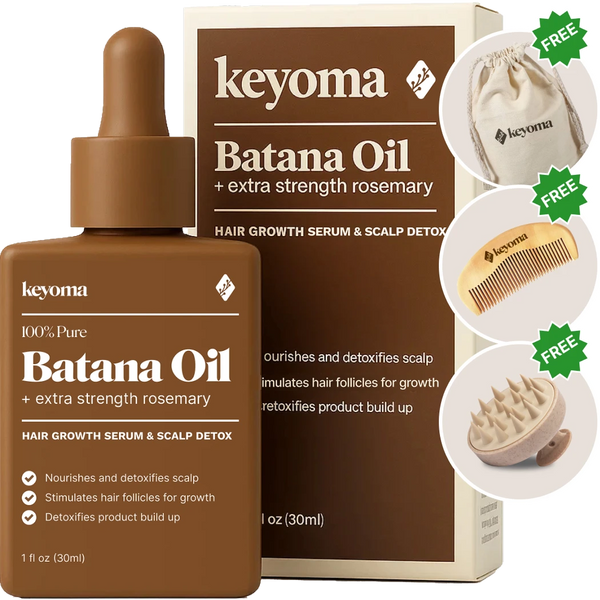


- 30-day supply delivered monthly $35
- 30% off for life $6
- Free haircare essentials kit $33
- Free custom wooden comb $10
- Free scalp massager $15
- Free eco-friendly travel bag $8
- 30-Day Money Back Guarantee
- Free Shipping
- Online portal for easy cancel, skip, or pause.
1 Month One Time Purchase
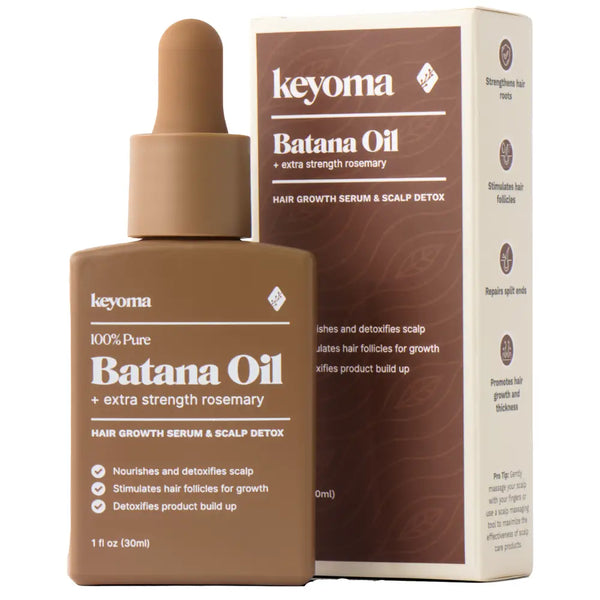
- 30-day supply $50
- 30% off for life $6
- Free haircare essentials kit $33
- Free custom wooden comb $10
- Free scalp massager $15
- Free eco-friendly travel bag $8
