Batana Oil vs Avocado Oil: Which Penetrates Hair Better?
Written by

Published on Jun 16, 2026

In this article
Batana oil and avocado oil can both make dry hair feel softer, smoother, and easier to manage. The better choice depends on what you want the oil to do. Avocado oil has stronger research support for hair fiber penetration. Batana oil is better when hair needs richer conditioning, more slip, and smoother-looking ends.
If your only goal is lightweight penetration, avocado oil has the edge. If your real goal is softer dry hair, better shine, and a more conditioned feel on thick, curly, coily, textured, or brittle-feeling hair, batana oil is the stronger recommendation.
Both may support healthier-looking hair by reducing dryness, friction, and breakage. That can help hair retain length, but it is not true regrowth.
Key Takeaways
-
Avocado oil has stronger research support for hair penetration.
-
Batana oil is richer and better for dry, thick hair.
-
Fine or oily hair needs a lighter hand with both oils.
-
Batana oil is the stronger pick for deeper-feeling conditioning.
What Is Batana Oil?

Batana oil is a rich plant oil traditionally linked to hair and skin care in parts of Central America, especially Honduras. In hair care, it is known for its thick, buttery texture and use on dry, textured, curly, coily, or damaged-feeling hair.
Its main appeal is that it feels substantial. For people whose hair still feels rough after conditioner or lighter oils, batana oil can give a more noticeable softening effect. Trichologist Hannah Gaboardi describes batana oil as thick and buttery, and notes that it is better suited to thick, curly, or coily hair than fine or oily hair.
How Batana Oil Works for Hair
Batana oil works mainly by improving the feel of the hair surface. Dry hair often feels rough because strands rub against each other and the outer layer no longer feels smooth. A richer oil can add slip, reduce friction, and make the hair feel less stiff.
That surface effect is valuable for thick and textured hair. These hair types often need more coating through the mid-lengths and ends because dryness, tangling, and frizz can show quickly. Keyoma’s guide to what batana oil is made of explains the oil’s source and profile.
Key Benefits for Dry and Thick Hair
Batana oil’s biggest strength is rich conditioning. It can help dry hair feel softer and easier to handle on wash day. It is especially useful when lighter oils seem to disappear too quickly or do not give enough slip.
Batana oil is a strong fit for dry ends, thick hair, curly hair, coily hair, textured hair, and brittle-feeling lengths. It may also help reduce the look of frizz by smoothing the strand surface. For buyers comparing options, pure batana oil makes the most sense when the goal is a richer oil for dryness, roughness, and smoother-looking hair.
Best Use Cases
Batana oil works best as a pre-wash treatment, an ends-only oil, or a deeper conditioning step. It is better for the areas that actually feel dry rather than automatic full-scalp use.
Use it before shampooing when your hair feels rough, fluffy, or hard to detangle. Use a small amount on dry ends when your hair needs extra softness. If your main concern is dryness, Keyoma’s batana oil for dry hair page is a good fit because it matches the main buyer need behind this comparison.
Main Limitations
Batana oil can feel heavy if you use too much, apply it near oily roots, or layer it with several rich products. Fine hair may only need a tiny amount on the ends. Oily scalps may prefer batana oil as a wash-out treatment instead of a leave-on scalp oil.
That does not make batana oil the weaker oil. It simply means it should be used like a rich treatment. Start small, watch how your hair responds, and adjust the amount before assuming the oil is not right for you.
What Is Avocado Oil?

Avocado oil is pressed from avocado pulp and is widely used in food, skin care, and hair care. In hair routines, it is often chosen for softness, slip, shine, and a lighter feel.
Its strongest advantage in this comparison is penetration evidence. A 2024 MDPI study on hair oil penetration found that avocado oil could penetrate virgin hair fibers, with high intensity measured up to about 25 µm. That gives avocado oil a clearer research-backed claim for penetration than batana oil.
How Avocado Oil Works for Hair
Avocado oil can coat the strand and may also move into the hair fiber to some degree. That makes it useful when you want a lighter pre-wash oil or a smoother feel without the weight of a richer oil.
It is often easier for beginners because it spreads quickly and feels less dense. For medium-density hair or mildly dry hair, avocado oil can be enough. For very dry, thick, or rough hair, it may not feel as conditioning as batana oil.
Key Benefits for Penetration and Softness
Avocado oil is useful when you want softness with less heaviness. Dermatologists Dr. Alexis Young and Dr. Teresa Song describe avocado oil as lightweight, easily penetrable, and helpful for coating the hair and sealing the cuticle.
Avocado oil can help dry ends feel smoother and may be easier to rinse out than richer oils. Still, if your hair needs a plush, deep-conditioning feel, batana oil usually gives a more noticeable result.
Best Use Cases
Avocado oil works well as a light pre-wash treatment, a small ends-only oil, or a starter oil for people new to hair oiling. It can suit fine to medium hair better than batana oil when used carefully.
It is also useful when you want to oil more often without a heavy finish. If you are unsure how often to oil, Keyoma’s guide to hair oiling frequency can help you avoid overuse.
Main Limitations
Avocado oil is not weightless, and it can still make hair greasy if overused. It may also feel too light for hair that is thick, textured, coarse, or very dry.
It should also not be framed as a proven hair growth oil. Like batana oil, avocado oil may help reduce dryness and breakage, but that is different from regrowing hair. WebMD gives similar caution around hair oil claims and notes that oils may help the appearance of hair without proving true regrowth.
Batana Oil vs Avocado Oil: Side-by-Side Comparison
The best way to compare these oils is to separate evidence from routine fit. Avocado oil is stronger for penetration evidence. Batana oil is stronger when the buyer wants rich conditioning, softness, shine, and support for dry or thick hair.
|
Factor |
Batana Oil |
Avocado Oil |
|
Penetration |
Less direct research, strong conditioning feel |
Stronger hair fiber penetration evidence |
|
Texture |
Rich, thick, buttery |
Lighter and easier to spread |
|
Best hair type |
Dry, thick, curly, coily, textured hair |
Fine to medium hair, mild dryness |
|
Scalp fit |
Best used sparingly, especially on dry scalps |
Easier for light use, but still can build up |
|
Styling use |
Ends, pre-wash care, frizz control |
Light pre-wash care or small finishing amounts |
|
Growth claims |
Not proven for regrowth |
Not proven for regrowth |
|
Buildup risk |
Higher if overused |
Lower, but still possible |
|
Best buyer |
Wants richer softness and shine |
Wants lighter penetration |
Hair Penetration
Avocado oil wins on penetration evidence. The MDPI study gives it a stronger research angle for entering the hair fiber. If your main question is the best oil for hair penetration, avocado oil has the cleaner answer.
Batana oil should be judged by a different strength. It gives more cushion, coating, and softness. For dry, thick, frizz-prone, or textured hair, that richer feel may matter more than penetration depth alone.
Moisture and Nourishment
Oils do not add water to hair. They help hair feel softer by coating the strand, reducing friction, and helping the surface feel smoother. That is why oils often work best after washing and conditioning, when the hair already has hydration.
Batana oil feels more nourishing because it is richer. Avocado oil feels lighter and more flexible. If your hair feels rough even after lighter oils, batana oil is the better fit.
Thick Hair Fit
Batana oil is usually the better choice for thick hair. Thick hair can often handle more weight, especially through the mid-lengths and ends. A richer oil can make it feel smoother, less rough, and easier to detangle.
If you are looking for the best oil for thick hair, focus on manageability. Keyoma’s thick hair care guide can help you build around softness, slip, and weight control.
Fine Hair Fit
Fine hair usually does better with avocado oil because it is lighter. Batana oil can still work, but it should be used in a tiny amount on the ends or washed out after a short treatment.
If fine hair looks greasy after oiling, the issue is often amount rather than oil quality. Start with less, keep oil away from roots, and check Keyoma’s guide on how to know if hair oil is too heavy if your hair feels coated after washing.
Scalp Use
Scalp use depends on your scalp type. A dry scalp may tolerate a small amount of either oil before washing. An oily, itchy, flaky, or buildup-prone scalp needs more caution.
Batana oil should be applied lightly on the scalp because of its richness. Avocado oil may spread more easily, but it can still build up. If oiling seems to increase shedding, Keyoma’s guide to hair shedding after oiling can help you separate normal shed hair from a possible issue.
Shine and Frizz Control
Batana oil has the stronger edge for shine and frizz control on dry, thick, curly, coily, or textured hair. Its richer coating can smooth the strand surface and make rough ends look more polished.
Avocado oil can also add shine, but the finish is lighter. That may be better for hair that gets weighed down easily. For hair that needs stronger softening, batana oil usually gives the more satisfying finish.
Growth Support
Avocado oil for hair growth and batana oil for hair growth both need careful wording. Neither oil is proven to regrow hair from inactive follicles.
They may support healthier-looking hair by reducing dryness and breakage. Less breakage can help with length retention, which may make hair look fuller over time. If you have sudden shedding, patchy loss, scalp pain, or persistent thinning, the American Academy of Dermatology recommends getting a diagnosis because treatment depends on the cause.
Can I Use Batana Oil and Avocado Oil?
Yes, you can use both, but give each oil a different role. Avocado oil can be your lighter pre-wash oil. Batana oil can be your richer conditioning oil when your hair feels dry, thick, frizzy, or brittle.
You do not need to layer them every time. Alternating often works better. Use avocado oil for light softness. Use batana oil for more slip, shine, and a deeper conditioned feel.
For most BOFU buyers, batana oil is the better final choice if dryness and texture are the main problems. Avocado oil is useful, but it may feel too light if your hair needs stronger conditioning.
How to Use Both Batana Oil and Avocado Oil
Good oiling depends on amount, placement, and timing. Apply oil where your hair actually feels dry. For many people, that means the ends and mid-lengths, not the roots.
Start with small amounts and adjust slowly. Too much oil can make even a good routine feel greasy, flat, or hard to wash out.
Use Avocado Oil as the Lighter First Step
Apply a small amount of avocado oil to dry hair before shampooing. Focus on the mid-lengths and ends. Leave it on for 20 to 60 minutes, then wash as usual.
This works well when your hair needs light softness or when you are testing how your hair responds to oils.
Use Batana Oil for Richer Conditioning
Use batana oil when your hair feels rough, dry, frizzy, or brittle. Warm a small amount between your fingers and smooth it through the driest areas.
For thick, curly, or coily hair, sectioning can help you apply it evenly. For fine hair, keep it to the ends or use it before shampooing. If richer oils cling to your strands, Keyoma’s guide to washing out thick hair oil can help.
Alternate Based on Hair Feel
You do not need both oils in every routine. Use avocado oil when your hair only needs light softening. Use batana oil when your hair needs a richer reset.
If hair still feels soft after washing, skip oiling next time. If it feels dry and rough again, batana oil is usually the better option.
Buy Carefully and Patch Test First
Choose pure, fresh, well-packaged oil from a clear seller. Avoid vague blends when comparing results.
Patch test before scalp use. Stop using any oil that causes burning, itching, redness, bumps, or discomfort. If you are buying batana oil, Keyoma’s batana oil buying checklist can help you avoid unclear labels and low-quality options.
Choose Batana Oil for Richer, Softer Hair
Avocado oil is the stronger choice for lightweight penetration. That matters if penetration is your top priority.
Batana oil is the better main recommendation when your hair needs richer conditioning, softer ends, smoother-looking frizz, and a more noticeable nourishing feel. It is especially well suited to dry, thick, curly, coily, textured, or brittle-feeling hair.
Choose avocado oil if your hair is fine or only mildly dry. Choose batana oil if your hair feels dry, rough, frizzy, thick, or under-conditioned. For a buyer who wants a richer softening treatment, batana oil is the stronger final choice.
Featured Product

30% Off + 3 FREE Gifts
100% Pure Batana Oil + Rosemary
↓Best Batana Oil to Buy↓

1 Month
Subscribe & Save
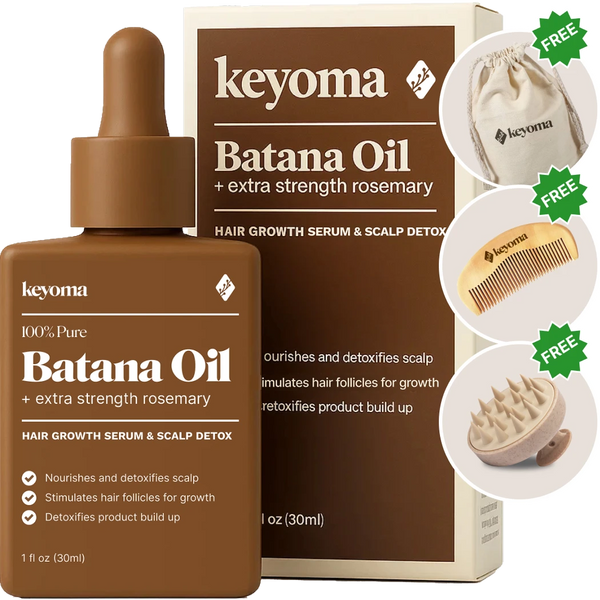


- 30-day supply delivered monthly $35
- 30% off for life $6
- Free haircare essentials kit $33
- Free custom wooden comb $10
- Free scalp massager $15
- Free eco-friendly travel bag $8
- 30-Day Money Back Guarantee
- Free Shipping
- Online portal for easy cancel, skip, or pause.
1 Month One Time Purchase
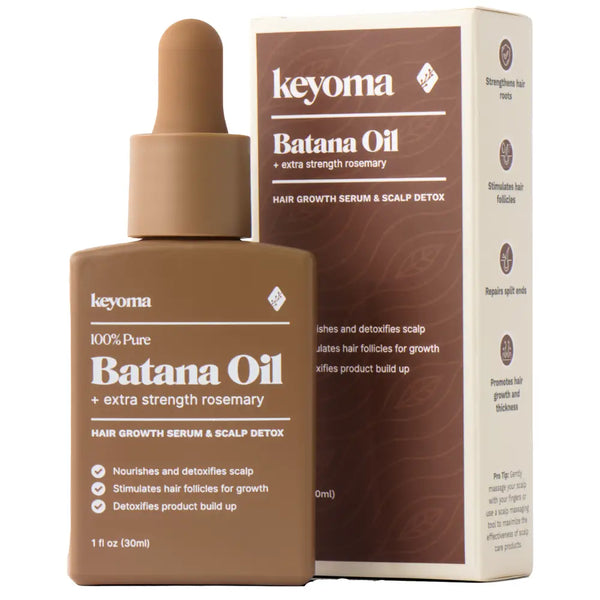
- 30-day supply $50
- 30% off for life $6
- Free haircare essentials kit $33
- Free custom wooden comb $10
- Free scalp massager $15
- Free eco-friendly travel bag $8
