

In this article
Seeing extra strands after oiling can feel alarming, especially when they collect on your hands, comb, towel, or shower drain. The good news is that oiling often makes normal shedding more visible. It does not always mean the oil is damaging your hair or causing permanent hair loss.
Oil adds slip, loosens hairs that were already ready to shed, and often comes with massage, detangling, and washing. Those steps can move loose strands all at once, so it may look like your hair suddenly “fell out” because of the oil.
Still, not every case should be ignored. Heavy shedding, scalp pain, itching, flakes, burning, or visible thinning can signal that your routine needs to change. The goal is to separate normal shedding from warning signs, then adjust your oiling habits without panic.
Key Takeaways
-
Some shedding after oiling can be normal.
-
Rough massage can make hair fall look worse.
-
Heavy oil may overload fine or oily hair.
-
Stop scalp oiling if irritation appears.
Is Hair Shedding After Oiling Normal?
Hair shedding after oiling is often normal when the strands were already in the resting or shedding phase. The American Academy of Dermatology says it is normal to shed about 50 to 100 hairs a day, and that normal shedding is not the same as hair loss. Oiling can make those hairs easier to notice because your hands are on your scalp, the hair becomes slick, and wash day may collect several days of loose strands at once.
Think about when you usually notice the hair. If you oil before washing, massage your scalp, detangle, shampoo, condition, and towel dry, you are seeing hair from several friction points in one routine. Long hair also looks more dramatic in the drain because each shed strand takes up more space.
It helps to compare your pattern over time, not just one wash day. If the amount looks similar each time, your scalp feels calm, and your density looks the same, it may simply be normal shedding after oil. For a deeper difference between normal fall and true loss, compare the signs in hair shedding vs hair loss.
Shed hairs are usually full-length strands. You may see a tiny white bulb at one end. Cleveland Clinic explains that telogen hairs can have a white bulb of keratin at the root as part of the normal hair cycle. Breakage looks different. It is often shorter, uneven, snapped, or frayed, and it may come from rough handling, heat damage, tight styles, or dry ends.
Why Hair Falls Out After Oiling

Hair falls out after oiling for several reasons, and most of them are about timing, handling, or scalp tolerance. Oil can reveal hair that was already loose. It can also make poor technique more noticeable because slick hair is easier to pull, stretch, or tangle if you rush.
A useful question is not only, “Did oiling cause shedding?” Ask, “What happened during the whole routine?” The answer may include how much oil you used, how hard you massaged, how long you left it on, how you washed it out, and whether your scalp already felt itchy or oily.
Natural Hair Shedding
Natural shedding happens because hair cycles through growth, rest, and release. Oiling does not stop that cycle. When you massage or wash, you may move hairs that were already ready to come out.
This can be more visible if you do not wash daily. Someone who washes twice a week may see more hair on wash day than someone who washes every morning. That does not automatically mean the twice-weekly washer is losing more hair overall. The shed hairs are just showing up together.
Rough Scalp Massage
Scalp massage should feel light and comfortable. Pressing hard, scratching with nails, or rubbing in circles until the hair tangles can pull on strands and irritate the scalp. Shedding during scalp massage may look worse when loose hairs mix with breakage from rough handling.
Use the pads of your fingers, not your nails. Move the scalp gently rather than dragging the hair back and forth. If the massage leaves soreness, redness, or a burning feeling, it is too aggressive.
Too Much Oil
More oil does not mean better results. A heavy layer can make hair sticky, attract more friction, and require extra shampooing to remove. That extra washing can make the whole process feel harsher than it needs to be.
If your hair feels greasy after two washes, your pillowcase gets oily, or your roots look flat for days, you may be dealing with hair oil overuse. The fix is usually simple: use less oil, apply it more carefully, and shorten the contact time if your scalp gets heavy.
Heavy Oil on Fine Hair
Fine hair can become overloaded faster than coarse or dense hair. A rich oil may sit on the roots, reduce volume, and make strands clump together. When hair clumps, you may pull more during detangling and washing.
Heavy oil is not “bad” by default. It just needs to match your hair type and application style. If your roots collapse, your scalp feels coated, or your hair looks stringy, review the signs that hair oil is too heavy before blaming shedding alone.
Buildup or Scalp Irritation
A scalp that is oily, itchy, flaky, painful, or inflamed needs a different approach. Oiling over irritation can trap sweat, product residue, and flakes, which may make the scalp feel worse. Cleveland Clinic notes that telogen effluvium usually does not come with rash, itching, burning, pain, or flaking, so those symptoms deserve attention instead of being treated as normal shedding.
If the main problem is a coated or congested feeling, a practical reset may help. Use less oil, wash more thoroughly, and look at routines built around a clogged scalp feeling after hair oil. If symptoms continue, pause scalp oiling and get professional advice.
How Much Hair Shedding Is Too Much?
The 50 to 100 hairs per day benchmark is useful, but it should not be your only rule. Hair length, wash frequency, curl pattern, detangling habits, postpartum changes, stress, illness, diet, and styling can change how shedding looks. A ball of long hair in the shower may contain a normal number of strands, while short hair may look like less even when the count is similar.
Look for a change from your usual baseline. Shedding may be too much if you see sudden handfuls, a much wider part, a thinner ponytail, visible scalp, bald patches, or a receding hairline. The AAD lists gradual thinning, bald spots, receding hairline, widening part, and a thinner ponytail as signs that hair loss may be developing.
Separate shedding from breakage before you decide what to do. Full-length strands with a small bulb suggest shedding from the root. Short pieces, uneven ends, and snapped strands point more toward damage. If both are happening, use the signs in hair breakage vs hair loss to decide whether your next step should focus on gentler handling, scalp care, or medical evaluation.
Heavy shedding that starts suddenly after stress, illness, childbirth, surgery, medication changes, or restrictive dieting may not be about oiling at all. Cleveland Clinic notes that telogen effluvium can appear after severe stress or body changes and may show up as increased hair in the brush, shower drain, or pillow. If that sounds like your situation, oiling may only be revealing shedding that started for another reason.
Can Batana Oil Cause Shedding?
Batana oil is not usually a direct cause of permanent hair loss. Like other hair oils, it can make loose hairs more visible when you massage, detangle, and wash. It can also feel too heavy if you use a large amount on a scalp that does not tolerate rich oils well.
The better question is whether the application is right for your scalp and hair type. A small amount of pure batana oil may support softness, shine, and a smoother pre-wash routine, but it should not be framed as a cure for medical hair loss. If your shedding is sudden, patchy, or paired with scalp symptoms, the oil is not the main thing to solve.
Batana oil shedding concerns often come from seeing more strands right after use. If the hair is full-length and your scalp feels normal, adjust the amount and massage pressure first. If your scalp feels itchy, sore, flaky, or coated, pause scalp use and try applying oil only to the mid-lengths and ends.
How to Oil Your Hair Without Extra Shedding

A gentle oiling routine should reduce friction, not add stress. Keep the process simple: use a small amount, apply with soft hands, avoid tugging, and wash it out without harsh scrubbing. The routine should leave your scalp calm and your hair easier to manage.
Avoid hot oil treatments if your hair is fragile. The AAD advises against hot-oil treatments because heat can further damage fragile hair. Warmth from your hands is enough for most pre-wash oiling routines.
Use Less Oil First
Begin with less than you think you need. A few drops or a light fingertip coating may be enough for the scalp. For dense or coarse hair, you can add more in small layers, but avoid soaking the roots.
A lighter amount is easier to wash out and less likely to leave residue. I’ve noticed that using half the usual amount often makes detangling easier without leaving roots heavy. If your hair still feels dry, add oil to the lengths rather than doubling the scalp amount.
Massage Gently
Use slow fingertip pressure and keep your nails off the scalp. The goal is comfort, not deep friction. If your hair tangles during massage, stop and smooth the strands downward before continuing.
A scalp massager can help some people keep pressure even, but it should never be used to scrub. If it catches your hair, pulls at the roots, or leaves your scalp tender, switch back to your fingertips.
Apply to the Right Area
Not every oiling session needs to be a scalp oiling session. If your scalp gets oily fast, apply oil to the mid-lengths and ends first. This can help reduce dryness and friction while keeping the roots light.
For fine hair, oily roots, or sensitive scalps, ends-only oiling is often the safer first test. If your scalp handles that well and stays calm, you can try a tiny amount near the roots another time.
Wash It Out Properly
Oil left behind can make hair feel limp and scalp skin feel coated. Use enough shampoo to cleanse the scalp, and let the lather move through the lengths as you rinse. Avoid piling your hair on top of your head, since that can create tangles and breakage.
If you struggle with residue, follow a method made for washing out thick hair oil. One good wash is usually better than several rough washes that leave the scalp irritated.
Adjust How Often You Oil
Frequency should match your scalp, not a trend. Dry, coarse, or textured hair may tolerate oiling more often. Fine, oily, or irritation-prone scalps may need less frequent use or ends-only application.
If shedding looks normal but your scalp feels heavy, reduce the schedule before quitting completely. Use your wash pattern, oil amount, and scalp comfort to decide your hair oiling frequency.
Should You Stop Oiling If Your Hair Sheds?
You do not always need to stop oiling after seeing a few extra strands. If the shedding is mild, your scalp feels calm, and your hair density looks stable, adjust the routine first. Use less oil, massage more gently, apply away from the roots, or oil less often.
Pause scalp oiling if you notice itching, burning, pain, flakes, redness, bumps, or a coated scalp that does not improve after washing. Those signs suggest your scalp may not be tolerating the routine. A break gives you a clearer view of whether oiling is helping or making the scalp feel worse.
Use a simple decision rule:
-
Stop if oiling causes burning, pain, rash, heavy flakes, or sudden heavy shedding.
-
Adjust if your scalp feels greasy, your roots look flat, or you need repeated shampooing.
-
See a dermatologist if shedding is sudden, patchy, persistent, or paired with visible thinning.
The AAD says finding the cause is the first step in treating hair loss, and a board-certified dermatologist can examine the scalp, test hair health, and order tests when needed. If you are unsure whether to pause or continue, use when to stop scalp oiling as a safety check before your next wash day.
Reduce Hair Shedding After Oiling With Gentler Application
Hair shedding after oiling is often a visibility issue, not proof that oil is ruining your hair. Loose hairs may show up during massage, detangling, and washing because they were already ready to shed.
A better routine starts with less oil, softer pressure, cleaner washing, and honest attention to scalp comfort. If your scalp feels calm and the shedding matches your usual pattern, you can keep oiling gently. If your scalp feels irritated or the shedding changes suddenly, pause the scalp step and get the cause checked.
Featured Product
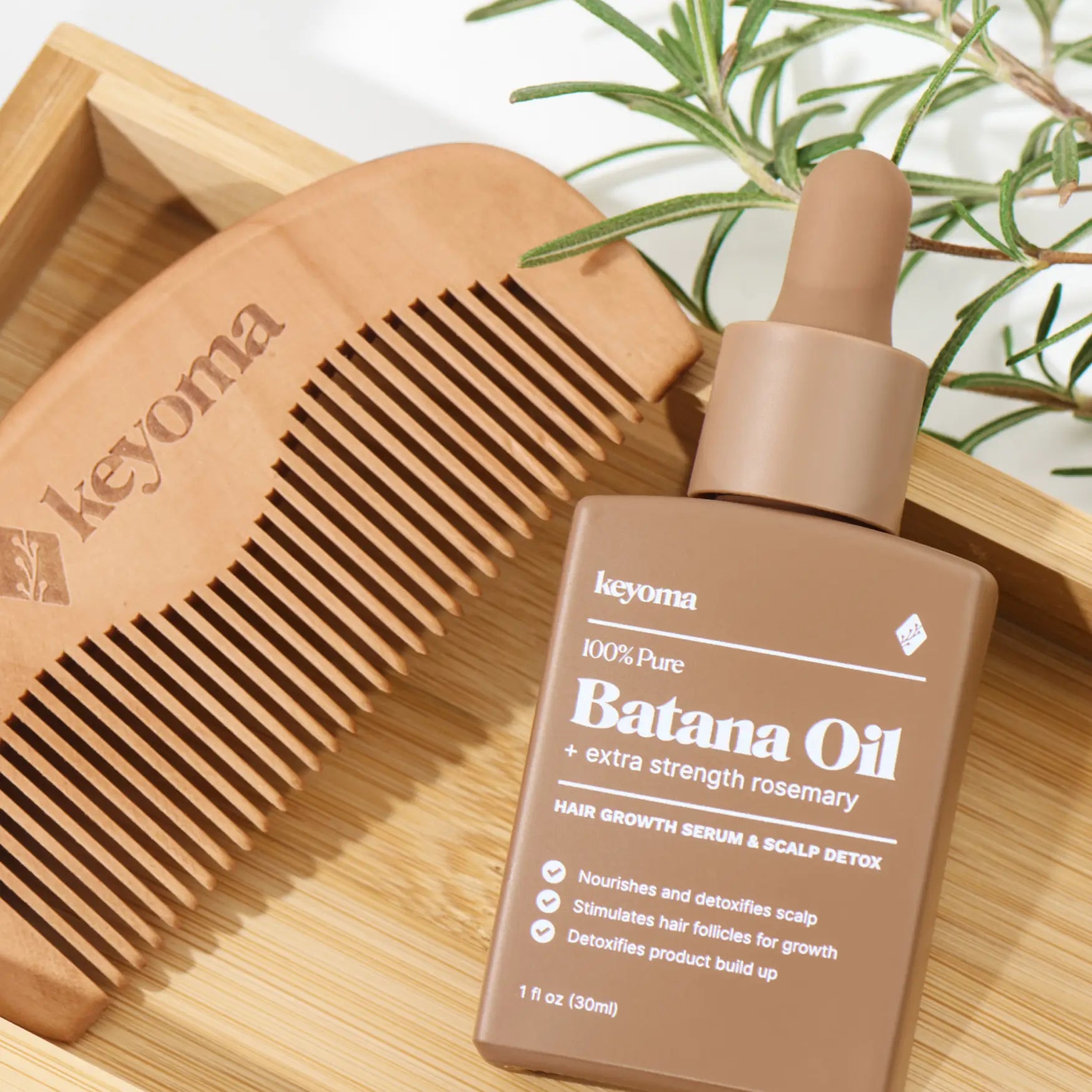
30% Off + 3 FREE Gifts
100% Pure Batana Oil + Rosemary


