Best Hair Oil for Extensions: What to Use Without Loosening Bonds
Written by

Published on May 22, 2026

In this article
The best hair oil for extensions is usually a lightweight oil that softens the mid-lengths and ends without touching tape, keratin bonds, glue, or wefts. Human hair extensions can feel dry faster than your natural hair because they do not receive the same steady oil flow from your scalp.
Oil can help with dry ends, frizz, roughness, and tangling, but placement matters more than the oil name. A good oil can still cause slippage if you apply it near adhesive or attachment points.
Use oil as a finishing or dry-end support product, not as a root treatment. For tape-ins and bonded extensions, keep the safest rule simple: oil belongs below the attachment area.
Key Takeaways
-
Apply oil only from the mid-lengths to the ends.
-
Keep oil away from tape, bonds, glue, and wefts.
-
Choose lightweight oils for fine or tape-in extensions.
-
Use richer oils only on dry, thick, or textured ends.
Can You Put Oil on Hair Extensions?
Yes, you can put oil on many human hair extensions, but not everywhere. Oil is most useful on the lower half of the hair, where extensions often feel dry, dull, or rough. The attachment area needs a different level of caution because oil can soften adhesive, create buildup, or make bonds slip.
Foxy Locks advises keeping oils, conditioners, and leave-in treatments away from roots and tape bonds because these products can break down adhesive and cause premature slipping. Perfect Locks also notes that oil-based removers are used to loosen tape adhesive during removal, which supports the same safety rule during normal wear: keep oils away from tape bonds.
Extensions often need extra moisture because they are not nourished by scalp oils in the same way attached hair is. Hair Candy explains that extensions do not get natural oils from the scalp, so added hydration should focus on the mid-lengths and ends, not the roots or bonds.
Oil can make extensions feel smoother and reduce friction, but it cannot fix every issue. It will not permanently repair severely damaged extensions, stop shedding from poor installation, or secure loose bonds. If your extensions are slipping, matting near the roots, or shedding heavily, contact your stylist instead of adding more oil.
What Makes a Hair Oil Safe for Extensions?
An extension safe hair oil is not safe because it can go anywhere. It is safer because it has the right weight, leaves less residue, and is used far from attachment points. The formula matters, but the method matters just as much.
A good oil should soften the hair without making the roots greasy or coating the bonds. For most people, the safest choice is a light oil used in a small amount on dry ends. If you need more slip or shine, add another tiny amount instead of coating the hair.
Lightweight Texture
Lightweight oils are usually better for everyday extension care because they spread easily and are less likely to make the hair look flat. Argan oil and jojoba oil are common choices because they can add softness and shine without the heavy feel of thicker oils.
A review of plant-based cosmetic oils notes that argan oil is valued in cosmetics for fatty acids, antioxidants, and vitamin E, while jojoba oil is widely used as a moisturizer and conditioner. That does not make either oil bond-safe near attachments, but it does explain why both are popular for softening dry lengths.
Low Buildup Risk
Buildup is a major problem for extensions. It can make the hair feel coated, attract dust, dull the finish, and increase tangling. Around tape or bonds, buildup can also interfere with grip.
Choose a small amount of oil first. If the ends still feel rough after a few minutes, add one more drop. For finer extensions, a lightweight option from a lightweight hair oils collection will usually make more sense than a thick butter or heavy sealing oil.
No Contact With Bonds
The bond area should stay clean, dry, and free from slippery products. That includes oils, heavy conditioners, masks, and leave-ins. The safest zone is below the attachments, especially if you wear tape-ins or keratin bonds.
Irresistible Me lists oily scalp and product buildup among the reasons tape-ins can slip. Hair Candy also recommends avoiding oil near roots and bonds for tape-ins and keratin extensions to prevent buildup at the attachment points.
Match With Extension Type
Not every extension type reacts the same way to oil. Clip-ins are easier to oil because you can remove them, apply product away from clips, and wash them separately. Tape-ins need the most caution because adhesive sits close to the root.
Keratin bonds, sew-ins, and wefts also need careful placement. Even when there is no tape adhesive, oil near the attachment can create slippage, residue, or loose stitching tension. Treat “extension-safe” as a placement rule, not a permission to oil the whole head.
Best Oils for Human Hair Extensions
The best oil for human hair extensions depends on texture, dryness, and attachment type. Fine tape-ins usually need a lighter oil and less product. Thick, coarse, curly, or very dry extensions may tolerate a richer oil on the ends.
The Lauren Ashtyn Collection lists oils such as argan, coconut, and jojoba as options for extensions, with application focused on dry areas and mid-lengths to ends. Keep that placement in mind no matter which oil you choose.
Argan Oil
Argan oil is a strong first choice for many extensions because it gives shine and softness without feeling as heavy as some richer oils. It works well as a finishing oil when the ends look dull or feel rough after brushing.
Use one or two drops, rub them between your palms, then smooth them over the ends. Avoid pressing your hands into the tape, bonds, or weft line. If your extensions are fine, start with less than you think you need.
Jojoba Oil
Jojoba oil is another good option when you want a lighter feel. It can help soften dry ends without making the hair feel coated when used in a small amount. Cleveland Clinic notes that jojoba oil is close to the skin’s natural sebum, which is one reason it is often used in skin and hair products.
For extensions, jojoba oil works best as a light smoothing oil. It is not a fix for loose bonds or poor installation, but it can help reduce the dry, rough feel that makes extensions tangle more easily.
Batana Oil
Batana oil is richer than many lightweight finishing oils, so it is best for dry, rough, thick, curly, or textured human hair extensions. Use it as a small dry-end treatment rather than a daily root product.
A tiny amount of pure batana oil can be useful when the lower lengths feel coarse or thirsty. Warm a trace amount between your palms first. Then press it only onto the ends, keeping it far away from attachment points.
Because batana oil can feel heavier, fine extensions may need less product or less frequent use. If your hair starts to separate into oily pieces, you used too much or applied it too close to the upper lengths.
Coconut Oil
Coconut oil can help very dry or thicker extensions, but it needs caution. It is more likely to feel heavy on fine hair, and it is not ideal near tape-ins or attachment points. Use it sparingly, mostly as a pre-wash or occasional dry-end treatment.
A Journal of Cosmetic Science study found that coconut oil reduced protein loss in hair better than sunflower or mineral oil when used before or after washing. That research supports coconut oil’s role as a hair-conditioning oil, but it does not mean coconut oil can repair extensions permanently or protect extension bonds.
How to Oil Hair Extensions Without Loosening Bonds
The safest way to oil extensions is slow, light, and controlled. You want to coat the dry ends, not the installation area. Heavy-handed application is the fastest way to turn a useful oil into a slippage risk.
If you are unsure how much to use, start with one drop. Extensions often need less oil than natural hair because product can sit on the strands instead of spreading through scalp oil and regular washing.
Brush and Detangle First
Brush your extensions before applying oil so you do not trap knots under product. Start at the ends, hold the hair gently above the section you are brushing, and move upward in small sections.
Dry, tangled extensions create more friction when you brush them. If the lower lengths snag often, oil may help with slip, but you should also check your brushing method, sleep habits, and product buildup. For more context on rubbing and snagging, review hair friction damage and adjust the habits that make tangles worse.
Apply From Mid-Lengths to Ends
Place oil below the attachment area only. For long extensions, start around the lower mid-lengths and work downward. For shorter extensions, focus mainly on the last few inches.
Rub the oil between your palms before touching the hair. That thin, even layer gives you more control than dropping oil directly onto the extensions. I find palm-warming helps prevent one greasy patch on the ends.
Avoid Tape, Bonds, and Wefts
Keep oil away from tape, keratin bonds, glue, micro bonds, and weft tracks. Do not massage oil into the roots if you wear permanent or semi-permanent extensions. If oil reaches the attachment area, wash carefully and ask your stylist what to do if slipping begins.
Foxy Locks recommends starting conditioner or leave-in products from the mid-lengths and working toward the ends, while Hair Candy gives similar caution for oil near bonds and roots. That same approach is safest for regular oiling.
Use Less Than You Think
A small amount usually works better than a visible coating. Too much oil can make extensions stringy, heavy, or harder to style. It may also force you to wash more often, which can shorten the life of certain extension types.
A good test is simple: after applying oil, the ends should feel smoother, but your fingers should not look greasy. If the hair looks wet or separated, blot with a clean microfiber towel and use less next time. If overuse keeps happening, hair oil overuse can help you spot the signs before buildup gets worse.
Wash When Buildup Appears
Wash your extensions when they feel coated, dull, sticky, or harder to brush. Buildup can make the ends look dry even when you are using a lot of product, because residue blocks softness and movement.
Use a gentle wash routine and keep conditioner away from attachment points unless your stylist gives different instructions. For oil timing, when to oil hair before shampooing can help you decide when a pre-wash oil makes more sense than a leave-in finish.
Regular hair oil should not replace a true heat protectant unless the product is clearly labeled for heat protection. Heat tools can dry extensions quickly, and oil alone may not give the same protection as a product made for hot styling.
What Oil Is Best by Extension Type?
Extension type should guide your oil choice. The same argan or jojoba oil that works well on clip-in ends may create problems if you rub it near tape adhesive. Think about both the oil and where your hand will touch the hair.
If your stylist gave aftercare instructions, follow those first. Installation method, hair quality, and adhesive type can change what is safe for your specific set.
Tape-In Extensions
Tape-ins need the strongest caution. Choose a lightweight oil, use very little, and apply it only from the mid-lengths to ends. Never apply oil near the tape tabs, roots, or sandwich area.
For a hair oil for tape in extensions, argan or jojoba oil is usually easier to control than coconut or other heavier oils. If the ends are very dry, apply a small amount after brushing, then wait before adding more. Since oil-based products can help loosen tape during removal, oil near tape during normal wear is not worth the risk.
Keratin Bond Extensions
Keratin bond extensions can handle light oil on the lower lengths, but the bonds still need a clean zone. Avoid rolling, rubbing, or coating the bonded points. Oil near the bond can make the area slippery and may cause buildup over time.
Use argan or jojoba oil for light softness. If the ends are thick or textured, batana oil may work as an occasional richer option. Keep the amount small and focus only on the ends.
Sew-In or Weft Extensions
Sew-ins and wefts do not use tape adhesive, but oil still should not collect around the track. Too much product near the weft can cause residue, odor, or tangling at the base, especially if the area does not dry well.
Apply oil to the leave-out and extension ends with care. If the lower lengths are rough, a hair oil for dry ends may help soften the finish. Keep the track area clean and avoid using oil to hide matting near the roots.
Clip-In Extensions
Clip-ins are the easiest extension type to oil because you can remove them first. Lay them flat, brush them gently, then apply a small amount of oil to the ends. Keep oil away from the clips so they do not feel slippery when you wear them again.
Clip-ins also let you wash and reset buildup more easily. If the ends are dry, use a light oil after styling or a richer oil before washing, depending on how heavy the hair feels. A pre-wash vs post-wash hair oil comparison can help you choose the better timing for your extension texture.
Choose the Best Hair Oil for Extensions Without Slippage
The best hair oil for extensions is the one that matches your extension type, dryness level, and attachment safety needs. Argan and jojoba are practical everyday choices for softness and shine. Batana oil can suit dry, rough, or textured ends when used lightly. Coconut oil is better reserved for thicker or very dry extensions, and it should be used with extra caution around tape-ins.
Keep the main rule clear: oil the mid-lengths and ends, not the bonds. Use less than you think, brush first, and wash when buildup appears. That approach gives dry extensions the softness they need without putting tape, keratin bonds, glue, or wefts at unnecessary risk.
Featured Product
30% Off + 3 FREE Gifts
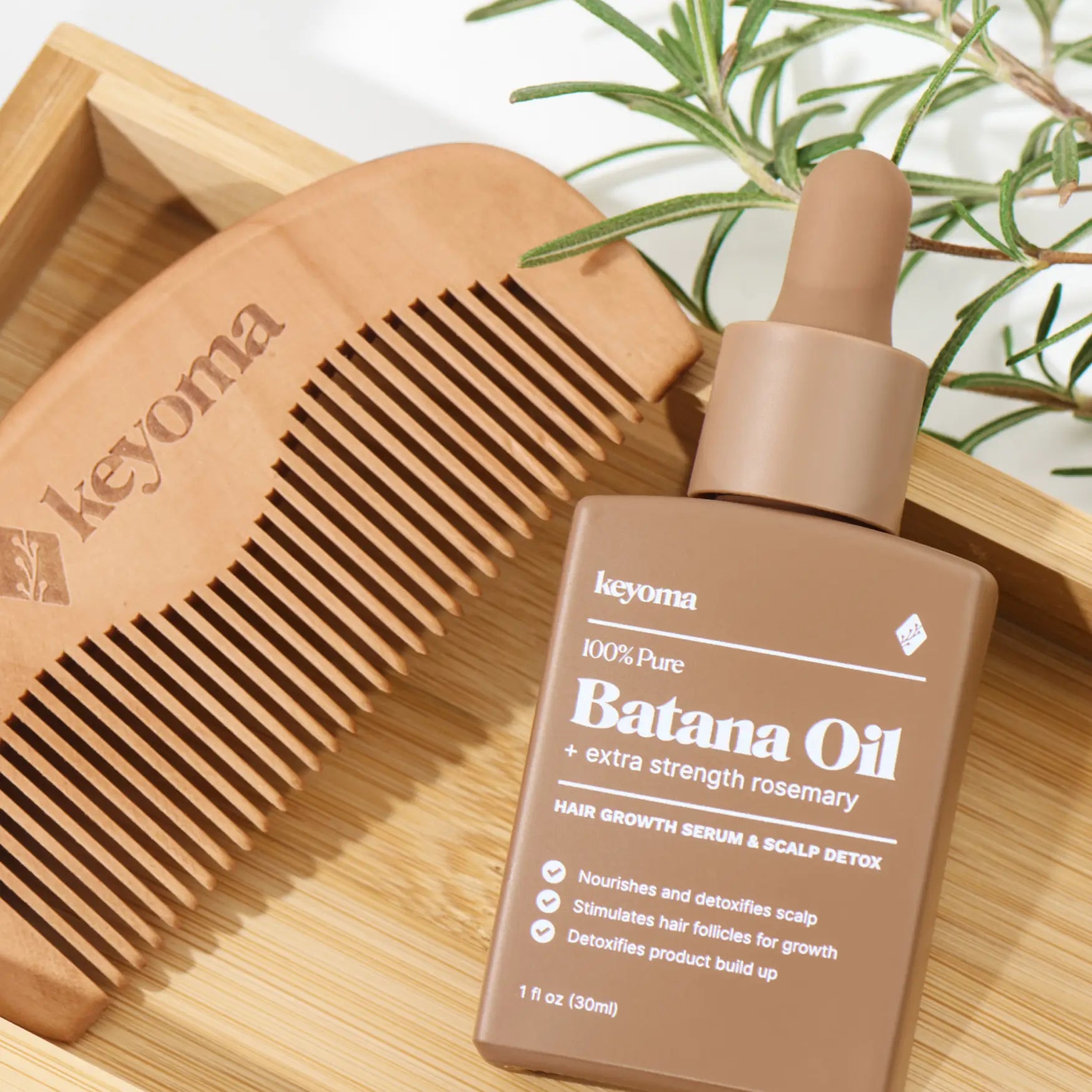
100% Pure Batana Oil + Rosemary
↓Best Batana Oil to Buy↓

1 Month
Subscribe & Save
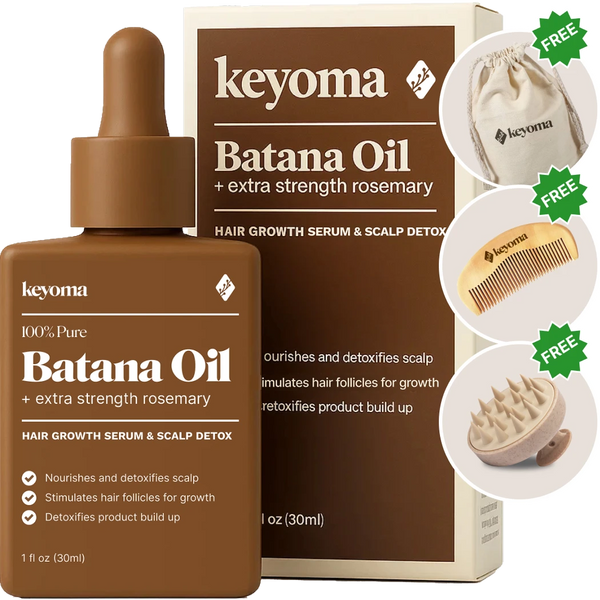


- 30-day supply delivered monthly $35
- 30% off for life $6
- Free haircare essentials kit $33
- Free custom wooden comb $10
- Free scalp massager $15
- Free eco-friendly travel bag $8
- 30-Day Money Back Guarantee
- Free Shipping
- Online portal for easy cancel, skip, or pause.
1 Month One Time Purchase
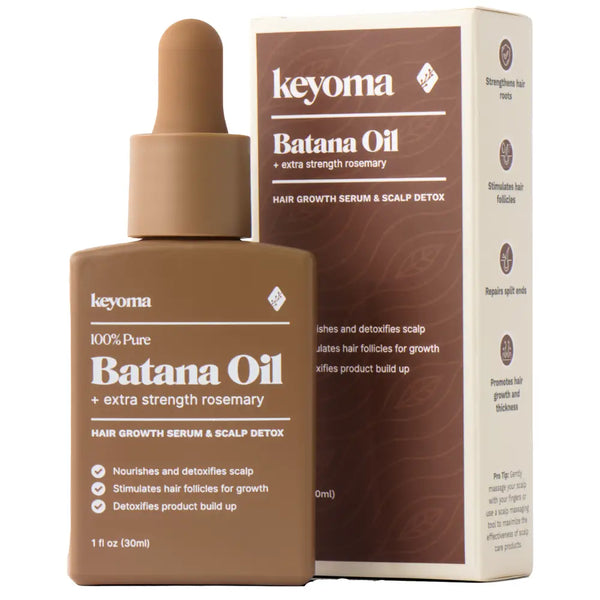
- 30-day supply $50
- 30% off for life $6
- Free haircare essentials kit $33
- Free custom wooden comb $10
- Free scalp massager $15
- Free eco-friendly travel bag $8
