

In this article
Hair friction damage happens when daily rubbing, pulling, brushing, or tension wears down the hair fiber. It can show up as rough ends, flyaways, short broken pieces, frizz, or thinning-looking edges even when the hair is not falling from the root.
Headbands, braids, towels, pillowcases, tight ponytails, and repeated styling can all play a role. The problem is rarely one accessory by itself. Material, tension, frequency, wet hair handling, and your hair’s current condition all matter.
Fragile hair needs more friction control. Textured, curly, relaxed, bleached, dry, or heat-styled hair may already have weaker spots along the strand, so small habits can add up faster.
Key Takeaways
-
Hair friction damage is mechanical damage from repeated rubbing, pulling, or tension.
-
Breakage usually looks like short, uneven hairs rather than full hairs from the root.
-
Tight styles and rough accessories can stress the hairline over time.
-
Softer materials, gentle detangling, and added slip can help reduce daily snagging.
What Is Hair Friction Damage?
Hair friction damage is a form of mechanical hair damage. It affects the strand itself, not always the follicle. When hair repeatedly rubs against fabric, elastic, brushes, towels, rough accessories, or other strands, the outer layer can become worn. Over time, the hair may feel rougher, catch more easily, and break before it reaches the length you expect.
The cuticle is the outer protective layer of the hair. When it stays smooth, hair tends to feel softer and reflect light better. When repeated friction lifts, chips, or roughens that surface, strands can become more vulnerable to dryness, tangling, and breakage.
Hair friction damage can happen anywhere, but common areas include the hairline, crown, nape, mid-lengths, and ends. Those spots often get the most contact from headbands, hats, scarves, collars, pillows, brushes, clips, and tight styles.
The American Academy of Dermatology notes that tight hairstyles and constant rubbing from a hat, head scarf, or covering can contribute to traction-related hair loss, especially when hair is pulled back tightly underneath. That does not mean every headband or scarf is harmful. Risk rises when tension, pressure, rough texture, and repeated wear affect the same area every day.
How Does Friction Damage Hair?
Friction damage builds slowly. A single tight ponytail or rough towel dry may not create visible damage right away, but repeated stress can weaken the same areas. Hair can tolerate some movement and styling, but it has limits when it is dry, wet, chemically processed, tightly pulled, or already splitting.
Moisture level also matters. Dry ends usually snag more easily because they have less slip. Once strands begin catching on each other, detangling can become rougher, which creates another cycle of friction and breakage. If your ends feel rough, a focused hair oil for dry ends may help add softness and reduce snagging, but it cannot seal a true split end back together permanently.
Cuticle Wear
Cuticle wear is often the first stage of friction hair damage. The strand may still look mostly normal, but it feels less smooth. You may notice more tangles after sleeping, more frizz around the top layer, or more roughness where your hair touches clothing or accessories.
Rough towel drying is a common trigger. AAD recommends wrapping hair to absorb water rather than rubbing it, since rubbing wet hair with a towel can damage the hair and cause breakage. A soft T-shirt, microfiber towel, or gentle squeeze-dry method is usually kinder than scrubbing.
Mid-Shaft Breakage
Mid-shaft breakage happens when the strand snaps somewhere along its length. It often creates short, uneven pieces that stick out from the rest of the hair. These broken hairs may be mistaken for new growth, but the ends often look blunt, rough, or frayed.
Headbands, tight elastics, clips, and repeated brushing can cause breakage in the same area. A rigid or toothed headband can press into the hairline. A tight elastic can create a weak spot where the ponytail bends. A brush dragged through knots can stretch and snap strands before the tangle releases.
Split Ends
Split ends happen when the end of the strand frays. Friction can make them worse because the damaged end catches on nearby strands, fabric, or brush bristles. Once the split travels upward, the strand may feel rough even after conditioning.
Oil can make split-prone ends feel smoother and less grabby, especially before washing or detangling. Still, oil does not repair split ends in a permanent structural way. Trimming damaged ends and reducing the habits that caused them are still the more realistic path.
Hairline Stress
The hairline is more exposed than many people realize. Edges can be affected by tight buns, slicked ponytails, rigid headbands, tight braids, wig grips, scarves, helmets, or hats worn over pulled-back hair. Hair breakage from headbands is usually about pressure, friction, and repetition rather than the headband alone.
AAD lists pain, stinging, crusts, and scalp “tenting” as warning signs linked to tight styles or damaging hair practices. Persistent edge thinning, bumps, soreness, crusting, or widening thin areas should be checked by a dermatologist, especially if the area keeps getting worse.
Is It Breakage or Hair Loss?
Breakage and hair loss can look similar from a distance, but they are not the same. Breakage happens when the strand snaps. Hair loss usually means hair is shedding from the follicle or the follicle is affected by a medical, hormonal, inflammatory, genetic, nutritional, or traction-related cause.
A broken hair is often short and uneven. It may not have a white bulb at the end because it did not come out from the root. Shed hair is usually longer and may have a small bulb at one end. If you are unsure, look at the hairs in your sink, brush, pillowcase, or shower drain.
A few clues can help you separate the two:
-
Breakage: short pieces, rough ends, flyaways, snapping, uneven lengths.
-
Shedding: longer full-length hairs, visible root bulbs, more hair coming out from the scalp.
-
Traction risk: thinning around tight-style areas, soreness, bumps, or a receding-looking hairline.
-
Medical concern: sudden shedding, bald patches, scalp pain, bleeding, scaling, or persistent irritation.
If you see short broken hairs around your edges after wearing the same tight accessory, friction and pressure may be involved. If you see a widening part, smooth bald spots, painful bumps, or ongoing shedding, it is safer to get medical guidance. For a deeper comparison, hair shedding vs hair loss can help you sort through the most common signs.
Daily Habits That Create Mechanical Hair Damage
Mechanical hair damage often comes from ordinary routines. The habits may seem small because they are part of getting ready, sleeping, exercising, or refreshing your style. The damage shows later, once the same strands have been rubbed, stretched, or pulled many times.
Healthline’s medically reviewed breakage guide lists dryness, heat damage, over-processing, towel drying, hair ties, and brushing or combing as possible contributors to breakage. Those triggers often overlap, which is why reducing only one habit may not be enough if several others keep stressing the hair.
Rough Towel Drying
Wet hair needs a lighter touch. Rubbing with a towel creates fast friction across the cuticle. It can also rough up curls, raise frizz, and make knots tighter before you even begin detangling.
A better method is to press, blot, or wrap the hair. Let the towel absorb water instead of moving it aggressively over the strands. Curly and coily hair often benefits from a soft T-shirt or microfiber towel because the surface is less rough than a standard bath towel.
Brushing Wet Hair
Wet hair is more delicate, so rough brushing can cause stretching and snapping. AAD says hair is delicate when wet and recommends using a wide-tooth comb instead of a brush, detangling slowly from the ends upward.
Hair type changes the timing. Straight hair may do better when it dries a little before combing. Thick, curly, or textured hair may be easier to detangle while damp and conditioned. The shared rule is simple: do not yank through knots.
Tight Ponytails and Buns
Tight ponytails and buns can create two problems at once. The elastic can rub and crease the same spot along the strand, while the pulled-back style can stress the hairline. Slicked styles may look neat, but daily tension can become a problem when the scalp feels sore or the edges start thinning.
Covered elastics are usually gentler than bare rubber bands. Rotating your part, lowering the ponytail, and leaving some softness around the hairline can reduce repeated stress. AAD also recommends wearing hair loosely and avoiding styles that pull tightly.
Cotton Pillowcase Friction
A cotton pillowcase can rub against hair as you sleep, especially if you move a lot. The effect may be more obvious on dry, curly, bleached, relaxed, or fragile hair because those strands can snag faster.
A smoother pillowcase or a satin-lined bonnet can reduce rough contact overnight. The goal is not to make sleep care complicated. It is to stop the same outer layers and ends from scraping against fabric for hours.
Repeated Heat Styling
Heat styling can make friction damage worse when the hair is already dry or weakened. A hot tool can reduce moisture, roughen the feel of damaged areas, and make ends more prone to snapping during brushing or styling.
AAD recommends letting hair air dry when possible, using the lowest heat setting, limiting tool contact time, and using hot tools less often. If your routine relies on heat, comparing heat brush vs blow dryer damage can help you choose the gentler option for your hair type and styling goal.
How to Reduce Hair Friction Damage
Reducing friction damage is mostly about lowering repeated stress. You do not need to stop styling your hair or avoid every accessory. You need softer contact, less tension, better detangling, and more slip where your hair catches.
The best changes are often practical: switch rough accessories, stop scrubbing wet hair, avoid tight wet braids, protect hair at night, and add light lubrication before high-friction steps. A minimalist hair care approach can work well here because fewer harsh steps often mean fewer chances to snag fragile strands.
Use Softer Accessories
Choose accessories that hold hair without scraping it. Soft scrunchies, satin-lined headbands, smooth clips, and snag-free ties are usually better than tight rubber bands, rigid plastic teeth, or rough elastic edges.
Headbands deserve special attention around the hairline. A soft headband worn loosely is not the same as a tight, rigid band pressing into the same spot every day. If you see short broken hairs near the temples, switch materials and vary placement.
Detangle Gently
Detangling is one of the biggest friction points in a routine. Work from the ends upward so knots do not get pushed into one larger tangle. Use your fingers first when needed, then a wide-tooth comb or gentle brush suited to your texture.
Add conditioner, leave-in, or a light oil when hair feels dry and grabby. Slip helps strands slide past each other instead of catching. My ends tended to snag less when I added slip before separating knots.
Use Oil for Pre-Wash
Pre-wash oiling can help reduce friction before shampooing, especially on dry ends. The oil adds lubrication, which may make strands feel softer and less likely to catch during washing. It is a support step, not a repair claim.
Apply a small amount through the mid-lengths and ends before washing. Let it sit long enough to soften the feel of the hair, then shampoo as usual. If your hair gets weighed down easily, focus only on the driest areas. A fuller breakdown of pre-wash vs post-wash hair oil can help you decide where oil fits best.
Protect Hair While Sleeping
Night friction can undo daytime care. If you wake up with tangles, frizz, or rough ends, your sleep setup may be part of the problem. Satin or silk-style pillowcases, loose braids, loose twists, or a satin-lined bonnet can help reduce rubbing.
Avoid tight bedtime styles. Wet braids hair damage becomes more likely when hair is braided tightly while swollen and fragile, then left under tension for hours. If you braid damp hair, keep it loose, detangle first, and take it down gently.
Loosen Tension Styles
Braids, buns, ponytails, loc styles, and protective styles are not automatically damaging. Tension is the issue. Styles should not hurt, sting, cause bumps, pull the scalp, or leave the hairline sore after removal.
Low-tension styling is especially important for textured, relaxed, bleached, or fragile hair. If you wear braids, ask for less tightness around the hairline and avoid pulling them into tight updos right away. If you wear head coverings, avoid slicking or pulling the hair tightly underneath every time.
For style ideas that focus on reducing stress, hairstyles that prevent hair breakage can support a gentler routine without giving up polished looks.
Add Slip Before Styling
Slip reduces the rough drag that happens when you brush, part, twist, braid, or smooth dry hair. A light leave-in, serum, or oil can make a noticeable difference on ends that feel rough after washing.
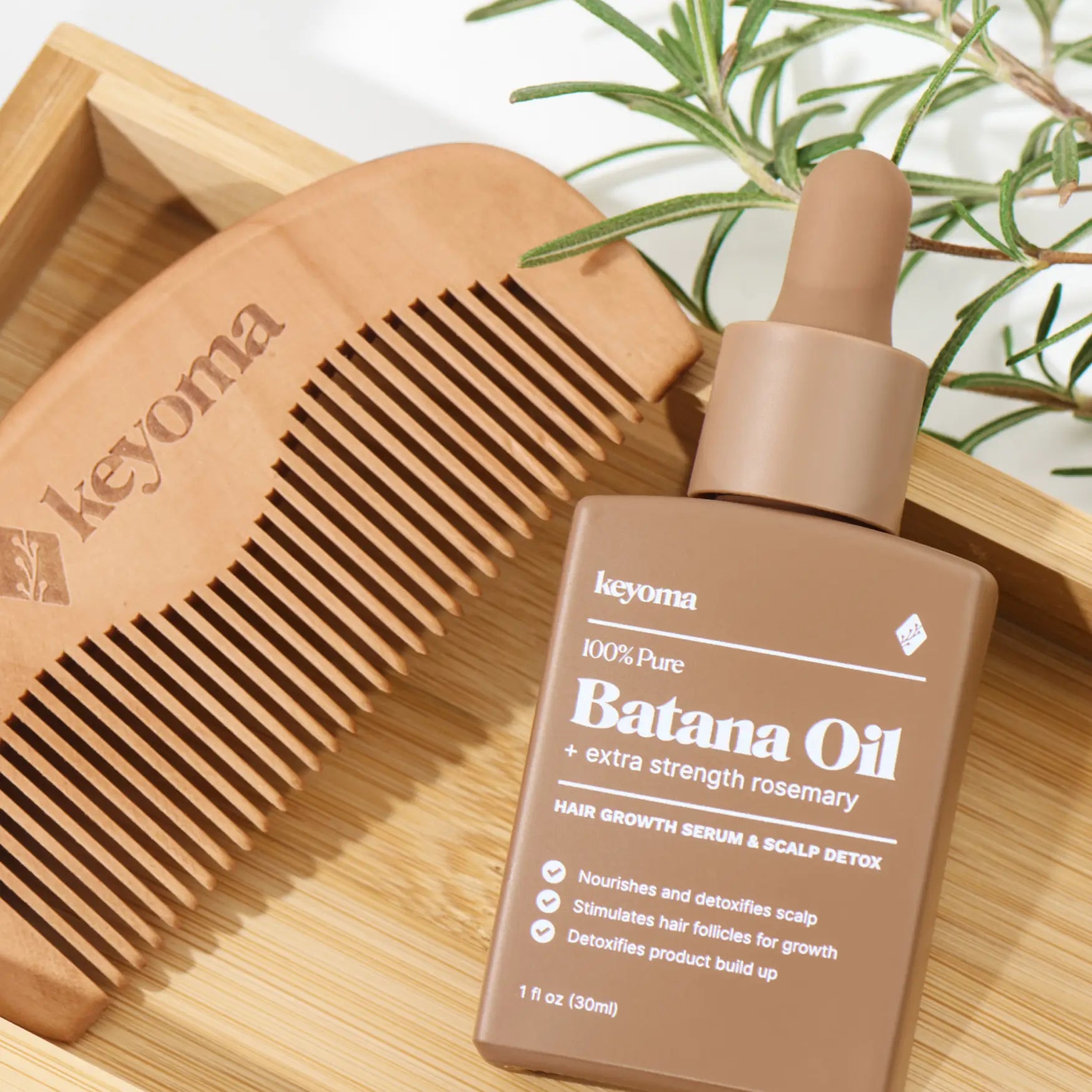
Use less than you think at first. Too much product can make hair limp or attract buildup, while too little may not reduce snagging. For dry ends, a small amount of pure batana oil can be used as a softening step, but it should not be framed as a cure for traction alopecia, scalp disease, or split ends.
Reduce Hair Friction Damage for Smoother Strands
Hair friction damage responds best to small, consistent changes. Softer accessories, looser styles, careful wet hair handling, smoother sleep surfaces, and added slip can reduce the daily stress that makes strands snap.
Pay close attention to your hairline, nape, and ends. Those areas often reveal friction first. If you see persistent thinning, scalp pain, bumps, crusting, bald patches, or shedding that does not settle, book a dermatologist visit instead of treating it as simple breakage. Mechanical damage can be managed with gentler habits, but true hair loss needs the right diagnosis.
Featured Product
30% Off + 3 FREE Gifts
100% Pure Batana Oil + Rosemary


