

In this article
Your hair can look dry even after you have oiled it. Curls can shine but refuse to spring back. Ends can feel rough while the roots already look heavy. These are different problems, so another layer of the same product will not solve all of them.
Re-wet hair when it feels stiff, has lost pliability, or needs its shape revived. Re-oil only when flexible lengths or ends need more slip, smoothing, or surface protection. If your hair needs both, apply water first and use the smallest useful amount of oil afterward. If it feels coated, limp, sticky, or greasy, add neither.
This quick check helps you read what your hair needs before reaching for a spray bottle or dropper.
Key Takeaways
-
Water helps revive pliability and shape, while oil mainly smooths and lubricates.
-
Rough but flexible ends may need a tiny amount of targeted oil.
-
Hair that feels dry and stiff may need water before any oil.
-
Coated, limp, or uncomfortable hair needs less layering and may need cleansing.
Choose Water, Oil, Both, or Neither
Start with what you can feel, not how many days have passed since your last wash. Day-two hair may need nothing. A small section on day four may need water. Your ends may need oil while your roots need to be left alone.
|
What you notice |
Best first action |
Why |
|
Stiff, dry-feeling hair or flattened texture |
Lightly re-wet |
Water helps restore pliability and reshape the section |
|
Flexible hair with rough ends or flyaways |
Use a trace of oil on the ends |
Oil adds slip and surface smoothing without soaking the style |
|
Stiff hair with rough ends |
Re-wet, then use minimal oil |
Water addresses pliability before oil reduces surface friction |
|
Limp, waxy, greasy, sticky, or uncomfortable hair |
Use neither |
More layering can increase buildup or weight |
Test one section and wait for it to settle. Hair often tells you more after a light application dries than it does while wet or freshly coated.
Re-Wet Hair When It Feels Stiff or Has Lost Shape
Choose water when a section no longer bends, scrunches, or falls the way it normally does. This is common when curls flatten overnight, waves stretch out under a hat, or dry air leaves the lengths less pliable.
Use a fine mist rather than soaking the full head. Focus on the sections that need reshaping, then smooth or scrunch them with minimal handling. Water can also reactivate some styling product left from wash day. That may restore definition without another layer of cream, gel, or oil.
Judge the section after it dries. If it regains shape and feels comfortable, stop. More water can disturb an intact style, increase frizz, or make a quick refresh take longer than necessary.
Re-Oil Hair When the Ends Feel Rough but Not Coated
Choose oil when the hair still bends and holds its shape but the surface feels rough. The ends may catch against your fingers, look fuzzy, or rub against clothing. A small amount of oil can add slip, reduce friction, and make those areas look smoother.
Warm a trace of oil across your fingertips and touch only the rough sections. Start at the oldest ends rather than the roots. If the oil disappears into the look of the hair without separating strands or flattening them, the amount was likely enough.
The Cleveland Clinic’s hair-oiling guidance also favors a small amount placed from the middle of the hair to the ends. It notes that dry, coarse, tightly curled hair may respond differently from fine, straight hair, which oil can weigh down more easily.
Oil can improve the appearance of worn ends, but it does not mend a split fiber. Treat it as surface care, not a substitute for conditioning or trimming.
Use Water First, Then a Small Amount of Oil
Use both when the hair feels stiff and the surface also feels rough. The order matters because pure oil does not add water. If you oil first, the hair may look shinier while still lacking the pliability needed to reshape it.
Mist one section until it is lightly damp, not dripping. Reshape it and give the water time to distribute. When the section is no longer overly wet, smooth a trace of oil over the lengths or ends if they still feel rough.
Oil and water have different jobs. Oil can lubricate the hair fiber and change how its surface feels. Research on oil films and moisture movement in human hair found that oil films can slow the movement and loss of water vapor. That is more precise than saying oil adds hydration or permanently locks water inside.
If every refresh requires several layers, the issue may be accumulated product or ends that need more than a between-wash adjustment.
Use Neither When Hair Feels Coated or the Scalp Needs Cleansing
Dry-looking hair is not always short on water or oil. Product residue can make strands dull, stiff, sticky, or separated into heavy sections. Adding water may spread or reactivate that residue without removing it. Adding oil may increase the weight.
Leave the hair alone or plan a wash when you notice:
-
Greasy roots or strands that gather into shiny sections
-
A waxy or sticky film on the lengths
-
Limp hair that does not improve after reshaping
-
Visible residue or an unpleasant odor
-
An itchy, tender, red, or uncomfortable scalp
If you have been adding oil repeatedly, review the fuller signs of hair oil overuse before layering on more. A refresh cannot cleanse away sweat, sebum, or accumulated styling products.
Do not use oil to quiet scalp discomfort. Cleveland Clinic notes that scalp oiling does not suit everyone and advises particular caution for people prone to dandruff. Persistent itching, redness, flaking, tenderness, or sores belongs outside a cosmetic refresh routine and should be assessed by a qualified clinician.
Follow a Two-Minute Between-Wash Check
A quick test keeps you from treating the shine in the mirror as the whole story.
-
Touch the scalp without adding product. Check for grease, residue, odor, or discomfort. If the scalp needs cleansing, do not cover that signal with oil.
-
Bend or scrunch one dry section. If it feels stiff and will not reshape, test a light mist of water. If it remains flexible, water may not be the missing step.
-
Slide your fingers over the ends. Roughness feels different from coating. Rough ends catch. Coated ends feel waxy, sticky, or unusually heavy.
-
Treat one small section. Use water for stiffness, oil for flexible roughness, or water followed by minimal oil when both signs appear.
-
Wait until the section settles. Do not judge oil while it is still sitting on your hands or water while the hair is still wet. Compare the test section with the untreated hair after it dries.
Adjust the Choice for Your Hair and Style

The same sign can look different across textures. The decision stays the same, but the amount and placement should change.
Curly, Coily, and Wavy Hair
If curls have flattened but still feel soft, water may be enough to reactivate the styling product already present. Mist the misshapen sections and scrunch or smooth them back into place. Avoid soaking every curl when only the crown or one side needs attention.
Oil alone can make curls look shinier, but shine does not restore a collapsed pattern. If the curl remains stretched or stiff, adding more oil may create coated hair with the same shape problem.
When the pattern returns but the ends still feel rough, apply a trace of oil after reshaping. Repeated scrunching can introduce more frizz than the refresh removes.
Fine or Straight Hair
Fine or straight strands often show oil sooner because a small amount can group the hair into visible sections and reduce volume. Treat oil as a spot correction for the last inch of rough ends or a few flyaways.
If the hair looks flat but the scalp is clean, test a small area first. A full mist can make the style collapse. Reparting or gently restyling one section may correct the shape without more product.
Oily Roots and Dry Ends
Your scalp and ends can need opposite actions at the same time. Dry ends are not evidence that oily roots need more oil. Keep any mist or oil on the lengths that need it, and leave greasy roots alone.
This split approach suits long, textured, color-treated, or heat-styled hair because the oldest ends have experienced more friction. The guide to oily roots and dry ends carries that separation into cleansing and conditioning.
Stop Layering and Reset at the Next Wash
A refresh has reached its limit when each layer gives you less improvement. Hair that dries stiff after misting may have accumulated styling product. Persistently rough ends may need conditioner, less heat or friction, or a trim.
Plan to cleanse when:
-
Water no longer restores shape
-
Oil makes the hair heavier but not smoother
-
The roots look greasy while the lengths feel coated
-
The hair feels sticky after products reactivate
-
The scalp develops persistent discomfort
Wash timing should respond to your scalp, activity, texture, and buildup. Do not stretch wash days when your scalp feels unclean or your hair needs daily layers.
Make Your Next Refresh a Smaller Decision
Before refreshing your whole head, choose one section that represents the problem. Give it water, a trace of oil, both in that order, or nothing. Let the result guide the rest.
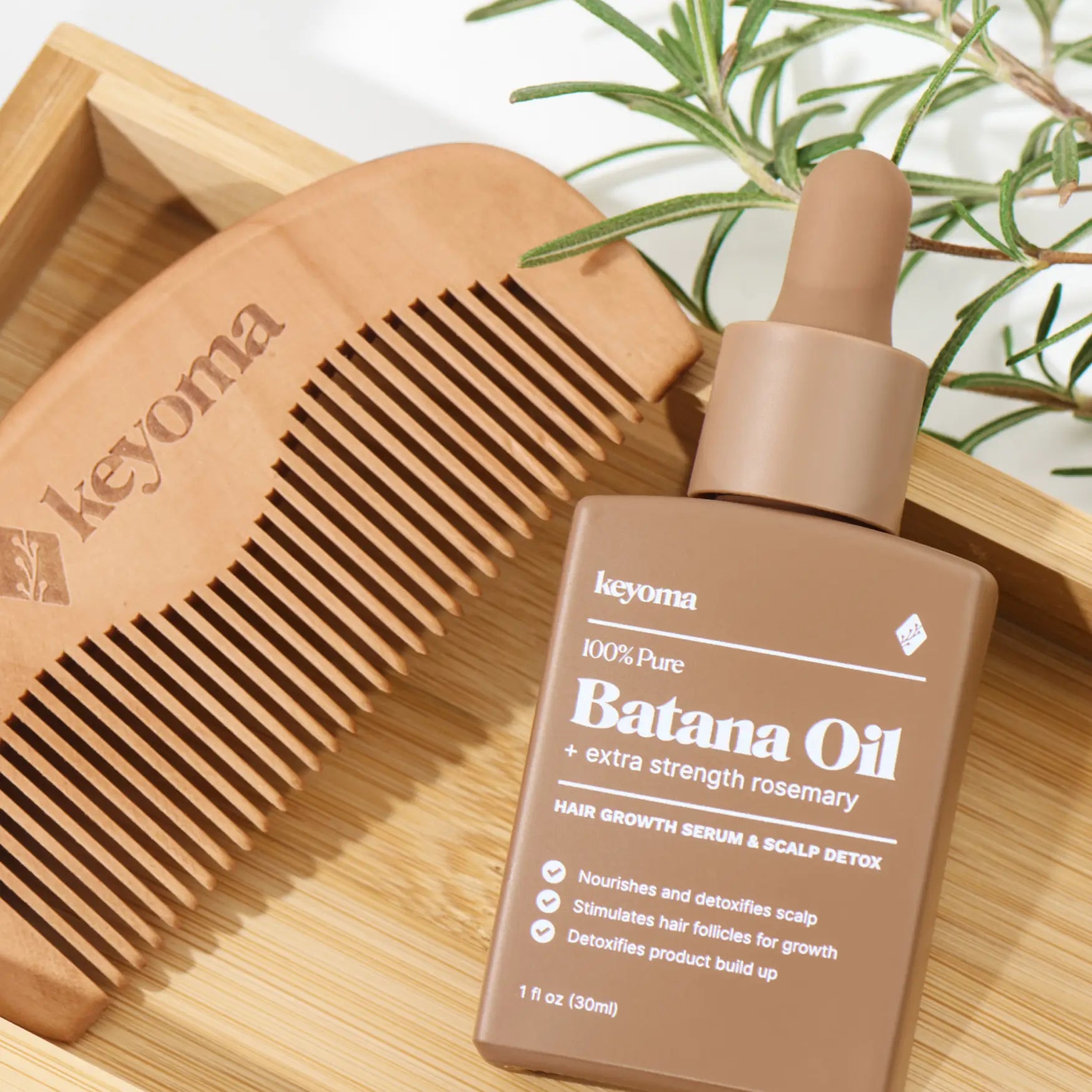
If your test points to oil, Keyoma Batana Oil with Rosemary can be used as a small, end-focused step. Warm a minimal amount across your fingertips and smooth it only where flexible hair feels rough. If your hair needs water or cleansing instead, save the oil for another day.
The goal is not to make every wash interval last as long as possible. It is to notice the difference between hair that needs reshaping, hair that needs slip, and hair that has had enough product.
Featured Product
30% Off + 3 FREE Gifts
100% Pure Batana Oil + Rosemary


