

In this article
Yes, can hair oil make dandruff worse is a fair question because oil can make flakes worse for some scalps. This is more likely when flakes are oily, itchy, sticky, or linked with buildup.
That does not mean every oil is bad. The real issue is fit, timing, amount, and scalp condition. A dry, tight scalp may respond differently from a greasy, irritated scalp. If flakes keep coming back, feel heavy, or get worse after oiling, your scalp may need cleansing or dandruff-focused care before more oil.
Key Takeaways
Hair oil may make dandruff look or feel worse when it adds buildup, residue, or irritation to a scalp that is already oily or flaky.
Dandruff is not always the same as dry scalp. Dandruff can involve oiliness, itch, and larger flakes, while dry scalp often feels tight and has smaller flakes.
Batana oil and rosemary oil should not be framed as dandruff treatments. They may fit some hair routines, but they should be used lightly and cautiously when flakes are present.
If your scalp is red, painful, crusting, bleeding, or not improving, speak with a dermatologist. Flaking can come from dandruff, seborrheic dermatitis, psoriasis, eczema, contact irritation, or other scalp conditions.
Can Hair Oil Make Dandruff Worse?
Hair oil may not cause dandruff by itself, but it can make dandruff harder to manage when the scalp already needs cleansing, oil control, or medicated shampoo care.
Dandruff is commonly linked with flaking and itch, and seborrheic dermatitis can cause oily patches with white or yellow scales. Dermatology sources also note that mild scalp seborrheic dermatitis may be treated with dandruff shampoo.
When you add oil to a scalp that already has sebum, dead skin, sweat, and product residue, flakes may feel thicker. They may also stick to the roots instead of lifting away. This is why some people notice more visible flakes after hair oil, even if the oil was meant to soothe the scalp.
The better question is not “Is oil good or bad?” It is: What does my scalp need right now?
Why Flakes May Get Worse After Hair Oil
Oil Can Add Buildup
Oil can mix with dead skin, styling products, sweat, and natural scalp oil. That mix can make flakes feel heavier or more stubborn.
Mayo Clinic notes that hair gels, sprays, and other products can build up on the scalp, make it oily, and cause more dandruff. Oil is not the same as hair spray, but the same buildup logic matters when a flaky scalp is already overloaded.
Oil Can Make Greasy Flakes More Noticeable
If your flakes are oily, sticky, or yellowish, adding more oil may make them clump. Instead of falling away, flakes may sit near the roots and look worse.
This is one reason oiling scalp with dandruff can feel confusing. The scalp may feel softer for a short time, but the flakes may look thicker later.
Oil Can Irritate a Sensitive Scalp
A sensitive scalp may react to essential oils, fragrance, strong blends, or frequent application. Rosemary oil should not be applied undiluted, especially if your scalp is already itchy or inflamed.
Essential oils can cause irritant or allergic contact dermatitis in some people, and DermNet notes that allergic contact dermatitis can occur when essential oils touch the skin.
Oil May Delay the Right Treatment
If your scalp needs dandruff shampoo, repeatedly adding oil can delay the step that may help more.
The American Academy of Dermatology says mild dandruff can often be managed at home by washing regularly, and dandruff shampoos can help when regular washing is not enough.
Is It Dandruff or Dry Scalp?
Dry scalp and dandruff can both cause flakes, but they often need different care. This is a simple way to think about it.
|
Sign |
Dry Scalp |
Dandruff-Prone Scalp |
|
Flake Type |
Smaller, dry-looking flakes |
Larger, oily, or sticky flakes |
|
Scalp Feel |
Tight, dry, sometimes itchy |
Itchy, oily, irritated, or greasy |
|
Oil Response |
May feel softer temporarily |
May feel heavier or flakier |
|
Better First Step |
Gentle moisture and mild cleansing |
Dandruff shampoo or scalp-focused care |
This table is only a guide. A dermatologist is the right person to confirm conditions like seborrheic dermatitis, psoriasis, eczema, or fungal-related scalp issues. Seborrheic dermatitis, for example, can affect oily areas and cause itchy, scaly, greasy patches on the scalp and face.
Should You Oil Your Scalp If You Have Dandruff?
Sometimes, but not always. The safest answer depends on your flake type, scalp feel, and reaction after oiling.
You may be able to use oil cautiously if your scalp feels dry rather than greasy, flakes are mild, there is no redness or burning, and you use a very small amount. It also helps to wash it out properly and avoid applying oil over heavy buildup.
You may want to pause scalp oiling if flakes get worse after oil, your scalp gets greasy quickly, flakes look yellowish or sticky, or you have redness, sores, burning, or strong itching.
Also pause if dandruff shampoo has been recommended, or if the same flaking keeps returning after every wash.
Can Batana Oil Help If You Have Dandruff?
Batana oil can fit some hair and scalp routines, but it should not be treated as a dandruff cure.
If your scalp is actively flaking, batana oil may be better used on hair lengths or dry areas instead of directly on the scalp. This is especially true if your flakes feel greasy, sticky, or itchy.
If your scalp usually tolerates oils well, Pure Batana Oil can be used lightly on dry lengths or as a pre-wash oil. Start small. Wash it out well. Stop using it on the scalp if flakes, itch, or heaviness increase.
Can Rosemary Oil Help If You Have Dandruff?
Rosemary oil should be handled carefully when dandruff is involved. It should not replace dandruff shampoo when flakes are oily, itchy, persistent, or inflamed.
The bigger concern is irritation. Essential oils are concentrated, and sensitive scalps may react when they are used too strongly or too often. If you already know your scalp tolerates diluted rosemary blends, a rosemary and batana oil blend may fit your routine. Still, watch for burning, itching, redness, or increased flakes.
If any of those happen, stop applying it to the scalp.
When Should You Use Dandruff Shampoo Instead?
Use dandruff shampoo or seek professional care when flakes are oily, sticky, yellowish, itchy, or quick to return after washing.
You should also choose dandruff-focused care over oil if oil makes the scalp worse, or if you notice burning, pain, crusting, sores, bleeding, or symptoms spreading beyond the scalp.
This does not mean you need an aggressive routine. It means the scalp may need the right cleansing support first. Dandruff shampoos can contain different active ingredients for flaking, itch, irritation, and scale, and a dermatologist can guide you if over-the-counter care is not enough.
How to Use Hair Oil More Safely With a Flaky Scalp
Start with clean hair and scalp. Do not layer oil over sweat, flakes, old product, and scalp residue.
Use less oil than you think you need. A flaky scalp usually does not need heavy coating.
Avoid heavy scalp oiling if flakes are oily. Apply oil to the hair lengths instead, especially if your ends feel dry but your roots feel greasy.
Do not leave oil on too long if it causes itch or buildup. If pre-shampoo oiling makes your scalp feel worse, shorten the contact time or pause scalp use.
Wash thoroughly after pre-shampoo oiling. A light oil routine can still become a buildup problem if the oil is not removed well.
Stop if flakes, redness, burning, or itching increase.
A Simple Rule: Oil Dryness, Cleanse Dandruff
If your scalp feels dry, tight, and mildly flaky, light oiling may help it feel more comfortable.
If your scalp feels oily, itchy, greasy, or inflamed, more oil may not be the answer. The scalp may need cleansing, dandruff shampoo, or a dermatologist’s help.
The goal is not to force oil into every routine. The goal is to read your scalp correctly.
Know When Oil Helps or Hurts
So, can hair oil make dandruff worse? Yes, it can when it adds buildup, heaviness, or irritation to a scalp that needs cleansing or dandruff care.
Oils like batana or diluted rosemary may still fit some routines, but they should be used cautiously. If flakes worsen after oiling, pause scalp oil and focus on the right scalp care first.
Not sure whether oil is helping or hurting? Start small, watch your scalp, and choose the Keyoma oil routine that fits your scalp instead of forcing one that does not.
Featured Product
30% Off + 3 FREE Gifts
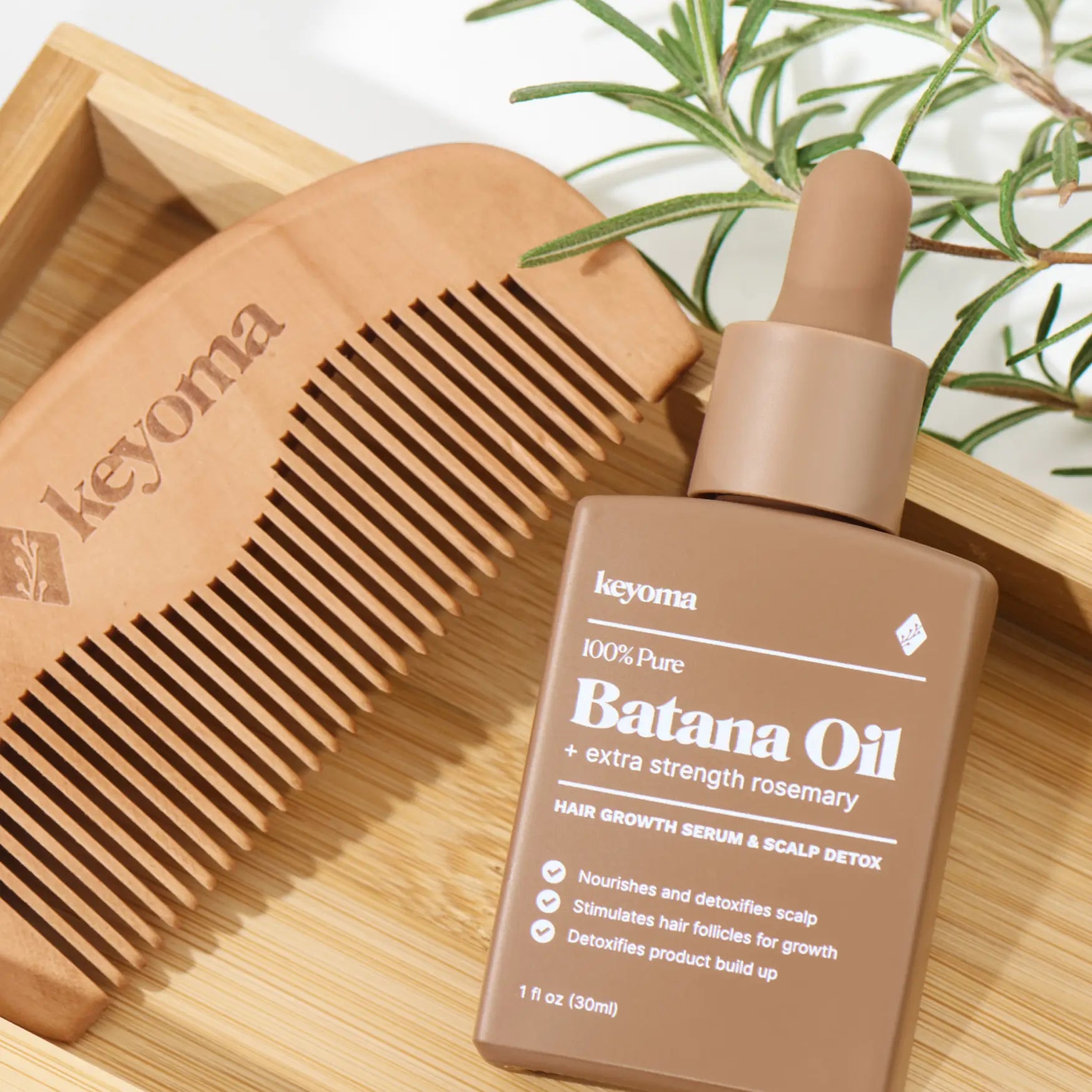
100% Pure Batana Oil + Rosemary


