

In this article
Hair thinning and unexplained shedding can affect both women and men. In some cases, low intake of key nutrients and certain vitamins may play a role and may contribute to more noticeable hair loss. This article looks at 9 foods that may work against healthier hair and explains why they matter.
Key Takeaways
-
Hair health may be shaped by poor nutrition, inflammation, and low intake of key nutrients.
-
High sugar, refined carbs, and processed foods may worsen conditions linked to thinning.
-
Mercury-rich fish and excess alcohol may affect hair through broader health effects.
-
Protein-rich, nutrient-dense foods may better support normal hair growth and scalp health.
Can foods affect hair loss?
Eating large amounts of less nutritious foods or too little nutritious foods may make hair loss worse.
A 2020 review of 24 studies suggested that anti-inflammatory diets, such as the Mediterranean diet, may support hair health and help reduce hair loss. The Mediterranean diet includes many nutrient-dense foods, including fruits, vegetables, whole grains, and olive oil.
Even so, while nutrient-rich anti-inflammatory foods may support hair growth, evidence is still limited that less nutritious inflammatory foods directly cause hair loss.
For example, some evidence suggests that excess intake of simple carbohydrates could indirectly increase inflammation that might worsen excess hair loss in women. Simple carbohydrates include refined sugars and grains.
A 2019 case study of two women transitioning through menopause suggested that the hair loss they experienced may have had links to eating tuna, a fish high in mercury. The authors said more research was still needed.
At this point, research points more clearly to certain foods and nutrients supporting hair health than to specific foods directly causing hair loss.
Foods That May Worsen Hair Loss
Diet alone does not always cause hair loss, but it can play a real role in making shedding and thinning worse. With that in mind, it helps to look at foods that may contribute to inflammation, poor nutrient intake, hormonal imbalance, or scalp issues that can affect healthy hair growth. Below is a list of foods that may worsen hair loss.
1. Sugar
Sugar is often placed first because a high intake can raise insulin levels. If eating habits do not change, that pattern may also contribute to broader health issues such as diabetes. Common high-sugar foods include soft drinks, energy drinks, tea, coffee, cakes, cookies, ice cream, sweets, and chocolate.
2. Processed foods
Heavily processed foods, such as ready meals, fast food, and packaged snacks, often provide a lot of sodium, sugar, and unhealthy fats while lacking key nutrients. Over time, that nutrition gap can work against hair health and may contribute to hair loss.
3. High-Saturated Fat Foods
Foods high in saturated fat are another concern because they may contribute to hormonal imbalance, which can affect scalp and hair health and may be linked with hormone-related hair loss. These foods include fatty meats, fried foods, butter, cheese, and oils.
4. High-Mercury Fish
A 2019 case report on two women with hair loss found that they had high mercury levels in their blood from eating fish. Their hair loss improved after they reduced their intake of mercury-rich fish.
The Food and Drug Administration (FDA) still recommends eating 2–3 servings of fish per week because of its nutritional value. Because of that, sticking with lower-mercury fish, such as salmon, cod, and tuna, may be more helpful for people concerned about hair loss.
5. Fried Foods
Foods high in unhealthy fats, such as fried foods, may throw off the oil balance of your scalp. An overly oily scalp can clog hair follicles and may contribute to hair loss. Fried foods may also support inflammation, which can work against healthy hair growth.
6. Junk Food
Junk food may taste good, but it does not do much for your hair. Hair follicles are connected to small sebum glands that release oil needed to help the hair keep its natural moisture. When greasy junk food is eaten too often, those glands may become overly oily and leave the hair coated with extra grease. That can make it harder for hair to grow in a healthy way.
7. Excessive Alcohol
Alcohol is another concern because it can interfere with the absorption of nutrients needed by the hair roots. Drinking large amounts may also affect judgment and damage internal organs, especially the liver. It makes sense to cut back on alcohol or drink more responsibly if hair health is a concern.
8. Refined Carbohydrates
Foods such as pastries, white bread, and pasta made with refined flour can quickly raise blood sugar levels, which may contribute to a hormonal pattern similar to sugary foods. That rapid rise in insulin may increase androgen production, which can negatively affect the hair follicles.
9. Protein-Deficient Foods
Protein-poor eating patterns are another problem. Protein is essential for hair and overall body growth, so it should be eaten in adequate amounts. Protein sources worth including regularly are fish, chicken, beef, pork, and soy milk.
Avoid Foods That Cause Hair Loss for Healthier Hair
Use pure batana oil to support your scalp while you clean up the habits that may be working against healthier hair. Food does not affect hair in one simple step, which is exactly why this topic matters.
What you eat can shape inflammation, nutrient delivery, and oil balance long before hair changes become obvious in the mirror. For me, steadier swaps felt easier to keep than strict food rules. One detail worth remembering is that the FDA still recommends two to three servings of fish per week, even in a discussion about mercury and hair loss.
That balance says a lot. Stronger hair usually comes from better overall choices, not extreme ones, and a nourishing oil fits best when it supports a broader shift toward care that is steady, realistic, and easier to sustain.
Featured Product
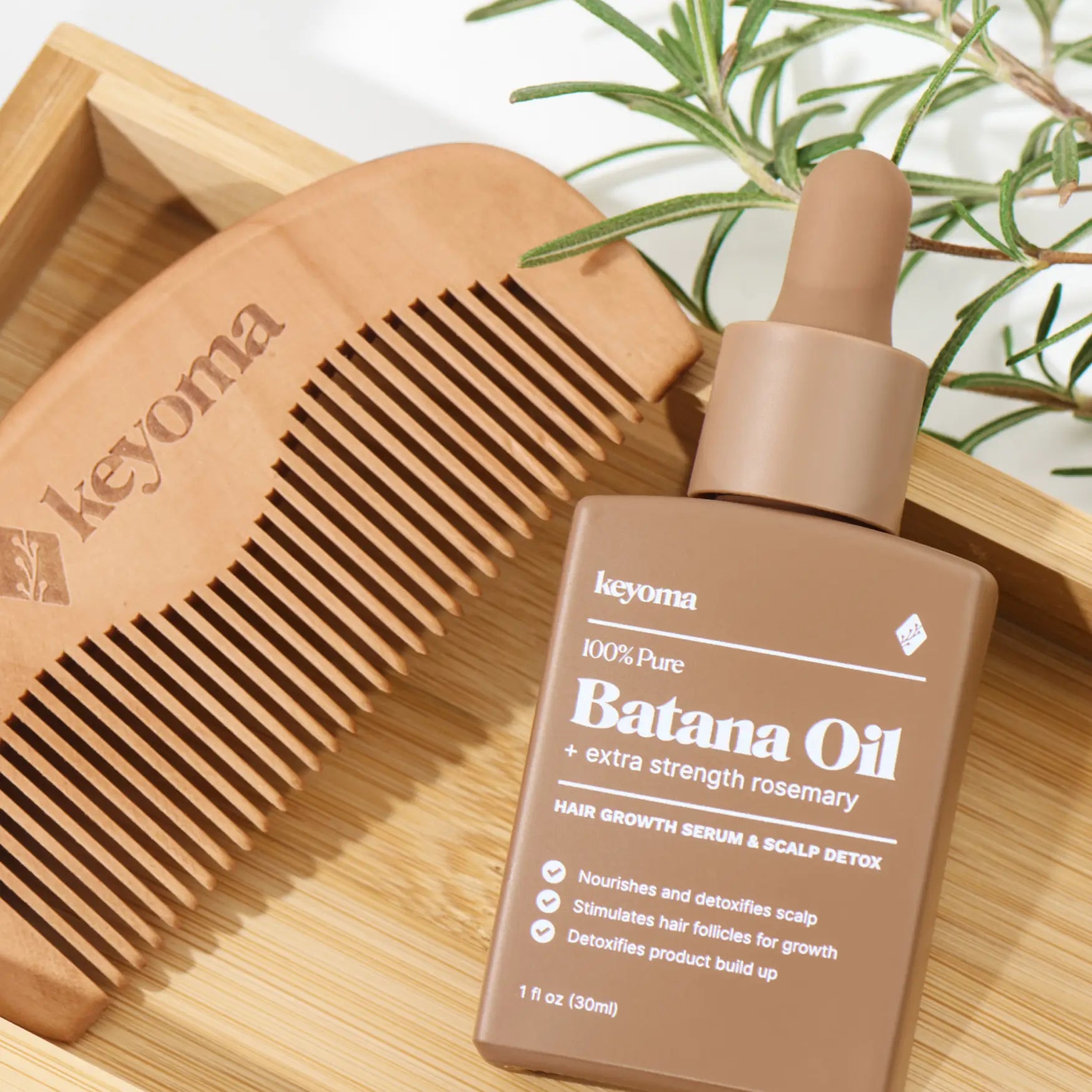
30% Off + 3 FREE Gifts
100% Pure Batana Oil + Rosemary


