

In this article
Hair loss can be difficult to deal with for both women and men. It is normal to shed some hair each day, and age can play a role too, but other factors may also be behind the change. Two common forms of thinning are diffuse pattern alopecia and diffuse unpatterned alopecia. Even though they can look alike at first, their causes and treatment paths are not exactly the same.
Here is a closer look at the diffuse pattern alopecia. Let’s also take a look at the cover common causes and the treatment options used for these two forms of thinning.
Key Takeaways
-
Diffuse alopecia causes even thinning across the scalp without clear patches or major hairline changes.
-
Stress, hormone shifts, illness, medications, cancer treatment, and nutritional deficits may trigger diffuse shedding.
-
Early signs often include more shedding, lower volume, flatter hair, and a thinner ponytail.
-
Treatment may include minoxidil, targeted supplements, laser therapy, platelet-rich plasma, or scalp support.
What Is Diffuse Alopecia
Diffuse alopecia causes the hair to thin evenly across the scalp. Unlike typical female or male pattern hair loss, it does not create defined bald spots or a clear shift in the hairline. Many people first notice less volume or more scalp showing under bright light. Those early changes matter because they can show up well before the thinning feels obvious.
This kind of hair loss affects the hair cycle rather than a few isolated follicles. When the body goes through stress or internal imbalance, more hairs move into the resting phase, which leads to heavier shedding. The process often starts months before symptoms are noticed. Understanding the hair cycle helps explain why the change can feel sudden even when the trigger happened earlier.
Diffuse hair loss may be temporary or long lasting depending on what is causing it. Some cases improve on their own when the trigger passes. Others need a more structured treatment plan to support healthy regrowth. A proper diagnosis helps determine which approach makes the most sense.
Causes of Diffuse Alopecia
Understanding what causes hair loss is important when you are trying to identify the type of alopecia and choose the right treatment path. This form of hair loss can develop for several different reasons. Below are some of the main causes of diffuse alopecia.
Stress
It is well known that stress and hair loss can be connected. Along with affecting overall health, long and intense periods of stress may weaken the hair follicles and become one reason diffuse alopecia develops.
Nutritional Deficits
Just as stress can directly affect hair health, diet also plays a major role in keeping hair healthy. Following a balanced diet is important for avoiding nutritional deficits that may contribute to alopecia, since diet and hair loss can be related.
It is usually recommended to eat foods rich in protein, minerals, and vitamins, such as fish, fruit, vegetables, and nuts.
Hormonal Alterations
Changes in the endocrine system are also among the main causes of diffuse alopecia. In women, this often appears during pregnancy or after childbirth, known as postpartum hair loss, menopause or even while taking oral contraceptives.
Thyroid conditions can disrupt the hormonal system as well and may also trigger diffuse alopecia.
Certain Diseases
Some intestinal, liver, and kidney diseases are also linked to diffuse alopecia. In these situations, once the condition itself is treated, the scalp often returns to normal function and the effects may reverse.
Use of Anticoagulants
Taking anticoagulants may also affect hair health and can lead to sudden shedding. In many of these cases, once treatment with that kind of medication ends, the hair gradually returns to normal.
Cancer Treatments
Cancer treatments such as radiotherapy or chemotherapy are another common cause of diffuse alopecia. As happens in other cases, once the treatment ends, the hair often begins to grow back normally.
Early Signs of Diffuse Alopecia
Early signs of diffuse alopecia can be easy to miss. Most people notice a few subtle changes before they realize something is wrong. These often include:
-
A thinner ponytail
-
More visible scalp in bright light
-
More shedding while brushing or showering
-
Hair that feels lighter or flatter
-
Reduced volume around the crown
Tracking these changes can help identify the issue sooner. High-resolution scalp imaging is one way clinicians measure density and catch early thinning before the loss becomes more obvious.
Treatments for Diffuse Alopecia
There are several effective treatments for diffuse thinning. Each one targets a different part of the hair growth cycle. The strongest plans usually combine supportive care with medical treatment.
Topical Medications
Minoxidil increases blood flow and helps keep follicles in the growth phase. It is often one of the first treatments recommended for diffuse hair loss. Many patients notice improvement after several months of steady use.
Hair Oil
Adding a nourishing hair oil to your routine may help support the scalp environment where healthier regrowth begins.
Current evidence suggests pure batana oil, which contains natural tocopherols plus oleic and linoleic acids, may nourish weakened follicles, ease scalp irritation, and help protect follicle cells from oxidative stress, which can contribute to diffuse thinning. I noticed lighter scalp application tended to feel easier to keep consistent.
Oral Supplements
If bloodwork shows nutritional issues, targeted supplements may be recommended. Zinc, vitamin D, iron, and B vitamins often support stronger regrowth. These recommendations should be based on testing rather than guesswork.
Low Level Laser Therapy
Laser light can stimulate tissue repair and improve circulation. It supports longer-term follicle health and may help people dealing with ongoing thinning.
PRP Therapy
Platelet Rich Plasma uses the patient’s own growth factors to support follicles. PRP can improve density in many cases and often works well alongside other treatments. It is considered a natural and safe option with minimal downtime.
Treat Diffuse Alopecia for Stronger Regrowth
Use pure batana oil when diffuse alopecia leaves your hair looking thinner across the whole scalp. This type of hair loss can be misleading because it does not create patches or a clear pattern, so many people do not notice it until volume has already started to drop.
Timing matters most, since the process can begin months before visible symptoms show up, which helps explain why the change may feel sudden.
That delay shifts the focus from reacting only to what you can see to supporting what is already happening below the surface. Choosing a nourishing oil earlier may help you stay ahead of ongoing scalp stress and give your hair a better chance to hold onto strength and density over time.
Featured Product
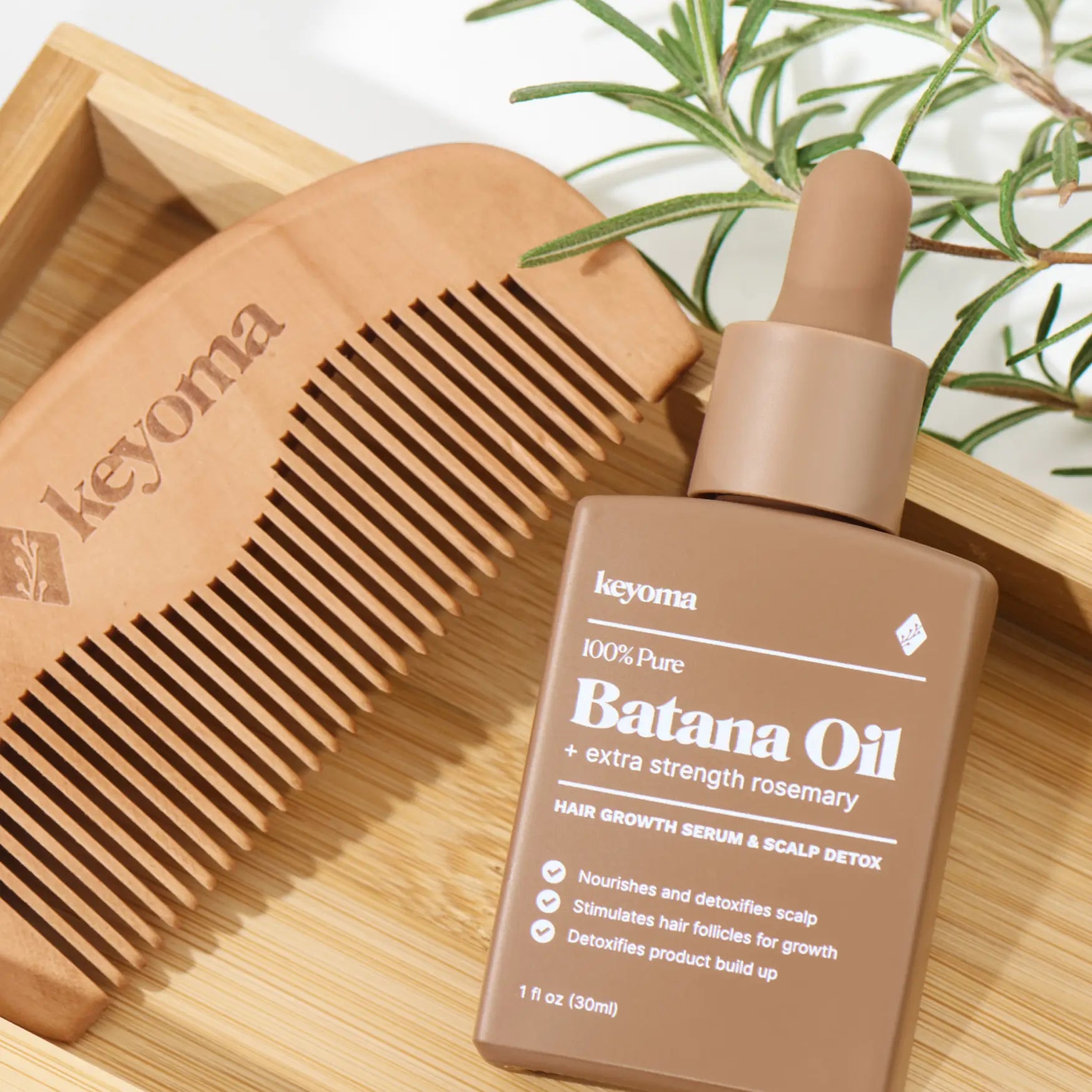
30% Off + 3 FREE Gifts
100% Pure Batana Oil + Rosemary


