

In this article
Drinking enough water is essential for keeping your body healthy from head to toe, including your hair. But can dehydration cause hair loss? And if it can, is dehydration-related hair loss something you can reverse?
About 60 percent of your body is made of water. Even though hair strands hold a lower percentage of water than organs and other tissues, getting the right amount of H2O each day is still clearly important for your hair follicles.
Key Takeaways
-
Dehydration may play a role in temporary shedding, breakage, and worsening of existing hair issues.
-
A dry, irritated scalp and brittle strands can happen when hydration stays too low.
-
Mild dehydration-related hair loss may improve with steady rehydration and better moisture support.
-
Water intake, water-rich foods, and rehydration during illness may support healthier hair.
What Is Dehydration?
Put simply, dehydration happens when your body loses more water than it takes in. That creates a fluid imbalance, which can affect normal body functions, including how the kidneys and brain work.
Dehydration may happen because you are not drinking enough fluids or because your body is losing too much water through sweating, urination, vomiting, or diarrhea. You are also more likely to become dehydrated during very hot weather or intense exercise.
People who take certain medications, such as diuretics or laxatives, may be more likely to get dehydrated. Some medical conditions, including diabetes, can also raise that risk.
Common signs of dehydration include a dry mouth, headache, fatigue, and feeling lightheaded. If it gets more severe, you may develop low blood pressure, a faster heart rate, and confusion.
Can Dehydration Cause Hair Loss?
The direct question, can dehydration cause hair loss, has a nuanced answer. Dehydration rarely causes permanent conditions such as female or male pattern baldness. However, it may contribute to temporary shedding and breakage and can make existing concerns worse.
If dehydration happens along with illness, heat stress, poor nutrition, or rapid weight loss, that combined stress may push more hairs into the shedding phase. So while dehydration-related hair loss is not the most common diagnosis, it can still be part of the picture.
How Dehydration Affects Hair Growth
Hair follicles depend on adequate hydration to work properly. The human body is composed of about 60% water, and every cell, including those in your scalp, depends on water to thrive. When you are dehydrated:
-
Your scalp may turn dry, flaky, and irritated.
-
Nutrients essential for hair growth, such as vitamins and minerals, may not reach the follicles as efficiently.
-
Hair shafts can become dry, brittle, and easier to break.
Over time, chronic dehydration may weaken the hair follicles and potentially contribute to thinning hair or hair loss.
Common Signs of Dehydration
Dehydration can develop because of sweating, frequent urination, or illnesses that cause vomiting or diarrhea. Even simple things, like forgetting to drink water often enough, may leave you dehydrated.
Common signs of dehydration include:
-
Strong feelings of thirst
-
Xerostomia, or dry mouth
-
Feelings of fatigue and tiredness
-
Sweating less than usual
-
Dark-colored urine and infrequent urination
-
Dizziness
-
Dry skin
If you are severely dehydrated, you may have confusion, a complete lack of urination, rapid breathing, and a rapid heartbeat. Extremely severe dehydration can affect blood and oxygen flow to your organs and may lead to shock.
Severe dehydration can become life-threatening. Seek emergency medical care as soon as possible if you develop any of the severe dehydration symptoms listed above.
Can Dehydration-Induced Hair Loss Be Reversed?
The good news is that mild dehydration-related hair loss is often reversible. Rehydrating your body and keeping your water intake consistent may improve the health of your scalp and hair over time.
However, if the hair loss has moved into a more advanced stage, causing bald patches or more noticeable thinning, medical treatment may be needed to restore hair density.
6 Ways To Prevent Hair Loss From Dehydration

Dehydration can affect both your scalp condition and the strength of your hair, so prevention comes down to supporting hydration both inside and out. These simple habits may help maintain moisture levels, improve scalp comfort, and lower the risk of dryness that may lead to more shedding.
Use the following tips to help yourself stay healthy and hydrated:
Promote Scalp Hydration
Use pure batana oil to help hold moisture in at the scalp. This oil is rich in fatty acids and antioxidants that support hydration and may help reduce dryness on the scalp itself. Apply a small amount directly to the scalp, massage it in gently, and leave it on to help support moisture balance, especially if your hair feels dry or brittle.
Keep Water Within Reach
Keep water close by. One easy way to drink more water is to carry a bottle when you are working or out during the day. I noticed a bottle nearby made steady sipping easier than trying to catch up later. Try filling it before you leave each morning and sipping from it throughout the day.
Eat Water-Rich Foods
Eat a balanced diet with more vegetables and fruits. Whole fruits and vegetables are not only full of minerals, vitamins, and fiber, they also contain a lot of water. In fact, many fruits are more than 90 percent water by weight. Watermelon and cucumbers are two excellent choices if you are aiming for better hydration and overall wellness.
Limit Sugary Drinks
Put water ahead of sugary drinks. Soda, fruit juice, and similar beverages can keep you hydrated, but they are also packed with simple sugars that can affect your well-being and contribute to overweight or obesity. When you can, choose water instead of sugary drinks.
Drink Water With Meals
Drink a glass of water whenever you eat. One simple way to stay hydrated is to make water part of each meal. Pour yourself a tall glass whenever you sit down to eat at home.
Rehydrate When Sick
When you are sick, use an oral rehydration solution. What about electrolytes and hair loss? If you have diarrhea or vomiting, you usually lose more water than normal. That makes it even more important to drink extra fluids to stay hydrated. Oral rehydration solutions contain electrolytes and other ingredients designed to quickly improve hydration.
Prevent Can Dehydration Cause Hair Loss With Better Hydration
Rehydrate your scalp with pure batana oil when dryness starts changing how your hair feels and behaves. Hair does not need to be coming out in clumps to show signs of stress.
Mild dehydration-related hair loss is often reversible, which makes early support more important than waiting until the problem looks worse. When moisture starts slipping, scalp comfort and hair strength can decline at the same time. Choosing a richer oil at that point helps you respond before dryness turns into more visible breakage or shedding.
Featured Product
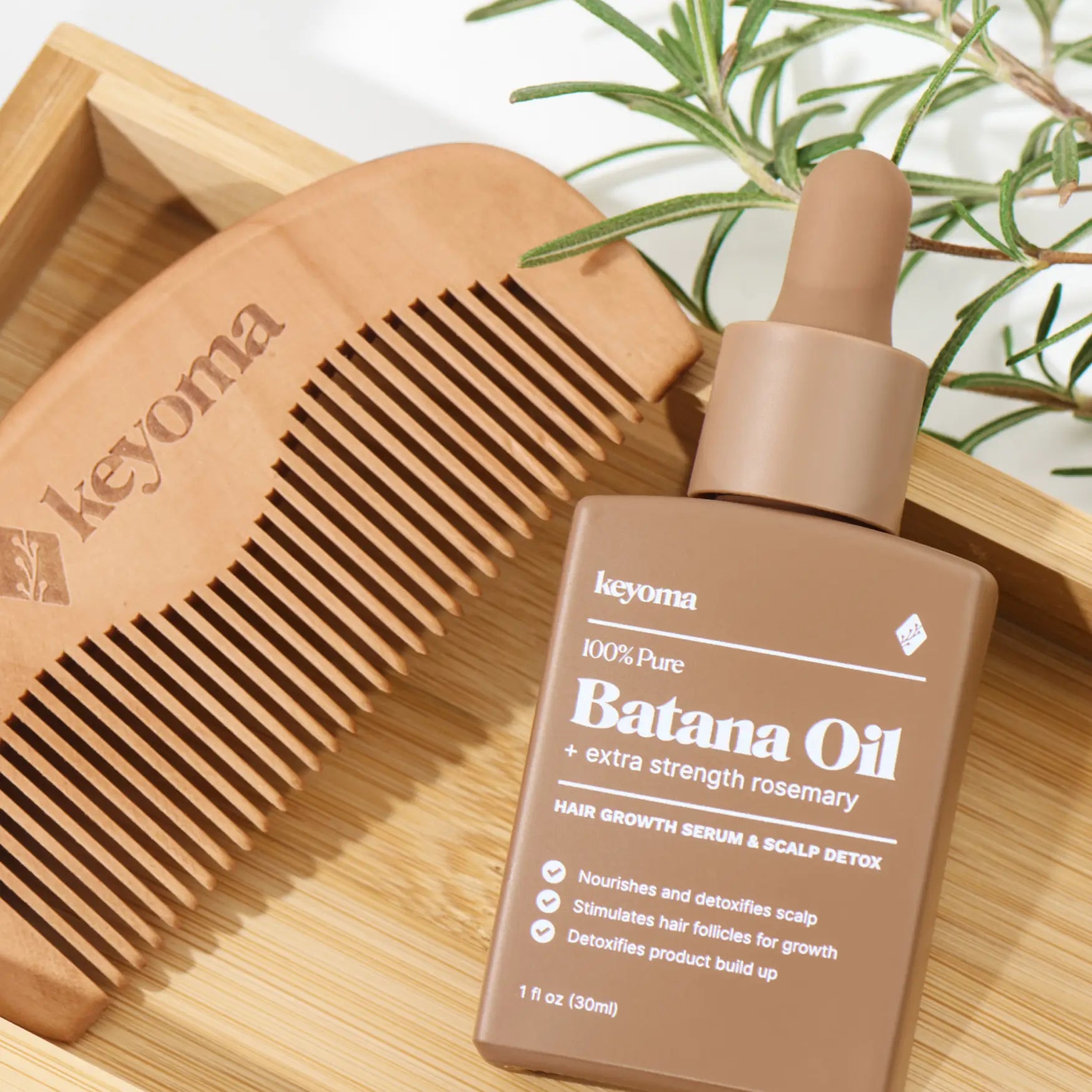
30% Off + 3 FREE Gifts
100% Pure Batana Oil + Rosemary


