
In this article
A new year can make you want a hair reset. You can switch things up without booking your stylist or colorist, even if a fresh fringe sounds tempting for 2026.
In a recent survey, 75% of beauty executives said they expect more consumer scrutiny of perceived value. Modest inflation is real, and the stock market can feel uncertain, so you may be extra selective about where you spend. If you splurge on high-end hair care, it should earn the price and be clearly better than something that costs half as much.
Below are expert suggestions for stronger hair wellness, shaped by 2026 trends, value, and where routines may go next.
Key Takeaways
-
More shoppers question value, leaning toward clear formulas and long-term scalp and hair health.
-
Scalp-first routines expand, using exfoliating acids, niacinamide, caffeine, rosemary, and targeted delivery.
-
Simpler sustainable routines grow, with silicone-free claims, shampoo bars, and biodegradable packaging.
-
Personalized and sensory products rise, including quizzes, fragrance-led items, waterless formats, and curl foams.
Current State of the Hair Care Industry
Hair care is already a massive market and is expected to keep growing through 2033, by almost $48 billion. The growth isn’t only about numbers. It also reflects a shift in how people think about hair care overall.
Hair care professionals and experts say customers are getting more ingredient-savvy and pay more attention to what’s in their hair products. This mirrors a broader push, especially among Millennials and Gen Z, where transparency and real performance matter more than the loudest marketing.
That focus on ingredients is also shaping the skinification of hair care. It means people are starting to treat hair and scalp more like skincare. Shoppers are less focused on quick fixes and more focused on long-term scalp and hair health. It also helps explain why skincare ingredients keep showing up in hair products.
Brands in the hair care industry are also putting more effort into innovating at-home solutions for people who want effective routines without the extra time or cost of salon visits.
6 Hair Care Industry Trends in 2026

1. Scalp-First Approach
For years, “healthy hair” mostly meant shine and styling. Now more people link hair results to scalp health, which is why scalp-first care keeps gaining steam.
One survey from the American Psychological Association suggests stress about societal division, the future, and isolation is a major concern for many Americans heading into 2026. When stress piles up and your mental health takes a hit, your scalp and hair can show it. Stress may throw off normal body rhythms, which can lead to more breakage, dryness, thinning, or irritation.
Hair grows from follicles in your scalp, so scalp skin health can influence how your hair grows, feels, and looks over time.
With ongoing stress and busy routines, more people want preventive and restorative steps that start at the root. The scalp is increasingly treated like an extension of skincare.
Brands are finally creating products designed for real absorption and support, not just scent and surface shine. Expect more natural ingredients aimed at reaching the follicle opening, plus exfoliating scalp serums that use acids or enzymes.
2. Sustainable Products and Minimal Formulas
It’s not surprising that sustainable, minimalist skincare habits are carrying into hair care. This is one of the most visible Millennial and Gen Z shifts in beauty overall.
Hair-care shoppers are more aware of how purchases affect their bodies and the planet. That awareness keeps pushing demand for cleaner, more sustainable options.
Many consumers call out two ingredients in particular: microplastics and non-biodegradable silicones. That’s why you may see more products labeled silicone-free as brands respond to what people are trying to avoid.
Many shoppers also want transparency, from ingredient lists they can actually read to formats like shampoo bars and biodegradable packaging.
3. Personalized Hair Care
Personalization has become one of the biggest beauty and hair-care trends in recent years. People know their needs are unique and want products that match their hair type, texture, and lifestyle without bouncing between endless generic brands.
One-size-fits-all is fading. In 2026, texture isn’t just embraced, it’s highlighted. Natural curls and coils are celebrated with more tailored cutting techniques like:
-
Precision, curl-by-curl cuts
-
Layered shaping for ringlets
-
Dry trims that boost waves
Wavy hair is getting its own playbook too, from sea-salt creams that define without crunch to feather-light gels that keep movement without stiffness. The goal is hair that looks natural and feels easy to wear.
Since hair care has never truly been one-size-fits-all, value-minded shoppers in 2026 will expect products to fit them better. That means more personalized routines for different hair types.
Rich creams can work for curls that need extra hydration and can handle heavier formulas, but fine, wavy, or loose curls may not tolerate that weight. Curl foams offer lighter styling without giving up definition or frizz control.
People with very dry scalps or extremely coarse, tightly curled hair may prefer the extra moisture of a cream or oil-based formula. Foams are typically lighter and less likely to leave residue on the scalp or hair than creams or gels. In 2026, brands may push more pick-your-format options, like foams, alongside classic creams and gels.
4. Fragrance-Based Hair Care
Expectations are high in 2026. With rising price tags and dupe culture everywhere, brands need to prove you’re getting real value. Consumers want ingredients that work and still feel a little special.
Fragrance is expected to lead the growth of the beauty market through 2030, so it makes sense that it will cross over into hair care. Hair is porous (water, products, and treatments can penetrate the cuticle.
Economic pressure also changes beauty habits. Fragrance-led hair care can act like the lipstick index: In stressful times, people often buy smaller luxuries like lipstick or a nice shampoo while cutting back on bigger purchases. Fragrance is an everyday feel-good upgrade that many people can relate to.
5. Waterless Hair Care
Here’s the tension with hair care: you want soft, shiny hair, but many products rely on a lot of water. Shampoos and conditioners typically include about 80 to 90% water.
Recent studies report that we use about 13.4 liters of water just to rinse shampoo and conditioner from our hair. That doesn’t even account for the water waste created in the facilities that manufacture our products. Water is a finite resource, and with about 720 million people worldwide facing high or critical water-stress levels, it can be hard to justify long showers and water-intensive hair care.
Interest in waterless hair care is driven by sustainability concerns and new formats. But the shift has been slow. Water helps products spread, hold ingredients, and create foam, so matching that performance in a bar conditioner, for example, is challenging.
In 2026, expect improved waterless options as brands keep refining shampoo bars to perform more like liquid formulas. I noticed powders were easier to measure than bars when I was traveling.
Avoid bars that don’t list conditioning ingredients like behentrimonium methosulfate, silicone alternatives like natural oils, or plant-derived emollients like hemisqualane. Brands are also looking to create newer waterless formats like dissolvable sheets, powder-to-liquid cleansers, and encapsulated oil systems.
6. Hair Color and Styles Preservation
If small luxuries like lipstick or scented shampoo feel easier to justify, salon appointments may be the first place you cut back. A cut and color can cost over $100 (often well over), and regular touchups add up quickly. When budgets tighten, many people stretch their hair schedule. Stylists report more clients letting color grow out or spacing appointments further apart.
Instead of a salon visit, several big brands have products lined up for 2026, especially at drugstore prices. Dove recently launched its UV Repair and Glow collection, which, as the name suggests, is formulated to help prevent UV damage (like discoloration and brittleness), and L’Oréal Paris is launching a style-preserving line next month.
Reset Your Routine Now With 2026 Hair-Care Trends at Keyoma
Use trends as tools, not rules. The smartest shift in 2026 is to favor what you can feel and track, not what only sounds new. If you’re tempted to overhaul everything, follow a now-next-later approach. Now, choose one scalp-first habit you can repeat, since consistency often beats chasing the “perfect” product.
Next, simplify your lineup and watch for buildup or irritation, because value-focused shoppers quickly drop anything that doesn’t perform.
Later, test formats like waterless products or curl foams only after your base routine is steady, so you can tell what made the difference. Want trend updates you can use without wasting money? Visit the Keyoma Hair Care blog for hair care trends and the latest updates.
Featured Product
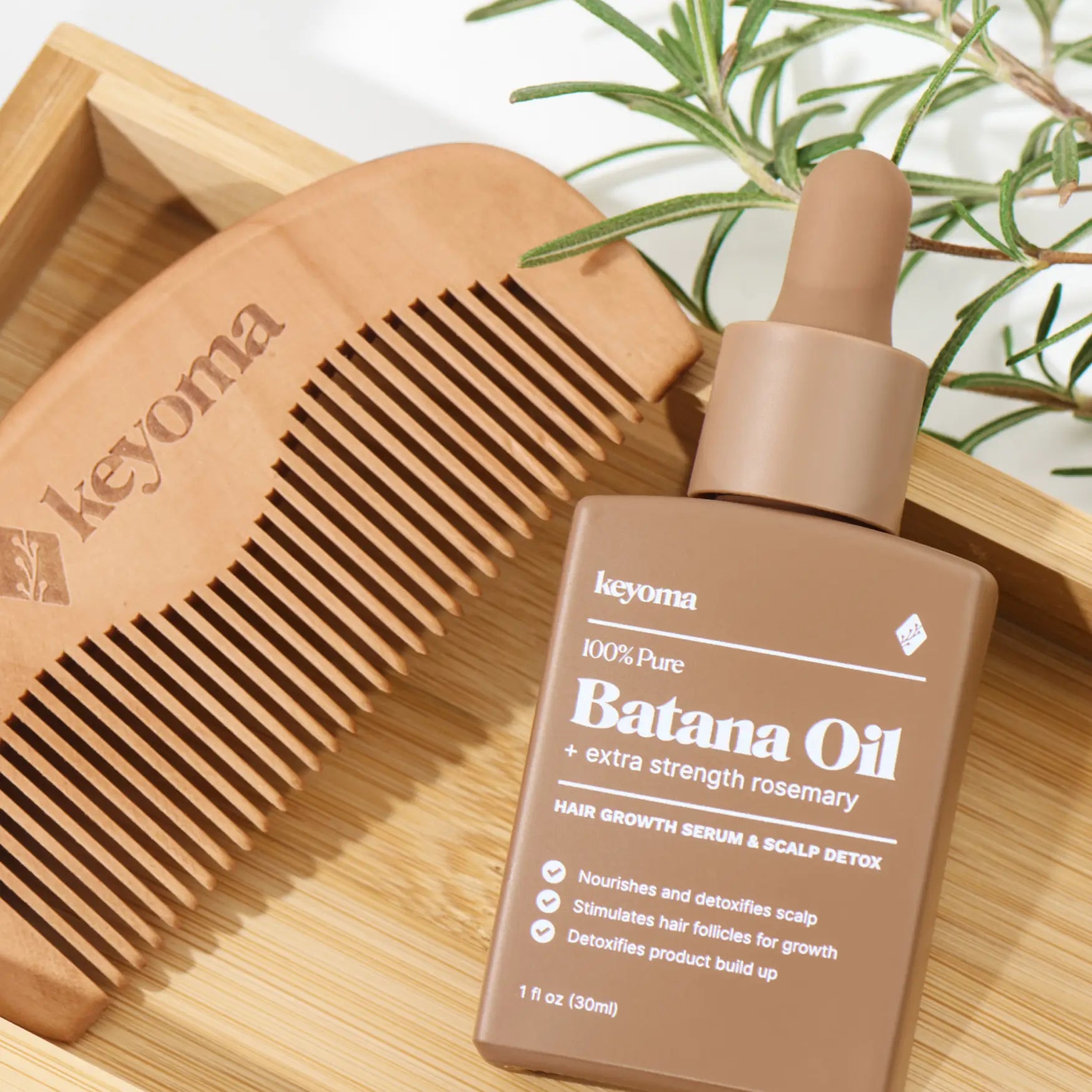
30% Off + 3 FREE Gifts
100% Pure Batana Oil + Rosemary


