

In this article
In most cases, you should not apply hair oil immediately before a haircut or trim. A fresh layer of oil can weigh down your hair, join separate strands into sections, and change how your natural texture falls.
Your stylist may need to evaluate your hair while it is clean and dry, especially during a dry, curly, or precision cut. Heavy oil and styling residue can make that assessment more difficult.
That does not mean you need freshly shampooed, product-free hair for every appointment. Preparation depends on whether the stylist will cut your hair wet or dry, whether shampooing is included, and how much product is already on your hair.
When in doubt, ask the salon how they want you to arrive. Their instructions should take priority over general haircut advice.
Key Takeaways
-
Skip heavy oil when your stylist needs to assess your hair’s natural shape.
-
Dry and curly cuts usually require clean, dry, and minimally styled hair.
-
Pre-washing may be unnecessary when your appointment includes shampooing before the cut.
-
Follow your stylist’s preparation instructions when they differ from general salon guidance.
Should You Apply Hair Oil Before a Haircut?
Applying hair oil immediately before a haircut is usually unnecessary. It may also change the information your stylist sees during the consultation.
Oil can make loose strands gather together, reduce visible volume, and cause the hair to lie flatter than usual. A stylist examining oily or heavily coated hair may have a harder time seeing its natural movement, density, or curl pattern.
This matters most when the haircut depends on how the hair behaves while dry. Layers, bangs, dry trims, and curl-by-curl cuts often require the stylist to observe where individual sections naturally sit.
There is an important difference between your scalp’s normal oil and a fresh application of hair oil. Hair washed the previous day may still be suitable for a haircut. Hair coated with a rich oil treatment shortly before the appointment may no longer show its usual shape.
A small amount of absorbed oil on dry ends may not disrupt every service. Still, applying more oil before leaving home offers no clear advantage unless your stylist requested it.
Decide Based on How Your Hair Will Be Cut

The planned cutting method should guide your preparation. Clean hair does not always mean freshly shampooed hair, but it should be free from enough residue to hide its natural behavior.
Before a Dry Haircut
Arrive with your hair clean, fully dry, and close to the way you normally wear it.
Dry cutting allows a stylist to see where the hair falls without the added weight and stretch of water. Fresh oil, wax, heavy cream, and excess dry shampoo can change that fall by making strands stiff, slick, or clumped together.
Avoid straightening, curling, or stretching your hair into a shape that does not represent your usual look unless the salon asks you to do so. The goal is to give the stylist an accurate view of your everyday hair.
If you wash before the appointment, leave enough time for your hair to dry completely. Do not arrive with damp roots when the salon has asked for dry hair.
Before a Wet Haircut
You may not need to wash at home if your appointment includes shampooing and conditioning. The salon will create the clean, damp starting point needed for the cut.
If shampooing is not included, ask whether the stylist wants you to wash before arriving. Hair with noticeable sweat, scalp oil, or product buildup may need cleansing first.
Do not arrive with dripping-wet hair unless requested. Many stylists begin the consultation while the hair is dry so they can examine its natural shape before washing it.
Wet cuts are common for blunt lines and other techniques that benefit from controlled, evenly damp sections. Even then, there is no benefit to applying a heavy oil treatment before the appointment if it will need to be washed out.
Before a Dry Curly or Coily Cut
Curly and coily cuts often have the most specific preparation requirements.
A curl specialist may want clean, completely dry, detangled hair worn in its natural curl pattern. This allows them to see the spring, shape, direction, and grouping of individual curls before cutting.
Prepare your curls without coating them in heavy oil or greasy styling products. These products can weigh down curl clumps and make the pattern look different from its normal state. Some stylists permit a small amount of lightweight styling product, while others ask for no product at all.
Avoid tying the hair into a bun, ponytail, braid, or twist after washing. These styles may stretch or reshape the curls. Brushing fully dry curls can also separate the curl groups that a stylist needs to examine during a curl-by-curl cut.
Professional curly-hair guidance recommends arriving with fully dry curls in their natural state while avoiding excessively sticky, greasy, or oily products. However, techniques differ between curl specialists, so confirm the salon’s requirements before wash day. (Only Curls)
Before a Bang Trim or Quick Maintenance Trim
For a small trim, focus on the section being cut.
Bangs should be clean, dry, and sitting in their normal position. Applying oil near the roots or fringe can make them lie flatter or separate differently, which may affect how the stylist judges their length and balance.
You do not always need a full wash for a quick maintenance appointment. If the relevant section is clean and free from heavy product, it may already be ready. Avoid pinning it back or changing its direction immediately before the trim.
Should You Wash Your Hair Before the Appointment?
You should wash your hair before a haircut when sweat, oil, or product residue prevents it from showing its natural shape. Washing is less important when the salon will shampoo your hair before cutting it.
Use the service details to decide:
|
Appointment Situation |
Recommended Preparation |
|
Dry cut |
Wash as directed, dry fully, and avoid heavy products |
|
Dry curly cut |
Bring clean, dry, natural curls with minimal product |
|
Wet cut with salon shampoo |
Washing again at home may be unnecessary |
|
Wet cut without shampoo |
Arrive with reasonably clean hair as instructed |
|
Bang or maintenance trim |
Keep the section clean, dry, and naturally positioned |
|
Unclear service details |
Ask the stylist before washing or applying oil |
Washing on the morning of the appointment can work if your hair has enough time to dry. Washing the night before may suit hair that takes several hours to air-dry.
There is no universal rule requiring everyone to wash within a fixed number of hours. Your scalp, hair texture, wash schedule, and appointment type all affect the timing.
StyleSeat’s haircut preparation guidance also distinguishes between dry and wet services. It recommends recently washed, fully dry hair for many curly and precision cuts while noting that washing at home may be less important when shampooing is included. (StyleSeat)
Do not repeatedly shampoo or use a harsh cleanser in an effort to make your hair “salon clean.” Wash it as you normally would, then handle it gently while drying and detangling.
The American Academy of Dermatology recommends gentle combing, less pulling, and reduced heat exposure to limit hair damage. It also advises letting straight hair dry partially before combing and detangling tightly curled or textured hair while damp with a wide-tooth comb. (American Academy of Dermatology)
What Hair Products Should You Avoid Before a Haircut?
Avoid products that make your hair look or behave noticeably different from its natural state.
These may include:
-
Heavy hair oil
-
Thick hair butter or pomade
-
Wax
-
Strong-hold gel
-
Excess dry shampoo
-
Sticky hairspray
-
Thick creams that leave a visible coating
These products can make hair feel stiff, slick, heavy, or difficult to separate. Dry shampoo may also leave residue at the roots, which can affect how the stylist evaluates oiliness, volume, and scalp visibility.
This is not a universal rule against all styling products. Some curl specialists want clients to arrive with light product in their hair because it helps preserve their normal curl definition. The key is to avoid anything that creates a shape you do not usually wear or hides the pattern the stylist needs to examine.
If the salon sends preparation instructions, follow them closely. A stylist familiar with the planned technique can give more relevant advice than a general checklist.
When Can You Keep Oil in Your Routine?
A haircut appointment does not require you to stop oiling your hair altogether. You only need to position the oiling step where it will not interfere with the service.
If you use oil before shampooing, complete the treatment early enough to wash it out and dry your hair according to the salon’s instructions. Do not apply another heavy layer after washing when the stylist has requested clean, product-light hair.
If your normal oil day falls immediately before the appointment, move it until after the haircut. Waiting protects the stylist’s view of your natural texture without removing oil from your broader routine.
You can return to your regular application after the appointment unless the stylist gives different aftercare directions. Use an amount suited to your routine rather than coating the hair simply because it has been trimmed.
Hair oil can improve lubrication, softness, and shine, but it cannot repair split ends or change how much damaged length needs to be removed. Keep the decision about trimming separate from the decision to use oil.
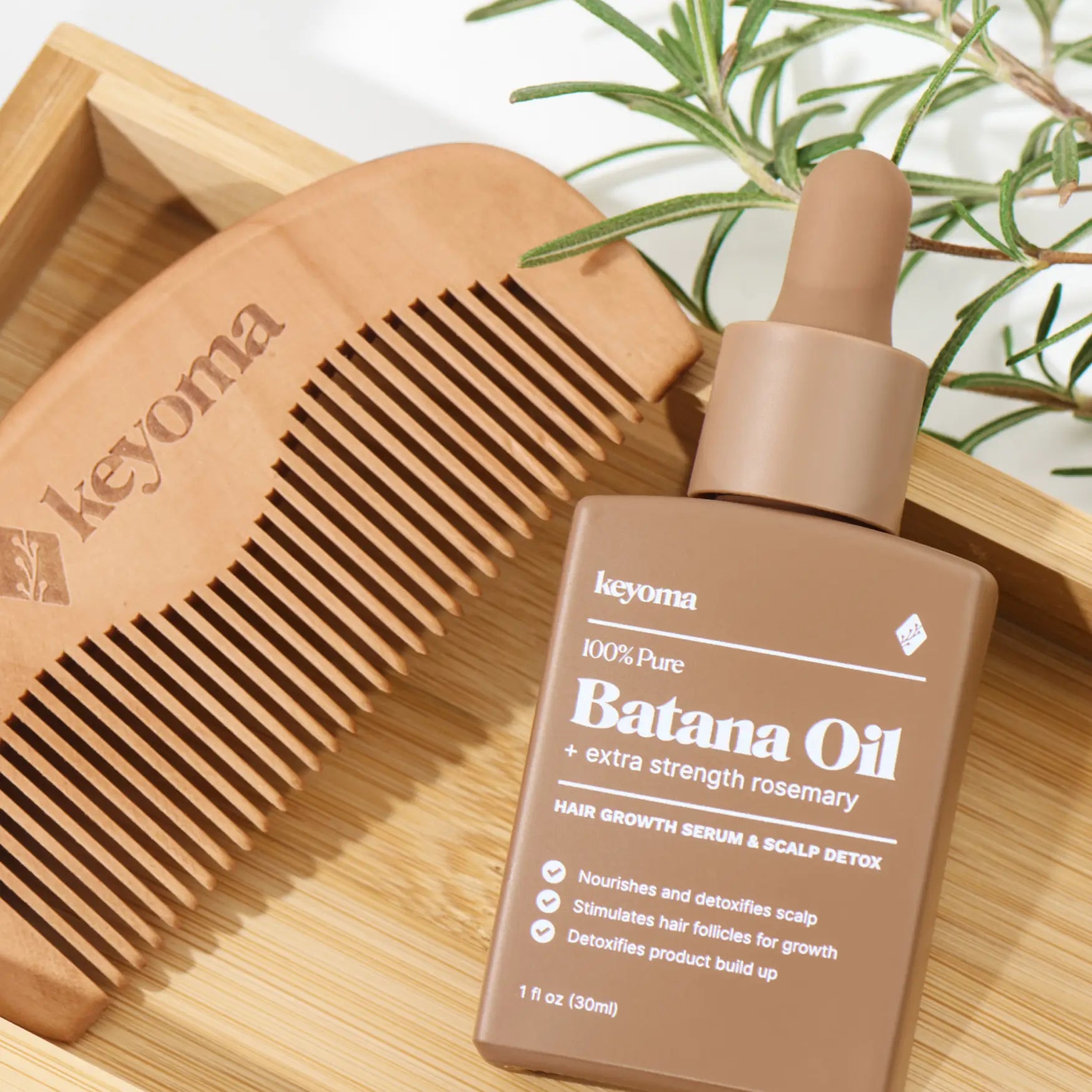
For a simple oiling step between salon visits, explore Keyoma Batana Oil with Rosemary. Apply it according to the product directions and schedule wash-out applications away from appointments that require clean, dry hair.
Use This Pre-Haircut Checklist
Before leaving for your appointment:
-
Confirm whether the haircut will be wet or dry.
-
Ask whether shampooing and conditioning are included.
-
Request the salon’s preparation instructions for a curly cut.
-
Wash your hair only when needed or instructed.
-
Let your hair dry fully before a dry cut.
-
Detangle gently using a method suited to your texture.
-
Skip heavy oil and products that alter the natural shape.
-
Wear your hair loose instead of tightly tied back.
-
Bring reference photos that show your preferred length and shape.
This checklist should help your stylist see how your hair behaves without turning appointment preparation into a complicated routine.
Prepare Your Hair Without Hiding Its Natural Shape
Most haircuts do not benefit from a fresh application of heavy oil. Your stylist needs to see how your hair naturally falls, separates, or curls, especially when working on dry hair.
Arrive with clean, manageable hair that matches the cutting method. That may mean fully washed and dried curls for a dry cut, or reasonably clean hair that the salon will shampoo before a wet cut.
When the salon provides instructions, follow those instructions first. After the appointment, you can return to the measured oiling routine that fits your hair and wash schedule.
Featured Product
30% Off + 3 FREE Gifts
100% Pure Batana Oil + Rosemary


