

In this article
Hair loss often gets pinned on the usual suspects: stress, hormones, and genetics. But sometimes the source is quieter and closer to home, including what’s hiding in damp walls.
Yes, mold can be part of the picture.
So can mold cause hair loss? It can, and it’s worth taking seriously if exposure is ongoing.
Mold exposure can set off health reactions, from immune disruption to long-running inflammation. Those changes can make it harder for the scalp to support steady growth. Mold is best known for musty smells and stains, but in some cases it may also contribute to thinning, shedding, and even a condition called telogen effluvium.
Here’s how mold exposure may affect hair, what to watch for, and how to protect your scalp while you fix the environment.
Key Takeaways
-
Mold spores in damp indoor spaces can trigger allergies and leave your scalp feeling irritated.
-
Ongoing exposure may increase body-wide inflammation and stress follicles, which can raise shedding.
-
Some molds produce mycotoxins that can interfere with body processes and nutrient delivery.
-
Lowering indoor moisture, removing mold sources, and gentle scalp care can support regrowth.
What Is Mold?
Mold is a fungus that grows outdoors and indoors, especially in moist, warm, poorly ventilated areas, such as basements.
Not all mold is harmful, but some can cause health issues when we’re exposed through inhalation, ingestion, or touching moldy surfaces.
Mold spreads by releasing tiny spores into the air that you can’t see. Those spores can land on skin and scalp and are easy to breathe in.
You may spot mold on bathroom walls, under sinks, behind drywall, in older HVAC systems, or anywhere with water damage. It’s a clear sign that moisture has been sitting too long.
Even a small patch can seem harmless at first, but repeated exposure, especially in closed spaces like home or work, may affect your health, including your hair.
Can Mold Exposure Lead to Hair Loss?
Yes, it can. Mold-related toxins may contribute to systemic inflammation and disrupt the body’s balance. Inflammation and an overactive immune response can harm follicles, leading to thinning or shedding.
Mold exposure is only one possible factor. Stress, medications, and nutrient gaps may also contribute to shedding.
Types of Mold You May Find
Spotting mold at home is never fun, but knowing the common indoor types can help. Before you spiral, remember most types of mold do not cause health issues.
Here are a few molds you may see indoors and the possible effects of longer exposure:
-
Aspergillus: A common indoor mold that can trigger allergies and respiratory infections, especially with a weakened immune system.
-
Cladosporium: Often found on wood, textiles, and HVAC systems, and it can cause allergy symptoms.
-
Penicillium: Known for a musty odor. It can trigger allergies, asthma flare-ups, and sinus infections.
-
Alternaria: Often found in bathrooms and dust. It can provoke strong allergic reactions and is linked with asthma.
How Mold Exposure Can Contribute to Hair Loss

Mold exposure and hair loss don’t always seem connected, but when mold builds up in your environment, it doesn’t just sit behind drywall. It can affect your health in ways that show up on your scalp.
Because hair is considered “non-essential” for survival, it’s often one of the first things to take a hit when your body is under strain. If your system is busy managing irritation, inflammation, or other stress, it may divert nutrients away from follicles and toward higher priorities.
That shift can leave follicles under-fueled and stuck, leading to thinner strands, more shedding, and sometimes noticeable hair loss over time in the mirror.
Below are the main ways mold exposure may lead to hair changes and stress the scalp and follicles.
Scalp Irritation and Inflammation
When certain mold spores land on skin, including your scalp, they may trigger irritation in people who are sensitive or allergic reactions in people who are allergic to mold.
That irritation can fuel inflammation. Over time, higher inflammation levels may affect follicles and interfere with steady, healthy growth.
Immune System Strain
Ongoing mold exposure may keep your immune system stuck in fight mode.
For people who have asthma, mold allergies, autoimmune conditions, chronic sinus infections, or other respiratory issues, that extra load can wear the body down.
When the body is spending more energy on inflammation control, it may divert resources from “non-essential” functions like hair growth.
Mycotoxins and Toxin Exposure
Some fungi, including types sometimes called black mold, can produce mycotoxins. When spores are inhaled, they can reach the lungs and may enter the bloodstream, allowing those compounds to circulate. That exposure can disrupt body functions that support hair growth, not just the respiratory system.
If mycotoxins disrupt normal processes, including cellular function and nutrient delivery to follicles, hair can become weaker, thinner, and slower to grow. In short, toxin exposure can stress follicles and make it harder to produce strong hair.
Treatment for Mold-Related Hair Shedding

If you suspect mold is behind thinning, don’t panic. Some causes of shedding are temporary and reversible, so it helps to address the environment and support scalp health at the same time.
Here’s a practical way to start.
Eliminate the Mold at the Source
Removing mold matters for preventing ongoing health problems, including hair shedding. Professional remediation focuses on finding the source, cleaning affected areas, and preventing regrowth. Keeping spaces dry and well ventilated can greatly lower the risk.
First, deal with the mold in your environment. This isn’t a situation where you want to rely only on a quick DIY spray.
Bring in a professional to inspect and remove mold safely, especially if it may be inside walls or HVAC systems.
Use a dehumidifier to keep indoor humidity under 50 percent (mold thrives on moisture). A close friend with allergies felt less itchy once humidity stayed consistent. Consider an air purifier with a true HEPA filter to trap spores.
Calm Scalp Irritation
Even without an infection, inflammation can irritate the scalp and weaken follicles. I noticed fragrance-free products stung less when my scalp was already reactive. Use gentle, anti-inflammatory products and avoid harsh or heavily scented formulas, since they can worsen irritation.
Look for ingredients such as:
-
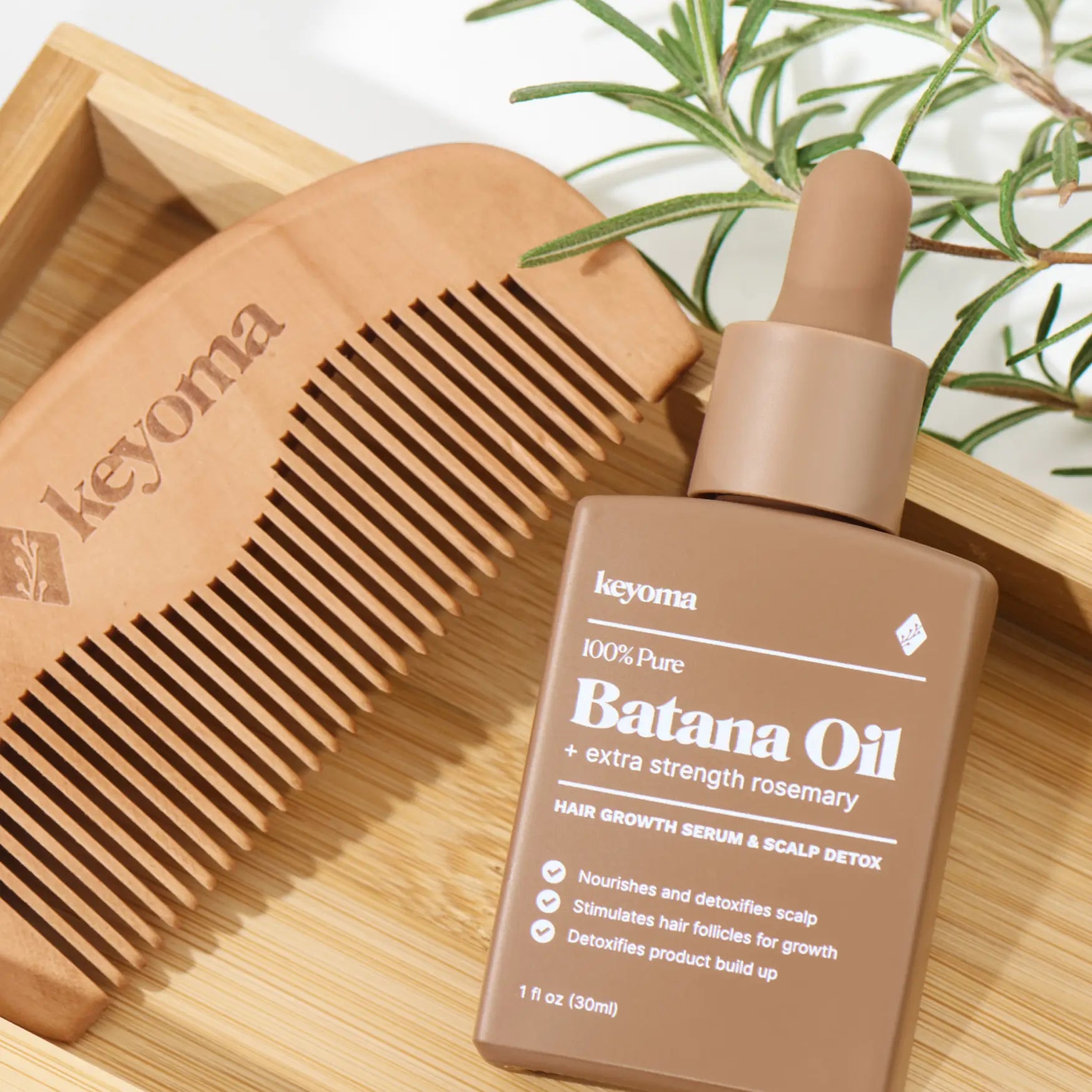
Batana oil: A rich fatty-acid oil that can soften dry scalp, support the moisture barrier, and reduce friction that worsens irritation.
-
Tea tree oil: Naturally antifungal and anti-inflammatory, it may feel soothing on the scalp and can be used alongside prescribed treatments.
-
Aloe vera: Known for cooling, calming effects, it may help settle an irritated scalp while you treat the cause.
-
Salicylic acid: A salicylic acid shampoo can help with flaking or buildup when seborrheic dermatitis is the cause.
Support Hair Regrowth Safely
Once the mold is addressed and your scalp is in a better place, you can shift your focus toward regrowth.
Options that may help include:
-
Minoxidil: An FDA-approved topical, minoxidil is used to stimulate hair growth and help slow hair loss in men.
-
Finasteride: An FDA-approved oral treatment that can slow hair loss and may promote regrowth.
-
Balanced diet: Improving diet quality supports overall health and can support hair, too. Include fruits, vegetables, nuts, seeds, whole grains, legumes, and lean proteins, which provide nutrients like zinc, biotin, vitamin D, iron, and omega-3 fatty acids.
-
Scalp massages: They can feel great, and they may help increase blood flow to follicles, supporting their work.
Many men with temporary shedding see regrowth within a few months once the trigger is removed. For me, tracking shed days made changes feel easier to notice. Stick with your plan.
Support Your Body’s Detox Pathways
Supporting natural detox pathways can help clear mold toxins and reduce inflammation. This may support regrowth and help prevent further follicle stress.
-
Supplements: Consider options like activated charcoal, glutathione, and milk thistle to support liver function and help remove mycotoxins.
-
Antioxidants: Add antioxidant-rich foods such as leafy greens, berries, and turmeric to help lower oxidative stress linked to mold exposure.
Remove Mold, Then Calm Your Scalp With Keyoma Batana Oil
Hair loss tied to mold exposure is real and often missed. Mold toxins can trigger inflammation, hormone disruption, immune responses, and nutrient deficiencies, which can contribute to thinning and shedding. Keyoma believes in a natural approach to hair loss.
If you’ve been exposed to mold and you’re shedding more than usual, address the mold source while also supporting detoxification, hormone balance, and nutrition. With steady steps, you can support healthier hair and feel better overall.
Find more step-by-step routines and natural hair care tips on the Keyoma Hair Care blog.
Featured Product
30% Off + 3 FREE Gifts
100% Pure Batana Oil + Rosemary


