

In this article
Finding flakes after oiling your hair does not automatically mean the oil caused dandruff. The oil may have loosened skin cells that were already present, gathered small flakes into visible clumps, left residue on the scalp, or irritated your skin.
The timing matters. So do other symptoms, including tightness, greasiness, itching, burning, redness, and tenderness. These clues can help you choose a safer next step, but they cannot confirm a scalp condition at home.
Key Takeaways
-
Oil can loosen existing scale and make previously unnoticed flakes easier to see.
-
Tightness, residue, itching, and redness offer more useful clues than flake color.
-
Pause scalp oiling if you notice burning, tenderness, redness, or worsening itch.
-
Persistent, spreading, or painful symptoms need assessment from a qualified medical professional.
Why Flakes May Look Worse After Hair Oiling
Applying oil can change how existing flakes look without creating a new scalp problem. Massage may lift loose skin cells from the scalp. The oil can then coat those cells and cause them to gather into larger, more noticeable pieces.
Flakes may also mix with sebum, sweat, dry shampoo, conditioner, or styling residue. This combination can leave the roots feeling waxy, sticky, or difficult to rinse. If that pattern sounds familiar, learn more about product buildup on the scalp.
Another possibility is irritation. An oil blend may contain fragrance, essential oils, preservatives, or other ingredients that do not agree with your skin. Natural ingredients still have the potential to irritate a sensitive scalp.
The most important distinction is between visible flakes alone and flakes accompanied by discomfort or inflammation. Flaking without burning or redness may point toward loose scale or residue. Flaking with increasing itch, soreness, or a rash deserves more caution.
Use Timing to Narrow Down What Changed

Think about when the flakes first appeared rather than focusing only on their size or color.
Flakes Appeared While Applying or Massaging the Oil
When flakes become visible during massage, your fingers may be dislodging scale that was already on the scalp.
Ask yourself:
-
Did your scalp feel tight or itchy before you started?
-
Were flakes already visible along your part or hairline?
-
Had you gone longer than usual between washes?
-
Did you use dry shampoo or several styling products earlier in the week?
If symptoms were present before application, the oil may have revealed the flaking rather than created it. Massaging harder will not identify the cause and may make an irritated scalp feel worse.
Flakes Appeared After the Oil Sat on Your Scalp
Flaking that develops during the contact period calls for a closer look at how the scalp feels.
A greasy or coated feeling without burning may point toward excess product or a formula that is too heavy for direct scalp use. The amount and contact time matter. An oil that works well on your ends may leave too much residue at the roots.
Burning, warmth, tenderness, redness, or rapidly increasing itch makes irritation more concerning. Stop applying the product instead of waiting for your scalp to “adjust.” A tingling or burning feeling does not prove that an oil is working.
Flakes Appeared After Shampooing the Oil Out
The wash itself may influence what you see afterward.
A large amount of oil may require more cleansing than usual. If some residue remains, the roots can still feel coated and flakes may stick to the hair. On the other hand, repeated shampooing, hot water, and aggressive scrubbing may leave the scalp feeling tight or uncomfortable.
Consider the full sequence:
-
How much oil did you apply?
-
How long did you leave it on?
-
Did the oil reach the entire scalp or only selected areas?
-
How many times did you shampoo?
-
Did the scalp feel greasy, tight, or irritated after drying?
This is more useful than assuming every post-wash flake means dryness.
Compare Dryness, Buildup, and Irritation
Dryness, residue, and irritation can overlap. Use the following signs as clues, not a diagnosis.
|
Clue |
Dryness May Be Involved |
Buildup May Be Involved |
Irritation May Be Involved |
|
Scalp feel |
Tight, dry, or mildly itchy |
Greasy, waxy, or coated |
Burning, sore, tender, or increasingly itchy |
|
Timing |
Often noticeable after washing |
Often increases after repeated applications |
May begin during or soon after exposure |
|
Roots |
May feel normal or dry |
Heavy, sticky, flat, or hard to clean |
Hair texture offers limited information |
|
Other signs |
Fine, loose flakes without marked inflammation |
Residue on the scalp or hair |
Redness, rash, swelling, or worsening discomfort |
|
Safer response |
Simplify washing and avoid over-cleansing |
Pause added scalp products and cleanse gently |
Stop the suspected product and monitor closely |
A tight scalp with fine flakes may fit common signs of a dry scalp. However, appearance alone is not enough to separate dryness from dandruff, dermatitis, psoriasis, or another condition.
DermNet lists scale, itching, soreness, pustules, and sores among common scalp symptoms. It also shows that several unrelated conditions can produce visible scale. This is why flake color or location cannot provide a reliable diagnosis by itself. DermNet
What to Do When Flaking Starts After Oiling

Your first goal is to remove possible triggers without adding more stress to the scalp.
Stop Adding More Oil to the Scalp
Do not apply another layer of oil to soften or hide the flakes. More product can make residue harder to evaluate and may extend contact with an irritating ingredient.
Pause scalp oiling and give the skin time to settle. If your hair lengths need help with dryness, keep new products away from the scalp until you understand what triggered the reaction.
Wash Without Scrubbing the Flakes Off
Use lukewarm water and a familiar, gentle shampoo. Work the lather across the scalp with your fingertips, then rinse thoroughly.
Avoid:
-
Scratching with your nails
-
Picking at attached flakes
-
Using a gritty scalp scrub
-
Brushing the scalp forcefully
-
Washing repeatedly in one session
-
Applying another new scalp treatment afterward
The American Academy of Dermatology notes that an itchy, dry, flaky scalp can sometimes result from a reaction to a hair-care product or shampoo left behind after rinsing. American Academy of Dermatology
Review the Entire Routine
The oil may not be the only change that matters. Look at everything that touched your scalp during the same period.
Write down:
-
The oil and its full ingredient list
-
Whether the product was new
-
The amount you applied
-
How long it remained on your scalp
-
Whether an essential oil was diluted as directed
-
Any new shampoo, mask, dye, fragrance, or styling product
-
Whether your scalp was already dry, scratched, or irritated
-
How symptoms changed after you stopped the product
Change one part of the routine at a time. Replacing several products at once makes it harder to identify a pattern.
Keep the product container or take a clear photo of its ingredient list. Mayo Clinic recommends bringing information about new hair products when seeking care for persistent scalp flaking. Mayo Clinic
When to Avoid Testing the Oil Again
A mild coated feeling is different from an inflammatory reaction. Do not deliberately reapply the suspected oil if the first exposure caused:
-
Significant burning or pain
-
A spreading rash
-
Swelling
-
Blisters
-
Oozing or crusting
-
Marked tenderness
-
Symptoms along the forehead, ears, face, or neck
Contact dermatitis can happen when a substance irritates the skin or triggers an allergic reaction. It often involves itching and a rash, while stronger reactions may include swelling or blisters. American Academy of Dermatology
These symptoms do not confirm an allergy. A clinician may need to review the timing, ingredient list, exposure pattern, and condition of your skin.
When Scalp Flaking Needs Medical Care
Arrange an assessment if the flaking does not improve after you stop the suspected product or if it repeatedly returns after oiling.
Seek care sooner when you notice:
-
Increasing redness, pain, or swelling
-
Thick, firmly attached, or spreading scale
-
Bleeding, pus, or open sores
-
Fever or signs of infection
-
Flakes with patchy hair loss or broken hairs
-
A rash extending beyond the hairline
-
Symptoms that interfere with sleep or daily activities
Facial swelling, trouble breathing, dizziness, or another sign of a severe allergic reaction requires urgent medical attention.
Avoid choosing a medicated shampoo based only on the appearance of the flakes. Antifungal, exfoliating, and anti-inflammatory products serve different purposes. Using the wrong one may add irritation or delay proper care.
Can You Use Hair Oil Again After the Scalp Settles?
Wait until the scalp has returned to its usual condition. There should be no active burning, redness, soreness, swelling, or spreading rash.
If the earlier problem was mild and appeared related to excess residue, adjust one variable during the next routine:
-
Apply less oil.
-
Shorten the contact time.
-
Use it as a pre-wash step.
-
Avoid layering it with other scalp products.
-
Apply it to the mid-lengths and ends instead of the scalp.
-
Stop again if flaking or discomfort returns.
Patch testing may help reveal an obvious sensitivity before broader use, but it cannot guarantee that the scalp will tolerate the product. It should not be used to investigate a previous severe reaction without medical guidance.
Rich oils can still support softness and reduce friction on dry hair lengths without being placed directly on a reactive scalp. The location of application often matters as much as the product itself.
Let Your Scalp Set the Next Step
Scalp flaking after oiling is a reason to reassess your routine, not proof of dandruff, dryness, eczema, allergy, or infection.
Start with the timing. Flakes loosened during massage tell a different story from flakes that appear with burning several hours later. A waxy coating suggests a different next step from a red, painful rash.
Pause scalp oiling, cleanse gently, and watch how your skin responds. If symptoms persist, return, spread, or involve inflammation or hair loss, seek professional care rather than continuing to test products at home.
Featured Product
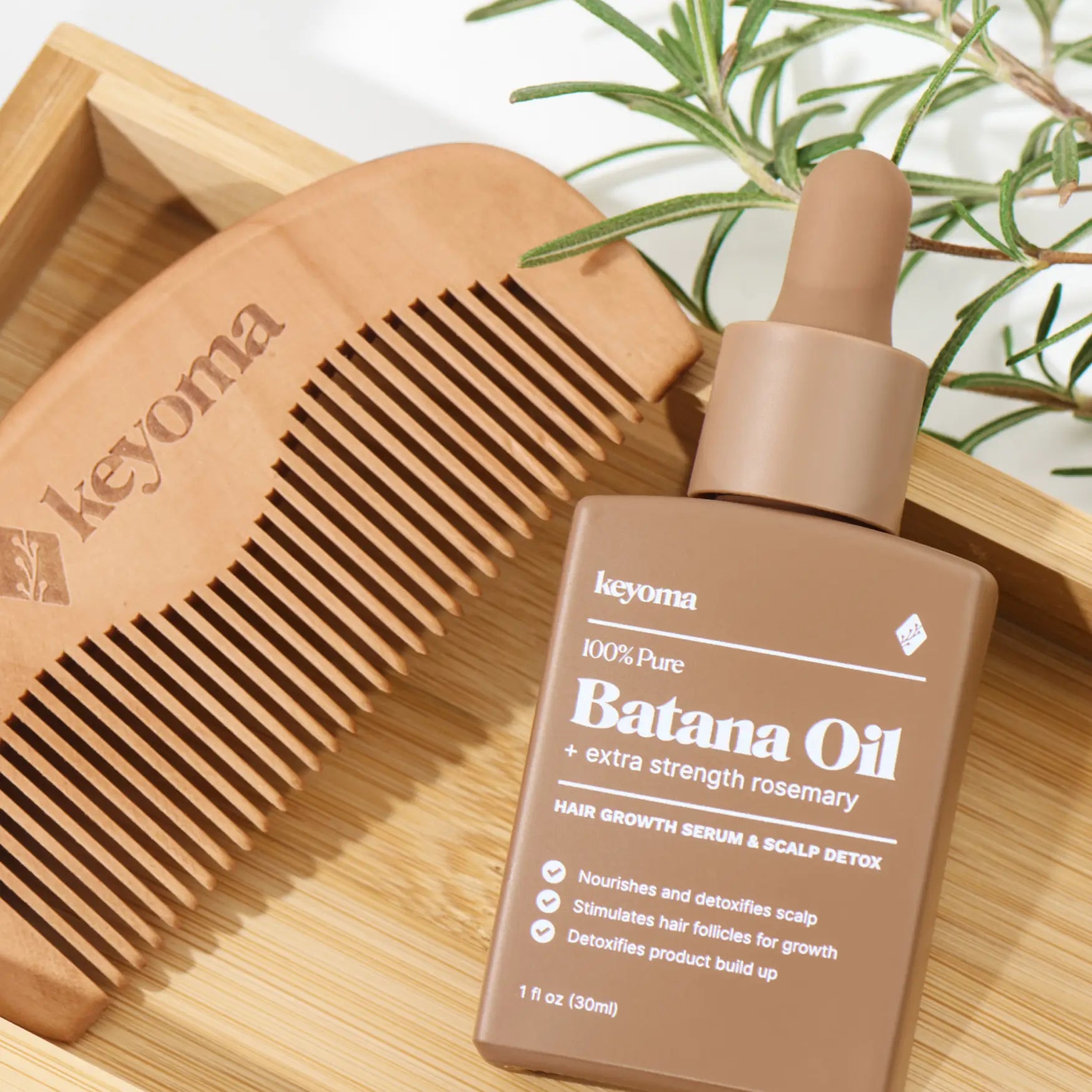
30% Off + 3 FREE Gifts
100% Pure Batana Oil + Rosemary


