

In this article
Traction alopecia recovery can happen, but timing, consistency, and removing the cause early all matter. If tight styles are thinning your edges, the aim is not only to regrow hair. You also need to protect the follicles before the damage turns permanent.
Here, you will see what recovery usually looks like, how to support regrowth one step at a time, and what progress may look like over time. You will also see how to protect new growth so the issue does not come back.
Key Takeaways
-
Traction alopecia can improve if tension stops before follicles become permanently scarred.
-
Soft edge hairs, light thinning, and less discomfort can show regrowth is still possible.
-
Recovery centers on removing tension, easing irritation, cleansing gently, and keeping scalp care steady.
-
Visible regrowth often needs months, while smooth scarred areas may not return.
Can Traction Alopecia Grow Back or Is It Permanent
Traction alopecia may grow back, but only when the hair follicles are still living. This is where people often get mixed up. Hair loss from pulling is not always permanent, yet it can become permanent when the tension goes on too long.
Early on, follicles are under stress but not destroyed. When you remove the tension, they may return to normal function. Hair can come back slowly, and better texture or fullness may take time. But once a follicle becomes scarred, that area can no longer regrow hair.
That is why early traction alopecia treatment matters more than any oil or product. The first and most important move is removing tension. Without that change, nothing else will help for long.
In real terms, recovery depends on three things:
-
How long the tension continued. Short-term stress is often reversible, while long-term damage may not be
-
How fast you change your styling habits. Ongoing pulling can delay recovery or stop it
-
How well you care for scalp health. A healthier scalp raises the chance of regrowth
The difference is straightforward. An active follicle may recover. A follicle replaced by scar tissue cannot.
Signs Your Hair Can Still Regrow
Understanding whether your hair can recover helps you choose the best response. Many people think their edges are gone for good when they are still in a stage that can improve.
Fine or Short Baby Hairs Along the Hairline
Tiny, soft hairs along your edges are a strong sign that the follicles still work. These hairs may seem thin or patchy, but they show that growth is still taking place.
At this point, protection and consistency should be your focus. If tension keeps happening, these delicate hairs can break very easily.
Mild Thinning Instead of Completely Smooth Areas
When the hairline looks thinner instead of fully bare, the follicles are probably still there. You may notice lower density rather than complete loss.
This is often the best stage for traction alopecia home treatment. With consistent care, fullness may improve over time.
Scalp Feels Normal Without Pain or Tightness
A calm scalp is a positive sign. If soreness, itching, or tightness are gone, inflammation may have eased. That gives regrowth a better setting. Ongoing discomfort, by contrast, may point to continued stress or irritation.
Hair Breakage Instead of Full Hair Loss
Breakage around the hairline often happens before full hair loss. If strands are snapping off instead of shedding from the root, the follicles are still there. This stage calls for gentler handling and better moisture, not harsh treatments.
Gradual Improvement After Reducing Tension
If you see even slight regrowth after switching hairstyles, that shows recovery may still happen. Progress can be slow, but small shifts still count. This is where many people lose patience. What helps most is staying steady instead of chasing faster results.
How to Recover From Traction Alopecia Step by Step

Recovery is not about doing everything at once. It comes from removing the cause, supporting the scalp, and staying consistent long enough for the follicles to respond.
Stop All Tension on the Hairline Immediately
This step matters most. If tension keeps happening, nothing else will help. Tight braids, ponytails, extensions, and glued styles all put stress on the same areas.
Even mild pulling can slow healing. What matters is not only avoiding pain, but also stopping that constant tension.
For a while, you may need to change your usual look completely. I noticed that this part often feels harder than people expect. Still, it is necessary if you want recovery.
Switch to Low-Tension Hairstyles That Do Not Pull
Protective styling only helps when it truly lowers tension. Many styles called “protective” still pull at the edges.
Loose braids, low buns, soft twists, or wearing your hair down are usually better options. The goal is to spread weight more evenly and avoid stress along the hairline.
The biggest clue is how the style feels after a while. If you notice tightness or discomfort, it is still too much.
Cleanse the Scalp to Remove Buildup
Buildup can clog follicles and weaken scalp health. Oils, gels, and styling products may collect over time, especially near the edges.
Regular cleansing helps clear the scalp. Use a gentle cleanser and pay attention to the hairline without scrubbing too hard.
A clean scalp can help treatments sit better and gives you a healthier setting for regrowth.
Rehydrate and Nourish the Scalp Barrier
Dryness and irritation may slow recovery. Your scalp barrier needs enough moisture to work well and support hair growth.
This is where scalp oils for hair growth may help. Oils do not regrow hair by themselves, but they can improve scalp condition and help limit breakage.
Choose lightweight options that support moisture without clogging the scalp. For me, using fewer products tended to keep the hairline calmer. Consistency matters more than product stacking.
Stimulate Blood Flow to the Hair Follicles
Healthy circulation helps support follicle activity. Gentle scalp massage may help increase blood flow around the hairline.
Keep the pressure light. Rubbing too hard can create more damage. A few minutes of gentle massage a few times each week is enough.
With time, better circulation may support stronger and healthier growth.
Reduce Inflammation and Irritation Early
Inflammation is one reason follicles stop working as they should. Redness, itching, or soreness should not be brushed aside.
Soothing, cooling care can help your scalp settle down. Avoid harsh products, too much heat, or tight styles during this stage. The aim is to keep the area calm and stable so follicles can return to normal.
Choose the Right Treatment Based on Severity
Not every case needs the same plan. Mild thinning may improve with home care, while more advanced cases may need medical support.
Early traction alopecia treatment often means improving scalp care, removing tension, and sometimes using pure batana oil in a simple routine to support a healthier scalp environment. In more advanced cases, a specialist may suggest targeted treatments to support regrowth.
Build a Simple and Consistent Weekly Routine
Consistency is what makes the difference. A simple routine usually works better than a complicated one you cannot keep up with.
A basic routine may include cleansing, applying a light scalp oil, and doing gentle massage. The exact plan should match your hair type and daily life. My routine worked better once it felt easy to repeat. What matters most is doing it steadily over time. Hair growth responds to regular care, not short bursts.
Monitor Early Signs of Regrowth
At first, progress is usually subtle. Watch for small shifts like softer hair, less shedding, or fine new growth. These early signs traction alopecia is healing may show up before you see more density. Tracking changes can help you stay consistent and keep you from switching routines too soon.
Protect New Growth to Prevent Relapse
New growth is delicate. It needs protection just as much as damaged hair. Do not go back to tight styles too early. Bring styling back gradually, and keep low tension as the priority. Long-term recovery depends on keeping habits that protect the hairline, not only fixing it once.
Traction Alopecia Regrowth Timeline and What to Expect
Recovery does not happen fast. Understanding the traction alopecia regrowth timeline can help you set realistic expectations and avoid frustration.
First Signs of Recovery
Early changes often show up within a few weeks after you stop the tension. Your scalp may feel calmer, and shedding may lessen.
You may start to see fine hairs along the hairline. At first, these hairs are usually soft and thin. This stage can be easy to miss, but it is a strong sign that recovery has begun.
3 to 6 Month Progress
More noticeable improvement often shows up between three and six months. Hair may start to look thicker, and the hairline may begin filling in.
This is the point where consistency matters even more. Skipping your routine or going back to tight styles can slow progress. Results vary depending on how early you addressed the damage and how well the scalp is supported.
When Regrowth May Not Occur
If the area stays completely smooth with no sign of growth, it may point to permanent damage. This happens when scar tissue has replaced the follicles.
In that situation, home treatment alone is not likely to bring the hair back. Your options may shift toward medical or cosmetic support. That is why early action matters. Once the follicle is gone, recovery becomes far more limited.
Support Traction Alopecia Recovery for Visible Regrowth
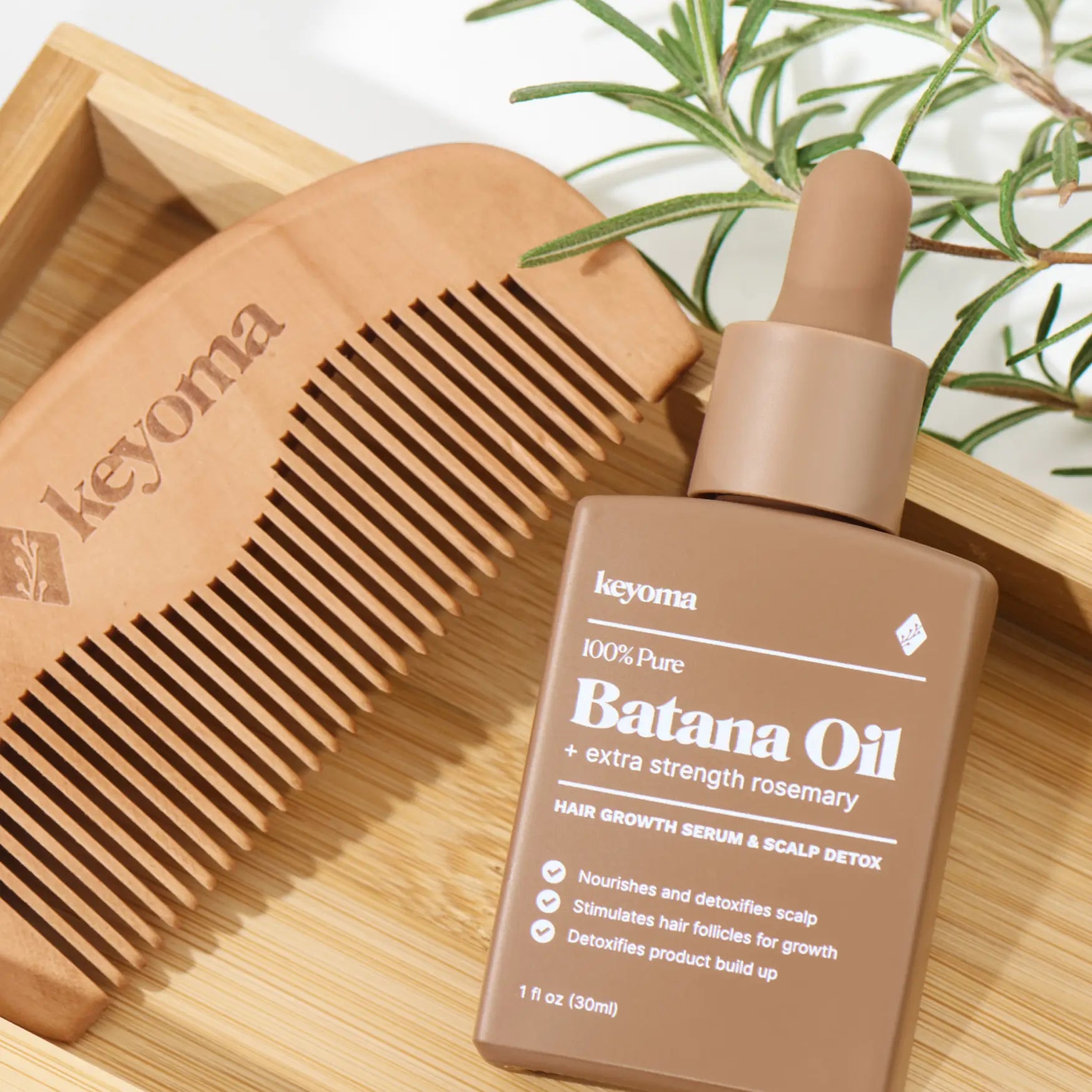
Choose a pure batana oil that helps keep bleach-weakened edges moisturized while your scalp heals. Recovery does not come from chasing stronger treatments. It comes from giving stressed follicles a calmer environment so they can work again.
One easy detail to overlook is that fine new hairs may appear before visible density improves, which means progress often starts sooner than it looks. That matters because impatience can push you back into habits that keep the hairline under stress.
When you stop chasing quick fixes and start protecting fragile regrowth, you give your hair a better chance to come back with more strength and better staying power.
Featured Product
30% Off + 3 FREE Gifts
100% Pure Batana Oil + Rosemary


