

In this article
Looking after your hair in your 20s is simpler than you might think, making this the ideal time to build healthy habits that'll serve you for years to come. Things like stress levels, what you eat, your hormones, any health conditions, and how you approach hair care all affect how your hair looks and feels.
Below you'll find the essential hair health tips for your 20s — and don't miss which products can best support your hair's wellness.
Key Takeaways
-
Stress levels, nutrition, hormones, health conditions, and daily habits all influence hair health during your 20s.
-
Hair typically reaches peak density in early adulthood, though repeated coloring and heat styling can weaken it.
-
Sleeping on silk and detangling gently can minimize frizz, breakage, and snapping.
-
Spacing out shampoos, getting trims regularly, and keeping styling tools clean all help prevent dryness and split ends.
15 Hair Care Habits to Build in Your 20s
After puberty's hormonal ups and downs settle, your hair enters its prime. You'll notice youthful thickness and steady growth paired with a balanced scalp and rich natural color.
Since gray hair isn't usually a concern yet, many people experiment freely with color and styling. Luckily, the resilience of youth tends to forgive these trials, and fresh strands keep growing even when experiments don't go as planned.

1. Remember: Any Day Can Be a Good Hair Day
When your hair refuses to cooperate (it happens to all of us), it's really not a crisis. You simply need to work with what your hair wants to do on that particular day. Your hair is one of a kind. There's always a fresh start tomorrow.
2. Add a Weekly Pre-Wash Oil Step With Keyoma Batana Oil With Rosemary
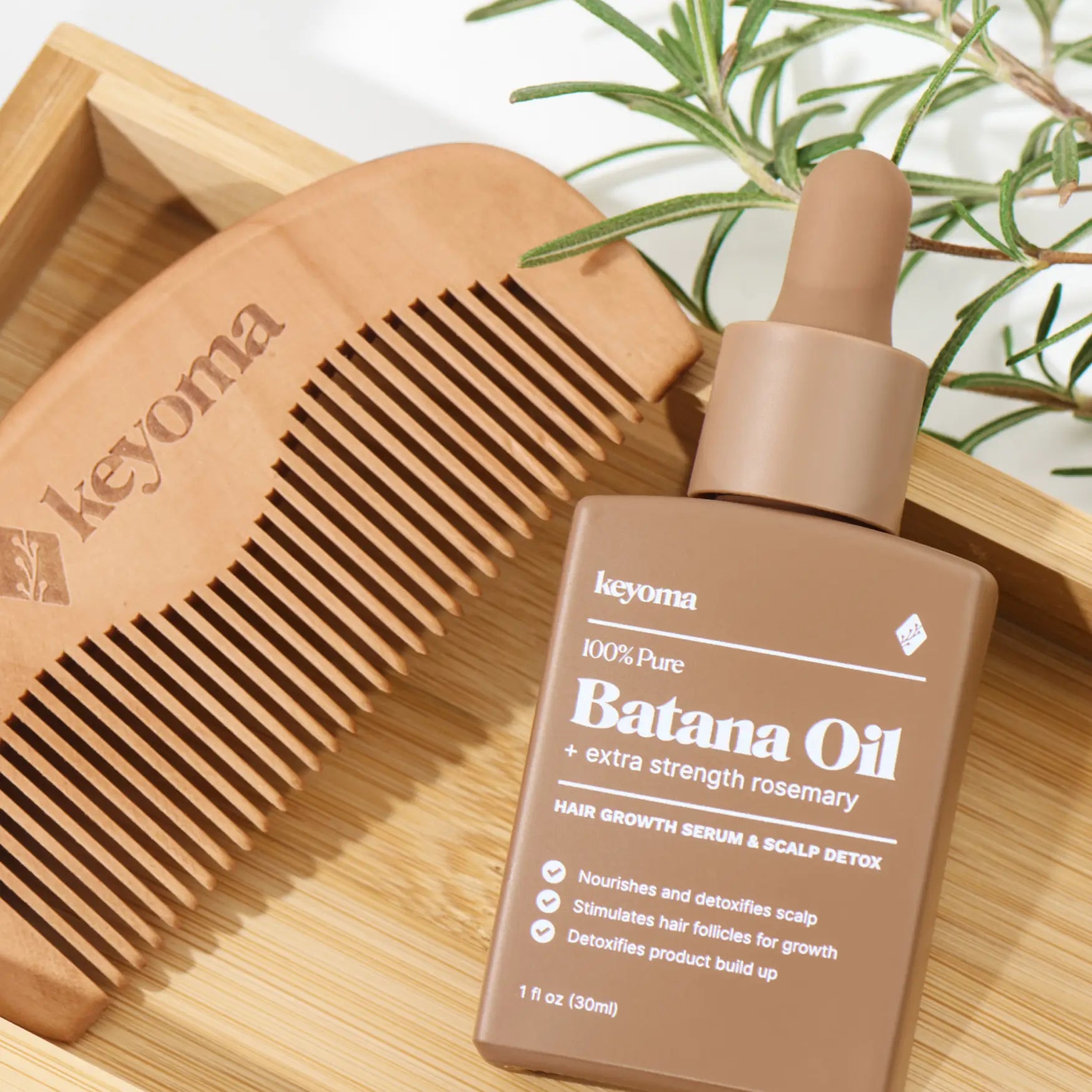
When you're using heat tools, bleaching, or dealing with dryness from stress and packed schedules, try Keyoma Batana Oil with Rosemary as a gentle pre-wash treatment once a week to boost softness and minimize the appearance of breakage over time.
Start with dry hair: warm 3–6 drops in your palms, work it through your mid-lengths and ends first (use only 1–2 drops on the scalp if it feels parched). Run a comb through to spread it evenly, let it sit for 30–60 minutes (or leave it overnight for very dry hair), then wash thoroughly and follow with conditioner so your hair stays hydrated without appearing oily.
3. Sleep on Silk to Help Reduce Breakage
Breakage can come from many sources, whether it's hair ties with metal parts or a ponytail pulled too tight. Tossing and turning at night can also damage your strands. When your hair rubs against a cotton pillowcase, frizz tends to spike. Switch to a silk pillowcase or wear a silk scarf while you sleep to cut down on the damage your hair takes overnight.
4. Detangle With a Wide-Tooth Comb
Wet hair is most vulnerable to damage. That's why it's smart to handle most of the detangling before you step into the shower. If you need to brush damp hair, reach for a wide-tooth comb and apply plenty of conditioner to shield your strands from breaking.
Working through mid-lengths tended to go faster for me when I divided my hair into smaller sections. Divide your hair into sections, begin detangling at the tips, and gradually move upward toward the roots.
5. Use Conditioner for More Than Just Washing
The conditioner should be part of every wash to replenish moisture in your strands. If your hair is fine, consider the reverse shampoo technique—apply conditioner before lathering up with shampoo. Conditioner also works as a leave-in treatment, a daily styling aid, and even shaving cream.

6. Try Not to Shampoo Every Day
Shampoo cleans your scalp and hair, but the sulfates in many formulas (the ingredient that creates lather) can strip moisture from your strands. Extend the time between washes by using dry shampoo if you have fine hair. For curly hair, use a cleansing conditioner between deeper clarifying sessions.
7. Get Regular Trims
Even when you're letting your hair grow longer, regular trims every six to eight weeks still help. Cutting off split ends prevents tangling when you wash. Scraggly ends that feel rough and look sparse signal it's time to book a trim.
8. Don't Overdo Bleach and Chemical Treatments
Overprocessing your hair with chemical services (including color, relaxers, and perms) can make your strands dry and fragile. These treatments gradually harm the hair shaft. Counterbalance salon visits by using hydrating masks at home and choosing products made for chemically treated hair.
9. Use Purple Shampoo to Help Reduce Brassiness
A purple shampoo can extend the time between color appointments. The purple pigment neutralizes yellow or orange tones that show up as platinum shades start to fade.
10. Clean Your Hot Tools Regularly
That dark buildup along your flat iron plates? It's leftover product and oils from your hair (not pleasant). Wipe it away with a damp towel. Also remember to open the back panel of your blow dryer now and then to clear out dust and lint from the vent. When the filter gets clogged, it can add minutes to your drying time.

11. Finish With Cool Water to Help Lock In Color and Moisture
After shampooing and conditioning with lukewarm water (hot water can actually dehydrate your strands), end your shower with a quick cool rinse. The cold water helps seal the hair cuticle, which makes strands look smoother. It also locks in moisture and preserves your hair color if you've dyed it.
12. Use Sun Protection on Your Hairline and Scalp
Your hair alone won't shield your scalp from harmful UV rays. Apply SPF along your hairline and where you part your hair to guard against sun damage. You can also spray your strands with a sun-protecting formula to maintain vibrant color and keep hair hydrated.
13. Care for Your Scalp as Much as Your Hair
A balanced scalp is crucial for hair growth. If you're struggling with dandruff, talk to your dermatologist about treating your itchy, flaky scalp. A few quick pointers: wash daily with a shampoo containing zinc pyrithione, and look for products with salicylic acid to help lift away flakes.
14. Limit Heat Styling as Much as Possible
Blowouts are great, but excessive heat can seriously damage your hair. When you see strands breaking partway down the shaft, your flat iron or blow dryer may be the culprit. Damage from heat can contribute to hair loss. Try skipping the hot tools for a no-heat hairstyle at least two or three days each week.
15. Use Simple DIY Fixes When You're in a Pinch
You don't need pricey products for every hair issue. Quick solutions often come from things you already have. Want a deeply moisturizing treatment? Try batana oil. Need to tackle frizz fast?
Grab a dryer sheet. Looking to smooth flyaways and baby hairs? An old toothbrush works wonders. A close friend noticed her flyaways stayed down longer when she lightly misted the toothbrush first.
Lock In Healthy Hair Habits in Your 20s With Keyoma
Develop good hair habits now to spare your future self from repairing preventable damage. During your 20s, the main balance you're striking is between "fun styling today" and "stronger hair tomorrow."
If you frequently color or use heat tools, approach wash day as recovery time: a gentle pre-wash oil treatment can leave hair feeling softer and help lessen the visible signs of breakage over time.
When your hair begins to feel weighed down, that's your signal to use less oil and shampoo more completely. Visit the Keyoma Hair Care blog for more natural hair care guidance.
Featured Product
30% Off + 3 FREE Gifts
100% Pure Batana Oil + Rosemary


