

In this article
Yes, you can use batana oil after heat styling, but it works best as a finishing oil, not as heat protection. Apply it after your hair has cooled, use a very small amount, and focus on the mid-lengths and ends.
This timing matters because styled hair can lose volume, shape, or movement when too much oil is added too soon. A light finish can make dry ends look softer and add shine, while a heavy layer can make fresh styling look greasy or flat.
The safest order is simple: heat protectant before hot tools, batana oil after styling. Use it for shine, softness, and frizz support, not as a replacement for a product made to protect hair from thermal styling.
Key Takeaways
-
Use batana oil after heat styling, not before hot tools.
-
Let hair cool first, then apply a tiny amount.
-
Focus on the mid-lengths and ends, not the roots.
-
Batana oil can add shine and softness, but it should not replace heat protectant.
Should You Use Batana Oil Before or After Heat?
Use batana oil after heat, not before, when your goal is a polished finish. Before using a blow dryer, flat iron, or curling iron, your priority should be a dedicated heat protectant that is made for hot tools. After the style is done and the hair has cooled, a tiny amount of oil can help smooth the look of dry ends and soften surface frizz.
The American Academy of Dermatology says excessive heat can damage hair and advises using flat irons on dry hair at a low or medium heat setting, while limiting how often hot tools are used. That guidance supports a cautious routine: reduce heat exposure first, then use finishing products lightly.
A simple way to remember the order:
-
Apply heat protectant before heat styling.
-
Blow dry, straighten, curl, or shape the hair.
-
Let the hair cool.
-
Use a small amount of batana oil on the ends and frizz-prone areas.
Avoid applying a heavy layer of oil before passing a flat iron or curling iron over the hair. Oil can make the hair feel coated, and it does not replace the role of a product formulated for heat exposure.
Can Batana Oil Replace Heat Protectant?
No. Batana oil should not replace a heat protectant unless the product is specifically formulated and labeled for that purpose. A heat protectant is designed for thermal styling exposure, while batana oil fits better here as a nourishing finish oil for the look and feel of styled hair.
Cosmetic science research on hair products notes that certain conditioning polymers and silicones can help smooth lifted cuticle scales and reduce heat-related damage. A plain oil is not automatically the same thing as a tested heat protectant formula. Even among oils, effects on the hair fiber vary by oil type and structure, as shown in research comparing coconut, sunflower, and mineral oils.
Batana oil can still be useful after styling. It may help styled hair look smoother, shinier, and less dry at the ends. Just keep the claim where it belongs: finish and appearance support, not heat damage prevention.
How to Use Batana Oil After Blow Drying
Blow-dried hair often needs less oil than you think. Freshly blown-out hair has shape, lift, and movement, so too much oil can collapse the style. Treat batana oil like a final polish instead of a full leave-in layer.
A study on hair dryer use found that repeated drying can affect the hair shaft, including roughness, dryness, and color changes. That does not mean you need to avoid blow drying completely, but it does make a light, careful finishing step more sensible than adding heavy layers before heat.
Let Your Hair Cool First
Finish blow drying before applying batana oil, then give your hair a few minutes to cool. Hair often looks smoother once the blowout settles, so waiting helps you see where oil is actually needed.
Applying oil while the hair still feels warm can also make it easier to overuse. The style may look dry at first, then turn flat once the oil spreads and the hair cools. A short pause gives you better control.
Warm a Tiny Amount Between Your Palms
Use less than you think you need. Warm a tiny amount between your palms until it spreads evenly, then lightly glide your hands over the hair. This helps prevent one greasy patch from forming where the oil first touches the strand.
Fine or oily hair may only need a pinhead amount. Medium hair may need a pea-sized amount or less. Thick, coarse, or dense hair can handle more, but it is still better to build slowly.
Smooth It Over the Mid-Lengths and Ends
Focus on the mid-lengths and ends first because those areas usually look driest after blow drying. Keep the oil away from the roots unless your hair is very thick, coarse, or naturally dry from root to tip.
Use a soft smoothing motion instead of pressing hard into the hair. If your blowout depends on volume, keep the oil below the ears so the roots and crown stay lifted.
Add More Only If the Ends Still Look Dry
After the first pass, check the ends in natural light if possible. If they still look rough, warm a tiny extra amount on your fingertips and touch only the driest pieces.
Freshly blow-dried hair can shift from polished to greasy quickly. Adding more in small layers gives you a cleaner finish than starting with a visible amount of oil.
How to Use Batana Oil After Straightening or Curling
Straightened or curled hair can lose its shape when oil is applied too aggressively. The goal is to smooth the surface, not disturb the style you just created. Use batana oil as a light finishing layer after the hot tool is done.
The technique changes slightly depending on the style. Flat-ironed hair usually needs a sleek, controlled finish, while curls and waves need a lighter touch so the shape does not stretch or separate too much.
Apply It After the Hot Tool, Not Before
For flat-ironed hair, apply batana oil after the tool has passed over the hair and the strands have cooled. Do not coat the section with oil before clamping it with a flat iron.
The same timing applies to a curling iron. Curl first, let the curl set, then use oil only where the ends or surface look dry. Batana oil belongs at the end of the styling process unless the specific product is labeled for heat protection.
Use Open Palms Instead of Rubbing
Open your palms and lightly glide over the hair instead of rubbing the oil through. Rubbing can disturb straightened hair, soften curls too much, or create uneven shine.
For sleek styles, smooth your hands down the outer layer and ends. For textured styles, press lightly around the shape rather than pulling through it.
Glaze Curls and Waves Lightly
Curls and waves need a softer touch because too much oil can loosen the pattern. Lightly glaze the surface and ends instead of dragging your fingers from root to tip.
If you are working with waves, apply oil only where the hair looks frizzy or dry. For curls, touch the ends first and use leftover oil on the outer layer. If you are working on straight hair care, a smaller amount usually looks cleaner than a glossy, heavy finish.
Touch Flyaways With Leftover Oil
Flyaways rarely need a fresh dab of oil. After applying oil to the ends, use whatever remains on your palms to smooth surface frizz.
This keeps the top of the style from looking coated. If you need more control near the crown, use barely any pressure and avoid pressing oil directly into the roots.
How Much Batana Oil Should You Use After Heat Styling?
The best starting amount is usually less than expected. Batana oil can feel rich, especially on fine, straight, or low-density hair. Start small, spread it well between your palms, and add more only when the ends still look dry.
|
Hair Type or Need |
Starting Amount |
|
Fine or oily hair |
Pinhead amount |
|
Medium hair |
Pea-sized amount or less |
|
Thick, coarse, or dense hair |
Pea-sized amount, then add more only if needed |
|
Dry ends only |
Tiny amount on fingertips |
A pea-sized amount can still be too much for fine hair if it is placed too high. For freshly styled hair, distribution matters as much as quantity. One small amount spread evenly through the palms usually looks better than a visible dab placed directly on one section.
If you are still figuring out how much batana oil to use, treat heat-styled hair as the low-end version of your normal amount. Styled hair already has product, shape, and tension from heat, so it often needs only a finishing touch.
Use Batana Oil After Heat Styling for Softer Ends
Batana oil after heat styling works best as a small final step. Let your hair cool first, warm a tiny amount between your hands, and apply it mainly to the mid-lengths and ends.
Keep heat protectant before hot tools and batana oil after styling. That order gives you a clearer routine: protect first, style second, finish lightly.
Featured Product
30% Off + 3 FREE Gifts
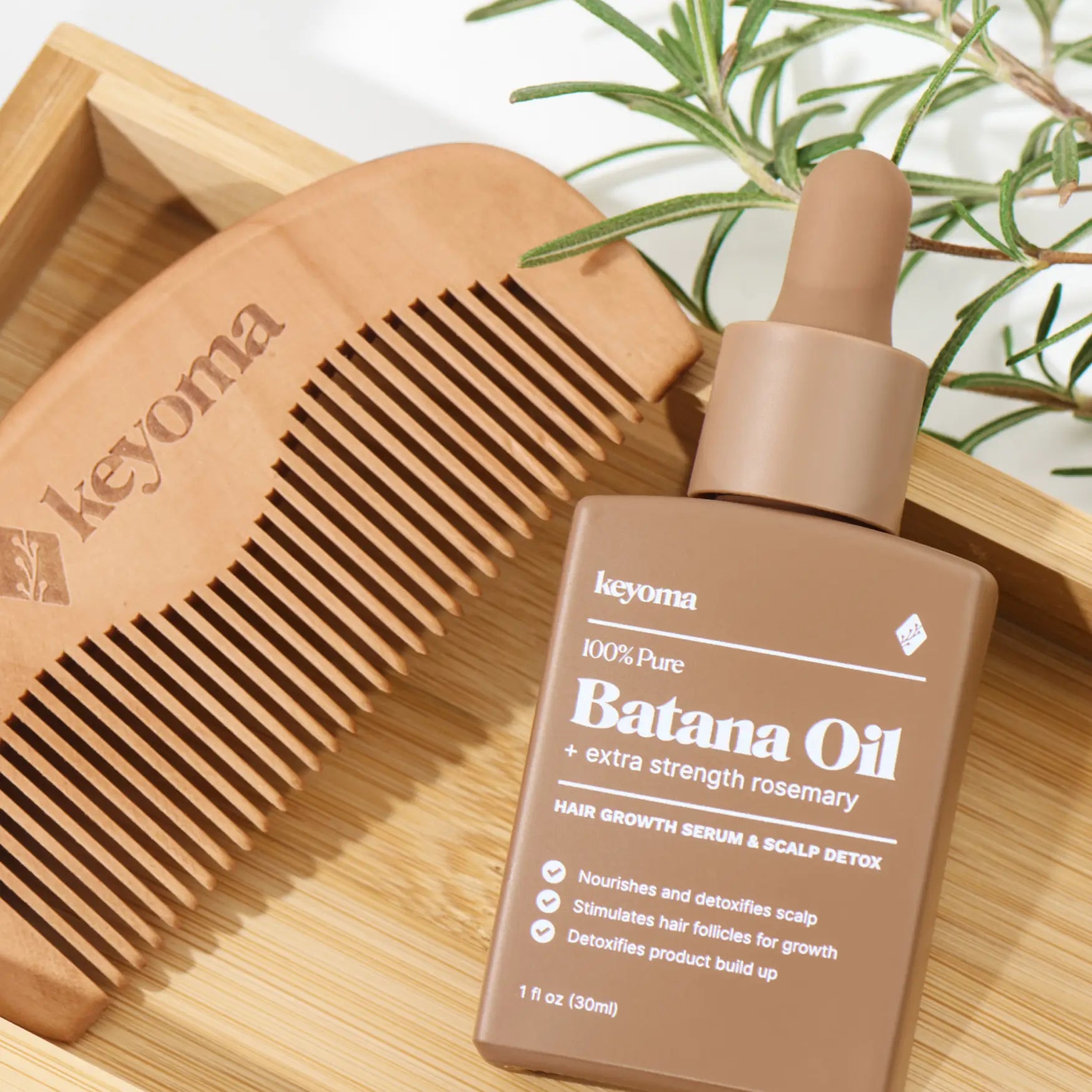
100% Pure Batana Oil + Rosemary


