

In this article
At some point, you have probably stared in the mirror thinking, “Why are there so many flyaways?” These little wisps turn hairstyling into a hassle and can spring up for a bunch of reasons.
Instead of shellacking hair with stiff hairspray or yanking out those stubborn bits, try a few gentler fixes. Below, see why tiny frizzy hairs stand upright and get practical ways to dial them down by tweaking your haircare routine.
Key Takeaways
-
Flyaways are short unruly hairs from breakage or new growth that resist smooth styling.
-
Triggers include humidity, dryness, product buildup, poor cleansing, heat tools, chemicals, and split ends.
-
Management relies on frizz fighting shampoo, conditioner, serums, deep treatments, gentle drying, and wide tooth combs.
-
Prevention uses humidity resistant products, hydrating systems, bond repair care, clarifying shampoos, and softer pillowcases.
What Counts as a Flyaway
Flyaways are short, misbehaving hairs that stick up instead of laying flat with the rest. They come from hair that is damaged or broken, or from brand-new baby hairs growing in. Because these strands are shorter and finer, they weigh less and often resist heat tools. That combo makes the small, stray pieces tricky to tuck into styles and can lead to frizz.
Why Flyaways Happen
Breakage and new growth are the main culprits, but these factors can make flyaways more likely:
-
Humidity: Frizz and flyaways show up when the air’s humidity is higher than the water inside your hair. Moisture enters the hair and shifts the bonds within each fiber, turning smooth strands into disorder.
-
Dryness: When hair lacks moisture, it pulls in water from the air, which can cause flyaways.
-
Product buildup: Layers of residue coat the hair so it cannot access the moisture it needs. That dryness often shows up as flyaways.
-
Poor hair hygiene: Skipping washes can add to flyaways. Any buildup on the scalp, like product, grime, or dead cells, sits on top and leads to surface frizz and stray hairs.
-
Heat styling: Frequent use of blow dryers, curling wands, and flat irons can make hair brittle and cause breakage at random points. Those broken bits become flyaways.
-
Chemical damage: The same risk applies to color and highlights, perms, and relaxers.
-
Split ends: Split ends are a dryness-related issue, and they can also make strands lift up and fly away.
-
New hair growth: Fresh baby hairs along the hairline can stick up and create a frizzier look.
-
Static: When negatively charged electrons leave the hair, the remaining positive charges repel each other. That static can create flyaways.
How to Reduce Flyaways
Use a frizz-fighting shampoo and conditioner
Start with a shampoo and conditioner designed to manage frizz. A smoothing, anti-frizz pair can help cut down humidity-related flyaways from the first step of your routine.
Smooth with a Hair Serum
Hair serums can address frizz, dryness, and static. Choose a lightweight option for dry hair to smooth flyaways, or use it on damp hair before blow drying if it also offers heat protection.
Tame with Hairspray on an Edge Brush
When flyaways pop out of an updo, reach for a clean toothbrush or edge brush. Mist it with hairspray, then lightly brush those pieces down to secure them without making hair feel crunchy.
Limit Heat Styling
Overusing blow dryers and hot tools can create more flyaways. Ease up when possible and try heatless options like overnight braids or buns to get waves with less damage.
Switch to a Hydrating Hair Routine
Dry, thirsty strands tend to stand up, so bringing back moisture helps a lot. Look for a hydrating shampoo and conditioner with ingredients like hyaluronic acid to soften hair and improve feel and look.
You can also add a quick rinse-out treatment for slip and moisture, plus a lightweight leave-in serum to keep hydration going between washes.
Add a Weekly Deep-Conditioning Treatment
Deep conditioning is another way to rehydrate parched hair. Masks can help with dryness, split ends, and breakage that make flyaways worse. Using one weekly often helps, and you can apply it more often when hair feels extra dry.
Use a Gentle Towel for Drying
Hair is most delicate when wet, so be gentle while drying. Swap a traditional terrycloth towel for a microfiber one, which is usually softer and tugs less. If you do not have one, a soft cotton T-shirt works too.
Detangle with a Wide-Tooth Comb
Brushing can raise the cuticle and cause more flyaways, especially on dry hair. Detangle with a wide-tooth comb on damp hair. A wide-tooth comb gave me slip without snagging, especially when hair was freshly conditioned. Start at the end and move up. For stubborn knots, use a detangler or leave-in to help it slide out.
Reduce Static with a Dryer Sheet
Dryer sheets can lessen static, a common flyaway trigger. Glide an unscented sheet gently over the hair to tamp down poofiness fast.
Use a Headband When Needed
Bad hair days happen. A headband quickly holds down flyaways or hides them when you are short on time.
How to Prevent Flyaway Hair
You now know how to tame flyaway hair, but how do you keep it from starting? Prevention usually comes down to two things: choosing the right products and protecting your hair’s overall health. Here are four ways to stop flyaways from disrupting your style.
Choose Humidity-Resistant Styling Products
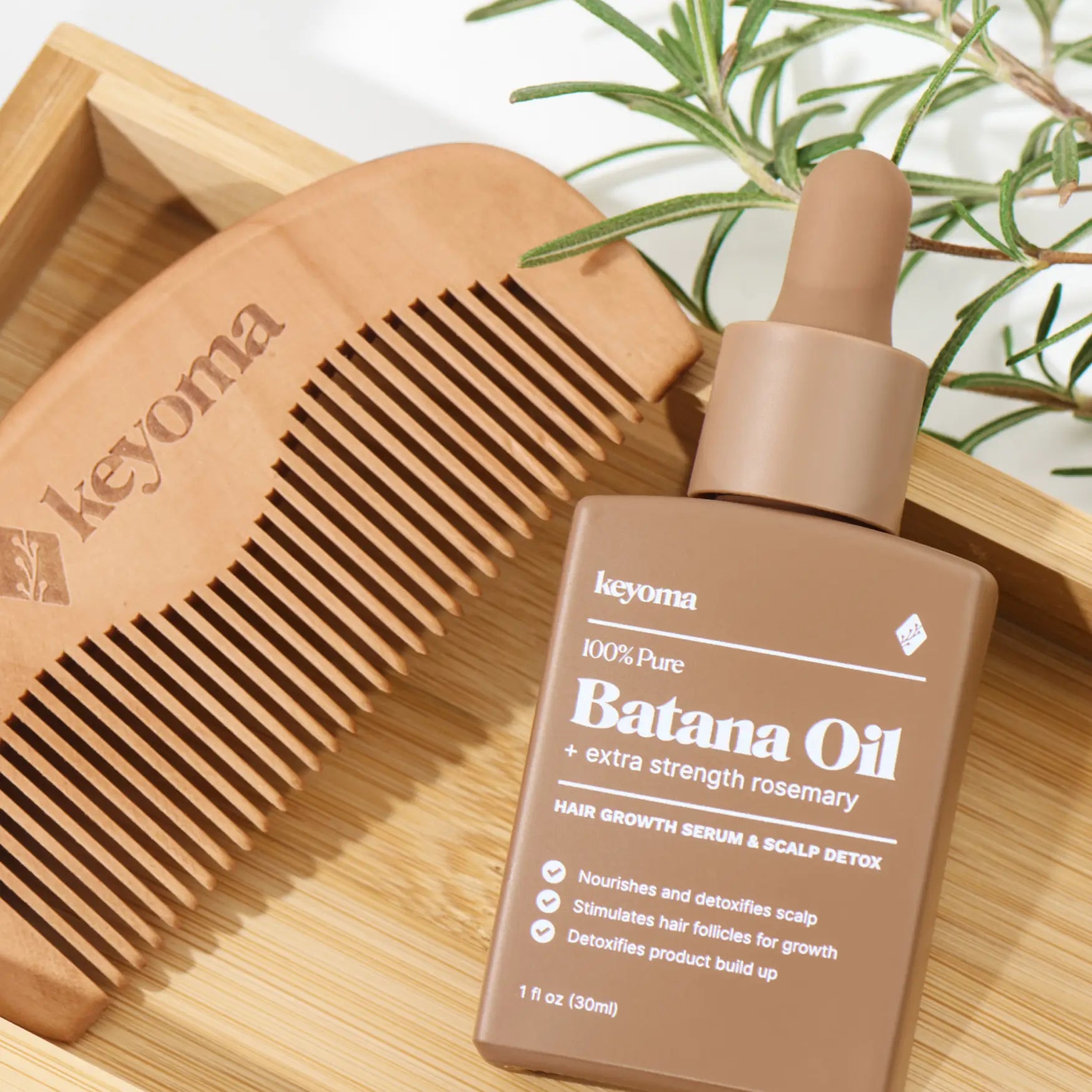
Humid weather invites flyaways, but smart product choices help. Along with a humidity-fighting leave-in or hairspray, you can use Keyoma Batana Oil with Rosemary as a light finisher to keep strands smoother.
Warm 1 to 3 drops between your palms, then skim it over the outer layer and end to reduce frizz and flyaways without weighing hair down. If your hair is fine, start with 1 drop and avoid the roots.
Sleep on a Silk or Satin Pillowcase
Switching from cotton to silk or satin can cut friction while you sleep. Less rubbing can mean less breakage and fewer flyaways, especially if you toss and turn. Satin often costs less than silk, so choose what works for your budget.
Strengthen Hair with Bond-Repair Care
If breakage and damage seem to be behind your flyaways, try a bond-repair routine. Look for products labeled “bond repair” or “strengthening,” often made with citric acid, amino acids, or proteins.
A simple plan might include a pre-wash treatment, a gentle strengthening shampoo, and a matching conditioner to smooth and detangle, which may lower future breakage.
Clarify Once a Week
Product buildup can keep hair from looking smooth and uniform. This is common if you lean on styling products like dry shampoo or hairspray. A clarifying shampoo gives a deeper cleanse that helps remove residue from the scalp and hair.
Use it about once a week instead of your usual shampoo. After rinsing, follow with a moisturizing conditioner so hair does not feel stripped or tight.
Tame Flyaway Hair With Gentle Care
Overdoing heat styling is a common pitfall when battling flyaways. Excessive heat from blow dryers, curling wands, and flat irons makes hair brittle, leading to breakage and those pesky flyaways. A better approach? Embrace heatless styles whenever possible. Try overnight braids or buns to achieve waves without the extra damage.
If you must use heat, always apply a heat protectant serum beforehand. This creates a barrier, minimizing the harm.
Ready to act? Head over to the Keyoma Hair Care blog for step-by-step guides and fresh tips.
Featured Product
30% Off + 3 FREE Gifts
100% Pure Batana Oil + Rosemary


