

In this article
If your hair feels like straw, you are definitely not the only one. A range of issues can leave your hair feeling rough, brittle, frizzy, and harder to manage.
An occasional bad hair day is normal, but ongoing dryness usually means your hair needs more support. The encouraging part is that with the right care, hair that feels straw-like and damaged can become softer, shinier, and healthier again.
Here is what may be making your hair feel rough and wiry, along with the steps that can help improve straw-like texture with more targeted care.
Key Takeaways
-
Straw-like hair usually develops from dryness, damage, and ongoing moisture loss.
-
Common triggers include chemicals, heat, sun, chlorine, salt, aging, and low moisture.
-
Dry hair breaks more easily and can make thinning look more noticeable.
-
Hydration, less heat, protective care, trims, and better products can improve texture.
7 Reasons Why Your Hair Feels Like Straw
Hair that feels like straw almost always points to significant damage. In many cases, that comes from environmental exposure, overprocessing, or everyday habits that slowly wear down your strands. These are some of the most common reasons.
Chemical Processing
Whether you are covering grays, adding highlights, bleaching, or getting a perm, chemical services weaken the hair bond. Repeated processing can make it harder for your strands to hold moisture, which often leads to hair that feels dry, coarse, and rough.
Genetics
Your hair and scalp may naturally run dry because some people simply make less sebum, which is the oil that coats the scalp and strands. If close family members also have dry hair, you may have inherited that tendency.
Age and Hormones
As you get older and your hormone balance shifts, sebum production can change too. When your scalp makes less of this natural oil, both your scalp and hair can become drier and may need extra help staying moisturized.
Lack of Moisture
Hair needs enough moisture to feel soft and look shiny. If you skip conditioner or do not replace lost hydration, your hair can start to feel rough, dry, and straw-like.
Heat Styling
Using hot tools often can slowly strip moisture and elasticity from the hair. Over time, that leaves the strands drier, stiffer, and more likely to feel like straw.
Bad Products
Heat is not the only problem. Low-quality hair products can also wear down the cuticle. It is smart to avoid formulas with sulfates and styling products that contain alcohol, such as some gels, because they often leave hair feeling drier.
Chlorine & Salt
Time at the pool or beach can leave your strands worse for wear. Over time, minerals collect in the hair and can make it feel weaker, drier, and more fragile.
Sunshine
Just as UV rays can damage your skin, they can also stress your hair. Use products with UV protection, stay in the shade when you can, and try to limit strong sun exposure during peak hours.
Unkept
Hair needs ongoing care to look its best. Shampoo and condition it at least a couple of times each week, use a deep conditioner weekly, choose moisturizing styling products, and keep up with regular trims at the salon.
Does straw-like hair cause hair thinning?
Dryness alone does not make hair fall out, but there is still a connection between hair damage and the look of hair loss. Dry hair is far more brittle, so it can snap off more easily. It can also develop split ends, which raises the chance of breakage.
On top of that, harsh chemicals in bleach or hair dye can weaken the structure of the strand, which makes snapping more likely.
A dry scalp can also become itchy, and scratching may break fragile hairs even more. When enough breakage builds up, your hair can start to look thinner even if the issue is damage rather than true shedding.
How to Fix Straw-Like Hair
The good news is that straw-like hair does not have to stay that way. In many cases, you can bring back softness, shine, and elasticity by using better products and cutting down on the damage.
These are a few useful tips and home remedies for straw-like hair.
1. Use Hydrating Hair Care Products
Dehydration is often the main reason hair feels brittle and straw-like. Make hydration a priority if you want your hair to feel softer and healthier.
You can try the following:
-
Use a deep conditioning treatment once a week to replace lost moisture.
-
Look for hair products with glycerin, rosemary, aloe vera, argan oil, and other nourishing ingredients.
-
Use a leave-in conditioner for extra hydration between wash days.
It also helps to choose products that match your hair texture. If your hair is curly, for example, use products made specifically for curly hair.
2. Limit Damaging Practices
Sometimes your routine is what keeps the cuticle rough, which adds to frizz and dryness.
Try to reduce heat styling when you can. If you blow dry your hair, switch to a lower setting. For me, lower heat made my ends feel less stiff after wash day. And whenever you use a blow dryer or another hot tool, apply a heat protectant first.
It is also worth cutting back on drying chemical treatments. If you bleach, dye, perm, or relax your hair, consider stopping for a while, or at least spacing treatments out more.
3. Protect Your Hair
If outside exposure is drying your hair out, physical protection can help a lot. Wearing a hat or scarf in the sun can reduce direct UV exposure.
Salt water and chlorine can also dry out your hair, according to the American Academy of Dermatology. Try wearing a swim cap in chlorinated pools or in salt water. You can also rinse your hair right after swimming.
4. Use Hair Oil Treatments
If you want a home remedy for straw-like hair, certain natural oils can work well as nourishing treatments.
These oils are often used for healthier-looking hair:
-
Batana oil
-
Rosemary oil
-
Argan oil
-
Coconut oil
-
Grapeseed oil
-
Jojoba oil
Apply a few drops through the lengths of your hair. I noticed lighter layers worked better than soaking the hair all at once. You can also use oil as a mask by leaving it on for a few hours, or even overnight.
5. Trim Split Ends
Regular trims matter for every hair type, whether your hair feels like straw or looks perfectly healthy.
Trimming on a steady schedule can stop split ends from traveling farther up the shaft, which can make straw-like texture worse and leave the hair looking frizzier.
A stylist or barber can tell you how often your hair needs a trim. In general, most people do well with a trim every 6 to 12 weeks, depending on hair type.
7. Use a Clarifying Shampoo
If hard water or protein buildup may be making your hair feel like straw, a clarifying shampoo may help. Clarifying shampoos are made to remove mineral deposits and product buildup from the hair.
Be sure to pick one that suits your hair type. Some clarifying shampoos contain sulfates, which may not work well for people with curly or wavy hair.
7. Eat a Well-Balanced Diet
Your hair needs a range of vitamins and minerals to grow well, including vitamins A, B, C, D, and E, along with iron, zinc, magnesium, selenium, and more. Protein also supports growth and helps strands feel stronger and smoother. Some nutrient deficiencies, such as low iron or vitamin D, are linked to hair thinning and texture changes that can make hair feel rough and dull. Eating a varied diet helps give your hair the nutrients it needs.
Treat Hair Feels Like Straw for Softer Texture
Reach for pure batana oil when your hair starts to feel rough, thirsty, and harder to manage. Straw-like texture is not only a surface problem. It often means your hair is struggling to hold onto moisture after repeated stress, which is why styling alone does not bring softness back.
One detail worth noticing is that deep conditioning is suggested once a week, not constantly, because recovery usually depends more on consistency than overload. That shift in approach matters.
When you stop chasing instant smoothness and start helping your hair stay nourished, damaged strands have a better chance to feel softer, look stronger, and improve with time.
Featured Product
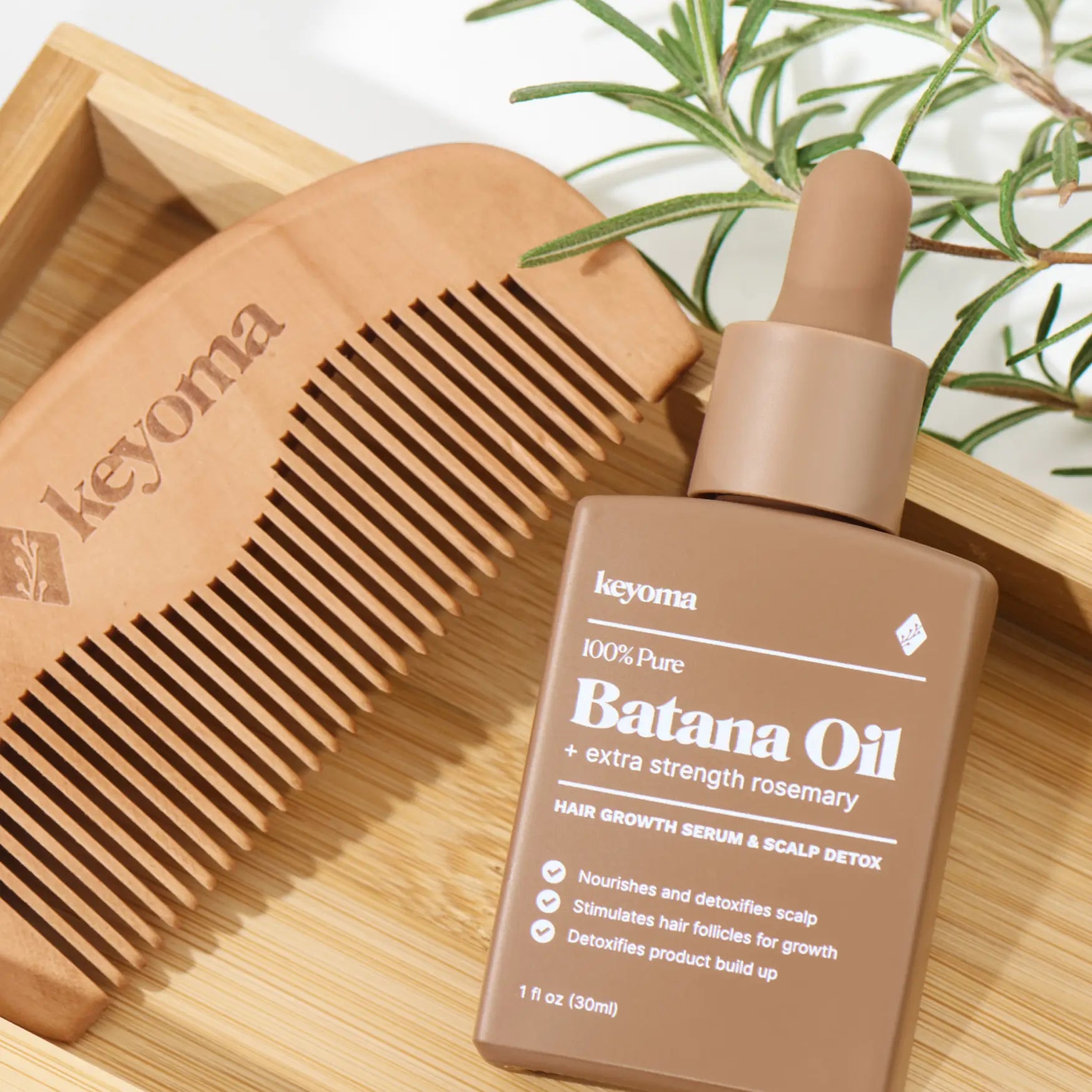
30% Off + 3 FREE Gifts
100% Pure Batana Oil + Rosemary


