

In this article
You have probably heard people talk about “hard” and “soft” water, but most people do not really know what those terms mean. Since water always feels like a liquid, the names can sound odd.
They are not about texture at all. Water hardness is based on how many minerals are in the water. For hair care, that matters because one water type can affect your strands very differently from the other.
Key Takeaways
-
Hard water has more calcium and magnesium, and those minerals can leave a film on hair.
-
Ongoing hard water exposure may lead to dryness, brittleness, split ends, and product residue.
-
Soft water helps shampoo rinse more fully and can leave hair smoother and cleaner.
-
Fine or thin hair can sometimes feel flatter or oilier with soft water.
What’s the Difference Between Hard Water and Soft Water?
Hard water contains higher amounts of calcium and magnesium. It is safe to drink, but it can dry out your skin and hair and leave limescale behind. Water is considered hard when it measures 100ppm or higher.
Soft water has fewer minerals, so it is gentler on both you and your home. That helps soaps lather better, keeps hair and skin smoother, and helps protect appliances. If hard water is an issue in your home, a water softener can remove extra minerals and give you the benefits of softened water.
What Is Hard Water?
According to the United States Geological Survey (USGS), water is called hard when it carries a higher-than-normal amount of minerals, mainly calcium and magnesium. Water can become hard on its own when it moves through rivers, streams, and wells and picks up minerals from surrounding rock.
Hard water is usually considered safe for drinking, cooking, and bathing, but many cities still ask treatment plants to remove as many minerals as they can.
Even so, filtered water can collect more minerals after leaving the plant as it travels through miles of metal pipes to your home. It is estimated that 85% of homes in the U.S. have water that falls into the hard category.
Pros of Hard Water on Hair
-
Some minerals found in hard water support general health and provide nutrients that matter for hair and skin.
-
If your hair tolerates it well, hard water may not cause any obvious problems.
Cons of Hard Water on Hair
-
Repeated exposure to hard water can cause split ends, dryness, and more brittleness, especially if your hair is color-treated or you have sensitive skin.
-
Hard water may also coat the hair with residue, which can keep shampoos and conditioners from working as well.
What Is Soft Water?
Soft water is basically the reverse of hard water because it contains a low level of minerals. That can happen for a few reasons: the water may not have passed through rocks or wells at all, as with rainwater, the rocks it moved through may have had very few soluble minerals, or the minerals may have been removed through filtering.
Pros of Soft Water on Hair
-
De-ionized soft water can help moisturize hair and skin, so both may feel softer and smoother.
-
It cuts down on soap and shampoo residue, so products rinse away more easily and leave hair cleaner with less buildup.
Cons of Soft Water on Hair
-
For some people, soft water can make hair feel a little limp or greasy, especially if the hair is fine or thin. It may also make volumizing shampoos or styling products work less effectively.
-
Even though it is not as harsh as hard water, soft water may still call for a few changes in your hair routine for the best results.
How Can You Tell If Water Is Hard or Soft?
You usually cannot tell just by looking at water whether it is hard or soft. Sometimes the way it feels, and what it does to things in your dishwasher or washing machine, gives you a clue. For me, residue on dishes was easier to notice than any change on my hands.
Common signs of hard water include:
-
A filmy feeling on your hands after washing them. This happens because soap reacts with calcium and forms soap scum. You may need to rinse longer when the water is hard.
-
Spots. These may show up on glasses and silverware after they come out of the dishwasher. They are usually calcium carbonate deposits.
-
Mineral stains. These appear on clothes after a wash cycle. Clothes may wear out more quickly because hard water is rougher on fabric.
-
Lower water pressure in your home. Mineral deposits can build up inside pipes, which narrows the interior space and reduces water flow.
Common signs of soft water include:
-
A strong lather when you wash clothes, dishes, and even your hands or body.
-
Clothes that come out cleaner, without mineral stains and with less wear-and-tear damage.
-
Normal water pressure throughout your home.
-
A faint sodium taste in drinking water, although in many cases you may not notice a taste difference at all.
Reduce Hard Water Damage With Better Hair Care
Water quality can shape your hair more quietly than most products do. The bigger issue is not whether the water is technically safe, but whether it keeps leaving behind minerals that interfere with your routine.
Once water reaches around 100 ppm or higher, it is considered hard, and that matters because buildup can make even a good shampoo and conditioner seem less effective. Sometimes I noticed the routine was the same, but rinse-out felt different. Better hair is not always about changing products.
Sometimes the first step is realizing what your water keeps depositing back onto your hair. Once you spot that hidden factor, your choices get clearer and your routine becomes more realistic.
Read Keyoma’s blog for more straightforward, practical tips that help you care for your hair with less guesswork.
Featured Product
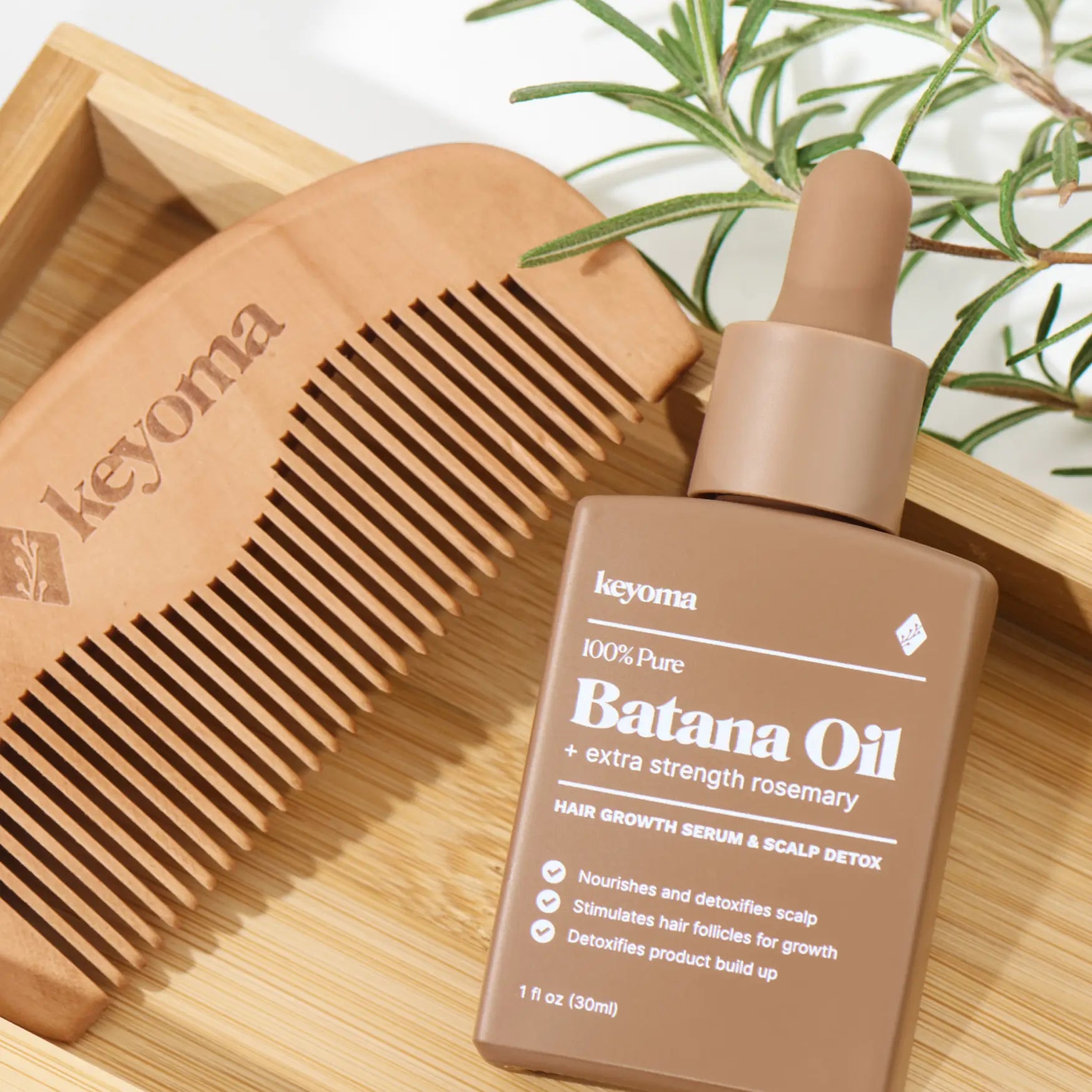
30% Off + 3 FREE Gifts
100% Pure Batana Oil + Rosemary


