

In this article
Silicones in hair products spark a lot of debate among stylists and everyday users. These ingredients, found in many shampoos, conditioners, and stylers, are widely known for helping hair look smoother and shinier.
Some people point to the quick payoff, like easier detangling and a glossy finish, while others worry about how repeated use may affect hair over time.
You can see that shift in the market. More people now check ingredient lists closely, and silicone-free formulas keep gaining traction because they promise softness and manageability without the drawbacks many people associate with silicones.
Here is a closer look at what silicones do in hair products, how they can affect your strands, and why silicone-free options are getting more attention. Most importantly, we answer the bigger question: is silicone actually bad for your hair?
Key Takeaways
-
Silicones coat the hair shaft, helping with shine, softness, frizz control, and easier detangling.
-
Non-water-soluble silicones may build up, weigh strands down, and make moisture harder to reach hair over time.
-
Water-soluble and evaporating silicones often leave less residue and usually rinse away more easily.
-
Silicone-free oil treatments can help support softness and hydration without heavy coating or buildup.
What Is Silicone?
Silicones are synthetic polymers, which means they are long repeating chains of molecules. They are known for being hydrophobic, so they repel water and form a seal over the hair shaft. That sealing effect can help hold moisture inside the hair.
Silicones also show up in makeup and skincare products because they help skin feel smooth and soft. In cosmetics like foundation and lipstick, they help keep the formula stable, easier to apply, and less likely to dry out.
Is Silicone Bad for Hair?
Silicones can make your hair look glossy and controlled fast, but that polished finish can come with trade-offs. The same seal that helps trap moisture can also make it harder for other helpful ingredients to reach deeper into the strand, which may leave hair feeling dry underneath.
Another issue is how stubborn some silicones are to remove. That can lead to buildup on the scalp and along the hair shaft, leaving hair heavy and greasy, especially if you have fine hair or curls. To deal with that residue, you may end up washing more often, and that can turn into its own cycle.
What Does Silicone Do to Hair?

If this is your first time hearing about silicone in hair care, it is a polymer made from silica, the same basic material found in sand.
In hair products, silicone is mainly used as a synthetic ingredient that coats the outer layer of the hair when you apply it. Since this polymer handles heat and sunlight well, manufacturers value it for how stable it stays in many formulas.
There are several types of silicones, and they usually fall into these groups:
Non-Water-Soluble Silicones
As the name implies, these silicones do not dissolve in water. You usually need shampoos with surfactants, such as sulfates, to remove them well. Common examples include dimethicone, cyclopentasiloxane, and amodimethicone.
Water-Soluble Silicones
This group breaks down when it comes into contact with water, so stronger surfactants are not always necessary. They often fit routines built around sulfate-free shampoos and co-washes, though using a clarifying shampoo once in a while is still smart for a deeper clean. Examples include dimethicone PEG-8 phosphate, dimethicone copolyol, and lauryl methicone copolyol.
Evaporating Silicones
These are also called volatile silicones. They evaporate minutes or hours after application, which means they are less likely to leave behind as much residue. That can help reduce product buildup, and they usually wash away more easily with sulfate-free cleansers. Cyclomethicone and cyclopentasiloxane are two examples.
Pros & Cons of Silicones for Your Hair

Silicone-based products can make hair look shinier and feel easier to manage, but that does not answer the full question. To understand whether silicone is bad for your hair, it helps to look at both the advantages and the drawbacks.
Benefits of Silicones in Hair Products
There is a reason silicones show up in so many hair products. Besides making formulas feel silky and polished, they can help hair in several ways:
-
Boost shine
-
Make hair feel softer
-
Condition the hair surface
-
Help hold moisture and nutrients in
-
Shield the hair shaft
-
Offer some heat protection
Downsides of Silicones in Hair Products
So can silicone ever work against your hair? It can. Silicones are not automatically harmful, but using non-water-soluble types over and over without enough cleansing may lead to hair concerns like these:
-
Possible buildup along the hair shaft
-
Scalp buildup and sensitivity
-
Dry-feeling hair
-
A duller appearance
-
Trapping dirt against the hair shaft
-
Keeping beneficial ingredients from reaching the hair shaft
Silicone-Free Product Alternatives
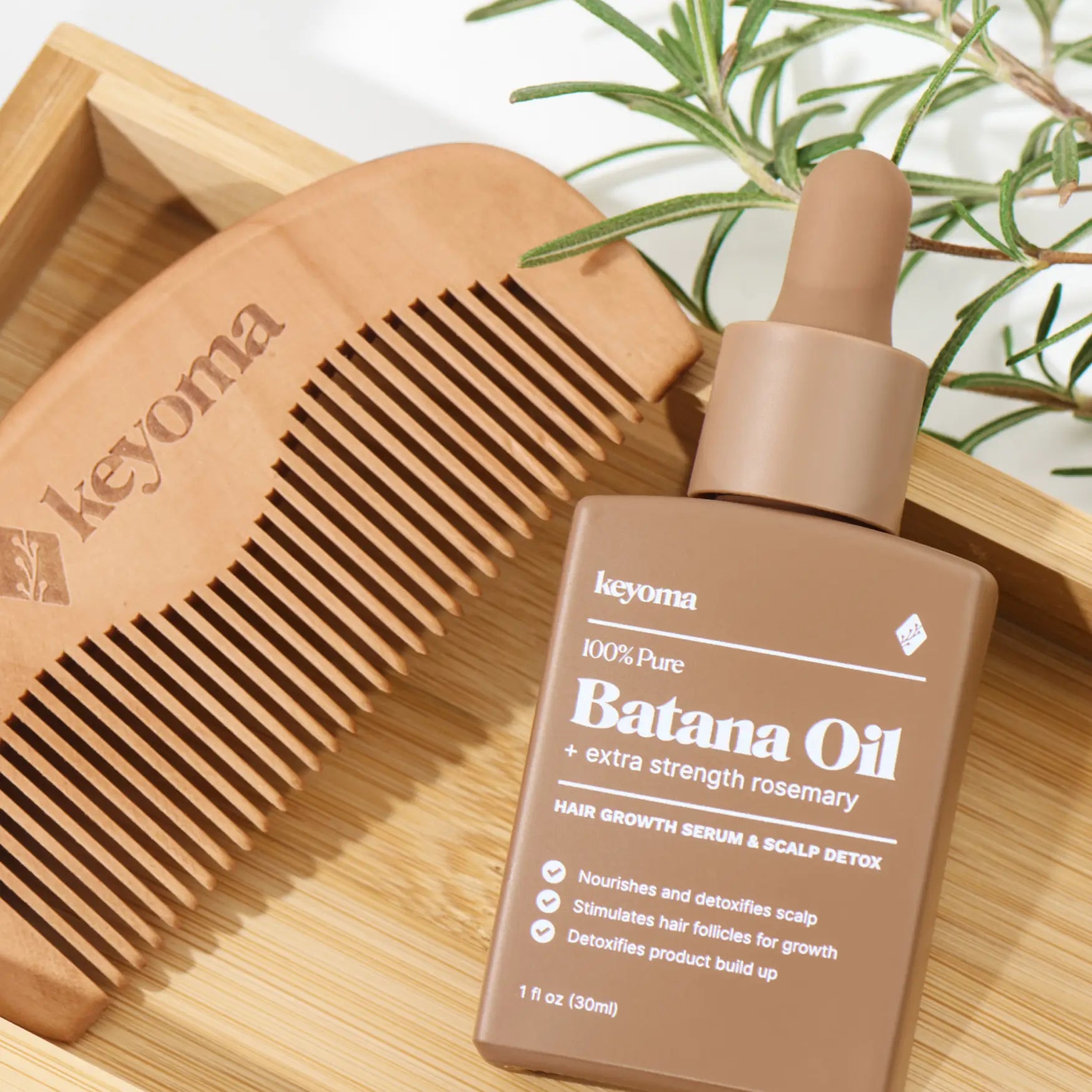
If you want to avoid silicones, switching to natural oil-based treatments may support healthier hair over time without the same coating effect. Keyoma Batana Oil with Rosemary is one silicone-free option that helps nourish hair while supporting softness and easier manageability.
This lighter oil blend helps hydrate dry strands, reduce breakage, and support a healthier scalp environment. Batana oil is known for its fatty acid content, which helps restore moisture, while rosemary oil is often used in routines focused on fuller, stronger-looking hair. For me, lighter oil blends usually felt easier to keep using from week to week.
Unlike silicone-based products that mostly coat the outside of the hair, this kind of formula works more directly with the strands and scalp to support overall condition without leaving as much residue behind. It can work well as a pre-wash oil or a leave-in treatment, especially if your hair is dry, damaged, or thinning.
Choose Silicone-Free Hair Care for Less Buildup and Dryness
Silicone is not automatically the problem. The bigger question is whether your routine can handle the trade-off that comes with it. Non-water-soluble silicones may build up gradually and often need stronger cleansing, which can leave hair looking polished on the outside while feeling drier underneath.
That is why better long-term results often come from choosing products that support softness, manageability, and stronger strand condition without pushing your routine into constant buildup and reset. When your hair stays balanced instead of heavily coated, the results last longer than one wash cycle. For more straightforward ingredient guidance, explore the Keyoma Hair Care blog.
Featured Product
30% Off + 3 FREE Gifts
100% Pure Batana Oil + Rosemary


