

In this article
One of the easiest hairstyles you can do is a ponytail. You just pull your hair back, secure it, and move on. It looks polished, feels practical, and seems almost impossible to get wrong.
But even though a ponytail is simple to do, it is not always gentle on your hair. One styling mistake, such as choosing the wrong hair tie, can quietly damage hair health and lead to breakage, split ends, or even hair loss over time. The same risk applies to a too-tight braid.
If you are trying to figure out whether your favorite pulled-back style is causing breakage or hair loss, look for early clues such as thinning at the crown or temples, frizzy broken pieces around the ears and chin, and shorter strands at the nape that look wispy or torn.
Then keep reading to see which styling habits raise the risk and which ones help you wear these styles with less stress on the scalp and hair.
Key Takeaways
-
Tight ponytails put stress on follicles and may lead to traction alopecia over time.
-
Early warning signs include temple thinning, broken hairs, scalp soreness, and more shedding.
-
Wearing the same tight style repeatedly in one spot may make thinning more noticeable.
-
Looser styles, softer ties, and regular breaks may lower daily scalp tension.
What Is Ponytail Alopecia?
Hair loss caused by styling is called traction alopecia, and many people also refer to it as ponytail alopecia. For this kind of hair loss to develop, the hair has to be pulled tightly again and again.
It is not limited to ponytails. Any style that keeps the hair under steady tension can play a role, including tight buns, braids, and extensions.
When hair is pulled back too tightly, it creates tension between the strand and the follicle, and that repeated force can injure the follicle. Over time, repeated injury may scar the follicle, and that kind of damage can make it harder for hair to grow in that area.
How Does a Tight Ponytail Cause Hair Loss?
Here is what may happen when you wear your hair too tightly on a regular basis:
1. Constant Pulling Weakens Hair Roots
A tight ponytail keeps steady tension on the scalp. With time, that strain can weaken the follicles, which may lead to thinning from repeated ponytail pressure and, eventually, more shedding.
2. Reduced Blood Flow to the Scalp
When hair is pulled back hard, circulation in the scalp may decrease. Less blood flow means fewer nutrients reach the roots, and that can affect healthy growth.
3. Increased Breakage and Thinning
Tight styles add friction and stress to the hair shaft, especially if your hair is already dry or chemically treated. That can lead to thinning patterns linked to ponytails, especially around the crown and temples.
4. Repeated Styling in the Same Area
Putting your hair in the same place every day, especially in a high ponytail, may create a visible thinning spot from repeated high-ponytail tension, and that area can become more obvious over time.
Symptoms of traction alopecia from Ponytail
Traction alopecia from ponytails happens because the follicles stay under ongoing strain from repeated pulling. Because this type of hair loss follows a clear tension pattern, people dealing with it often notice the following signs:
-
More shedding than usual, beyond the normal 50-100 hairs the average person loses in a day.
-
Hairline and temple thinning that starts around the front and sides of the scalp, where the follicles experience the most pull from tightly secured hair.
-
Stinging, tenderness, or soreness on the scalp from constant pulling.
-
Symmetrical thinning, which often begins around the temples and hairline where the hair is usually pulled tight, known as marginal traction alopecia. Patchy loss may also appear across other parts of the scalp.
-
Folliculitis or pus-filled bumps.
-
Broken hairs around the hairline and temples.
How to Wear Your Hair Up Without Causing Harm
The good news is that wearing your hair up does not automatically mean damaging it. A few practical changes to the way you style can let you keep versatile, useful hairstyles while reducing tension on the scalp and follicles.
Helpful ways to lower the risk of traction alopecia include:
-
Choosing looser styles, since a low relaxed ponytail puts much less stress on the hairline than a high tight one
-
Changing your hairstyle often, because rotating styles helps prevent one area of the scalp from taking the same repeated tension
-
Using soft fabric-covered ties instead of elastic bands that can catch and snap hair
-
Not sleeping in tight hairstyles, since overnight tension can be especially harsh
-
Keeping hair extensions and weaves limited, or making sure they are applied loosely by a trained professional; lighter, shorter extensions place less traction on the hairline
-
Skipping tight adhesives, glues, or very snug wigs that keep steady pressure on the hairline
-
Giving your hair regular breaks during the day by wearing it down for a while to relieve scalp tension
It also helps to think about your hair’s overall condition before styling. Hair that is already weakened by heat or chemical processing may be more likely to break under normal styling stress.
Prevent Ponytail Hair Loss With Less Tension
Tight ponytails, braids, and other styles that keep pulling on your hair may lead to a form of hair loss called traction alopecia.
Wearing your hair tightly once in a while is usually different from doing it every day. The bigger problem comes from repetition. If you like sleek pulled-back styles, make sure your hair also gets enough time to rest and recover between them.
If you start noticing hairstyle-related thinning or breakage, adjust your styling and hair care habits as early as you can. Acting sooner may help support regrowth and keep the loss from getting worse.
Featured Product
30% Off + 3 FREE Gifts
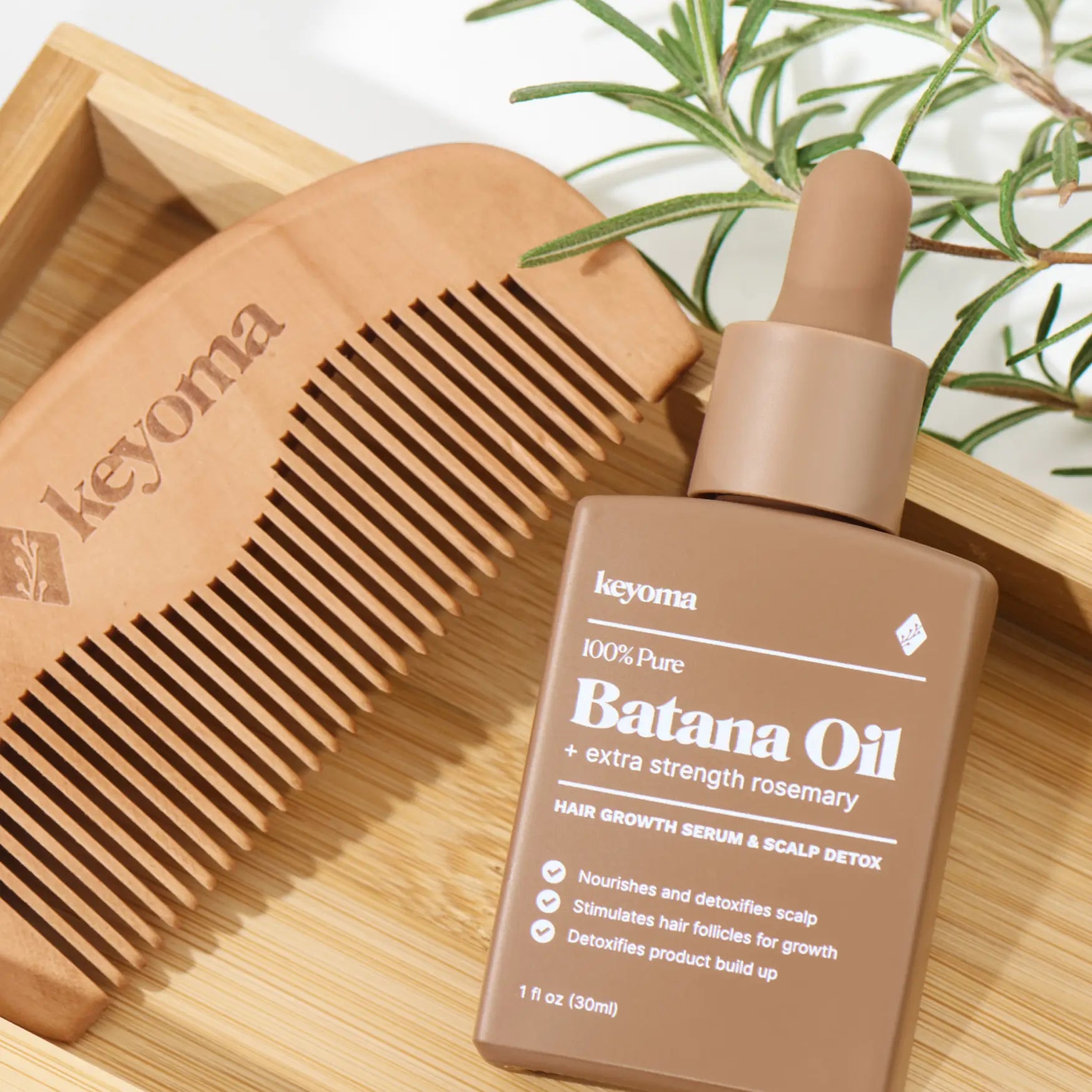
100% Pure Batana Oil + Rosemary


