
In this article
Your highlights may look evenly placed, but every strand has not experienced the same processing.
Lightener changes only the selected sections. Your natural hair may remain smooth and easy to manage, while highlighted pieces absorb products quickly, tangle easily, or feel dry soon after wash day. Previously lightened ends may be even more fragile because they have gone through multiple appointments.
This creates uneven porosity after highlights, or what is better understood as mixed levels of chemical damage. Instead of treating your entire head as high porosity, you can map the different sections and adjust how much conditioner, leave-in, and oil you apply to each one.
Key Takeaways
-
Highlights can make selected strands more porous without affecting every section equally.
-
How a strand behaves offers useful care clues, but it cannot provide an exact porosity measurement.
-
A zone-based routine gives processed sections added protection without weighing down healthier hair.
-
Cosmetic products can improve softness and reduce friction, but they cannot permanently reverse bleach damage.
Why Highlights Can Leave Hair With Uneven Porosity
Hair porosity describes how readily a strand takes in and loses water. The hair’s outer layer, called the cuticle, helps control that movement.
Bleaching changes the hair so its natural pigment can be lightened. In the process, it can also disrupt the cuticle and affect structures within the hair shaft. Research examining bleached hair has found increasingly visible cuticle and internal damage as bleaching intensity rises. However, the amount of change can differ among strands based on their condition and processing history.
That variation matters with highlights. A face-framing piece may have been lightened several times, while a nearby darker strand has never been bleached. The highlighted piece may wet faster, create more friction during detangling, and need more conditioning. Applying the same rich routine to the darker strand could leave it flat or coated.
Several factors can influence the difference:
-
The starting condition of each section
-
The strength and duration of the lightening process
-
Previous color or chemical services
-
Overlap between new bleach and old highlights
-
Repeated heat styling after the appointment
-
Daily friction and environmental exposure
This does not mean every highlighted strand automatically becomes high porosity. It means chemical processing can change how hair porosity affects moisture absorption, sometimes more in one area than another.
Your unlightened hair is not automatically low porosity, either. It may simply be less chemically altered.
Map the Mixed Damage Before Changing Your Routine
A single porosity label can hide the information you actually need. Before replacing your entire routine, divide your hair into three practical zones and observe each one separately.
Make these observations when your hair is relatively clean. Heavy product residue can change how quickly a strand becomes wet and how it feels between your fingers.
Zone 1: New Growth and Unlightened Hair
Start with your natural roots and any darker sections that were left outside the foils.
These areas may:
-
Take longer to feel completely wet
-
Feel smoother during washing
-
Need less conditioner or leave-in
-
Become limp when covered with a rich mask
-
Show buildup sooner than highlighted sections
Treat this as your lighter-care zone. Do not assume it needs no conditioning, but avoid applying extra product merely because another part of your hair feels dry.
Zone 2: Highlighted Mid-Lengths
Next, observe the lightened sections through the middle of your hair.
They may:
-
Become saturated with water sooner
-
Feel rougher when your fingers move down the strand
-
Create more resistance during detangling
-
Absorb leave-in without becoming coated
-
Develop frizz sooner than neighboring darker hair
Pay attention to placement. If the roughness follows the visible highlights rather than appearing everywhere, selective processing is a more useful explanation than one whole-head porosity type.
Zone 3: Previously Lightened Ends
The ends are the oldest part of your hair. Highlighted ends may have experienced bleach, heat, brushing, washing, and friction for several years.
Look for:
-
Knots that repeatedly form in the same area
-
Split, white-dotted, or frayed ends
-
Rapid drying followed by a dry or rigid feeling
-
Reduced flexibility
-
Strands that snap during gentle detangling
-
Ends that lose softness sooner than the mid-lengths
These signs deserve the most cautious handling. They may also reflect broader signs of overprocessed hair, especially if breakage is increasing.
This three-zone assessment is more practical than dropping loose strands into water. The popular float test can be influenced by surface tension, residue, strand thickness, and how the sample was collected. It cannot reliably measure the condition of every area on your head.
Rule Out Problems That Can Resemble Uneven Porosity
Roughness does not always prove that a section is highly porous. Check for other patterns before adding more masks, creams, or oils.
Product Coating
Product buildup can make hair feel stiff, dull, or difficult to wet. Unlike selective bleach damage, coating often follows where you normally concentrate styling products.
If your natural roots feel waxy while the highlighted ends remain rough, adding a richer conditioner everywhere may make the imbalance worse.
Hard-Water Accumulation
Minerals from water can collect on the hair and affect its texture, shine, and response to products. This may occur throughout the hair or in areas that receive the most water exposure.
A cleanser designed for mineral removal may help with deposits, but it cannot reverse structural changes caused by bleach.
Weathered or Split Ends
If only the last inch or two catches and tangles, the problem may be concentrated wear rather than uneven porosity across every highlighted section. Products can temporarily improve lubrication, but persistent splits generally need trimming.
Heat Damage
Compare the affected area with where you place your flat iron, curling iron, or blow-dryer brush. Front sections may feel more damaged because they receive both highlights and repeated styling.
Scalp or Hair-Loss Concerns
Porosity describes the behavior of the hair shaft. It does not explain scalp burning, sores, swelling, bald patches, or increased shedding from the root.
Short pieces with uneven or frayed ends usually point more toward breakage. Full-length strands with a small bulb at one end were shed from the root. If shedding, thinning, or scalp symptoms concern you, consult a dermatologist rather than trying to correct them with a porosity routine.
Use a Zone-Based Wash-Day Routine
The goal is not to build three completely separate routines. Start with one gentle base routine, then give the highlighted and repeatedly processed zones additional support.
Clean the Scalp Without Scrubbing Fragile Lengths
Apply shampoo mainly to your scalp and massage it gently with your fingertips. Let the lather and rinse water move through the lengths instead of rubbing the highlighted sections together.
The American Academy of Dermatology recommends massaging shampoo into the scalp and allowing it to flow through the hair during rinsing. This reduces unnecessary friction along fragile lengths.
Use a clarifying shampoo when residue is plausible, not every time the ends feel rough. Clarifying too frequently can leave already vulnerable sections harder to manage.
Condition the Whole Head, Then Add More Where Needed
Apply a regular conditioner through the lengths so every section receives slip. Then add a little more to the highlighted mid-lengths and older ends.
This staged method helps you avoid two common mistakes:
-
Using too little conditioner because the natural sections become weighed down
-
Covering the entire head with a heavy mask because the highlighted ends remain dry
Give the more processed areas additional dwell time if the product instructions allow it. When detangling, begin at the ends and work upward in small sections. Use your fingers or a wide-tooth comb, depending on your hair type and usual routine.
Do not assume that every rough section needs frequent protein treatments. Hair may become rigid or difficult to style when a particular formula or frequency does not suit it. Judge a product by the result it produces, not only by whether it is labeled for damaged or high-porosity hair.
Adjust Leave-In by Section, Not by Head
Start with a small amount of leave-in across the lengths. Add a second light layer only to the highlighted pieces that still feel rough or catch during detangling.
For example, a balayage with lighter ends may need almost no leave-in near the roots but additional coverage below the color transition. Face-framing highlights may need more careful application at the front without requiring extra product at the back.
If you use hot tools, apply heat protectant to every section the tool will touch. Less-processed hair can still be damaged by heat even if it currently feels smooth.
Use Oil as a Targeted Finishing or Pre-Wash Step
Hair oil works best here as a placement tool, not a whole-head repair treatment.
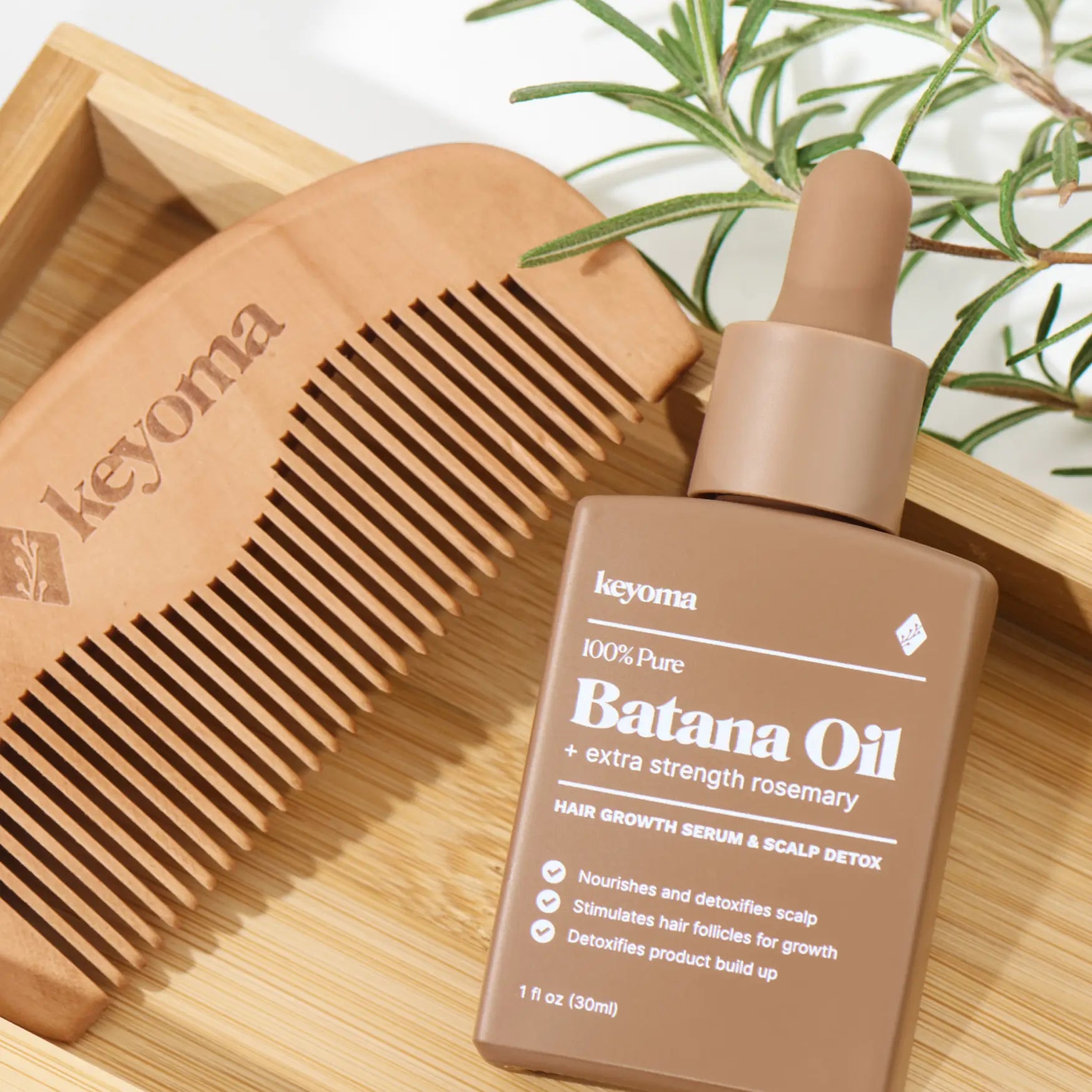
Warm a very small amount of Keyoma Batana Oil with Rosemary between your palms, then smooth it over the highlighted ends that create the most friction. Keep the application light enough that the strands remain flexible and separated.
You can use it in one of two ways:
-
Apply a small amount before washing to help lubricate vulnerable lengths.
-
Smooth a trace over dry ends after styling to improve softness and manageability.
Avoid automatically covering the roots and unlightened sections. They may need less oil than the porous ends beside them.
Oil can reduce friction and improve how damaged hair feels, but it cannot rebuild bleached strands permanently. If one section still feels coated after washing, reduce the amount before assuming it needs a different product.
Protect the Most Porous Sections From Further Damage
A careful routine can make highlighted hair easier to manage, but preventing additional damage matters more than continuously adding corrective products.
Prevent Bleach Overlap
At your next appointment, tell your colorist which areas have become fragile or unpredictable. Ask how they plan to distinguish new growth from previously lightened sections.
Repeatedly applying bleach over older highlights can create weak bands along the strand. Those areas may later snap even when the surrounding hair appears healthy.
Space Out Chemical Services
Allow more time between lightening appointments when possible. Avoid combining several intensive chemical services within a short period.
The AAD recommends extending the time between color touch-ups and limiting simultaneous chemical services to help prevent further damage.
Reduce Heat Instead of Relying Only on Heat Protectant
Heat protectant is useful, but it does not make unlimited heat exposure harmless. Use the lowest effective temperature, reduce repeated passes, and air-dry when practical.
Pay extra attention to front highlights and ends. These are easy to restyle several times while correcting small details.
Handle Wet Hair According to Its Pattern
Wet, bleached hair may be especially vulnerable to stretching and friction. Avoid rough towel drying, tight twisting, and forceful detangling.
The safest detangling timing can depend on your texture. Straight hair may benefit from drying slightly before gentle combing, while textured or tightly curled hair is often easier to detangle while damp and conditioned. In either case, work slowly and stop pulling when a section catches.
Trim Ends That Continue to Split or Snag
Conditioner, leave-in, and oil can make frayed ends feel smoother temporarily. They cannot fuse a split end back into an intact strand.
If the same ends repeatedly knot, split, or break, a conservative trim may prevent them from tangling with healthier sections.
When Uneven Texture Needs Professional Help
Talk with a licensed colorist before another chemical service if:
-
Highlight bands appear to overlap
-
Your ends take toner unpredictably
-
Hair feels gummy or unusually stretchy when wet
-
Breakage has increased since the last appointment
-
You want to lighten already fragile sections again
A colorist can assess the placement and processing history before deciding whether further lightening is reasonable.
Consult a dermatologist if you notice:
-
Increased shedding from the root
-
Visible thinning or bald areas
-
Scalp burning that continues after the service
-
Swelling, sores, blisters, or persistent inflammation
-
Hair changes that do not improve with gentler care
These concerns extend beyond cosmetic porosity. A dermatologist can determine whether a scalp condition or type of hair loss needs evaluation.
Care for Each Section According to Its Damage History
Uneven porosity after highlights does not require three product collections or a complicated rotation. It requires better placement.
Map your unlightened hair, highlighted mid-lengths, and repeatedly processed ends. Use a gentle base routine across the whole head, then add more conditioner, leave-in, or oil only where the hair shows that it needs additional slip and protection.
At the same time, reduce bleach overlap, repeated heat, rough drying, and forceful detangling. These changes cannot return processed hair to its original structure, but they can make it more manageable while protecting it from additional damage.
The aim is not to make every strand behave identically. It is to stop the most vulnerable sections from dictating a routine that overwhelms the rest of your hair.
Frequently Asked Questions
Can highlighted hair have different porosity in different sections?
Yes. Selective bleaching can alter highlighted strands more than surrounding unlightened hair. Older ends may also be more weathered than recently highlighted sections.
Are porous ends after bleach permanently damaged?
Bleaching can cause lasting structural changes to the hair shaft. Conditioners, leave-ins, and oils may improve softness, lubrication, and manageability, but they cannot restore the strand to its original unprocessed condition.
Should I use high-porosity products on my whole head?
Not automatically. Begin with a gentle base routine, then apply richer products only to the highlighted or weathered sections that need additional conditioning.
How can I assess uneven porosity without the float test?
Compare clean sections by how they become wet, feel during detangling, respond to conditioner, dry, and retain softness. These observations can guide product placement, but they do not provide an exact porosity measurement.
Featured Product
30% Off + 3 FREE Gifts
100% Pure Batana Oil + Rosemary


