

In this article
Stopping hair oil does not harm your hair overnight. What it often does is show what your hair had been depending on. If your hair used to feel soft and controlled, then suddenly feels dry or frizzy, it can seem like something is wrong. In most cases, the oil was helping manage those issues, not making them disappear.
Here, you will look at what really changes when you stop using hair oil, why those changes show up, and how to tell whether oil still belongs in your routine. The point is not to tell you to keep using oil or stop it, but to help you understand what your hair is reacting to.
Key Takeaways
-
Stopping hair oil may expose dryness, frizz, and roughness that oil was helping control.
-
Hair oil helps lock in moisture, smooth the cuticle, and protect delicate ends.
-
Without oil, hair may feel drier and may be more likely to break.
-
Some hair types do fine without oil, while others benefit from using it regularly.
Why Do You Need Hair Oil in Your Routine?
Hair oil is not essential for everyone, but it has a clear role when you use it well. It helps protect your hair, slow moisture loss, and improve how your hair looks and feels through the day.
Hair naturally loses moisture over time. Washing, brushing, heat styling, and even the weather can leave hair feeling rough or dry. Hair oil helps slow that by creating a light layer across the surface of the hair.
Still, not everyone needs that extra layer all the time. Some hair types hold moisture well by themselves, while others lose it fast and benefit more from oil.
In everyday use, hair oil tends to help most when your hair:
-
Feels dry not long after washing
-
Gets frizzy as it dries
-
Has brittle or rough ends
-
Looks dull or does not feel smooth
If your hair does not show these signs, you may need oil less often, or not at all.
What Hair Oil Actually Does for Your Hair

To understand what happens when you stop using hair oil, you first need to know what it really does. Many people think oil hydrates the hair, but that is not quite true.
Hair oil mostly works on the outside of the hair. It helps keep moisture inside the strand, smooth the outer layer, and protect against daily wear. It does not add water to your hair. That difference matters.
Seals Moisture and Reduces Dryness
Hair oil helps hold moisture in after you wash or condition your hair. Without that layer, moisture can leave faster, especially in dry conditions.
That is one reason hair may feel drier after you stop oiling it. The oil was not hydrating your hair on its own. It was helping hold onto the moisture already there. For dry, damaged hair, a richer choice like pure batana oil may be especially useful because it gives more sealing support without changing the basic role oil plays in a routine.
Smooths Frizz and Adds Shine
Frizz shows up when the hair cuticle is raised or uneven. Hair oil helps smooth that surface, so hair looks shinier and feels softer. That smoothing effect also helps strands reflect light more evenly.
When you stop using oil, your hair may look less smooth, especially if it naturally frizzes easily. Without that surface control, the texture may feel more exposed.
Helps Protect Ends From Breakage
The ends of your hair are more fragile than the roots. They have gone through more washing, heat, and friction. That makes them more likely to dry out and split.
Hair oil can work like a light protective layer, lowering friction and helping stop split ends from getting worse. It also helps reduce damage from everyday handling.
Without that layer, the ends may feel rougher or become more likely to break over time. If you do not manage that, the ends can start to look thinner.
Common Effects of Stopping Hair Oil May Affect Your Hair

When you stop using hair oil, the changes are usually gradual. Hair does not suddenly become unhealthy, but some qualities may start to shift.
Those changes depend on your hair type, your routine, and how much your hair depended on oil before.
Hair May Feel Drier
One of the first things many people notice is dryness. Hair may feel less soft or more coarse, especially a few hours after washing. That happens because there is no longer a layer helping slow moisture loss. If your hair already has trouble holding moisture, the shift can feel stronger.
Even so, this dryness is often temporary. Your routine may simply need more attention on hydration instead of depending on oil alone.
Frizz and Rough Texture
Hair may look less smooth and more textured. Frizz can stand out more, especially in humid or dry weather, because the cuticle is no longer being smoothed by oil. Your natural texture becomes easier to see.
I noticed that frizz looked stronger once the finishing layer was gone. For some people, that is not a bad thing. For others, it may mean changing styling products or techniques.
Prone to Breakage
Without the extra protection from oil, your hair may go through more friction. This can happen while brushing, styling, or even while you sleep. Over time, that may lead to more breakage, especially at the ends. This does not mean oil is required, but it does mean your hair may need protection in some other form.
Hair Shedding
Some people say they notice more shedding when they stop using oil. In most cases, stopping oil does not directly cause that. Shedding is usually tied to internal factors like stress, hormones, or seasonal shifts. Still, hair that is drier and more fragile may snap more easily, which can feel like extra shedding.
Signs You May Be Overusing Oil
Sometimes the issue is not stopping oil, but using too much. Overuse can cause buildup, weigh hair down, and disrupt moisture balance. This is where people often misread dryness. Hair can feel coated while still being dry underneath.
You may be using too much oil if:
-
Hair feels heavy or greasy soon after you apply oil
-
Hair looks dull instead of shiny
-
Products stop sinking in well
-
Your scalp feels congested or itchy
-
Hair turns limp or loses movement
If you notice these signs, cutting back or spacing out oil use may help your hair more than adding extra product.
Rethink Stop Using Hair Oil for Moisture Balance
Stopping hair oil does not damage your hair. What it really does is show how your hair handles moisture, texture, and protection on its own.
If your hair feels drier or frizzier, it usually means the oil had been helping seal in moisture and smooth the surface. That does not mean you have to keep using oil, but it does mean you may need another way to replace that function if those concerns matter to you.
Some hair types do better with regular oil use. Others respond better to lighter routines that focus more on hydration. For example, using pure batana oil once or twice a week, or even very lightly each day, may help maintain softness and control depending on how dry your hair and scalp feel.
What matters most is not whether you use oil, but how well your routine supports moisture, protects your hair, and stays consistent over time.
Featured Product
30% Off + 3 FREE Gifts
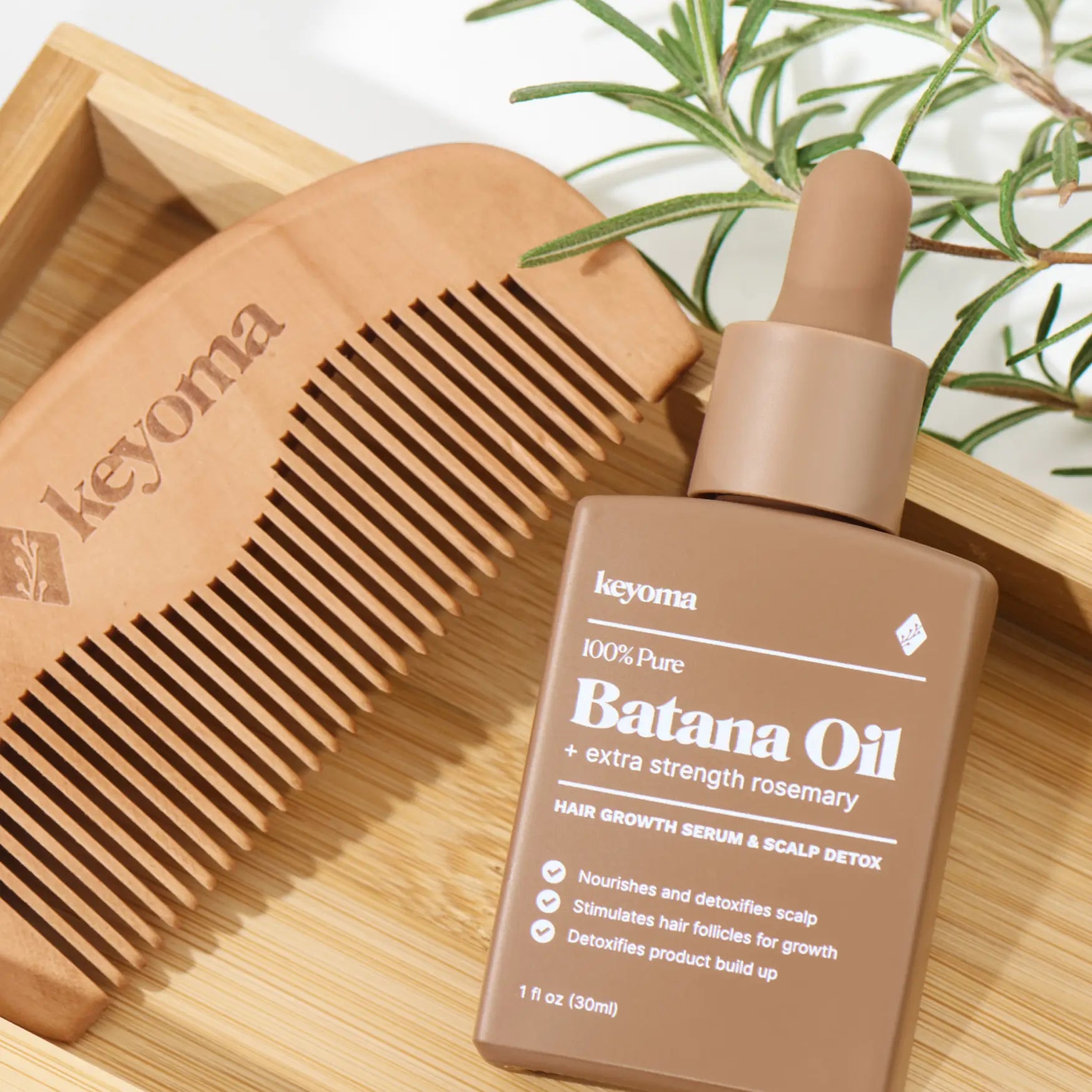
100% Pure Batana Oil + Rosemary


