

In this article
Frizzy hair after a shower is a very common issue and can quickly ruin how your hair looks once it dries. When your hair takes in too much moisture during a shower, the strands swell and the surface becomes rough, which leads to frizz as it dries. Shower water quality and certain minerals or chemicals can also dry out your hair and scalp, which makes frizz worse.
This problem can affect all hair types, but people with curly or wavy hair often notice it more because frizz reduces definition and makes hair look messy or puffy. Managing frizz after showering is not only about appearance, but also about keeping your hair healthy and easier to manage.
Using the right habits and products can help your hair stay smoother, softer, and easier to control after every wash.
Key Takeaways
-
Frizz after showering can come from humidity, hot water, harsh products, and rough drying.
-
Curly, wavy, and high-porosity hair often becomes frizzy faster because it loses moisture quickly.
-
Products with high alcohol content can increase dryness, while plant oils help smooth hair.
-
Detangling damp hair, diffusing roots, and using cotton instead of towels can reduce frizz.
Causes of Frizzy Hair After Showering

There are many ways your shower routine may be causing frizz. Water temperature, hair products, and how you dry your hair afterward can all influence how frizzy your hair becomes once it dries.
1. Humidity
Humidity often makes hair frizzy because hair strands pull moisture from the air, which causes them to swell and change shape. When this happens, the cuticle lifts instead of staying flat, making hair look puffy, rough, and difficult to control.
2. Hair Porosity
Hair porosity describes how easily your hair absorbs and keeps moisture, and this strongly affects how frizzy your hair becomes after showering. High-porosity hair has a more open cuticle, so it absorbs water very quickly during washing or from humid air after a hot shower.
Because it absorbs moisture so easily, high-porosity hair tends to become frizzy more often. Low-porosity hair does not absorb moisture easily, so it may be less frizzy but also harder for products to penetrate.
3. Hair Texture
Hair texture also affects how your hair behaves after showering, especially when it comes to frizz. Curly and wavy hair types are more likely to become frizzy because the bends in the strands make it harder for natural oils to move from the scalp to the ends, which leads to dryness.
Straight hair can still become frizzy after showering if the hair is damaged or does not get enough moisture.
4. Harsh Products
Strong hair products, especially those with sulfates and alcohols, can remove natural oils from your hair, which makes it dry and more likely to frizz after showering. These ingredients can also damage the cuticle layer, causing it to lift and allowing too much moisture into the hair shaft, which leads to swelling and frizz.
Check out these anti-hair frizz products
5. Washing and Drying Habits
Your washing and drying routine can also lead to frizzy hair after a shower. Hot water opens the cuticle and removes natural oils while letting in excess moisture. After washing, rubbing your hair with a towel creates friction that damages strands and lifts the cuticle. Washing too often can also remove natural oils, leaving hair dry, rough, and frizzy.
6. Shower Water Quality
Water quality, especially chlorine in water, can play a big role in frizzy hair after showering. Chlorine removes natural oils from your hair, which dries it out and increases frizz. If your hair becomes frizzy after swimming in a pool, chlorine is usually the reason, and similar chemicals can also be present in tap water at home.
How to Prevent Frizzy Hair After a Shower

After a shower, frizz usually starts because the hair cuticle is open, the strands are full of moisture, and the hair is more fragile. What you do in the first few minutes after washing often matters more than the shampoo or conditioner you used.
Small changes to your routine can noticeably improve how smooth your hair looks once it dries. The goal is not only to add moisture, but also to control how your hair absorbs and holds that moisture so the cuticle stays smooth.
1. Which Hair Products to Avoid and Which Ones to Use
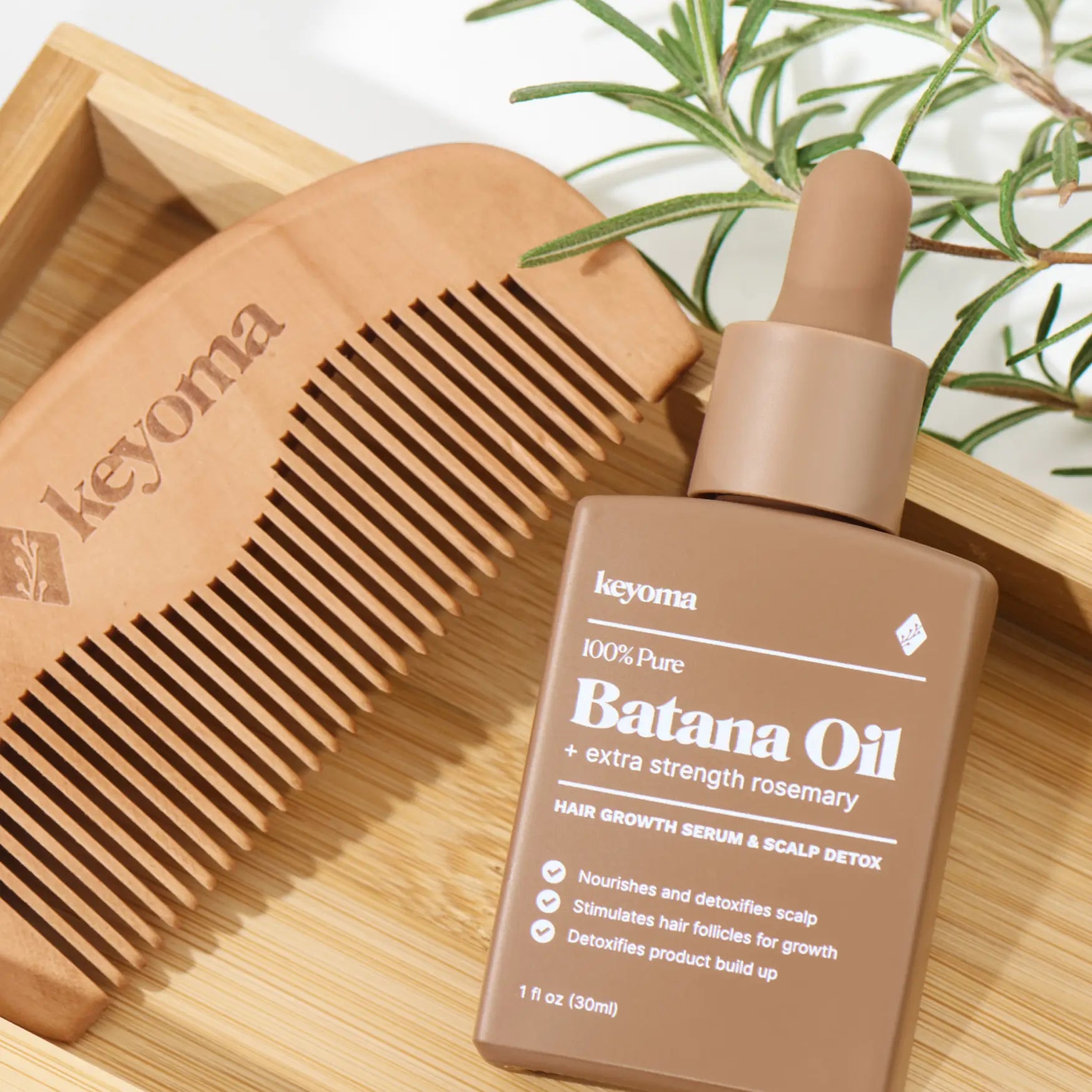
One important step is avoiding products that contain alcohol because they can dry out hair and increase frizz. Instead, focus on nourishing plant oils such as batana oil, argan oil, avocado oil, and coconut oil. These oils help coat the hair, add softness, and reduce frizz while improving shine. I noticed lighter oils worked better for me when applied while hair was still slightly damp.
2. When to Brush Your Hair
To reduce frizz, detangle your hair while it is still damp instead of when it is dry. Conditioner helps strands slide apart more easily and reduces breakage. This also makes styling easier afterward. People with curly hair should use a wide-tooth comb so the curl pattern stays intact and frizz is minimized.
3. Be Careful with Heat
If you need to use a hair dryer, try drying only the roots and use a diffuser if possible. This method works for most hair types, but it is especially helpful for curly hair because it helps curls keep their shape and reduces frizz.
4. How to Dry Your Hair to Reduce Frizz
After your roots are dry, gently press the rest of your hair using a clean old t-shirt instead of a regular towel. Soft cotton causes less friction and helps the cuticle stay flat, which helps reduce frizz after a shower. Switching from towels to cotton drying made my hair look smoother with less puffiness.
Fix Why Is My Hair Frizzy After Showering for Smoother Hair
Think of post-shower frizz as a cuticle issue rather than just a styling issue. Hot water, rough drying, and drying ingredients can all push the cuticle open, which makes hair swell, puff up, and become harder to manage after it dries. This matters because smoother hair usually comes from preventing damage early, not from adding more styling products later.
When your routine protects the hair from the start, frizz becomes easier to control and less unpredictable. If your hair needs extra help staying smooth, soft, and sealed after washing, using pure batana oil can help keep moisture in and reduce frizz.
Featured Product
30% Off + 3 FREE Gifts
100% Pure Batana Oil + Rosemary


