

In this article
A bottle of hair oil can look different after sitting in a cold delivery truck, mailbox, garage, or unheated room. The oil may appear cloudy, move slowly through the bottle, or become too thick for the dropper.
These changes can happen when parts of a plant-based oil begin to firm or crystallize at lower temperatures. The process may reverse as the sealed bottle gradually returns to a stable indoor temperature.
Still, cloudiness alone cannot tell you whether the oil is fresh, spoiled, contaminated, or safe to use. The more useful question is whether the change appeared after a known cold exposure and whether the oil returns to its expected condition without direct heat.
Key Takeaways
-
Cold conditions can temporarily make some plant-based hair oils cloudy, thick, or uneven.
-
Cloudiness alone cannot confirm whether an oil is fresh, spoiled, or contaminated.
-
Warm a sealed bottle gradually instead of using direct or improvised heat.
-
Contact the manufacturer when texture persists or packaging shows damage or foreign material.
Why Cold Weather Can Change Hair Oil
Plant-based oils contain a mixture of fatty components. These components do not always firm at the same temperature or at the same rate.
When the temperature drops, some of the fats may begin forming small crystals while the rest of the oil remains liquid. These crystals scatter light, making a normally clear oil look hazy or cloudy. As more of the oil firms, it may flow slowly or stop moving through the dropper.
Research on the crystallization behavior of oils also shows that cooling conditions can influence how lipid crystals form. This helps explain why two bottles exposed to different temperatures or cooling speeds may not look identical.
The change is physical, but that does not automatically make every cloudy bottle acceptable. The FDA notes that temperature changes can affect a cosmetic product’s color, texture, and smell. Product condition should be evaluated as a pattern rather than through one visual clue.
What Cloudiness, Thickness, and Soft Crystals May Look Like
Cold-related changes do not always appear as a completely solid bottle. You may notice:
-
A hazy or opaque appearance
-
Oil that moves slowly when the bottle is tilted
-
Soft, pale areas along the sides or bottom
-
Small crystals suspended in the oil
-
A dropper that fills more slowly than usual
-
A thicker layer beneath a more fluid surface
Appearance depends on the formula and the severity of the cold exposure. A lightweight blended oil may show slight haze, while a richer oil may become noticeably thicker.
Do not treat a certain color, crystal pattern, or texture as proof of purity. Both natural and formulated products can respond to temperature changes. Only the manufacturer can confirm what falls within the tested range for a specific formula.
Why One Bottle May Change More Than Another
The temperature outside is only one factor. The final texture may also depend on:
-
How cold the bottle became
-
How long it remained cold
-
How quickly it cooled
-
Whether it experienced repeated temperature changes
-
The fatty composition of the formula
-
The oil’s processing and filtration
-
The size and shape of the container
For example, a package left outside for several hours may behave differently from one moved directly from the delivery truck into the house. A bottle near an exterior wall may also stay cold longer than one placed in the middle of a room.
This variation does not mean one bottle is stronger or more authentic. It means the products may have experienced different conditions before you inspected them.
Check Whether Cold Exposure Explains the Change
Start with the bottle’s recent history. A texture change noticed immediately after winter shipping gives you a stronger reason to consider temperature than a change that appeared without any known cold exposure.
Use the following sequence before deciding what the change means:
-
Identify where the bottle was stored or delivered.
-
Check whether the cap, seal, bottle, or dropper was damaged.
-
Observe the oil before opening or warming it.
-
Move the sealed bottle to a stable indoor location.
-
Allow it to warm gradually without direct heat.
-
Compare its appearance and flow after it has adjusted.
This process does not test the oil’s safety or chemical stability. It only helps you determine whether the texture responds in a way that is consistent with temporary cooling.
Look at the Timing of the Change
Timing provides useful context. Cold exposure is a more plausible explanation when:
-
The bottle arrived during freezing or near-freezing weather.
-
It sat in an outdoor delivery area.
-
It was stored in a garage, vehicle, or unheated room.
-
Someone placed it in a refrigerator.
-
The change appeared soon after moving the bottle into a colder environment.
Cold is a weaker explanation when the oil changed gradually despite remaining under stable conditions. In that situation, look beyond temperature and review the manufacturer’s product guidance.
For a broader assessment, use the separate guide to signs hair oil has gone rancid. That guide considers smell, packaging, handling, and other changes that fall outside this cold-recovery check.
Check the Bottle Before Warming It
Inspect the packaging while the bottle remains sealed. Look for cracks, leakage, a loose cap, damage around the dropper, or signs that the seal failed during shipping.
Cloudiness inside an intact bottle presents a different situation from a bottle that arrived open or leaking. A damaged closure creates uncertainty about what entered the container and how much air or moisture reached the product.
Pause and contact the manufacturer when you see:
-
Water droplets inside the bottle
-
Foreign particles that were not present before
-
A broken or missing seal
-
Leakage around the cap or dropper
-
Cracks in the glass
-
Material collecting around a damaged opening
Do not try to correct a packaging problem by warming, shaking, filtering, or transferring the oil into another container.
Let Cold Hair Oil Return to Its Expected Texture
The goal is gradual adjustment, not fast melting. Move the sealed bottle from the cold environment to a dry indoor space with a stable temperature.
A cosmetic manufacturer’s guidance on cloudy plant-based oils notes that lower temperatures can cause fats to solidify and that the oil may return to normal in a somewhat warmer room. This supports gradual warming, but it does not establish an exact recovery temperature or time for every formula.
Use the storage instructions on your bottle when they are available. If the label does not explain what to do after cold exposure, contact the manufacturer instead of applying a generic temperature from another type of oil.
Keep the Bottle Sealed
Leave the cap or dropper closed while the bottle warms. Opening it does not speed up the process and may expose the oil to air, dust, moisture, or contact with your hands.
Keeping the bottle sealed also makes the comparison more useful. If the oil changes without anything being added or removed, temperature remains a more reasonable explanation for the shift.
Set the bottle upright on a stable surface away from direct sunlight. Do not place it beside a sink, humidifier, shower, or other source of moisture.
Give the Oil Time to Adjust Gradually
A cold bottle may not become fluid as soon as the outside surface feels warm. The oil in the center can remain cooler than the bottle’s exterior.
Allow the entire sealed container to adjust naturally. Avoid setting an exact timer unless the manufacturer provides a tested recovery period for that formula.
If the label allows gentle movement, slowly rolling the closed bottle between your palms may help redistribute areas that have softened at different rates. Do not shake it aggressively or repeatedly unless the manufacturer recommends doing so.
Keyoma-specific temperature limits and recovery times should come from testing of the finished retail product. A temperature associated with coconut, olive, jojoba, or another oil should not be applied automatically to Keyoma Batana Oil with Rosemary.
Avoid Improvised Heat
Fast heating can create new problems. The oil near the heat source may become much warmer than the oil in the center, making it difficult to judge how the formula responds under normal conditions.
Do not use:
-
A microwave
-
Boiling or near-boiling water
-
A stove or oven
-
A hair dryer
-
A radiator or space heater
-
Direct sunlight
-
An electric heating pad
Do not add hot water to the bottle. Water can introduce a separate contamination concern and may change how the formula behaves.
A warm-water bath should also wait for product-specific approval. Even when the water is not hot, it can damage a paper label, affect the closure, or enter the bottle if the seal is loose.
Recheck the Oil After It Warms
Observe the same features you noted before warming the bottle. This gives you a more useful comparison than relying on memory.
Look at:
-
Clarity
-
Thickness
-
Movement when tilted
-
Dropper performance
-
Presence of crystals or firm areas
-
Packaging condition
A temperature-related change may become less visible as the bottle warms. The oil may flow more freely, draw into the dropper more easily, or return closer to its expected appearance.
Recovery supports cold exposure as an explanation, but it does not prove that the oil is fresh or uncontaminated. It also does not show that the product is pure. Temperature response is not an at-home authenticity test.
If you are dealing with small grains rather than general cloudiness, review the more specific guide to grainy Batana oil texture. Graininess can involve cooling and crystallization, but it is not always the same as a bottle becoming uniformly cloudy after delivery.
When the Oil Does Not Return to Normal
Stop the recovery process when the oil remains far outside the appearance or texture described by the manufacturer.
Do not respond by applying stronger heat. Continued thickness may mean the bottle needs more time, but it may also reflect the formula’s normal texture, a non-temperature issue, or conditions that cannot be identified at home.
Contact the manufacturer and provide:
-
The product name
-
The batch or lot code
-
The delivery date
-
The approximate outdoor conditions
-
Where the package was left
-
How long it may have remained cold
-
Photographs before and after warming
-
A description of the bottle’s seal and packaging
These details help the manufacturer compare your bottle with its tested specifications.
Do not use the oil when the packaging is damaged, moisture or foreign material appears inside, or the manufacturer advises replacement. Stop using any cosmetic product that causes burning, swelling, persistent itching, redness, blistering, or a spreading rash. Seek medical advice for a severe or continuing reaction.
The FDA’s cosmetic safety guidance recommends stopping use and reporting unexpected reactions or problems such as a bad smell, unusual color change, or foreign material.
Choose Hair Oil With Clear Product Guidance
Cold weather can temporarily change how a plant-based hair oil looks and dispenses. A cloudy or thick bottle may be responding to winter shipping rather than showing a permanent product problem.
Check when the change appeared, keep the bottle sealed, and allow it to return gradually to a stable indoor temperature. Then compare its appearance and flow with the manufacturer’s stated expectations.
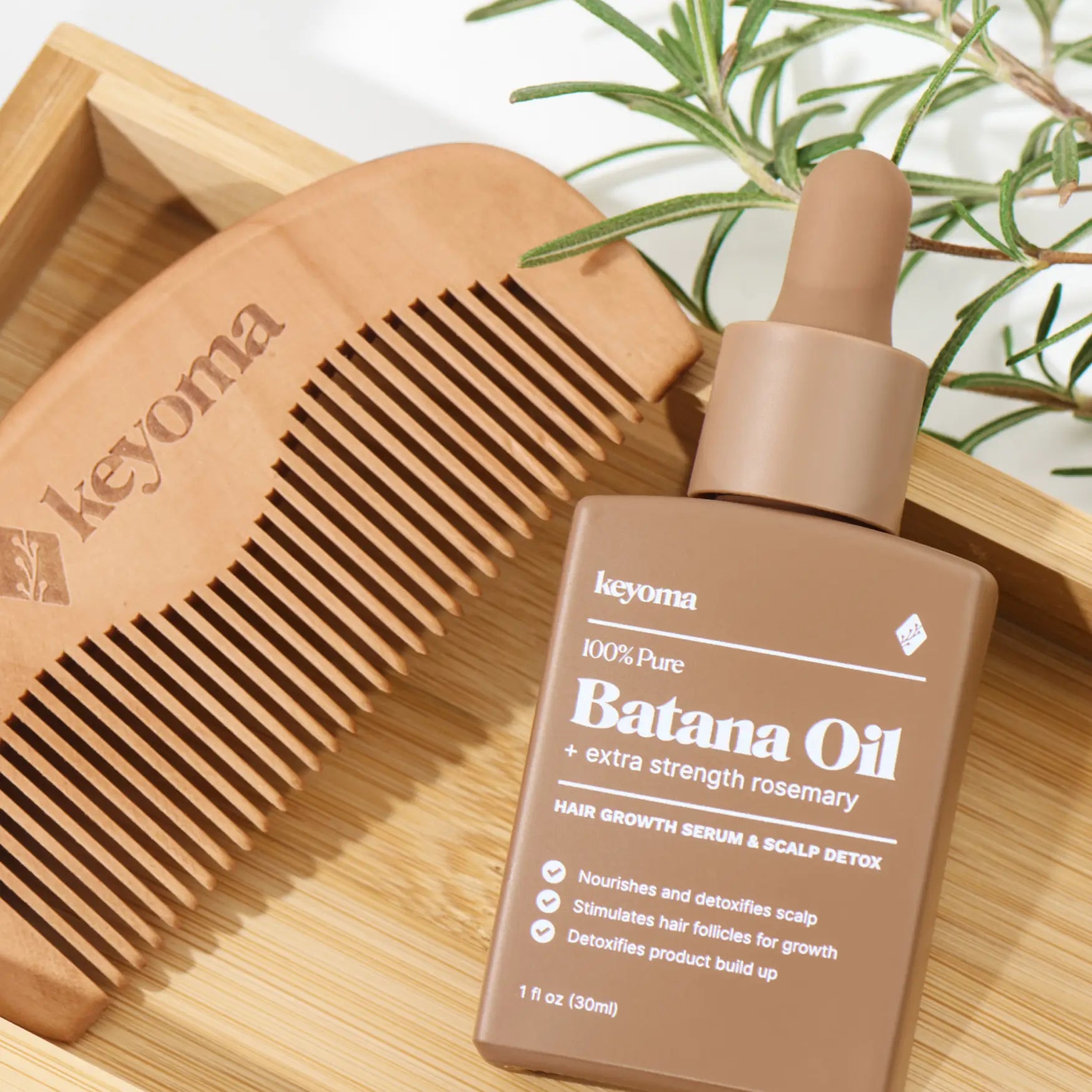
Keyoma Batana Oil with Rosemary offers a rich oil format for people who prefer a focused natural-oil routine. Clear product guidance matters because its expected texture should come from the formula itself, not from assumptions based on unrelated oils.
When a bottle does not recover as expected, contact the manufacturer before using stronger heat or applying the oil. That step protects the product, your routine, and your confidence in what you are putting on your hair and scalp.
Frequently Asked Questions
Does cloudy hair oil mean it has gone bad?
No. Cold temperatures can make some oils look cloudy, but appearance alone cannot confirm freshness or spoilage. Check the bottle’s exposure history, packaging, and response to gradual warming.
Can I microwave hair oil that became thick?
No. A microwave can heat the oil and container unevenly. Let the sealed bottle adjust gradually under its manufacturer-approved conditions.
Why did my hair oil become thick during shipping?
The package may have spent time in a cold vehicle, warehouse, mailbox, or outdoor delivery area. Cooling can cause parts of some plant-based oils to crystallize or firm.
Will cloudy Batana oil become liquid again?
That depends on the formula, the extent of cold exposure, and the product’s normal texture. Follow the manufacturer’s directions and contact its support team if the oil does not return to the expected consistency.
Featured Product
30% Off + 3 FREE Gifts
100% Pure Batana Oil + Rosemary


