

In this article
Hair oil can still work in humid weather, but the margin for error gets smaller. A little oil on the mid-lengths and ends can add shine, smooth roughness, and reduce friction. Too much oil, especially near the roots, can make hair look greasy, limp, and separated before the day has even started.
The best humid-weather approach is not to skip oil completely. It is to change how you use it. Use less than you would in cooler, drier weather. Place it lower on the hair. Choose a texture that matches your strand size. Save richer oils for pre-wash treatments or dry ends that genuinely need more slip.
Think of hair oil in humid weather as a finishing detail, not the foundation of the whole style. It should help the ends behave better without stealing volume from the roots.
Key Takeaways
-
Use less oil in humid weather than you normally would.
-
Keep daytime oil away from the roots and scalp.
-
Apply oil to mid-lengths and ends, not flat areas.
-
Wash or pause oiling if hair feels coated or limp.
Why Humidity Makes Oiled Hair Feel Heavy
Humidity changes how hair behaves because hair can take in water from the air. A study indexed in PubMed found that hair water regain increased as relative humidity rose, while hair elasticity decreased over higher humidity ranges. That helps explain why styled hair can lose bounce, feel softer than usual, or collapse faster in damp air.
Oil adds another layer to that environment. On dry ends, that layer can reduce roughness and make strands slide past each other with less friction. Near the scalp, it can combine with sebum, sweat, and product residue. The result is not smooth hair. It is hair that clumps together, reflects light unevenly, and looks oily in humidity even if you used a normal amount.
Hair type decides how quickly this happens. Fine hair has less physical bulk to support added weight, so even a small amount of oil can pull it down. Straight hair often shows oil at the roots sooner because sebum travels more easily down the strand. Wavy, curly, coarse, bleached, or dry hair may need more conditioning on the ends, but humidity can still expose buildup if products are layered without enough cleansing.
Damage also changes the picture. Human hair fibers include a cuticle and cortex, and research in Cosmetics notes that hair is hygroscopic, meaning it can absorb water from its environment. The same review explains that water content depends partly on relative humidity, and that the hair surface’s lipid layer affects lubricity and friction. When the cuticle is rough or chemically treated, hair may feel frizzy and dry at the ends while the roots still look oily. That mixed pattern needs targeted oiling, not all-over oiling.
Choose the Right Oil Texture for Humid Weather
The right oil for a humid climate depends less on whether an oil is “good” or “bad” and more on how heavy it feels on your hair. Lightweight oils usually work better for fine, oily, straight, or easily flattened hair. Richer oils can still be useful, but they need better timing and placement.
A helpful test is how your hair looks one hour after applying oil. If the ends look smoother and the roots still move freely, the texture and amount likely fit. If the hair separates into shiny pieces, loses lift at the crown, or feels coated when you touch it, the oil is too heavy, too high, or too much for that weather. For a deeper product-selection angle, compare options made for lightweight hair oils for fine hair instead of choosing by trend alone.
|
Hair Pattern in Humidity |
Better Oil Texture |
Best Placement |
Best Timing |
|
Fine hair that falls flat |
Lightweight or dry-feel oil |
Ends only |
After styling or on damp ends |
|
Oily scalp with dry ends |
Light oil or tiny amount of richer oil |
Below ear level |
Ends-only after washing |
|
Frizzy waves or curls |
Medium-weight oil or oil-serum blend |
Mid-lengths and ends |
After leave-in or styling cream |
|
Coarse, dry, or damaged ends |
Richer oil in small amounts |
Rough ends only |
Pre-wash or overnight on ends |
|
Hair that gets greasy fast |
Minimal oil or skip leave-in oil |
Ends only if needed |
Pre-wash rather than daily |
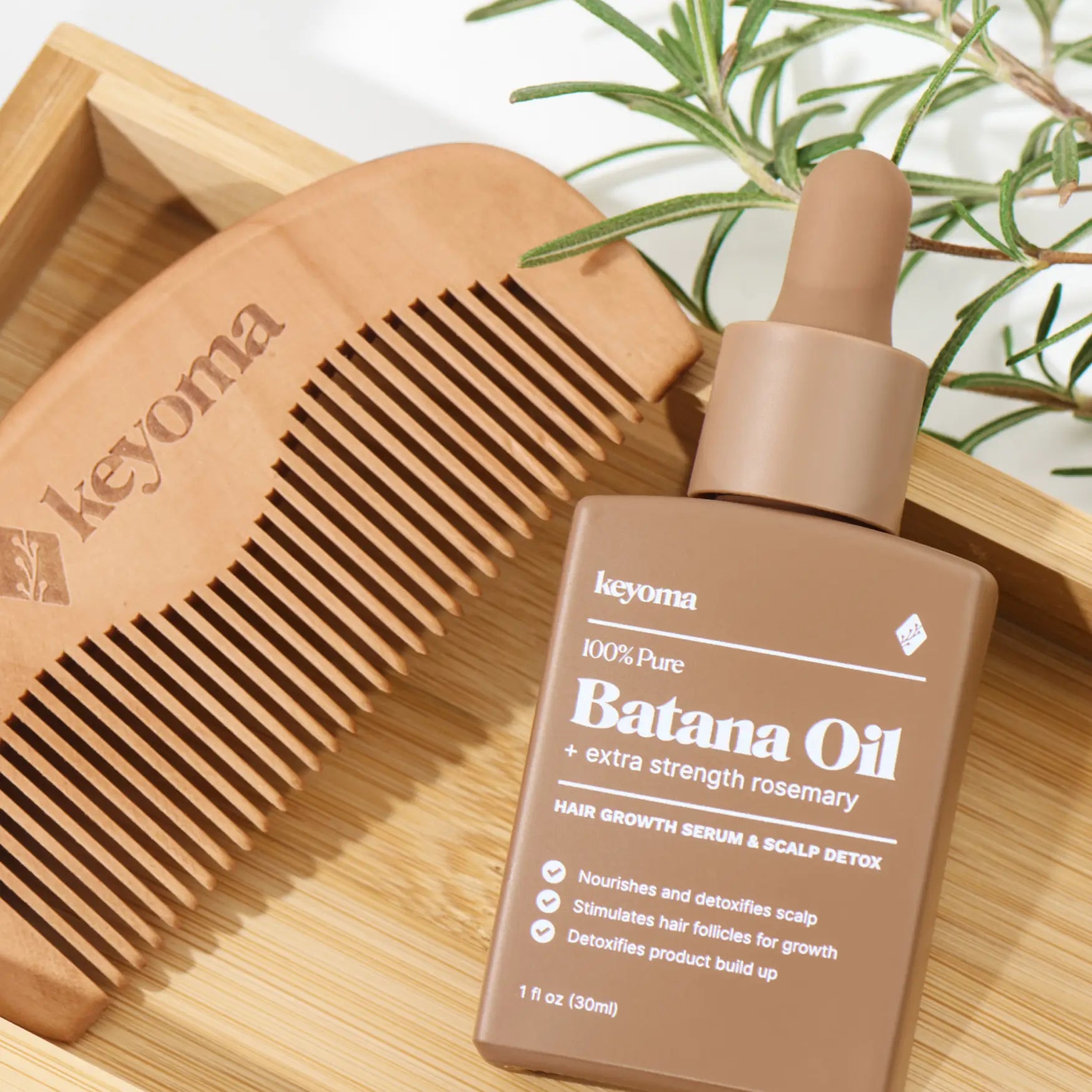
Batana oil fits best as a richer botanical oil for softness, shine, and dry-end conditioning rather than a humidity-proofing shortcut. In sticky weather, it is usually more forgiving as a small ends-only layer or as a pre-wash treatment than as a root-to-tip daytime coating. If your hair is fine or easily weighed down, use less than you think you need and judge by movement, not by how glossy the hair looks right after application.
Oil behavior also depends on the oil and the condition of the hair. A 2024 Cosmetics study on coconut, avocado, and argan oils found that oil effects varied by hair damage level and humidity conditions, which is a useful reminder not to assume every oil acts the same way on every strand.
How to Apply Hair Oil Without Losing Volume

Application matters more than the oil name. In humid weather, the goal is to smooth the areas that expand or roughen while leaving the scalp and root zone clean enough to keep lift. A perfect oil can still look wrong if it sits where your hair already has natural oil.
Treat the first application as a test. If your hair still moves naturally after a few minutes, you can add a little more to the driest ends. If the hair starts to separate or look stringy, stop. More oil rarely fixes flatness. It usually makes it more visible.
Start Below Ear Level
For most fine, straight, oily, or low-volume hair, start below ear level. Rub the oil between your palms first, then skim the surface of the mid-lengths and ends. Avoid pressing oil directly onto the crown, part line, temples, bangs, or nape if those areas already collapse in humidity.
If your hair is short, use the ends of your fingers rather than your whole palm. Touch only the driest pieces. This keeps the oil from spreading across the scalp. If you need more detailed placement for delicate strands, how to oil fine hair is a better next step than copying a routine made for thick or coarse hair.
Micro-Dose Before Adding More
A micro-dose means you start with the smallest visible amount possible. For very fine hair, that may be only the residue left after rubbing oil between your palms. For medium or thick hair, it may be a small drop warmed well through both hands.
Look at the ends before adding more. Dry, pale, rough ends may need another light pass. Roots that look shiny do not need oil. Frizzy surface pieces may need a different styling product with hold, not more oil. If your hair looks smooth but falls flat, the problem is weight, not lack of nourishment.
Use Different Amounts on Damp and Dry Hair
Damp hair usually spreads oil more evenly, so it is the better option when you want a soft finish after washing. Towel-dried hair should feel damp, not dripping. If water is running from the ends, oil can spread unpredictably and settle in heavier patches.
Dry hair needs less. Use dry application for small touch-ups on flyaways or rough ends, not for coating the whole head. The American Academy of Dermatology gives similar “smallest amount that does the job” advice for leave-in conditioner and notes that applying products from mid-strands to ends, rather than the scalp, helps avoid buildup. Oil should follow the same logic in humid weather.
Keep Scalp Oiling Separate
Scalp oiling and humidity control should not be treated as the same step. A scalp oil treatment belongs before washing or on a schedule that fits your scalp. A humidity finishing step belongs on the hair lengths and ends.
If your scalp gets oily while your ends stay dry, separate the two problems. Cleanse the scalp as needed, then condition or oil only the dry lengths. Readers with mixed roots and ends may find oily scalp and dry ends useful because that pattern often needs split care rather than more product everywhere.
A Humid-Weather Routine That Stays Light

A good humid-weather routine should leave the scalp clean, the ends conditioned, and the outer finish flexible. Hair should not feel bare and squeaky, but it should not feel coated either. The right balance depends on weather, sweat, styling products, and how quickly your scalp produces oil.
The American Academy of Dermatology recommends washing based on how dirty or oily the hair gets, applying shampoo mainly to the scalp, and using conditioner after washing. It also notes that people with fine or straight hair should focus conditioner on the ends, while dry or curly hair may need conditioner through more of the length. That gives a useful base for oiling in humidity: cleanse where oil collects, condition where dryness shows, and apply finishing oil only where hair needs slip.
Before Washing
Use richer oils before shampoo when your ends feel rough, tangled, or dry but your roots get greasy easily. This timing lets the oil soften and lubricate the lengths without sitting on the scalp through a humid day.
Apply the oil to dry or slightly damp ends, keep it away from the roots, then wash thoroughly. If you use a dense oil or butter-like texture, plan enough cleansing so the hair does not feel waxy after drying. For hard-to-remove oils, how to wash out thick hair oil can help prevent the cycle of oiling more because the hair still feels coated.
After Washing
After washing, blot gently instead of roughing up the cuticle with a towel. The AAD warns that rough towel drying and harsh handling can contribute to damage, and damaged hair tends to look more brittle, frizzy, and lackluster.
Apply your lightest oil only after the hair is no longer dripping. Work from ends upward and stop before the hair near your scalp starts to feel slick. If you also use leave-in conditioner or cream, oil should usually come after the water-based product, not before it. Oil can help seal in softness, but it does not replace cleansing, conditioning, or styling hold.
Before Going Outside
Before stepping into humid air, check three areas: crown, face-framing pieces, and ends. The crown needs lift, so avoid oil there. Face-framing pieces can get greasy from skin care, sweat, and touching, so use only leftover residue on your hands. Ends can take the most oil because they are older, drier, and farther from scalp sebum.
If your hair is already flat before you leave, oil will not revive it. Use a lighter touch next wash day, clarify if needed, or adjust your hair oiling frequency. If only the ends look dry, add a tiny amount there and leave the roots alone.
Common Mistakes That Make Hair Flat
Flat hair in humidity often comes from stacking several small mistakes. None of them may seem dramatic on their own. Together, they create the heavy, separated look people blame on humidity.
The most common mistake is applying oil too high. Oil near the part line spreads quickly because the scalp already produces sebum. The second mistake is using the same amount year-round. Hair that tolerated a full pump in dry weather may need a fraction of that in humid weather. The third mistake is trying to treat frizz and scalp oiliness with the same product step.
Watch for these patterns:
-
Your roots look shiny but your ends still look dry. Oil placement is too high. Move the oil lower and condition the ends separately.
-
Your hair looks smooth for ten minutes, then collapses. The oil may be too heavy, or you may be applying it before the hair has dried enough.
-
Your hair feels waxy after washing. Product is not rinsing out fully, or the oil is too dense for frequent use.
-
Your scalp feels itchy, coated, or sweaty. Pause scalp oiling and wash based on oiliness, sweat, and buildup.
-
Your frizz improves but volume disappears. You may need hold from styling products, not more oil.
If you are unsure whether the product or the amount is the issue, check how to know if hair oil is too heavy before switching oils entirely. Technique is often the cheaper fix.
Over-oiling can also create problems beyond flatness. Excess product can contribute to greasy hair, buildup, odor, irritation, or acne along the hairline, especially when heat and sweat are involved. For a deeper safety and troubleshooting breakdown, review the over-oiling side effects that can show up when oil sits too long or goes where it is not needed.
Use Hair Oil in Humid Weather for Light Shine
Hair oil in humid weather works best when you treat it as a targeted tool. Use it where hair gets rough, dry, or frizzy. Avoid using it where hair already gets oily, flat, or sweaty. The same oil can look polished on the ends and greasy at the roots.
Choose a lighter oil or smaller amount for fine, straight, oily, or low-volume hair. Use richer oils, including batana oil, more carefully on dry ends or before washing when humidity makes leave-in use too heavy. If your hair still looks flat, reduce the amount before blaming the oil. If your scalp feels irritated, itchy, flaky, painful, or unusually oily after repeated oiling, pause and consider advice from a dermatologist.
The best result is not hair that looks coated. It is hair that still moves, holds some volume, and has smoother ends without greasy roots.
Featured Product
30% Off + 3 FREE Gifts
100% Pure Batana Oil + Rosemary


