
In this article
When you look in the mirror, it can be hard to know if your hair is doing well or slowly showing signs of trouble. Knowing the signs of healthy hair vs signs of unhealthy hair helps you notice early damage before it turns into breakage, thinning, or ongoing dryness. According to the American Academy of Dermatology, more than 40% of people do not spot hair damage until breakage is already visible, so early awareness matters more than many people think.
Healthy hair usually reflects what is happening inside the follicle: solid structure, balanced moisture, and an active growth cycle. Unhealthy hair, by contrast, often shows shifts in texture, shine, elasticity, or shedding before noticeable thinning starts. Many people mix up damage and hair loss, which is why resources like new growth vs breakage can help you see what is actually going on.
Since hair reflects scalp condition, daily habits, and environmental stress, learning to spot healthy vs unhealthy hair helps you respond sooner. The good news is that many early signs of unhealthy hair, like dryness, rough texture, breakage, and dullness, can improve with the right routine and better scalp care.
Key Takeaways
-
Healthy hair often feels soft, looks glossy, and stretches when wet without snapping.
-
Unhealthy hair often looks dull, brittle, dry, frizzy, or more difficult to control.
-
Scalp balance matters since buildup, flakes, irritation, and excess oil can change hair quality.
-
Steady moisture, gentle products, and less heat styling may help limit damage.
Key Differences: Healthy vs Unhealthy Hair
|
Category |
Signs of Healthy Hair |
Signs of Unhealthy Hair |
|
Texture |
Soft, smooth, even texture |
Dry, rough, coarse, uneven texture |
|
Shine |
Natural, balanced sheen (not greasy) |
Flat, dull, lifeless look |
|
Elasticity |
Stretches up to ~30% when wet without breaking |
Breaks easily; little or no elasticity |
|
Strength |
Strong strands that do not snap easily |
Weak strands, breakage, uneven ends |
|
Shedding |
50–100 full-length strands/day (normal) |
Short snapped hairs, broken pieces, excess shedding |
|
Scalp Condition |
Clean, balanced, calm, low buildup |
Flaky, itchy, irritated, oily or very dry |
|
Porosity |
Low–medium porosity; holds moisture well |
High porosity; takes in moisture fast but loses it quickly |
|
Manageability |
Simple to brush and detangle |
Tangles often; difficult to manage |
|
End Health |
Few split ends |
Rough tips, fraying, visible split ends |
|
Overall Appearance |
Shiny, bouncy, looks lively |
Flat, limp, frizzy, brittle |
Signs of Healthy Hair

Even healthy hair can still show a few minor issues. People who have or want full, healthy-looking hair usually understand that proper care matters, because small issues are easier to manage before they turn into bigger scalp or hair problems.
In some situations, people may look into hair removal methods for coarse and unhealthy hair to deal with certain concerns at the source. For now, let’s look more closely at the signs of healthy hair.
Minimal Falling Hair
Some daily hair fall is normal for most people. Still, the amount should not be excessive. Watch what happens when you brush or wash your hair. You can also look at your pillow after sleeping well, and it should show only a small amount of fallen hair.
If your pillow has very little shed hair on it, or you are not seeing a large amount of hair after shampooing, your hair may be in fairly healthy condition.
Smooth Texture
Run your fingers through your hair and notice how it feels. Healthy hair usually has fewer tangles and less frizz, so your fingers should move through it more easily. It also should not feel overly dry or fragile.
You may want to use products with effective ingredients on your hair. The Iles Formula Signature collection helps repair damage quickly and may help prevent more damage.
Excellent Elasticity
Hair that looks healthy often has the bounce people want. With that in mind, try moving or hopping in front of a mirror and watch how your hair responds. If your strands move with you instead of hanging stiffly, your hair may have strong elasticity. Elasticity can also reflect how strong your strands are.
You can check elasticity another way by taking a single strand and gently stretching it. After you let go, it should spring back into place.
Dandruff-Free
Dandruff is one of the most common scalp concerns, and for people dealing with it, it can feel very frustrating and affect confidence in their appearance. Dandruff is basically made up of dead skin flakes that come off a dry scalp.
A range of conditions may lead to dandruff, including serious health concerns or hormonal imbalance. These flakes can appear even in people with very good hygiene. Healthy hair and a healthy scalp usually mean you are mostly free from these dry flakes.
Signs That Show Your Hair Is Unhealthy

Unhealthy hair can show up in different ways, and those changes may point to problems with your hair or scalp. Below are some common signs of an unhealthy hair type:
Dryness and Brittleness
Dryness and brittleness are strong signs of unhealthy hair. When hair does not have enough moisture, it feels dry, rough, and straw-like. Dry hair is easier to break, which adds to brittleness. Brittle hair is weaker, so it becomes more likely to suffer damage and continued breakage. Dryness and brittleness can also leave your hair looking dull, flat, and harder to handle.
Split Ends
Split ends clearly suggest unhealthy hair. When the ends become dry and fragile, they can separate into two or more parts. Split ends happen because of damage and not getting the right care. Regular trims and moisturizing treatments may help prevent and reduce split ends, which can help keep your hair stronger and in better condition.
Excessive Hair Shedding
Losing some hair each day is normal. However, shedding much more than usual may point to an underlying health issue or a hair care routine that is not working well for you.
Dull Appearance:
When your hair has little shine and looks flat, it may have a dull appearance, which is one sign of unhealthy hair. Several things can cause dull-looking hair, including damage, frequent heat styling, or not enough hydration. Nourishing products, less heat exposure, and a balanced diet may help bring back more of your hair's natural shine and healthier look.
Excessive Oiliness
Hair that becomes overly oily may be showing a sign of unhealthy hair. When your scalp produces too much oil, it can leave your hair looking greasy and weighed down. Extra oil can also hold onto dirt and cause an unpleasant smell. Oily hair can be harder to style and may need more frequent washing.
While some oil helps protect your hair, too much can become a problem. It may suggest your scalp is out of balance or that your hair products are not a good fit. In some cases, excess oil can also be linked to hormonal changes and a poor diet.
How to Maintain Healthy Hair

Keeping your hair healthy usually comes down to avoiding bad habits and protecting the hair shaft, supporting the scalp, and cutting down on routine damage. A basic routine you follow regularly is often more helpful than using many products or switching routines all the time.
Choose Gentle, Nourishing Products
Choose shampoos and conditioners with ingredients that help hold in moisture instead of stripping your hair. I noticed simpler wash days usually left my hair less rough by the next morning.
Strong formulas can dry the hair out over time, which can lead to more frizz and breakage. A simple routine with gentle, nourishing products is often more helpful than relying on too many treatments.
Keep Hair and Scalp Moisturized
Hair that stays well moisturized is often softer, smoother, and less likely to snap. Oils may help lock in moisture and make hair easier to manage. Using pure batana oil from time to time may help soften dry hair, add shine, and support a healthier-looking finish, especially if your hair tends to be dry or damaged.
Limit Heat and Rough Styling
Frequent heat tools, tight hairstyles, and rough brushing can wear hair down over time. For me, air-drying part of the time made my ends feel less stiff. Try using less heat, detangling carefully, and avoiding styles that keep pulling at the roots. Small styling changes can lower long-term damage in a meaningful way.
Support Hair Health From Within
Hair health is often tied to your overall health. Eating enough protein, fruits, and vegetables helps support stronger hair. Drinking enough water, getting good sleep, and staying physically active can also support healthier hair over time.
Manage Stress and Address Health Issues
Stress and some health conditions can affect the hair growth cycle and the way your hair looks and feels overall. If your hair suddenly starts looking thinner, weaker, or more brittle, the cause may be stress, nutrition, or another health factor instead of only the products you use.
Protect Hair From Environmental Damage
Sun, wind, and dry air can leave hair feeling rough and brittle. Wearing a hat, using protective products, and cutting back on exposure to harsh weather may help keep your hair smoother and easier to handle.
Help Unhealthy Hair Feel Softer and Look Healthier
Healthy hair is less about chasing a certain look and more about protecting the qualities that keep damage from taking over.
One of the clearest signs is elasticity, because hair that stretches up to about 30% when wet without breaking still has useful strength. When that resilience starts to drop, dullness, roughness, and breakage usually stop being one-off issues and start showing up as a pattern.
That is why good hair care is really about protecting function, not only appearance. The more clearly you understand what your hair is showing you, the easier it becomes to choose habits that genuinely support it. Keep reading our blogs to get better at recognizing what healthy hair really needs.
Featured Product
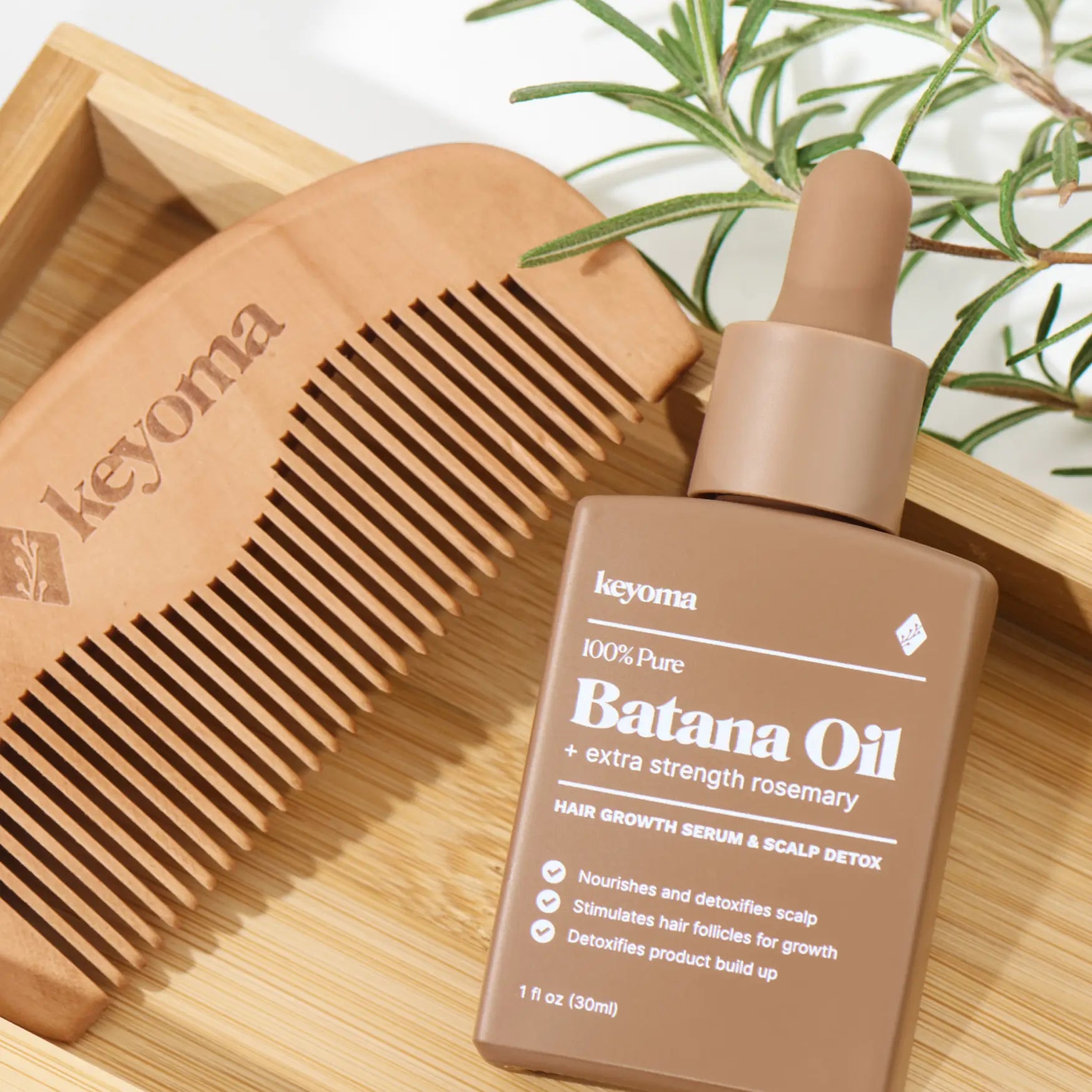
30% Off + 3 FREE Gifts
100% Pure Batana Oil + Rosemary


