

In this article
Have you ever checked your length and noticed that the hair at your nape is shorter than the rest of your hair? Does that back section seem to break the most even though you feel like you are doing everything right in your routine?
If that sounds familiar, a fragile nape may be part of the reason. For many of us, the nape is the most delicate section of the hair, and because of that, it is often the most likely to break.
The good news is that you do not need to panic. Below are four reasons your nape may not be keeping length, along with solutions you can add to your routine to help keep it in better shape.
Key Takeaways
-
Nape hair is often delicate and may break more easily than other sections.
-
Breakage happens along the hair shaft, not from the root the way shedding does.
-
Tight styles, chemicals, bleaching, heat, dryness, and friction can weaken nape hair.
-
More moisture, looser styles, less manipulation, and nighttime protection may reduce breakage.
What Is Hair Breakage?
Hair breakage is when the hair shaft snaps because of damage, weakness, or too much stress. That leaves the strands shorter, uneven, and brittle, often with split ends. Unlike shedding, which happens from the root, breakage happens somewhere along the strand itself. Common signs include frizz, dryness, and shorter or broken hairs around the crown, hairline, or nape.
Causes of Breakage in Nape Hair

There are several reasons why hair is more prone to breakage, including drying out the cuticle with chemicals and heat processing or putting physical stress on it with hair ties, tight braids, or pulling from hair extensions. But when breakage shows up at the nape of the neck, the most common causes are these:
Tight Hairstyles
Even though sleek or tight styles may be your favorite or easiest way to get the look you want, they can create extra tension because the hair is being pulled. Think ponytails, braids, and other styles that keep stress on the strands. Over time, that tension can make the nape more likely to break. A looser style may help take some of that strain away.
Poor Chemical Application
It can be frustrating to deal with hair that seems resistant to relaxing, but if you are trying to grow the nape area back, it helps to use gentler relaxing methods.
Avoid choosing a stronger relaxer than you actually need just to get very straight hair, since a medium strength is usually enough for most textures. If you do apply a relaxer, put it on the nape last so the chemicals do not stay there longer than necessary.
Repeated Bleaching
Bleaching the hair over and over can permanently lift the cuticle scales, which lets moisture escape more easily. That can leave the hair brittle and more likely to snap.
Excess Keratin Treatments
Sometimes too much keratin can make the strands less flexible and more likely to break. If that seems to be part of the problem, try cutting back on keratin-heavy shampoos and conditioners by taking breaks or switching between different kinds of products.
Dryness
Dry hair can come from several root causes, from using too much heat to simply dealing with dry weather for long periods.
Heat Damage
Because the shape of the head curves inward at the nape, that section can be harder to style with hot tools. Many people end up overheating or overbrushing that area to get it smooth, which can cause the hair there to break off.
Constant Manipulation and Friction
We know how much effort, and usually tugging and smoothing, can go into creating a sleek updo, but relying on strong gels and constant brushing to smooth the edges adds extra tension around the hairline. That kind of repeated stress can lead to thinning and breakage, especially around the nape.
Tips for Stopping Nape Breakage

Don't Brush or Comb
I have often seen the healthiest and longest napes on women who hardly use styling tools at all. That is probably because the tools used to smooth the hairline and detangle can place extra stress on nape hair, which is often finer and weaker than the rest of the hair.
Extra Moisture
Moisturize the hair at your nape more often than the rest of your hair. If needed, apply moisture daily or even twice a day to help prevent breakage caused by dryness.
Massage With Oil
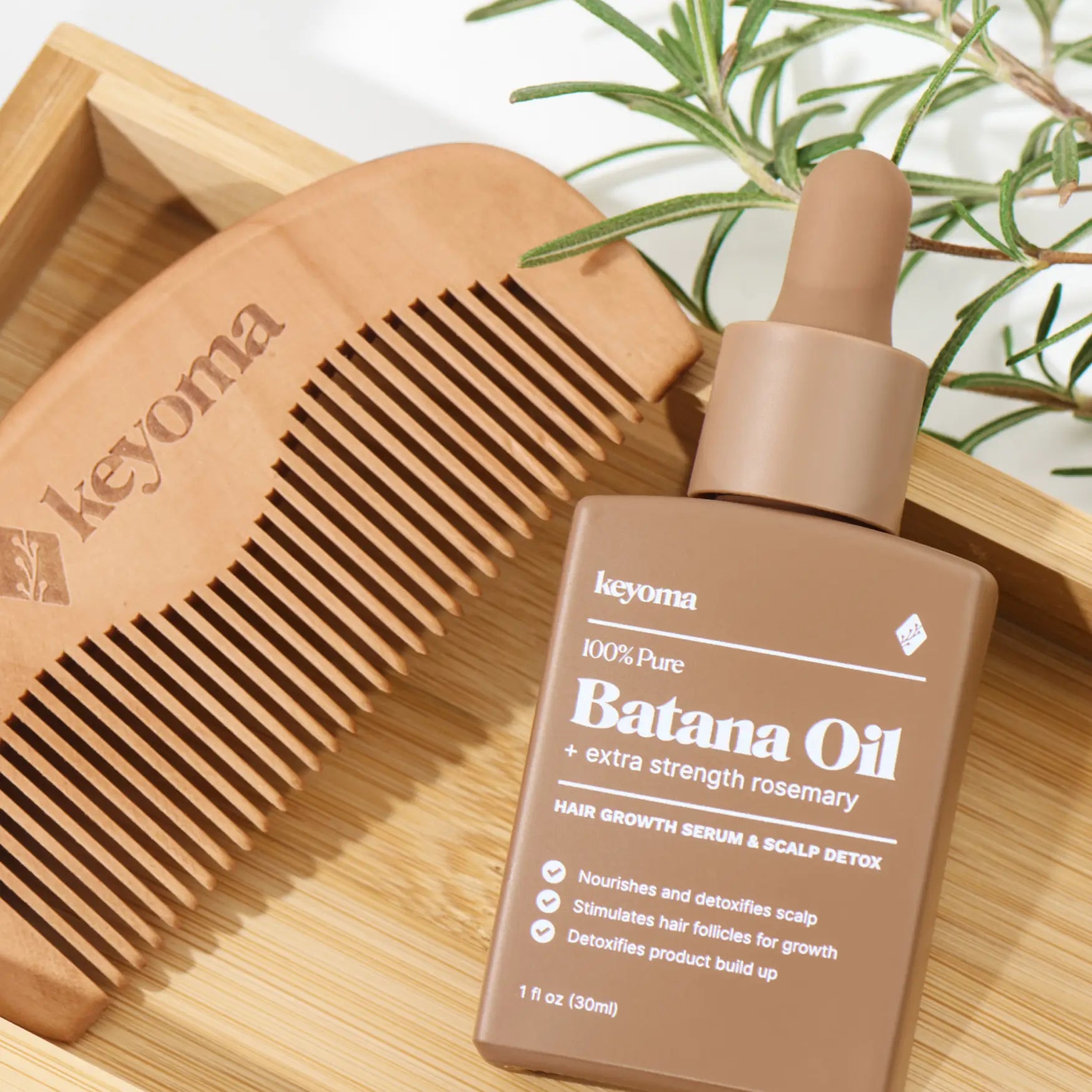
Massage your scalp with batana oil, since many curlies say it has helped stimulate growth in damaged areas. For me, lighter oil massage usually felt better than overcoating the nape.
Be Mindful of Your Clothes
Preventing this kind of damage can be very simple. It mostly comes down to paying attention to what your hair rubs against. Try to avoid cowl neck tops, turtlenecks, and shirts that constantly brush the nape. If you wear decorative scarves, it also helps to skip thick wooly ones that easily catch and trap hair.
Processing Hair
When you apply chemicals to the hair, remember that some sections are weaker than others and can break more easily. If your nape is sensitive, separate it from the rest of your hair and apply chemicals like texturizers and Brazilian keratin treatments there last so it does not get overprocessed. If possible, you may even want to avoid putting chemicals on that area at all.
Avoid Ponytails
Try not to secure your ponytails too tightly, since that pulls on the nape and can lead to breakage over time.
Leave It Out
To protect the nape from more damage and give it a chance to grow, consider protective styling. It may sound simple, but letting that section avoid the repeated stress of daily styling can help it regain strength and length.
To do this, you can section off the nape, moisturize it well, then cornrow it horizontally. Leave the cornrow in as long as you reasonably can, and only take it down when you need to wash the hair or remoisturize it.
Cover Up at Night
Always cover your hair at night with silk or satin while you sleep to reduce damage from friction and dryness. You may also want to wear a bonnet if scarves create too much rubbing at the nape. If your bonnet closes with elastic, make sure it sits low enough past the edges to avoid extra friction.
Protect Nape Hair Breakage With Gentler Care
Explore the Keyoma natural hair care blog when nape breakage keeps making your hair look uneven even though the rest of your routine seems solid. The nape often needs gentler care because it sits right where friction, tension, and styling pressure come together. Breakage there does not always mean your entire routine is wrong.
It may simply mean one fragile section needs more protection than the rest. One clear detail is that nape hair may need daily or twice-daily moisture when dryness is part of the issue. Giving extra attention to that small area can change how your overall length looks, especially when your goal is healthier growth that feels more balanced from root to ends.
Featured Product
30% Off + 3 FREE Gifts
100% Pure Batana Oil + Rosemary


